Contractor Pricing for Home Projects: A Homeowner’s Guide
You finally decide to fix that dripping faucet, replace the worn-out roof, or remodel the outdated kitchen. You start researching costs, and suddenly the numbers feel overwhelming. One contractor quotes $8,000, another says $12,000, and a third won’t give a price until they “see the job.” You’re left wondering: What is fair? Am I being overcharged? This confusion around contractor pricing for home projects is one of the most common frustrations homeowners face. The problem isn’t just the price,it’s the uncertainty. When you don’t understand how contractors set their rates, it’s easy to delay necessary work, hoping the problem will go away. Unfortunately, ignoring a small issue can turn a $500 repair into a $5,000 nightmare.
Understanding Contractor Pricing for Home Projects
Contractor pricing is simply how professionals calculate what they charge for their work. It’s not a random number pulled from thin air. Instead, it’s based on a combination of material costs, labor time, overhead expenses (like insurance, office rent, and truck maintenance), and a reasonable profit margin. Different contractors may arrive at different prices because they use different materials, have different overhead, or specialize in different quality levels.
Most homeowners are surprised to learn that contractor pricing for home projects isn’t one-size-fits-all. A handyman might charge by the hour, while a licensed general contractor provides a fixed project price. Some contractors charge a percentage of material costs, while others use a cost-plus model. The key is understanding what you’re paying for and why. Homes that are older, have unique architectural features, or require specialized trades (like structural engineering or custom cabinetry) typically see higher quotes.
Fixed Price vs. Time and Materials
Two common pricing models dominate the industry. A fixed-price contract means you pay one agreed-upon amount for the entire project, regardless of how many hours it takes. This gives you budget certainty. A time-and-materials contract charges you for actual labor hours plus the cost of materials. This can be cheaper if the job goes smoothly, but it leaves you exposed if unexpected delays arise. Always ask which model your contractor uses before signing.
Why This Matters for Your Home
Understanding pricing isn’t just about saving money,it’s about protecting your home. When you don’t know what fair pricing looks like, you risk either overpaying for shoddy work or hiring the cheapest bidder who cuts corners. Both scenarios can lead to property damage, safety hazards, and expensive rework down the road. For example, a cheap roof replacement might leak within two years, causing mold and structural rot that costs thousands to remediate.
Delaying a project because of pricing confusion also has real consequences. A small plumbing leak can warp subfloors and attract pests. An outdated electrical panel can become a fire risk. The longer you wait, the more damage accumulates,and the more expensive the eventual repair becomes. By understanding contractor pricing for home projects, you can make informed decisions that keep your home safe, comfortable, and valuable.
If you notice signs of this issue in your home, it may help to speak with a qualified contractor. Request a free quote or call to explore your repair or remodeling options.
Common Problems Homeowners Experience
Most homeowners encounter pricing confusion when they first start gathering estimates. You might call three contractors for a bathroom remodel and receive quotes ranging from $15,000 to $35,000. Without context, it’s impossible to know if the high bid is justified or if the low bid is a red flag. This uncertainty often leads to paralysis,you put the project on hold, hoping prices will drop or you’ll magically understand the market.
Another common problem is surprise costs. A contractor gives you a verbal estimate, but when the final bill arrives, it’s 30% higher. This happens when the original estimate didn’t include permits, disposal fees, or unexpected structural issues. Homeowners who don’t ask for a detailed written breakdown often find themselves in disputes. Understanding contractor pricing for home projects helps you ask the right questions upfront.
- Receiving wildly different quotes for the same project
- Hidden fees or charges that appear on the final invoice
- Contractors who refuse to provide a written estimate
- Confusion about whether permits and disposal are included
- Pressure to sign a contract immediately with a “today-only” discount
- Poor-quality work from the lowest bidder, leading to rework costs
How Professionals Solve the Problem
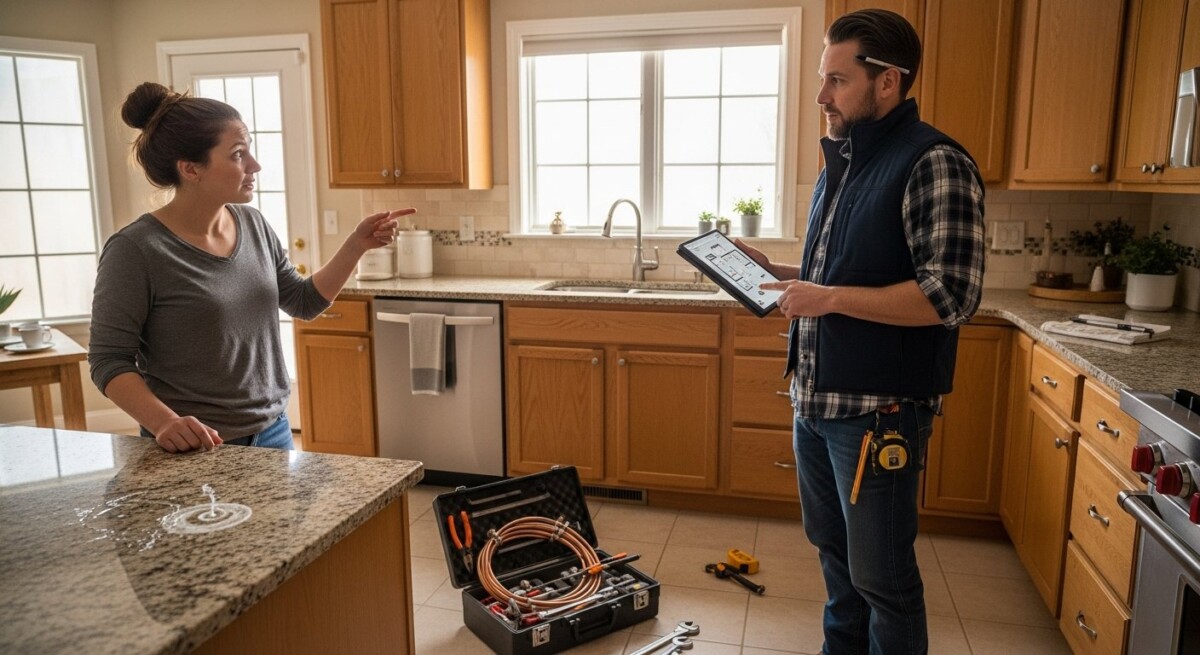
Experienced contractors address pricing confusion by being transparent. They provide detailed, itemized estimates that break down materials, labor, permits, and any potential contingency costs. They also explain their pricing model,whether it’s fixed-price or time-and-materials,so you know exactly what to expect. A professional will also walk through the project scope with you, identifying potential challenges before work begins.
Here is the typical process a reputable contractor follows for a home project:
- Initial consultation: The contractor visits your home, inspects the space, and listens to your goals.
- Scope development: They outline exactly what work will be done, what materials will be used, and what the timeline looks like.
- Detailed estimate: You receive a written quote with line-item costs for materials, labor, permits, and fees.
- Contract signing: Both parties agree on the price, payment schedule, and project milestones.
- Project execution: The contractor manages the work, communicates progress, and handles any unexpected issues.
- Final inspection and payment: Once the work meets your satisfaction, you make the final payment and receive warranty information.
Professional work is safer and more reliable than DIY fixes because contractors carry insurance, have years of hands-on experience, and source quality materials at trade prices. They also know local building codes, which means your project passes inspection and doesn’t create liability when you sell your home.
A professional inspection can reveal hidden issues before they become expensive repairs. Compare contractor quotes here or call to discuss your project.
Warning Signs You Should Not Ignore
Your home often gives you clues that a project is needed long before a crisis hits. Learning to recognize these warning signs can save you thousands of dollars and prevent dangerous situations. Many homeowners ignore subtle problems because they don’t want to deal with the cost or hassle of hiring a contractor. But catching issues early almost always results in a simpler, cheaper fix.
Pay attention to changes in your home’s performance. Does your HVAC system run constantly but never quite reach the set temperature? Are your water bills creeping up for no obvious reason? Do you see small cracks in your foundation or ceiling? These are not normal “settling” issues,they are early indicators that something needs professional attention. When you understand contractor pricing for home projects, you can act quickly and avoid the stress of emergency repairs.
- Water stains on ceilings or walls (leaking roof or pipe)
- Cracks in foundation, brickwork, or drywall that widen over time
- Doors or windows that stick or won’t close properly
- Frequent circuit breaker trips or flickering lights
- Musty odors or visible mold growth
- Drafty rooms or uneven temperatures from room to room
What Affects the Cost of Repairs or Installation
Several factors influence what a contractor will charge for your project. The size of the job is the most obvious,replacing a single window costs far less than replacing all the windows in your home. But less obvious factors play a big role too. The age of your home often matters because older homes may have outdated wiring, asbestos, or lead paint that requires special handling. Accessibility also affects price; a roof with a steep pitch or a bathroom on the third floor without an elevator will cost more to work on.
Material choices significantly impact pricing. Standard builder-grade materials are budget-friendly, while premium options like custom cabinetry, hardwood flooring, or energy-efficient windows drive the price up. Labor costs vary by region, with urban areas typically commanding higher rates than rural ones. Finally, the complexity of the project matters. A simple cosmetic update like painting costs less than a structural remodel that requires moving walls or rerouting plumbing. Understanding these variables helps you compare contractor pricing for home projects more intelligently.
Costs can vary depending on the condition of your home. The best way to know the price is to get a personalized estimate. Request free quotes from contractors or call today.
How to Choose the Right Contractor
Selecting the right contractor is just as important as understanding the price. A low bid might be tempting, but if the contractor is unlicensed, uninsured, or inexperienced, you could end up paying far more in the long run. Start by asking friends, neighbors, or online community groups for recommendations. Then verify each candidate’s credentials before inviting them to bid on your project.
When you receive multiple quotes, don’t automatically choose the cheapest or most expensive option. Look at the details: Are the materials specified? Is the timeline realistic? Does the contractor communicate clearly and answer your questions? The goal is to find a contractor who offers fair contractor pricing for home projects and demonstrates professionalism at every step. A good rapport and transparent communication are worth paying a little extra for.
- Verify the contractor’s license and insurance (liability and workers’ comp)
- Read online reviews on Google, Yelp, and the Better Business Bureau
- Ask for a detailed written estimate that includes all line items
- Compare at least three quotes before making a decision
- Confirm the contractor has experience with projects similar to yours
Long-Term Benefits of Professional Work
Investing in professional repairs or remodeling pays dividends for years to come. A properly installed roof, for example, protects your home from water damage, improves energy efficiency, and can last 20,30 years. A well-executed kitchen remodel not only makes daily life more enjoyable but also boosts your home’s resale value. Professional work is built to last because it follows industry standards and building codes.
Beyond durability, professional work enhances safety. Faulty electrical work, improper plumbing, or structural errors can lead to fires, floods, or collapses. Licensed contractors know how to avoid these dangers. They also offer warranties on their work, giving you peace of mind. When you choose quality over shortcuts, you reduce the need for future maintenance and avoid the stress of recurring problems. Understanding contractor pricing for home projects helps you see professional work as an investment, not an expense.
How much does a typical home renovation cost?
Costs vary widely depending on the project scope, materials, and location. A minor bathroom remodel might run $6,000,$15,000, while a full kitchen renovation can range from $20,000 to $60,000 or more. The best way to get accurate pricing is to request multiple quotes from licensed contractors in your area.
Why are contractor quotes so different from each other?
Differences in quotes usually come from varying material choices, labor rates, overhead costs, and profit margins. One contractor might include premium materials and a longer warranty, while another uses budget options. Always compare the scope of work, not just the bottom line.
Should I always choose the lowest bid?
Not necessarily. The lowest bid may cut corners on materials, skip permits, or use inexperienced labor. A very low quote can also be a red flag for a contractor who later adds surprise charges. It’s better to choose a mid-range bid from a contractor with strong reviews and clear communication.
How can I avoid hidden fees in a contractor’s estimate?
Ask for a fully itemized written estimate that includes permits, disposal fees, material delivery, and cleanup. Also ask whether the price is fixed or subject to change if unexpected issues arise. A reputable contractor will be upfront about potential additional costs.
What should I do if a contractor asks for a large deposit upfront?
Be cautious. Most reputable contractors ask for 10,30% down, not the full amount. Check your state’s laws on contractor deposits. Never pay in cash, and always get a written contract before handing over any money. If something feels off, trust your instinct and get another quote.
How long does a typical home improvement project take?
Timelines depend on the project’s complexity. A small plumbing repair might take one day, while a full kitchen remodel can take 6,12 weeks. Your contractor should provide a detailed timeline in the contract, including milestones for inspections and material deliveries.
Do I need to be home while the contractor works?
It depends on the project. For small repairs, you may only need to be home at the start and end. For major renovations, you’ll likely need to be available for decisions and inspections. Discuss scheduling with your contractor so you can plan accordingly.
Can I negotiate contractor pricing?
Some contractors are open to negotiation, especially if you’re flexible on timing or materials. However, don’t push too hard. If a contractor cuts their price significantly, they may cut corners to protect their profit margin. Focus on value,fair pricing for quality work,rather than the lowest number.
Understanding contractor pricing doesn’t have to be stressful. When you know what affects costs, recognize warning signs early, and compare quotes from multiple professionals, you put yourself in control. Your home is one of your biggest investments,protect it by making informed decisions. Before you start your next project, take the time to request and compare quotes. It’s the smartest step you can take toward a successful, stress-free home improvement experience.