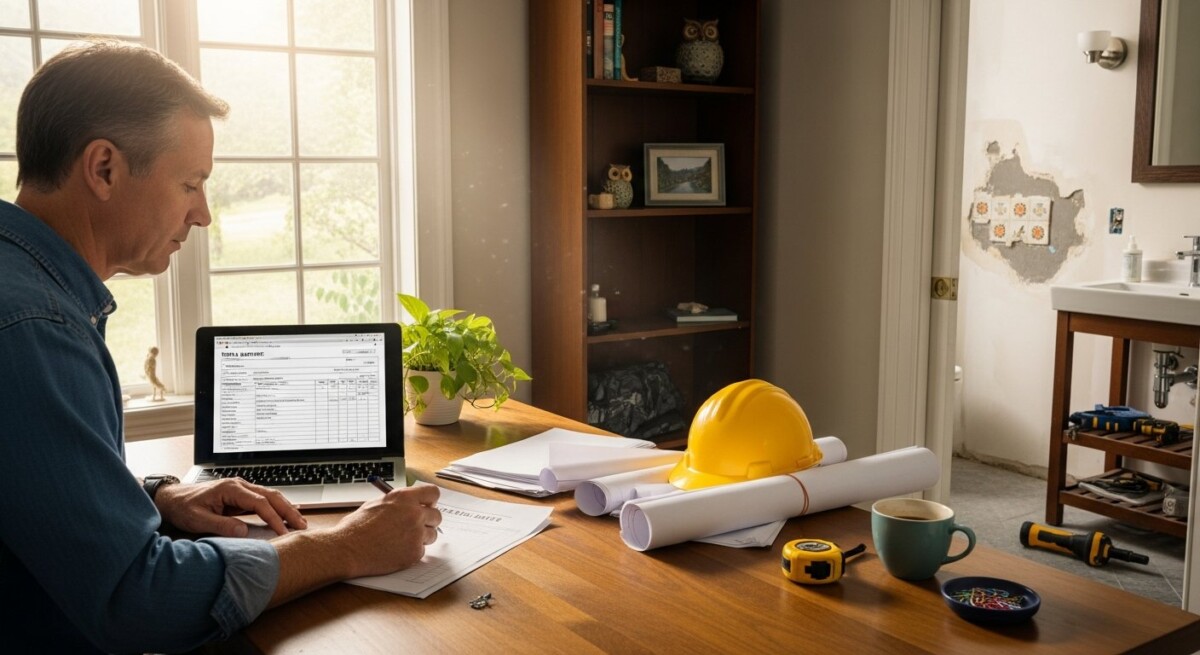
Save Big on Home Renovations: 9 Cost-Cutting Strategies

Renovating a home can drain your savings fast if you do not plan carefully. Many homeowners assume that a major remodel requires a six-figure budget, but that is not always true. With the right approach, you can transform your space without emptying your bank account. Learning how to reduce home renovation costs starts with understanding where your money actually goes and which trade-offs deliver the best value. This guide walks through nine proven strategies to keep your project on track financially, from material choices to contractor negotiations.
Start With a Detailed Budget and Stick to It
Before you swing a hammer or order materials, you need a crystal-clear budget. A vague estimate like “around $20,000” almost guarantees surprise expenses. Instead, break down every category: demolition, framing, electrical, plumbing, drywall, flooring, fixtures, paint, and labor. Use online cost calculators and local supplier prices to get realistic numbers. In our guide on how to reduce home renovation costs, we emphasize that a written budget is your single most powerful tool. It forces you to prioritize and prevents impulse upgrades that blow your spending.
Once your budget is set, add a contingency fund of 10 to 20 percent. This covers unexpected issues like hidden water damage or outdated wiring. Without this cushion, a single surprise can force you to take out high-interest loans or pause the project mid-way. Review your budget weekly and track every receipt. Small oversights, such as forgetting permit fees or dumpster rentals, add up quickly. A disciplined budget keeps you in control and reduces financial stress throughout the renovation.
Choose Materials Wisely Without Sacrificing Quality
Material costs often represent the largest portion of a renovation budget. The good news is that you do not need the most expensive options to get a beautiful result. Look for mid-range products that offer durability and style at a fraction of the price. For example, luxury vinyl plank flooring mimics hardwood but costs 50 to 70 percent less. Similarly, quartz countertops from a less-known brand can look identical to premium slabs. When you research material options, visit the home renovation material cost guide for smart budgeting to compare prices and find the best deals in your area.
Another cost-saving tactic is to buy materials during off-peak seasons. Many suppliers offer discounts in late winter or early spring when demand is low. You can also check habitat for humanity ReStores, online marketplaces, and local surplus yards for overstock or discontinued items. Just ensure that any discounted material meets safety and building code standards. Cheap wiring or substandard plumbing can lead to expensive repairs later. Balance upfront savings with long-term reliability, and always get a second opinion on material quality from your contractor if you are unsure.
Keep the Same Footprint to Avoid Structural Changes
One of the fastest ways to inflate a renovation budget is moving walls, relocating plumbing, or changing the roofline. Structural modifications require engineering reports, permits, and specialized labor. They also increase the risk of uncovering hidden problems. If your goal is to reduce costs, design your renovation within the existing footprint. Refinish existing cabinets instead of replacing them. Update fixtures and hardware rather than moving sinks or toilets. These cosmetic upgrades deliver a fresh look without the expense of structural work.
When you keep the same layout, you also save on demolition and disposal fees. Less waste means fewer dumpster rentals and lower hauling costs. You can also reuse existing ductwork, electrical runs, and plumbing lines. This approach is especially effective for kitchens and bathrooms, where plumbing relocation can cost thousands. If you absolutely need a more open floor plan, consider removing a non-load-bearing wall. Consult a structural engineer first to confirm it is safe. Small changes can still make a space feel larger without a full reconfiguration.
Do Some Work Yourself, But Know Your Limits
DIY labor can save a significant amount of money, but only if you choose the right tasks. Painting, demolition, cleaning, and basic landscaping are generally safe for most homeowners. You can also install light fixtures, replace faucets, and lay certain types of flooring with online tutorials. However, electrical, plumbing, and structural work require licensed professionals. Mistakes in these areas can lead to fires, leaks, or collapsed ceilings. The cost of fixing a DIY error often exceeds the original professional fee.
Before you decide to tackle a task, honestly assess your skill level and available tools. Renting specialty equipment like tile cutters or floor nailers is cheaper than buying, but it still adds to your time investment. If you work full-time, factor in the slower pace of DIY. A professional crew might finish a bathroom in two weeks, while a weekend warrior needs two months. Weigh the labor savings against the inconvenience and potential delays. For the tasks you do yourself, watch multiple tutorials and ask a knowledgeable friend to supervise. Small mistakes can be costly, so proceed carefully.
Compare Multiple Contractor Quotes Before Signing
Hiring the first contractor you find is a common and expensive mistake. Prices for the same project can vary by 30 percent or more between companies. Always obtain at least three detailed quotes from licensed, insured contractors. Each quote should include a scope of work, material list, timeline, and payment schedule. Do not automatically choose the lowest bid. A very low price may indicate subpar materials, rushed work, or lack of insurance. Conversely, the highest bid may include unnecessary upgrades. Compare line items side by side to understand what each contractor offers.
When you meet with contractors, ask for references and check online reviews. A reputable professional will happily provide recent client contacts. Call a few references to ask about the contractor’s communication, adherence to budget, and cleanup habits. You can also use a platform like FreeQuotes.Contractors to receive competitive proposals from pre-vetted local pros. This saves you the time of cold-calling and ensures you are comparing qualified candidates. Once you choose a contractor, get everything in writing. Verbal agreements often lead to disputes over change orders and final costs.
Time Your Project for Off-Peak Seasons
Contractors are busiest during spring and summer when weather is favorable. During these months, demand drives up labor rates and material prices. If you can wait, schedule your renovation for late fall or winter. Many contractors offer discounts of 10 to 20 percent during slower periods to keep their crews working. You also benefit from shorter wait times and more personalized attention. A contractor who is not juggling multiple projects can focus on your home and finish faster.
Off-season renovations require some flexibility. For example, exterior work like siding or roofing may be limited by cold or rain. But interior projects such as kitchen remodels, bathroom updates, and basement finishing are ideal for winter. You can also take advantage of end-of-year sales on appliances and flooring. Retailers often clear out inventory to make room for new models. Combine seasonal contractor discounts with material sales, and you can significantly lower your total cost. Plan ahead and book your contractor early to secure the best rates.
Reuse and Refinish Instead of Replacing
New is not always better. Many existing elements in your home can be restored to look like new at a fraction of the replacement cost. Refinishing hardwood floors costs about one-third of installing new flooring. Painting or refacing kitchen cabinets is dramatically cheaper than custom cabinetry. Similarly, reglazing a bathtub or sink costs far less than replacing the fixture. These approaches also reduce waste, which is good for the environment and your disposal fees.
Before you rip out anything, evaluate whether it can be repaired or refreshed. Old doors with solid wood construction can be stripped and repainted. Vintage hardware can be cleaned and polished. Even outdated tile might work if you update the grout color and add modern accessories. The key is to distinguish between items that are structurally sound and those that are truly worn out. A professional opinion helps here. Ask your contractor to assess which elements can stay and which must go. You might be surprised at how much you can preserve.
For items you do replace, consider selling the old ones. Architectural salvage stores, online classifieds, and reuse centers will buy used vanities, doors, windows, and fixtures. The money you earn can offset the cost of new materials. Just be realistic about pricing. Heavily worn items may only fetch a few dollars, but that is still money back in your pocket. Every dollar you recover from salvaged materials reduces your net renovation spend.
Limit Change Orders During Construction
Change orders are modifications to the original plan once work has started. They are one of the biggest budget killers in any renovation. A change order often involves redoing completed work, which means paying for labor twice. For example, deciding to move a light switch after the drywall is installed requires cutting into the wall, rewiring, and patching. That small change can add several hundred dollars. To avoid this, finalize all design decisions before construction begins.
Create a detailed plan with your contractor that includes every finish, color, and fixture. Visit showrooms and pick out materials in advance. If you are unsure about a choice, give yourself extra time to decide before the crew starts. Once work is underway, stick to the plan unless there is a genuine safety issue. If you must make a change, understand the cost and timeline impact before approving it. Ask your contractor to provide a written estimate for the change order, including any delays it may cause. Limiting changes keeps your budget predictable and your project on schedule.
Use FreeQuotes.Contractors to Find Affordable Pros
Finding a reliable contractor at a fair price is one of the hardest parts of any renovation. You need someone who is licensed, insured, and experienced in your specific project type. FreeQuotes.Contractors simplifies this process by connecting you with pre-vetted local professionals. You submit a brief description of your project, and the platform matches you with contractors who specialize in that work. Within days, you receive multiple quotes that you can compare side by side. This transparency helps you identify the best value without spending hours on the phone.
The service covers a wide range of home improvement projects, including bathroom remodeling, kitchen updates, flooring, roofing, HVAC, and more. Each contractor on the platform has been screened for credentials and customer satisfaction. You can read reviews, check licensing, and ask questions before making a decision. Best of all, the quote request is free with no obligation. Using this tool as part of your planning process is a smart way to learn how to reduce home renovation costs by leveraging competition among qualified pros. When you have multiple offers, you can negotiate confidently and choose the one that fits your budget and timeline.
Renovating your home does not have to mean financial strain. By budgeting carefully, choosing materials wisely, doing some work yourself, and comparing contractor quotes, you can achieve the space you want for less. Every dollar saved on planning and procurement is a dollar you can put toward quality finishes or future projects. Approach your renovation with a clear strategy, and you will enjoy the results without regretting the cost.