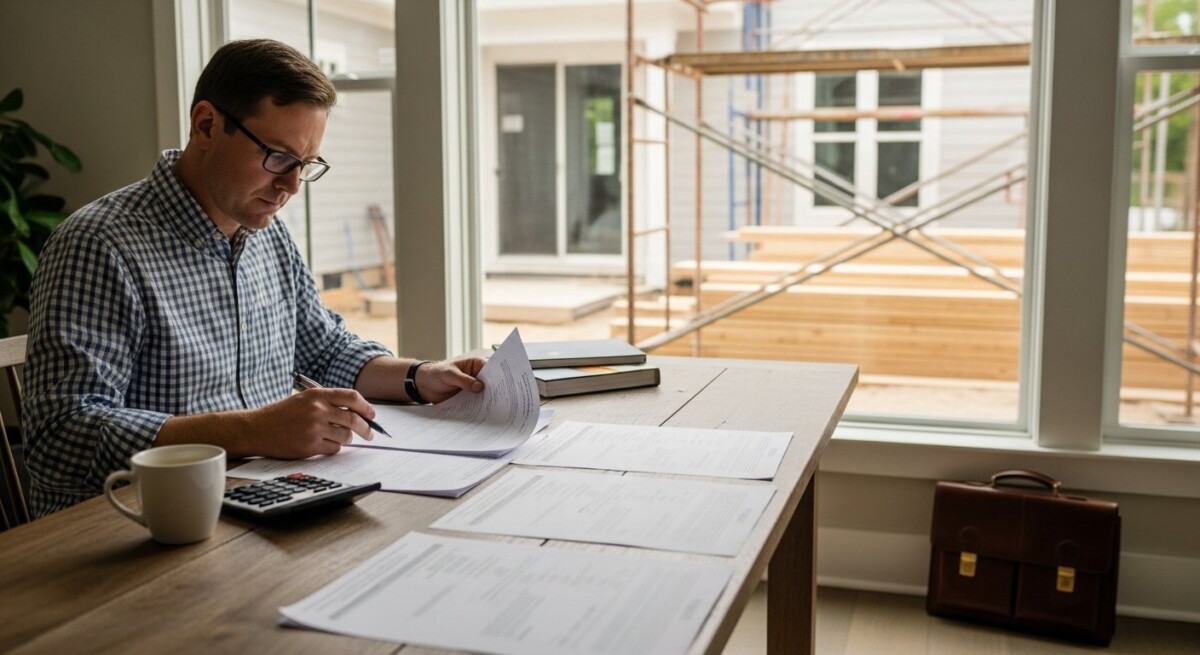
What Happens If Contractor Exceeds Budget: Homeowner Guide
You planned your project carefully, saved for months, and signed a contract with a clear budget. Then the contractor tells you the cost will be higher. It is a frustrating moment that leaves many homeowners wondering what happens if contractor exceeds budget and what rights they have. Budget overruns are more common than most people think, but you are not powerless. Whether the overage is due to unforeseen structural issues, material price increases, or miscommunication, knowing how to respond can save you thousands of dollars and keep your project on track.
This guide walks through the reasons behind budget overruns, your legal protections, the specific steps to take when a contractor exceeds the agreed price, and how to prevent similar problems in the future. By the end you will have a clear action plan and know where to turn for free competitive quotes that help you compare pricing before work begins.
Why Contractors Exceed the Budget
Before you react to an overage, it helps to understand why it happened. Some reasons are legitimate and some are not. Knowing the difference lets you negotiate from a position of strength.
The most common cause is unexpected site conditions. When a contractor opens a wall or digs a foundation, they may find rotting wood, outdated wiring, or plumbing that does not meet code. These issues are hard to predict and often require extra labor and materials. Another frequent reason is a change in scope. If you decide mid-project that you want a different tile, a larger window, or an additional electrical outlet, the budget must adjust accordingly. Material price volatility also plays a role. Lumber, steel, and specialty items can spike in price between the estimate and the actual purchase date.
On the other hand, some overruns stem from poor estimating. A contractor may underestimate labor hours or fail to account for permit fees and dumpster rentals. In rare cases, a contractor deliberately lowballs the initial bid to win the job and then adds charges later. This practice is known as the lowball-and-add tactic. Understanding these categories helps you decide which overruns you should accept and which you should challenge.
Your Rights and What the Contract Says
The first place to look when a contractor exceeds budget is your signed agreement. Most standard contracts include a clause about change orders. A change order is a written document that modifies the original scope of work and the price. If the contractor tries to increase the cost without a signed change order, you may have legal grounds to refuse payment beyond the original amount.
Contracts typically fall into two pricing structures: fixed price and time-and-materials. Fixed price means the contractor agrees to complete the entire scope for a set amount. Any cost overrun is the contractor’s responsibility unless you request changes. Time-and-materials means you pay for actual labor and materials plus a markup. This structure is more flexible but leaves you vulnerable to overruns if the job takes longer than expected. Check your contract carefully. If it says “not to exceed” or “guaranteed maximum price,” the contractor is obligated to absorb additional costs up to that limit.
Most states also have contractor licensing laws that require written change orders for any price increase above a certain percentage. For example, California requires a written change order for any increase of 10% or more. If the contractor demands more money without proper documentation, you can report them to your state licensing board. As we explain in our homeowner guide on contractor overruns, documenting every change is your best defense.
Immediate Steps When the Contractor Says the Budget Is Exceeded
When the contractor tells you the project will cost more, do not panic. Instead, follow a structured process to evaluate the situation and protect your finances.
Step 1: Pause the Work
Ask the contractor to stop all work until you review the new charges. If work continues, you may be liable for additional costs even if you dispute them. A pause gives you time to think and gather information.
Step 2: Request a Detailed Breakdown
Ask for a written itemized list of the additional costs. What materials are driving the increase? How many extra labor hours are required? Is there a markup applied? A legitimate overrun will have clear documentation. Vague or lump-sum requests should raise red flags.
Step 3: Compare Against the Original Contract
Line up the new costs against the original estimate. Identify exactly what changed. If the contractor cannot point to a specific change in scope or a documented site condition, the overage may be a mistake or a pricing error. You can also check if the original estimate included a contingency fund. Many contractors build 10-20% contingency for unexpected issues. If they did, that fund should cover some or all of the overrun.
Step 4: Negotiate a Fair Resolution
If the overrun is legitimate, discuss options. Can the contractor absorb part of the cost? Can you compromise on materials or finishes to bring the price back down? For example, swapping a granite countertop for quartz might save enough to cover the unexpected electrical work. Get any agreement in writing as a change order signed by both parties.
Step 5: Get a Second Opinion
If the overrun is large or the contractor refuses to justify it, pause the project and get another quote. You can use a platform like FreeQuotes.Contractors to request free estimates from multiple local contractors. Comparing quotes lets you see whether the original bid was realistic and whether the new charges are reasonable. In our article on what happens if contractor exceeds budget, we describe how a second opinion can also reveal whether the original contractor is acting in good faith.
These steps work for both fixed-price and time-and-materials contracts. The key is to never approve a price increase without written documentation and a clear explanation.
Common Scenarios and How to Handle Each
Budget overruns are not all the same. Here are three real-world scenarios and the best way to respond to each.
Scenario A: Structural Issue Found Mid-Project
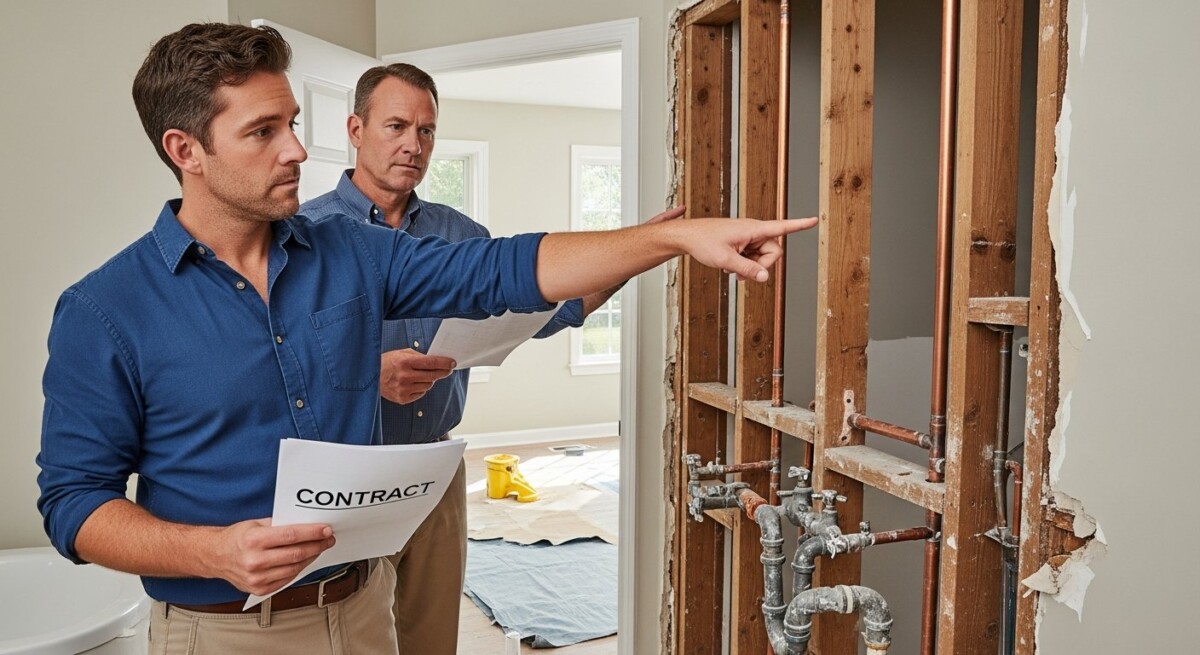
During a bathroom renovation, the contractor discovers dry rot behind the shower wall. The repair requires replacing subfloor and adding a new drain line. The cost increase is $2,500. This is a legitimate overage because the problem was hidden and not part of the original scope. You should ask for a written change order that describes the issue, the work required, and the new total. Most homeowners pay this type of overrun because safety and code compliance are non-negotiable.
Scenario B: Contractor Mistake
The contractor installed the wrong size window and needs to order a replacement. They want you to pay for the new window and the extra labor. This is the contractor’s error. You should not pay for it. Point to the contract specifications and refuse to sign a change order. If the contractor insists, you can pause the project and seek mediation or legal advice.
Scenario C: Scope Creep You Initiated
You asked the contractor to add a skylight after the roof was already opened. The contractor provides a change order for $1,800 including materials and labor. This is a reasonable overrun because you changed the scope. Pay the agreed amount once the change order is signed. To avoid confusion in the future, always request written estimates for any additions before authorizing work.
How to Prevent Budget Overruns Before They Happen
The best way to deal with a contractor exceeding budget is to prevent it from happening in the first place. A little preparation goes a long way.
- Get multiple quotes. Three to four estimates from different contractors let you see the market rate and identify outliers. A bid that is significantly lower than others may be a lowball price that will lead to overruns later.
- Insist on a detailed scope of work. The contract should list every material, finish, brand, and labor task. Vague descriptions like “install tile” invite cost increases. Be specific: “install 12×24 porcelain tile in a running bond pattern, including Schluter trim.”
- Build in a contingency fund. Set aside 10-20% of the project budget for unexpected issues. This buffer protects you from having to borrow or cancel the project mid-way.
- Require a maximum price clause. Ask the contractor to include a guaranteed maximum price or a not-to-exceed clause. This shifts the risk of overruns (except for scope changes) to the contractor.
- Use a digital platform to vet contractors. Platforms that pre-screen contractors and provide reviews help you hire professionals with a track record of accurate estimating. FreeQuotes.Contractors connects you with local pros who have been vetted for reliability and pricing transparency.
Each of these strategies reduces the likelihood of surprise charges. Even with perfect planning, issues can still arise. But when they do, you will have the documentation and the financial cushion to handle them smoothly.
When to Walk Away From a Contractor
There are times when a budget overrun signals a deeper problem. If the contractor refuses to provide written change orders, demands cash payments, or has a history of disputes, it may be time to cut ties. Walking away is not easy, but it can save you from a much larger loss.
Before terminating the contract, review the termination clause. Most contracts allow you to cancel for cause if the contractor breaches terms such as failing to provide proper documentation or exceeding the budget without authorization. Send a written notice explaining why you are ending the agreement and request a final invoice for work completed. You may also want to consult a lawyer if the amount is significant.
Once you have parted ways, you can start fresh with new contractors. Using a lead generation service ensures you receive quotes from multiple pre-qualified professionals who understand the importance of sticking to a budget. This reduces the risk of encountering the same problem twice.
Using Free Quotes to Protect Your Project Budget
The entire process of handling a budget overrun becomes easier when you have access to competitive pricing. FreeQuotes.Contractors helps homeowners get up to four free quotes from local contractors. Here is how that service directly addresses the issue of exceeded budgets:
- Transparency: When you see multiple quotes side by side, you can spot unrealistic low bids and choose a contractor whose pricing aligns with market rates.
- Leverage: If your current contractor tries to increase the price, you can show them a comparable quote from another professional. This often leads to a price adjustment or a compromise.
- Backup plan: If you decide to switch contractors, you already have a list of alternatives who gave you accurate estimates.
Many homeowners who experience a budget overrun wish they had compared more quotes at the start. The service is free and takes only a few minutes to fill out your project details. There is no obligation to hire anyone, and the quotes come from pre-screened local professionals. By using this platform, you gain both information and bargaining power.
Remember: a contractor who exceeds budget without cause is not someone you want to continue working with. The right contractor communicates openly, documents changes, and respects the agreed price. Taking the time to find that contractor through a trusted marketplace is one of the best investments you can make in your home project.
In the end, knowing what happens if contractor exceeds budget equips you to handle the situation with confidence. You have the right to ask questions, demand documentation, and say no to unjustified charges. And if you ever find yourself stuck, you can always get free quotes and start over with a professional who values honesty and transparency.