Average Painting Project Cost: A Homeowner’s Guide to Budgeting
You’ve finally decided it’s time to refresh your living room, or maybe the exterior of your house is starting to look tired and faded. You start thinking about the average painting project cost, and suddenly you’re overwhelmed by a mix of excitement and uncertainty. How much will this really set you back? Will a few gallons of paint and a weekend of work be enough, or are you about to uncover a hidden world of prep work, primer, and professional rates? That initial question about cost is the first step, but ignoring the full picture can lead to wasted money and a finish that doesn’t last.
The problem is that most homeowners only think about the price of paint. They don’t factor in the time, the tools, the surface preparation, or the skill required to get a smooth, long-lasting result. This is where the average painting project cost becomes a crucial number to understand,not to scare you, but to help you plan wisely. If you start without a realistic budget, you might end up with peeling paint, uneven coverage, or a half-finished room that sits untouched for months. Let’s walk through what you really need to know so you can make a confident decision.
Understanding Average Painting Project Cost
At its simplest, the average painting project cost is the total amount you should expect to pay for a professional paint job from start to finish. This includes labor, materials (paint, primer, tape, drop cloths), and any necessary surface repairs. For a typical interior room, homeowners often see costs ranging from $300 to $800, while whole-house interior painting can run between $2,000 and $6,000 or more depending on square footage and ceiling height. Exterior projects are usually higher due to the added labor of ladders and weather-resistant materials.
Why does this cost vary so much? It’s not just about the size of the room. The condition of your walls, the type of paint finish (flat, eggshell, semi-gloss), the number of coats needed, and even the color you choose can all shift the final price. Older homes with layers of old paint or damaged drywall often require more prep work, which adds to the labor time. In our guide on average painting project cost, we explain how to factor in these variables so you aren’t caught off guard.
Homes most affected by unexpected costs are those with textured walls, high ceilings, or intricate trim work. If you have a lot of windows, doors, or built-in shelving, the job becomes more detailed and takes longer. Understanding these factors upfront helps you set a realistic budget and avoid the disappointment of a quote that seems too low,because it usually is.
Why This Matters for Your Home
Getting a handle on the average painting project cost isn’t just about money,it’s about protecting your biggest investment. A poor-quality paint job or a DIY attempt that goes wrong can lead to visible peeling, bubbling, or cracking within a year. That means you’ll be repainting sooner, which actually costs you more in the long run. Worse, moisture can seep through poorly sealed exterior paint, leading to wood rot or mold inside your walls.
Safety is another factor you might not consider. Ladders, high ceilings, and old paint that may contain lead (in pre-1978 homes) pose real risks. Professional painters have the equipment and training to handle these challenges safely. They also carry insurance, so if something goes wrong,like a spill or a fall,you’re not the one paying the medical bills or repairing the damage.
Comfort matters too. A fresh, even coat of paint transforms how a room feels, making it brighter, cleaner, and more inviting. But if the job is rushed or done with cheap materials, you’ll be left with a finish that looks patchy and feels disappointing. Investing in a realistic understanding of cost helps you get the result you actually want, not just a quick fix.
If you notice signs of this issue in your home, it may help to speak with a qualified contractor. Request a free quote or call to explore your repair or remodeling options.
Common Problems Homeowners Experience
Once you start looking into painting projects, you’ll quickly see that the biggest headaches aren’t always about the color. Homeowners often run into unexpected problems that blow their budget and timeline. These issues usually stem from poor surface preparation, outdated materials, or a mismatch between expectations and reality.
For example, you might plan to paint over a dark wall with a light color, only to find it takes three or four coats to cover it properly. Or you might discover that the previous homeowner used glossy paint, and your new matte finish won’t stick without sanding and priming. These aren’t minor annoyances,they can double your paint costs and add days to the project.
- Peeling or flaking paint due to moisture trapped behind the surface
- Uneven color coverage that requires extra coats (and extra paint)
- Cracked caulk or gaps around windows and doors that need patching
- Bubbling paint on walls or ceilings from poor adhesion
- Outdated or lead-based paint that requires special handling and disposal
- Stains from water damage or smoke that bleed through new paint
How Professionals Solve the Problem
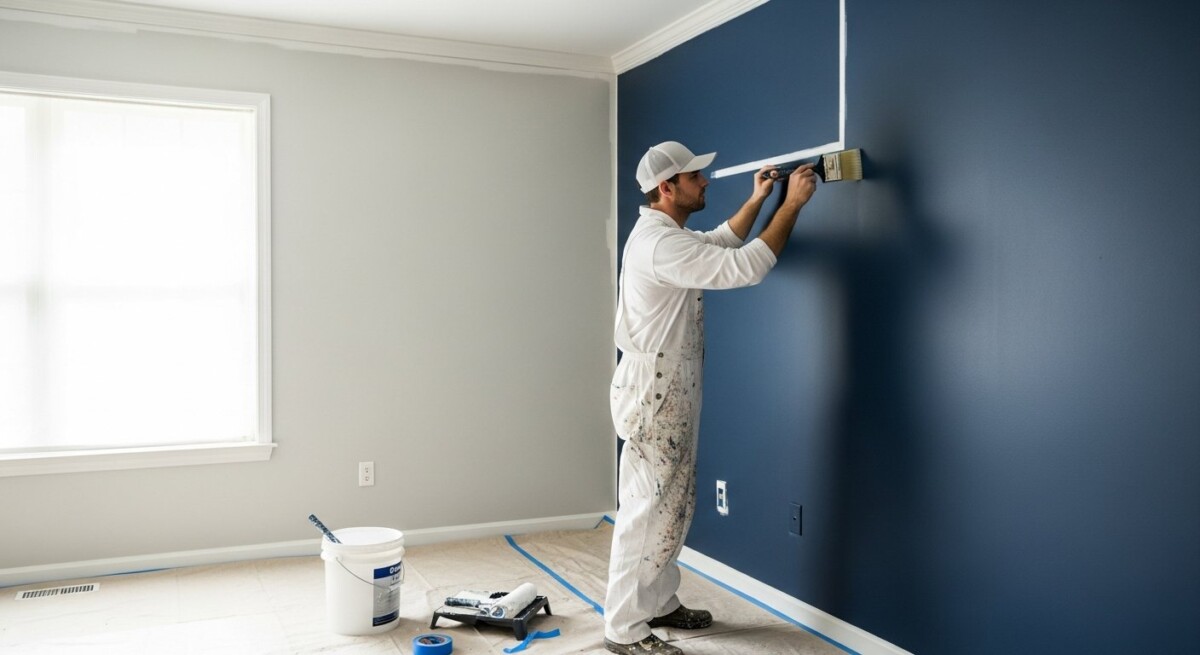
Experienced painters don’t just show up with brushes and rollers,they follow a systematic process that ensures a durable, beautiful finish. This is where the average painting project cost starts to make sense because you’re paying for expertise and efficiency, not just labor. A professional will first inspect your surfaces, identify any repairs needed, and then prepare the area by cleaning, sanding, and priming.
Here’s a typical step-by-step approach you can expect from a quality contractor:
- Inspection and prep: They check for cracks, holes, and stains, and make necessary repairs. Furniture is moved or covered, and floors are protected.
- Cleaning and sanding: Walls are washed to remove dirt and grease, then lightly sanded to help the new paint adhere.
- Priming: A coat of primer seals the surface, covers old colors, and ensures the topcoat goes on evenly.
- Caulking and taping: Gaps are filled with caulk, and trim, windows, and ceilings are carefully taped off for clean lines.
- Painting: Two or more coats of high-quality paint are applied using the right tools for the surface (brush, roller, or sprayer).
- Cleanup and final inspection: All materials are removed, and the contractor walks through with you to ensure you’re satisfied.
DIY attempts often skip critical steps like priming or sanding, which leads to poor results. Professionals also have access to commercial-grade paints and tools that give a smoother finish and last longer. When you consider the time, frustration, and potential for mistakes, the professional route often saves you money in the long run.
A professional inspection can reveal hidden issues before they become expensive repairs. Compare contractor quotes here or call to discuss your project.
Warning Signs You Should Not Ignore
Before you even call a painter, take a walk through your home and look for clues that your surfaces need attention. Catching these early can prevent the average painting project cost from ballooning due to hidden damage. If you ignore them, you might end up paying for drywall repair or mold remediation on top of your paint job.
Pay attention to areas near windows, doors, and bathrooms, where moisture is common. Also, check ceilings for water stains or yellowing, which indicate past leaks that need sealing. These aren’t just cosmetic issues,they can affect your home’s structure and indoor air quality if left untreated.
- Paint that chips or peels easily when you touch it
- Visible cracks in the drywall or plaster
- Stains that keep reappearing after cleaning
- Mold or mildew spots, especially in bathrooms or basements
- Faded or chalking exterior paint that leaves a powdery residue on your hands
- Uneven surfaces where the paint looks bumpy or textured
What Affects the Cost of Repairs or Installation
Several factors influence the final number on your estimate, and understanding them helps you compare quotes more effectively. The average painting project cost isn’t a fixed number,it’s a range that shifts based on your specific situation. Knowing these variables puts you in control.
The size of the project is the obvious starting point. A single accent wall will cost far less than a whole-house repaint. But beyond square footage, the condition of your walls matters most. If you have damaged drywall, old wallpaper to remove, or textured surfaces that need extra work, expect to pay more. The type of paint you choose also plays a role: premium paints cost more per gallon but often cover better and last longer, so they can actually reduce labor time.
- Square footage: Larger rooms and higher ceilings increase labor and material costs.
- Surface condition: Cracks, holes, and stains require patching and sanding.
- Paint quality: Budget paints may need more coats; premium paints offer better coverage.
- Accessibility: Hard-to-reach areas like vaulted ceilings or stairwells add time and require special equipment.
- Number of colors: Multiple colors or intricate trim work increases labor and taping time.
- Prep work: Removing old wallpaper, cleaning mold, or priming stained surfaces adds to the cost.
Costs can vary depending on the condition of your home. The best way to know the price is to get a personalized estimate. Request free quotes from contractors or call today.
How to Choose the Right Contractor
Selecting the right painter is just as important as understanding the average painting project cost. A great contractor will give you a fair price, show up on time, and deliver a finish that lasts for years. A bad one can leave you with a mess, a blown budget, and a lot of regret. Here’s how to vet your options.
Start by asking for recommendations from neighbors or friends who’ve had recent work done. Then, get at least three quotes from licensed, insured contractors. Don’t automatically go with the lowest bid,sometimes it means they’re cutting corners on prep or using cheap materials. Instead, compare what’s included in each estimate and ask questions about the process.
- Verify their license and liability insurance (ask for proof).
- Read online reviews on Google, Yelp, or the Better Business Bureau.
- Ask for a detailed written estimate that lists paint brands, number of coats, and prep work.
- Request references from recent projects similar to yours.
- Confirm they offer a warranty or guarantee on their work.
Long-Term Benefits of Professional Work
Investing in a professional paint job isn’t just about how it looks on day one,it’s about how it holds up over time. The average painting project cost might feel like a significant expense upfront, but think of it as an investment in your home’s value and your own peace of mind. A quality paint job can last 5 to 10 years for interiors and 3 to 7 years for exteriors, depending on climate and wear.
Beyond durability, professional work improves energy efficiency. Properly sealed exterior paint helps insulate your home and prevents drafts, while fresh paint inside can reduce the need for frequent cleaning and repainting. And when it comes time to sell, a well-maintained home with fresh, neutral paint often sells faster and at a higher price. Buyers see it as a sign that the home has been cared for.
Finally, you gain time and reduce stress. Instead of spending weekends climbing ladders and cleaning brushes, you can enjoy your space right away. Professional painters handle all the messy work, from moving furniture to cleaning up, so you can focus on what matters to you.
How much does it cost to paint a 12×12 room?
For a standard 12×12 bedroom, the average painting project cost ranges from $350 to $800. This includes labor, primer, and two coats of paint. The price depends on ceiling height, wall condition, and whether you need trim or ceiling painting.
Is it cheaper to paint my own house or hire a professional?
DIY painting can be cheaper if you already own quality tools and have the time and skill. However, when you factor in paint, brushes, rollers, tape, drop cloths, and your own labor, the savings shrink. Professionals often get paint at a discount and work faster, so the final cost is often comparable,but the quality is usually higher.
What is the average cost to paint the interior of a 2000 sq ft house?
For a 2,000-square-foot home, expect to pay between $3,000 and $5,500 for a full interior paint job. This estimate assumes standard 8-foot ceilings, moderate wall condition, and a single color. Larger homes or those with high ceilings will cost more.
How much does it cost to paint exterior of a 1500 sq ft house?
The average painting project cost for a 1,500-square-foot exterior is typically $2,500 to $4,500. Factors like siding material (wood, brick, stucco), number of stories, and trim complexity all affect the final price. A professional will also include power washing and caulking.
Does the color of paint affect the cost?
Yes, it can. Dark or vibrant colors often require more coats to cover properly, which increases labor and paint usage. Some paint brands also charge more for certain pigments. Neutral, light colors tend to be the most cost-effective choices.
How long does a professional interior paint job take?
A single room usually takes one to two days. A whole-house interior job can take three to five days, depending on the size and complexity. Professionals work quickly because they have the right tools and experience, so they can complete the job in less time than a DIYer.
What is included in a painting estimate?
A detailed estimate should include prep work (cleaning, sanding, patching), primer, two coats of paint, caulking, cleanup, and any necessary repairs. It should also list the paint brand and finish. If it doesn’t include these items, ask for clarification before agreeing.
Do I need to move furniture before the painter arrives?
Most professional painters will move small furniture and cover larger pieces with plastic. However, it’s helpful if you clear the room of breakables and small items beforehand. This saves time and reduces the risk of damage.
Understanding the average painting project cost is the first step toward a successful home improvement. By planning ahead, recognizing warning signs early, and working with a qualified contractor, you can avoid costly mistakes and enjoy a finish that lasts. Don’t let uncertainty hold you back,compare quotes from trusted professionals to find the best value for your home.