Best Way to Compare Contractor Bids for Your Home Project

You finally decided to remodel the kitchen, replace the roof, or finish the basement. You called three contractors, sat through estimates, and now you have three different numbers staring back at you. One bid is thousands of dollars lower than the others, and you wonder: Is that a great deal or a red flag? This is the exact moment when knowing the best way to compare contractor bids can save you money, stress, and future headaches. Without a clear comparison method, you risk picking the wrong pro,or worse, facing hidden costs and shoddy work that could damage your home.
Understanding the Best Way to Compare Contractor Bids
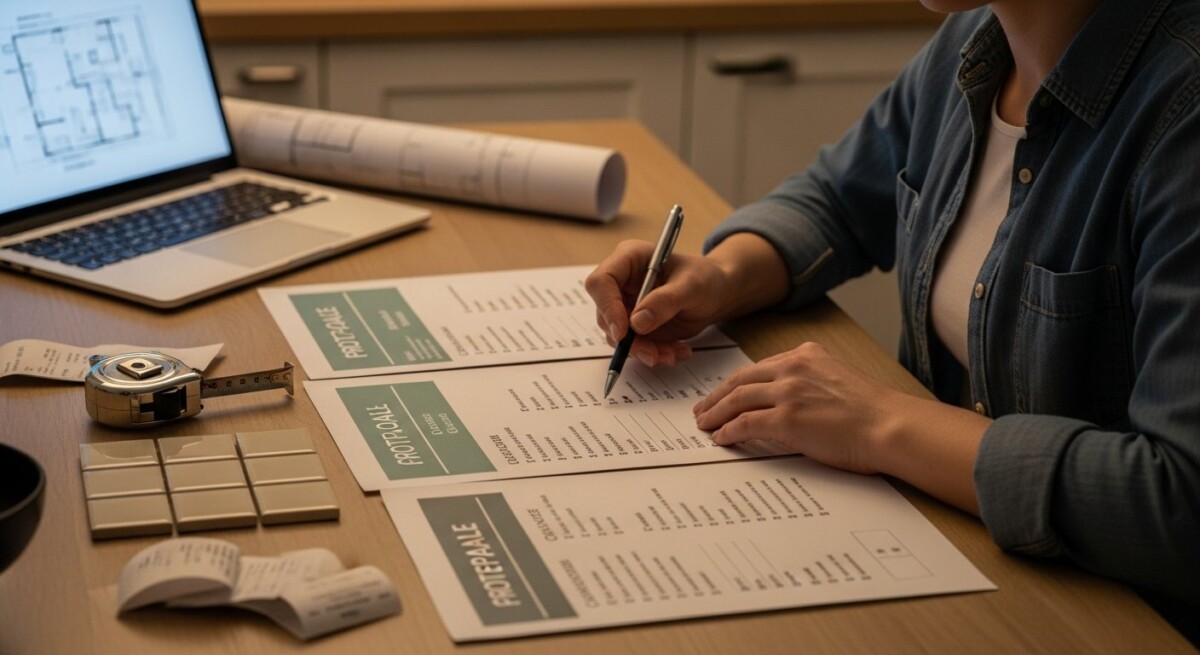
Comparing contractor bids isn’t just about looking at the bottom line. It’s about understanding what each bid includes, what it leaves out, and how the contractor plans to do the work. The goal is to find the best value,not necessarily the lowest price.
Homeowners often receive bids that look identical on the surface but differ in materials, scope, warranties, and timelines. For example, one roofer might include premium shingles and a 10-year workmanship guarantee, while another uses budget materials and offers only a one-year warranty. Without a side-by-side comparison, you could choose a cheap bid that costs you more in repairs later.
Homes of any age can benefit from careful bid comparison, but older homes or properties with previous DIY repairs are especially prone to surprises. The best approach is to standardize the bids by asking each contractor to quote on the same detailed scope of work.
Why This Matters for Your Home
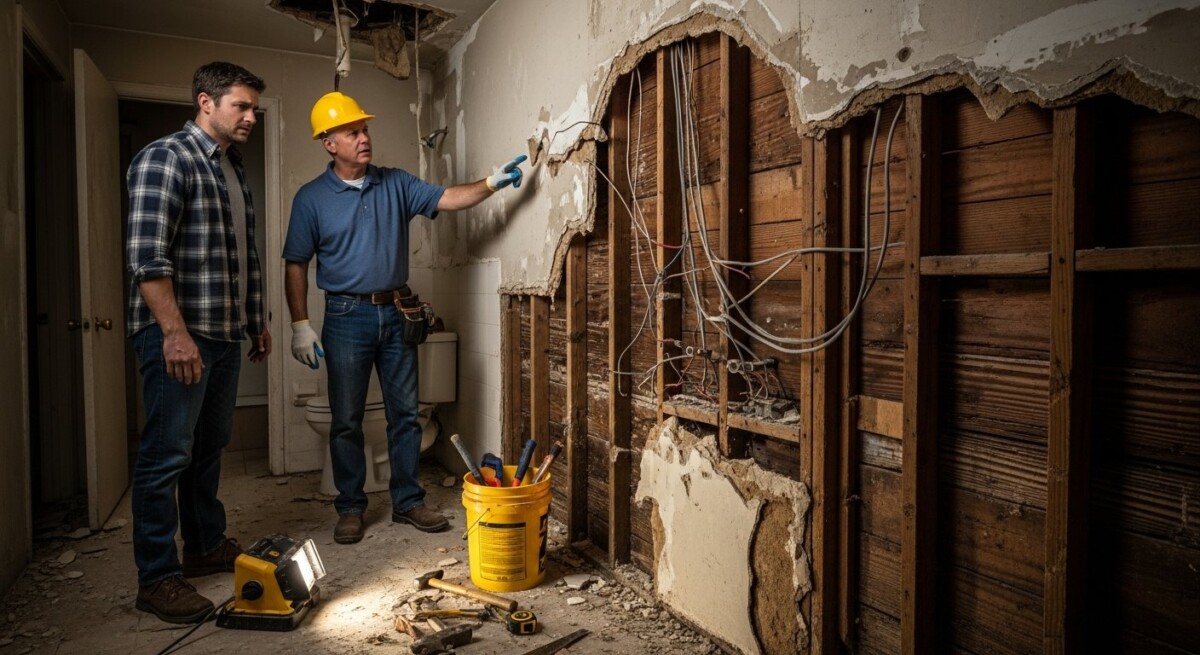
Choosing the wrong contractor,or skipping a proper bid comparison,can lead to real consequences. Poor workmanship may cause structural issues, water damage, or safety hazards like faulty wiring. What starts as a $5,000 bathroom remodel could turn into a $15,000 repair job if the foundation gets compromised.
Your home is likely your largest investment. Every renovation or repair affects its value, comfort, and safety. A well-executed project increases resale value and lowers energy bills. A poorly done one does the opposite. Taking the time to compare bids properly protects both your wallet and your peace of mind.
Delaying a project because you’re overwhelmed by bids is also risky. Minor issues like a small leak or cracked driveway only get worse with time. The longer you wait, the more expensive the fix becomes.
If you notice signs of this issue in your home, it may help to speak with a qualified contractor. Request a free quote or call 1-800-555-0199 to explore your repair or remodeling options.
Common Problems Homeowners Experience
Homeowners often run into the same pitfalls when comparing bids. One common problem is receiving vague estimates that say things like “install flooring” without specifying the type of material, square footage, or labor charges. This makes it impossible to compare apples to apples.
Another issue is the “lowball” bid,a price that seems too good to be true. Some contractors intentionally underbid to get the job, then add surprise charges later for things like permits, disposal fees, or material upgrades. Others may skip important steps like pulling permits or following building codes, which can lead to fines or failed inspections.
Here are typical problems homeowners face when comparing bids:
- Bids that list different materials or brand names
- Estimates that exclude taxes, permits, or disposal fees
- Vague timelines or no start and completion dates
- Missing warranty information on labor and materials
- Contractors who pressure you to sign immediately
- Bids that don’t specify payment schedules or lien waivers
How Professionals Solve the Problem
Experienced contractors know that clear, detailed bids build trust. They provide written estimates that break down every cost,materials, labor, permits, cleanup, and warranty. They also explain the process step by step, so you know exactly what to expect.
Here is a typical process a professional contractor follows when bidding and executing a project:
- On-site inspection: The contractor visits your home to measure, assess conditions, and identify potential challenges.
- Detailed written estimate: You receive a bid with itemized costs, material specifications, and a clear scope of work.
- Permits and approvals: The contractor pulls necessary permits and ensures the work meets local building codes.
- Scheduled work: A timeline is set with start and completion dates, including milestones for larger projects.
- Quality control: The crew follows safety protocols and industry best practices, with a project manager supervising.
- Final walkthrough: After completion, you inspect the work, and the contractor addresses any concerns before final payment.
Professional work is safer and more reliable than DIY because licensed contractors carry insurance, have years of experience, and stand behind their work with warranties. They also handle unexpected issues,like hidden water damage behind a wall,without derailing the budget.
A professional inspection can reveal hidden issues before they become expensive repairs. Compare contractor quotes here or call 1-800-555-0199 to discuss your project.
Warning Signs You Should Not Ignore
Spotting early warning signs can help you avoid a bad contractor or a poorly planned project. Trust your gut,if something feels off during the bidding process, it probably is. For example, a contractor who refuses to put the estimate in writing or demands a large deposit upfront is a major red flag.
Also watch for bids that are significantly lower than others without a clear reason. While everyone loves a deal, a rock-bottom price often means corners will be cut. On the flip side, a bid that’s much higher may indicate the contractor doesn’t really want the job and is pricing themselves out.
Watch for these warning signs when reviewing contractor bids:
- The bid is handwritten or lacks your name and property address
- No mention of permits, inspections, or building codes
- The contractor asks for more than 10% deposit upfront (or full payment before work begins)
- No proof of liability insurance or workers’ compensation
- The contractor pressures you to decide on the spot
- Negative reviews or no online presence at all
What Affects the Cost of Repairs or Installation
Several factors influence the final price of a home improvement project. Understanding these can help you evaluate bids more realistically. The size and complexity of the job are the biggest drivers,a full kitchen remodel costs more than a simple cabinet refacing because of the labor and materials involved.
Material quality also plays a major role. Choosing solid hardwood over laminate flooring, or premium windows over standard ones, can double the material cost. Labor rates vary by region and by the contractor’s experience level. Accessibility matters too,a roof with a steep pitch or a bathroom on the third floor may require extra safety equipment and time.
Finally, the age and condition of your home can add costs. Older homes may have outdated wiring, asbestos, or lead paint that must be handled by specialists. During the bid comparison, ask each contractor to note these factors so you understand why prices differ.
Costs can vary depending on the condition of your home. The best way to know the price is to get a personalized estimate. Request free quotes from contractors or call 1-800-555-0199 today.
How to Choose the Right Contractor
Selecting a contractor isn’t just about price,it’s about trust, communication, and reliability. Start by verifying that each contractor is licensed and insured. A valid license shows they meet state requirements, and insurance protects you if someone gets hurt on your property.
Read online reviews on platforms like Google, Yelp, or the Better Business Bureau. Look for patterns: do past clients mention consistent communication, clean worksites, and finishing on time? Avoid contractors with multiple complaints about unfinished work or unexpected charges.
Follow these tips to choose the right pro for your project:
- Ask for at least three written bids based on the same scope of work
- Check licenses and insurance before signing anything
- Read recent reviews and ask for references from similar projects
- Confirm the contractor has experience with your specific project type (e.g., bathroom remodel, roof replacement)
- Get everything in writing, including payment schedule, timeline, and warranty details
Long-Term Benefits of Professional Work
Hiring a qualified contractor pays off for years to come. Professional installations are safer,whether it’s a gas line for a new stove or a structural beam for a wall removal. You also get better durability: quality materials and proper techniques mean your new deck, roof, or bathroom will last longer and require fewer repairs.
Energy efficiency is another major benefit. A professional window installation or attic insulation upgrade can lower your monthly utility bills. Over time, those savings can offset the cost of the project itself. Plus, a well-done renovation adds real resale value when you decide to sell your home.
Finally, professional work reduces future maintenance. When a contractor uses the right sealants, flashing, or fasteners, you spend less time patching leaks or fixing squeaky floors. That peace of mind is worth the investment.
How do I compare contractor bids when they list different materials?
Ask each contractor to quote using the same material specifications. If one uses premium shingles and another uses budget ones, request a revised bid with comparable materials. This lets you compare prices fairly.
Should I always choose the lowest bid?
No. The lowest bid often cuts corners on materials, labor, or permits. Instead, look for the best value,a fair price with clear scope, good reviews, and a solid warranty.
What should a contractor bid include?
A thorough bid includes a detailed scope of work, materials list, labor costs, permits, timeline, payment schedule, and warranty information. Avoid bids that are vague or handwritten.
How many contractor bids should I get?
Three is the standard number. Getting at least three bids gives you a good sense of the market rate and helps you spot outliers that are too high or too low.
What is a bid bond and do I need one?
A bid bond guarantees that the contractor will honor their bid price if selected. It’s more common on large projects like new construction. For most home repairs, a written estimate and signed contract are sufficient.
Can I negotiate with a contractor after receiving a bid?
Yes, but focus on scope rather than price. Ask if they can use a slightly less expensive material or reduce the project size to meet your budget. Avoid asking for a straight discount, which may lead to cut corners.
What if one contractor’s bid is much higher than the others?
Ask that contractor to explain the difference. A higher bid may reflect premium materials, better warranties, or more thorough prep work. If the explanation makes sense, it could be the best choice.
How do I verify a contractor’s license and insurance?
Ask for their license number and insurance certificate. You can verify the license through your state’s contractor licensing board. Call the insurance agent listed on the certificate to confirm coverage is active.
Comparing contractor bids doesn’t have to be overwhelming. By standardizing the scope, checking credentials, and looking beyond the price, you can choose a contractor who delivers quality work that protects your home and budget. Start your project the right way,compare contractor quotes today and get the clarity you need to move forward confidently.