Can Contractor Price Change After Estimate? What Homeowners Must Know
You’ve finally decided to remodel your bathroom or replace your roof. You get an estimate from a contractor, feel relieved by the price, and give the green light. Then the invoice arrives,and it’s hundreds or even thousands of dollars more than you expected. Your stomach drops. Can a contractor legally change the price after giving you an estimate? The short answer is yes, under certain conditions,but there are important protections you need to know about. Understanding can contractor price change after estimate scenarios helps you avoid budget surprises and choose a professional you can trust.
Understanding Can Contractor Price Change After Estimate
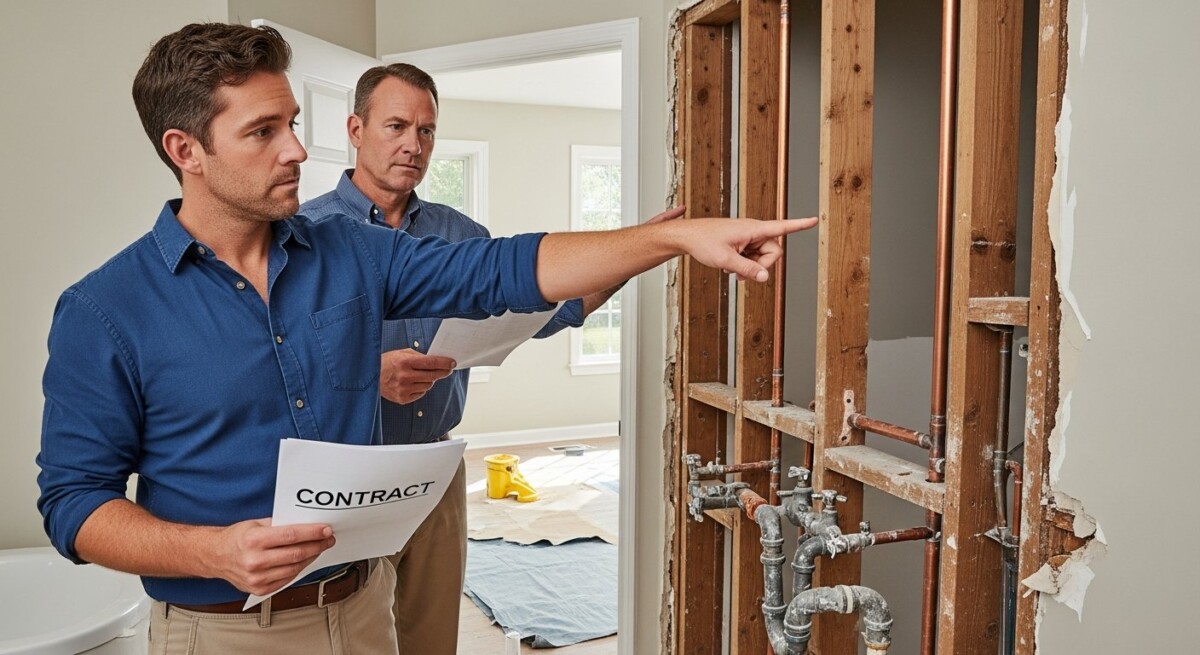
In simple terms, an estimate is a contractor’s best guess at what a project will cost. It’s not a legally binding contract unless both parties sign a fixed-price agreement. Many homeowners assume an estimate is a locked-in price, but contractors often include disclaimers that allow adjustments if unexpected issues arise.
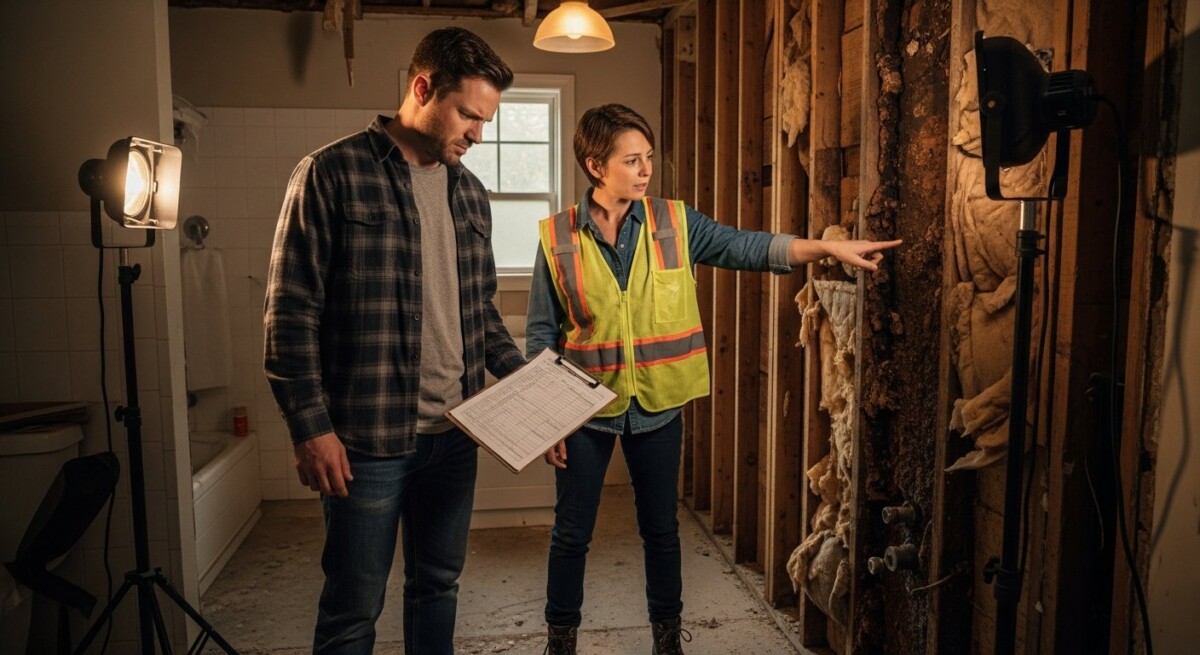
Price changes typically happen when the contractor discovers hidden problems,like rot behind a wall, outdated wiring, or structural damage,that weren’t visible during the initial inspection. Older homes are especially prone to these surprises because building codes and materials have changed over time. Even new construction can have issues like incorrect measurements or supply-chain price hikes.
Fixed-Price vs. Time-and-Materials Contracts
The type of contract you sign determines how much the price can change. A fixed-price contract locks in the total cost, protecting you from increases unless you request additional work. A time-and-materials contract charges you for actual labor and materials, which means the final price can vary. Always ask which type of contract you’re signing before work begins.
Why This Matters for Your Home
Unexpected price changes aren’t just a budget headache,they can derail your entire project. If you’ve planned your finances around a specific estimate, a sudden increase can force you to pause work, take out loans, or settle for lower-quality materials. In the worst cases, homeowners abandon projects halfway through, leaving their home unsafe or incomplete.
Beyond the financial hit, price changes often signal poor communication or hidden problems. A contractor who raises prices without clear explanation may be cutting corners or passing on their own inefficiencies to you. Over time, ignoring these red flags can lead to shoddy work, safety hazards, and reduced home value.
If you notice signs of this issue in your home, it may help to speak with a qualified contractor. Request a free quote or call to explore your repair or remodeling options.
Common Problems Homeowners Experience
Price changes often stem from real-world problems that contractors uncover once work starts. You might discover rotten subflooring during a bathroom remodel, or find that your roof decking needs full replacement instead of partial repair. These issues aren’t the contractor’s fault, but how they handle them makes all the difference.
Homeowners also run into trouble when contractors give vague estimates that don’t itemize costs. Without a detailed breakdown, you have no way to verify whether a price increase is fair. Some less reputable contractors even lowball estimates to win your business, then pile on charges later,a practice called “bait and switch.”
- Hidden water damage found after demolition begins
- Outdated electrical or plumbing that doesn’t meet current codes
- Material price increases between estimate and installation
- Structural issues like sagging beams or foundation cracks
- Permit fees or inspection costs not included in the original estimate
- Scope creep,adding small extras that add up quickly
How Professionals Solve the Problem
Experienced contractors minimize price changes by conducting thorough inspections before giving an estimate. They look behind walls, check attics and crawlspaces, and test systems like HVAC and plumbing. This upfront diligence helps them spot potential issues early and include realistic contingencies in their price.
When unexpected problems do arise, professional contractors follow a clear process. First, they stop work and explain what they found. Then they provide a written change order detailing the extra cost and why it’s necessary. You have the right to approve or decline the change before any additional work begins.
- Initial inspection and measurement of the project area
- Detailed written estimate with itemized costs and contract type
- Discovery of unforeseen issue during demolition or installation
- Contractor pauses work and presents a written change order
- Homeowner reviews, approves, or negotiates the change
- Work resumes only after both parties sign the updated agreement
A professional inspection can reveal hidden issues before they become expensive repairs. Compare contractor quotes here or call to discuss your project.
Warning Signs You Should Not Ignore
Spotting red flags early can save you from price shock later. Pay attention to how a contractor communicates during the estimate process. If they rush through the inspection, avoid answering questions, or refuse to put details in writing, those are warning signs. A trustworthy contractor welcomes transparency.
Another major red flag is an estimate that seems too good to be true. Extremely low bids often mean the contractor plans to cut corners or add charges later. Compare multiple estimates to see what’s reasonable for your area and project type. In our guide on can contractor price change after estimate, we explain how to spot bait-and-switch tactics.
- Contractor refuses to provide a written estimate
- Estimate is significantly lower than other quotes
- No mention of permits or inspections in the proposal
- Contractor asks for large upfront payment before work starts
- Vague language like “subject to change” without specific conditions
- Pressure to sign immediately or “today only” discounts
What Affects the Cost of Repairs or Installation
Several factors influence how much your project will cost,and how likely the price is to change. The size and complexity of the job play the biggest role. A simple paint job rarely has surprises, but a kitchen remodel that involves moving plumbing and electrical lines has many variables. Materials also matter: custom tiles or specialty fixtures may have longer lead times and higher price volatility.
Labor costs vary by region and season. During peak construction months, contractors may charge more or have less flexibility. Accessibility is another factor,if workers need to navigate tight crawlspaces or work around furniture, the job takes longer and costs more. Older homes often require extra time to bring systems up to current code.
Costs can vary depending on the condition of your home. The best way to know the price is to get a personalized estimate. Request free quotes from contractors or call today.
How to Choose the Right Contractor
Choosing the right contractor is your best defense against unexpected price changes. Start by asking for recommendations from neighbors or friends who’ve had similar work done. Then research each candidate online,look for consistent positive reviews and a history of completed projects like yours.
Once you’ve narrowed your list, interview at least three contractors. Ask how they handle unforeseen issues and request a sample change order so you know what to expect. A professional who communicates clearly upfront is more likely to be transparent when surprises arise.
- Verify license and insurance with your state’s licensing board
- Read reviews on Google, Yelp, and the Better Business Bureau
- Ask for at least three references from recent similar projects
- Get detailed written estimates that itemize labor, materials, and permits
- Compare at least three quotes before making a decision
Long-Term Benefits of Professional Work
Hiring a professional contractor isn’t just about avoiding price changes,it’s about protecting your biggest investment: your home. Professional work is safer, lasts longer, and often comes with warranties that cover both materials and labor. If something goes wrong after installation, you have recourse without paying again.
Quality work also boosts your home’s resale value. Buyers and appraisers look for permits, professional finishes, and code-compliant installations. A remodel done right can recoup 60,80% of its cost when you sell, while shoddy work can actually decrease value. Investing in professional help today saves you money and stress tomorrow.
How to handle a price increase you disagree with
If a contractor raises the price and you believe it’s unfair, start by reviewing your contract. Look for clauses about change orders, material price fluctuations, and scope changes. If the increase isn’t justified, request a meeting to discuss it,sometimes a simple conversation resolves misunderstandings. You can also contact your state’s contractor licensing board or file a complaint with the Better Business Bureau if the contractor refuses to honor the original agreement.
Can a contractor charge more after work is done?
Generally, no,unless your contract allows for post-completion adjustments. Most contracts require change orders to be approved before additional work begins. If a contractor completes the job and then sends a higher invoice without prior approval, you have grounds to dispute it. Always get changes in writing before work continues to protect yourself from after-the-fact charges.
What’s the difference between an estimate and a quote?
An estimate is a rough approximation of costs, often non-binding. A quote is a specific price that the contractor agrees to honor for a defined period. Quotes are more reliable but may still have expiration dates or conditions. When comparing bids, ask contractors whether they’re providing an estimate or a fixed quote, and get the answer in writing.
How much should I budget for unexpected costs?
Industry experts recommend setting aside 10,20% of your total project budget for unforeseen expenses. For older homes or complex remodels, lean toward 20%. This contingency fund covers surprises like hidden damage, material price increases, or code upgrades without forcing you to pause the project or go into debt.
Should I pay a deposit before work starts?
Small deposits are normal, but be cautious of contractors who ask for more than 10,20% upfront. In many states, contractors are legally limited in how much they can collect before starting work. Pay by credit card when possible,it gives you additional fraud protection. Never pay the full amount until the job is complete and you’ve inspected the work.
Can I negotiate a price increase with my contractor?
Yes,you can always negotiate. If a contractor presents a change order for an unexpected issue, ask if they can reduce their markup on materials or use a less expensive alternative that still meets code. Many reputable contractors are willing to work with you to keep the project moving, especially if you’ve been a reasonable client throughout the process.
Understanding can contractor price change after estimate helps you approach home improvement projects with confidence. By choosing the right contractor, getting everything in writing, and budgeting for surprises, you protect your home and your wallet. The best way to start is by comparing quotes from multiple professionals. Learn more about protecting your budget and find trusted contractors in your area.