Can You Renegotiate a Contractor Contract? A Homeowner’s Guide
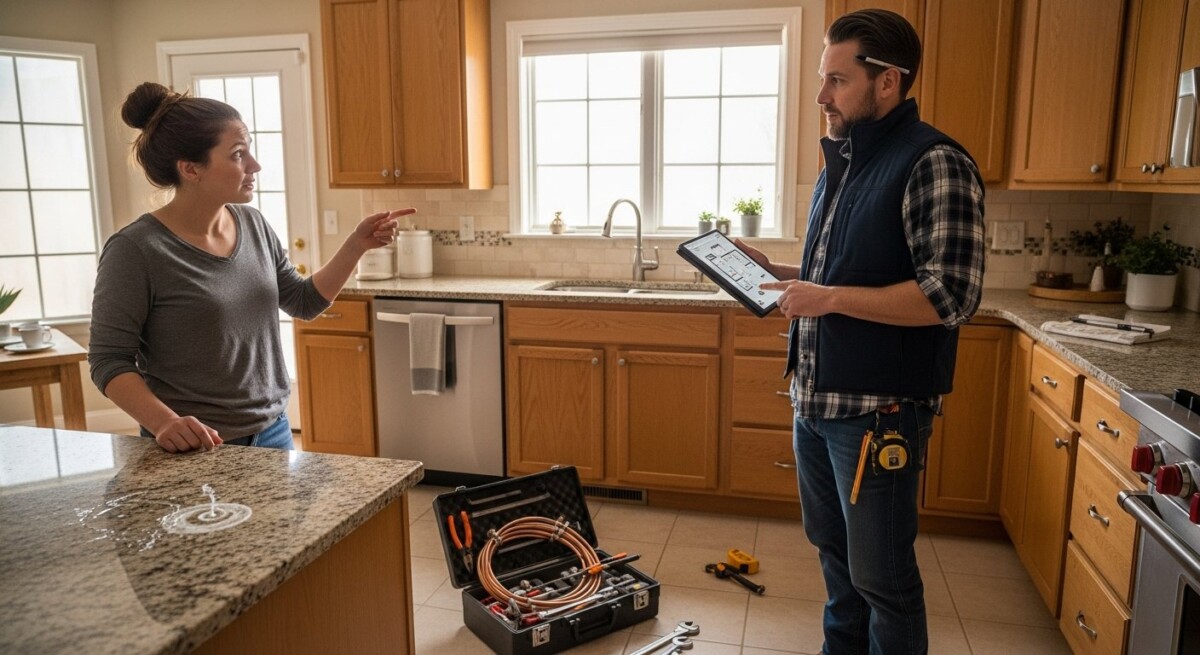
You signed a contract with a contractor, but now the scope of work has changed. Maybe you discovered unexpected rot behind a wall, or the initial quote feels higher than other bids you’ve seen since. You’re wondering, can you renegotiate a contractor contract after it’s been signed? This situation is more common than most homeowners realize, and ignoring it can lead to budget overruns, stalled projects, or legal headaches. The good news is that, in many cases, you can renegotiate,if you approach it the right way.
Understanding Can You Renegotiate a Contractor Contract
A contractor contract is a legally binding agreement, but it isn’t set in stone. Renegotiation simply means both parties agree to modify certain terms,such as price, timeline, or scope of work,after the original contract is signed. This happens most often when unforeseen conditions arise, like hidden water damage or changes in material availability.
Homes that are older or have a history of DIY repairs are especially prone to these surprises. If you’re planning a major remodel, such as a bathroom or basement renovation, you’re more likely to encounter situations where renegotiation becomes necessary. Understanding your rights and the contract’s change-order clause is the first step to protecting your investment.
For a deeper look at how contracts work and what you can do when things shift, check out our guide: Can You Renegotiate a Contractor Contract? A Homeowner’s Guide.
Why This Matters for Your Home
If you ignore the need to renegotiate, you risk paying for work you didn’t authorize or getting stuck with incomplete work. More importantly, unresolved contract issues can lead to safety hazards,a contractor might cut corners to stay under budget, or you might skip necessary repairs to avoid a price increase.
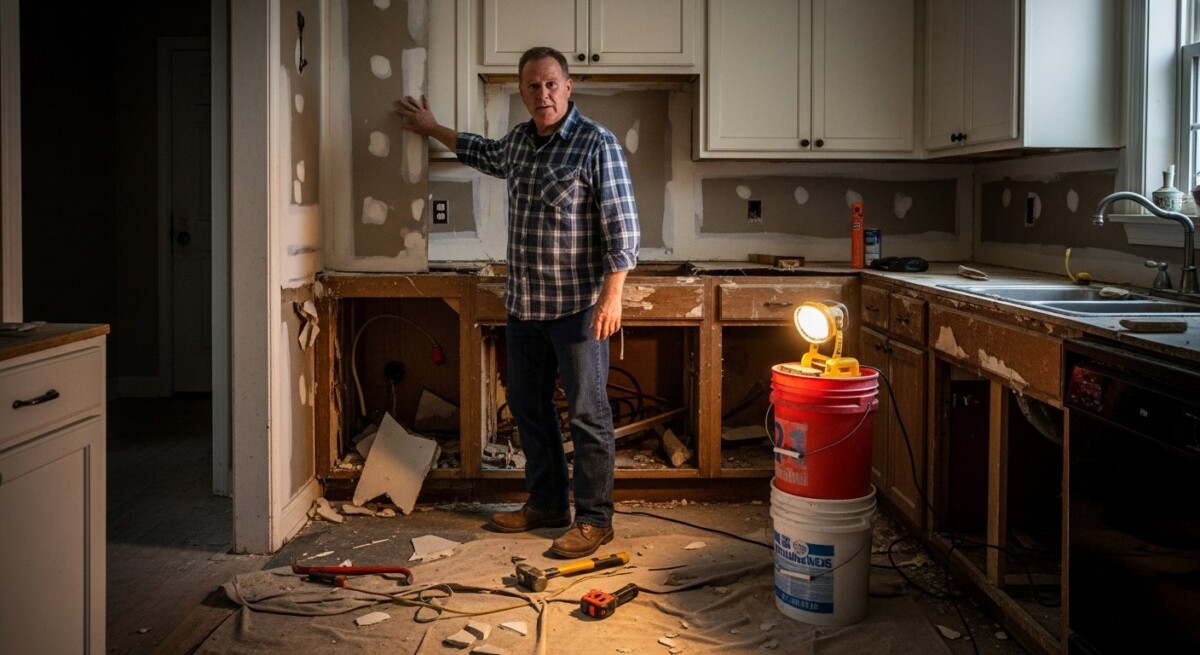
Delaying a conversation about renegotiation often makes problems worse. For example, a small leak behind a shower wall can become mold remediation costing thousands. Taking the time to revisit the contract protects your property value and ensures your home remains safe and comfortable.
If you notice signs of this issue in your home, it may help to speak with a qualified contractor. Request a free quote or call to explore your repair or remodeling options.
Common Problems Homeowners Experience
Homeowners often discover the need to renegotiate mid-project. Maybe the contractor finds outdated wiring that must be brought to code, or you decide to upgrade materials after seeing samples. These changes are normal, but they can strain your budget if not handled formally.
Typical issues include unexpected structural problems, permit delays, or disagreements over payment schedules. Without a renegotiation, you may end up with a project that’s over budget, behind schedule, or incomplete.
- Hidden water or mold damage discovered during demolition
- Outdated electrical or plumbing that requires code upgrades
- Material price increases due to supply chain issues
- Scope creep where additional work is verbally requested but not documented
- Timeline delays caused by weather or permit holdups
- Disagreements over the quality of work or change-order costs
How Professionals Solve the Problem
Experienced contractors handle renegotiation as a standard part of business. They expect change orders and will work with you to document new terms in writing. A professional will explain why the change is needed, provide a clear cost breakdown, and offer options,not ultimatums.
Here is the typical process a reputable contractor follows when renegotiating:
- Identify the change: The contractor explains the new condition or request.
- Provide a written change order: This includes updated scope, cost, and timeline.
- Discuss alternatives: You can choose to approve, adjust, or decline the change.
- Sign the change order: Both parties agree in writing before work continues.
Relying on a professional ensures the renegotiation is fair, transparent, and legally sound. DIY renegotiation without documentation can lead to disputes or liens against your home.
A professional inspection can reveal hidden issues before they become expensive repairs. Compare contractor quotes here or call to discuss your project.
Warning Signs You Should Not Ignore
Recognizing early warning signs can help you renegotiate before work spirals out of control. If a contractor tells you “we’ll figure it out later” or avoids putting changes in writing, that’s a red flag. Your contract should always reflect current expectations.
Pay attention to these signs that renegotiation may be needed:
- You receive verbal requests for extra payments without a written change order
- The original quote was significantly lower than other bids you received
- Work is progressing slower than the timeline in your contract
- The contractor asks you to sign a lien waiver before work is complete
- You notice materials or finishes that differ from what you selected
- There is no clear process for handling changes in the original contract
Addressing these signs early,ideally within days of noticing them,gives you the best chance of a fair resolution.
What Affects the Cost of Repairs or Installation
The cost of renegotiating a contract,or the cost of the changes themselves,depends on several factors. The size of the project matters: a small bathroom remodel will have fewer variables than a whole-house renovation. Material choices also drive costs; upgrading from laminate to hardwood can add thousands.
Labor requirements and accessibility play a role too. If your home has plaster walls instead of drywall, or if the work area is in a tight crawlspace, expect higher costs. Older homes often require more expensive structural or code-compliance work.
Costs can vary depending on the condition of your home. The best way to know the price is to get a personalized estimate. Request free quotes from contractors or call today.
How to Choose the Right Contractor
Selecting a contractor who handles renegotiation professionally can save you stress and money. Look for someone who communicates clearly, provides detailed written estimates, and has experience with projects similar to yours. A good contractor will welcome your questions about the contract.
Here are tips for choosing a reliable contractor:
- Check that the contractor is licensed and insured in your state
- Read recent online reviews, especially about communication and change orders
- Ask for a detailed written estimate that lists materials, labor, and permits separately
- Get at least three quotes so you can compare pricing and scope
- Confirm the contractor has experience with your specific type of project (e.g., bathroom remodeling, basement finishing)
Taking these steps upfront reduces the likelihood of needing a major renegotiation later.
Long-Term Benefits of Professional Work
When you work with a professional contractor and handle renegotiation properly, the benefits last for years. Your home will be safer,electrical and structural work will meet code. The finishes will hold up better, saving you from repairs in the near future.
Professional work also boosts your home’s resale value. Buyers are more confident when they see permits were pulled and work was done by a licensed contractor. Energy-efficient upgrades installed correctly can lower your utility bills every month.
Finally, a well-managed project with clear contracts means less stress. You’ll know exactly what was agreed upon, what was paid, and what was completed. That peace of mind is worth the upfront effort of choosing the right professional.
Frequently Asked Questions
Can I renegotiate a contract after signing?
Yes, you can renegotiate a contractor contract after signing, but both parties must agree to the changes. Always put any renegotiated terms in writing as a formal change order. Verbal agreements are difficult to enforce and can lead to disputes.
What is a change order in a contractor contract?
A change order is a written document that modifies the original contract. It outlines the new scope of work, adjusted price, and revised timeline. Change orders protect both you and the contractor by keeping everyone on the same page.
How do I start a renegotiation with my contractor?
Start by reviewing your original contract, especially the change-order clause. Then schedule a calm, honest conversation with your contractor. Explain why you need to renegotiate,whether it’s a budget concern or a change in scope,and ask them to provide a written proposal.
What if my contractor refuses to renegotiate?
If your contractor refuses to renegotiate and the project is stalling, you may need to consult a lawyer who specializes in construction law. In some cases, you can terminate the contract if the contractor fails to perform. Always get legal advice before taking that step.
Can renegotiating a contract affect my payment schedule?
Yes, renegotiating often changes the payment schedule. For example, if you add more work, the contractor may require a larger upfront deposit or progress payments. Make sure any new payment terms are included in the change order.
Is it common to renegotiate a contractor contract?
It is very common, especially in remodeling projects where hidden conditions are discovered. Professional contractors expect to handle change orders and renegotiations as part of the job. The key is to document everything in writing.
How do I avoid needing to renegotiate in the future?
To minimize the need for renegotiation, get multiple detailed quotes before starting, ask your contractor to inspect the work area thoroughly, and include a contingency budget (typically 10,20% of the project cost) for unexpected issues.
Can I renegotiate if I find a cheaper contractor later?
You can ask, but the contractor is not obligated to lower their price just because you found a cheaper bid. However, if you are considering switching contractors, review your contract’s cancellation clause carefully before making a change.
Renegotiating a contractor contract doesn’t have to be intimidating. By understanding your rights, communicating openly, and documenting every change, you can keep your project on track and your budget intact. The best way to start any project is with a solid contract and a contractor you trust. If you’re planning a home improvement project, take the time to compare quotes from multiple professionals,it’s the smartest way to protect your home and your wallet.