Flooring Upgrade Cost Estimator: Plan Your Home Renovation Budget
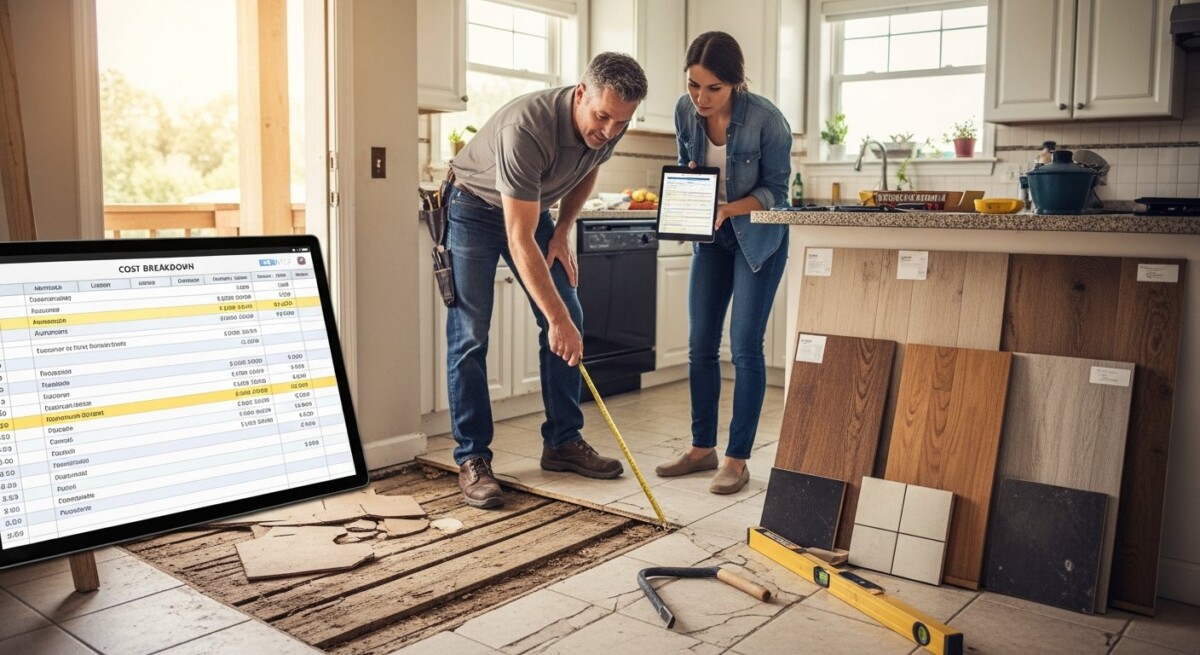
You walk into your living room and notice the worn spot near the sofa. Maybe the tile in the kitchen has a hairline crack, or the laminate in the hallway is starting to buckle. These small imperfections might seem like minor annoyances, but they often signal deeper problems. Ignoring them can lead to water damage, tripping hazards, and a drop in your home’s value. Before you start picking out new materials, you need a reliable flooring upgrade cost estimator to understand what your project will really cost. That’s where we come in,to help you plan a renovation that fits your budget and protects your home.
Understanding Flooring Upgrade Cost Estimator
A flooring upgrade cost estimator is a tool or method that helps you predict the total expense of replacing or refinishing your floors. It considers factors like material type, room size, labor rates, and any necessary subfloor repairs. Without one, you risk either overspending or underestimating the job, which can stall your project mid-way.
This kind of estimate matters because flooring costs vary widely. For example, luxury vinyl plank runs differently than hardwood or tile. Your home’s layout, the condition of the existing floor, and even your location in the U.S. affect the final number. Most homeowners discover the need for an estimator when they start shopping and realize prices differ greatly from store to store.
Why This Matters for Your Home
Your floors take daily abuse from foot traffic, pets, spills, and sunlight. When they wear down, the damage doesn’t stop at the surface. Moisture can seep through cracks, warping subfloors and leading to mold growth. That small chip in your tile might eventually become a costly bathroom renovation if water reaches the underlayment.
Safety is another concern. Loose tiles or curling laminate edges create tripping hazards, especially for children and older adults. Delaying repairs also means paying more later,what could be a simple patch job today might require a full floor replacement in a year. Using a flooring upgrade cost estimator early gives you control over the timeline and helps you avoid emergency expenses.
If you notice signs of this issue in your home, it may help to speak with a qualified contractor. Request a free quote or call to explore your repair or remodeling options.
Common Problems Homeowners Experience
Homeowners often notice problems in high-traffic areas first. The hallway leading to the bedrooms, the kitchen near the sink, and the entryway by the front door tend to show wear fastest. These spots might develop scratches, stains, or separations between planks.
Other issues are less visible but just as serious. A musty smell near the baseboards could indicate moisture trapped under the flooring. Squeaky spots on hardwood usually mean the boards are pulling away from the subfloor. Over time, these small annoyances become bigger headaches.
- Peeling or curling edges on vinyl or laminate
- Gaps between hardwood planks that grow wider with humidity changes
- Soft or spongy spots when you walk across certain areas
- Cracked or chipped tiles that create sharp edges
- Persistent stains that won’t come out with cleaning
- Uneven surfaces that make furniture wobble
How Professionals Solve the Problem
Experienced contractors bring more than just tools,they bring knowledge. They can identify the root cause of your floor damage, whether it’s a moisture issue, poor installation, or simple age. A professional will measure your space accurately, recommend materials that suit your lifestyle, and install them correctly the first time.
Here is the typical process a contractor follows for a flooring upgrade:
- Inspection and measurement , The contractor examines your current floor, checks the subfloor condition, and measures the room precisely.
- Material selection , Based on your budget and needs, they help you choose between options like hardwood, LVP, tile, or carpet.
- Subfloor preparation , Any damaged underlayment gets repaired or replaced to ensure a stable base.
- Installation , The new flooring is laid with proper spacing and adhesive for long-term durability.
- Finishing touches , Trim, transition strips, and baseboards are reinstalled for a clean look.
DIY flooring projects can save money upfront, but mistakes often cost more in the long run. Improper installation leads to gaps, buckling, and premature wear. Professionals also have access to trade pricing on materials, which can offset their labor fees.
A professional inspection can reveal hidden issues before they become expensive repairs. Compare contractor quotes here or call to discuss your project.
Warning Signs You Should Not Ignore
Your floors often give you clues that something is wrong. Pay attention to changes in how they look or feel when you walk across them. Early detection can save you thousands of dollars and prevent structural damage to your home.
If you see any of these warning signs, it’s time to act. Don’t wait until the problem forces a full replacement.
- Water stains or dark discoloration near baseboards or in the middle of the room
- Spongy or bouncy sections of flooring that feel unstable underfoot
- Persistent squeaking or creaking sounds in hardwood
- Visible mold or mildew growth between planks or under the floor
- Sudden increases in your heating or cooling bills (damaged subfloors affect insulation)
- Warping or cupping of wood or laminate planks after rain or humidity
What Affects the Cost of Repairs or Installation
Several factors influence the final price of a flooring upgrade. The size of the room is the most obvious,larger spaces require more material and labor. But even a small bathroom can be expensive if the contractor has to remove old tile or repair water damage underneath.
Material choice is another big factor. Luxury materials like natural stone or engineered hardwood cost significantly more than sheet vinyl or carpet. Labor rates also vary by region and by the complexity of the job. Installing herringbone hardwood, for example, takes more time than laying straight planks.
Accessibility matters too. If your home is on a slab foundation, the job is usually simpler than working over a crawl space or basement. Older homes may have uneven subfloors that require leveling compound, adding to the cost. A flooring upgrade cost estimator that accounts for these variables will give you a realistic budget.
Costs can vary depending on the condition of your home. The best way to know the price is to get a personalized estimate. Request free quotes from contractors or call today.
How to Choose the Right Contractor
Not all contractors are created equal. Choosing the wrong one can lead to shoddy work, project delays, or even legal trouble if they aren’t properly licensed. Take time to vet candidates before signing any contracts.
Start by asking for recommendations from neighbors or friends who recently had flooring work done. Then, interview at least three contractors to compare their approach and pricing. A reputable professional will be happy to answer your questions and provide references.
- Verify that the contractor is licensed and insured in your state
- Read online reviews on platforms like Google, Yelp, or the Better Business Bureau
- Ask for a detailed written estimate that breaks down materials, labor, and timeline
- Get at least three quotes to ensure you’re paying a fair price
- Confirm they have experience with your specific flooring material (e.g., tile, hardwood, luxury vinyl)
Long-Term Benefits of Professional Work
Investing in professional flooring installation pays off over time. Quality workmanship means your floors will last longer, look better, and require fewer repairs. Proper installation also helps with energy efficiency,a well-sealed floor prevents drafts and reduces heating and cooling costs.
From a home value perspective, updated flooring is one of the highest-return renovations you can make. Real estate agents consistently report that buyers notice floors first. Whether you plan to sell in five years or stay for decades, professional work protects your investment.
Finally, peace of mind matters. Knowing that your floors are installed correctly means you won’t worry about tripping hazards, moisture damage, or premature wear. You can enjoy your home without constantly eyeing that crack or buckle.
Frequently Asked Questions
How much does it cost to replace flooring in a typical living room?
The cost varies by material and room size, but you can expect to pay between $1,500 and $4,500 for a 200-square-foot living room. This includes materials and professional installation. Luxury vinyl plank is usually more affordable than hardwood or tile.
What is the most affordable flooring option for a budget remodel?
Sheet vinyl and laminate are the most budget-friendly options, often costing $2 to $5 per square foot installed. They mimic the look of wood or stone without the high price tag. However, they may not last as long as higher-end materials.
How long does a flooring upgrade typically take?
Most room-sized projects take 2 to 5 days, depending on the material and condition of the subfloor. Concrete or tile work may take longer because of drying times. Your contractor can give you a more accurate timeline based on your specific job.
Do I need to remove old flooring before installing new?
Not always. Some materials, like luxury vinyl plank or engineered hardwood, can go over existing floors if the surface is flat and in good condition. However, removing old flooring allows the contractor to inspect the subfloor for damage.
Can I finance my flooring upgrade?
Many contractors offer financing options or partner with third-party lenders. You can also use home improvement credit cards or personal loans. Always compare interest rates and terms before committing.
How do I know if my subfloor needs repair?
Signs of subfloor damage include soft spots, sagging, moisture stains, or a musty smell. A professional inspection is the best way to determine if repairs are needed. Ignoring subfloor issues can cause your new flooring to fail prematurely.
What should I do if my floors are uneven?
Uneven floors can be fixed with self-leveling compound or by replacing damaged subfloor sections. Your contractor will assess the problem during the initial visit. Leveling is essential for a smooth, long-lasting installation.
How can I get an accurate flooring upgrade cost estimator for my home?
The best way is to have a contractor visit your home and measure the space. Many platforms, including FreeQuotes.Contractors, let you request multiple free quotes from local pros. This gives you a customized estimate based on your home’s unique conditions.
Your floors are the foundation of your home’s comfort and style. Don’t let small problems turn into expensive emergencies. Use a flooring upgrade cost estimator to plan your budget, and then compare quotes from trusted contractors to get the best value. Request free quotes today to start your project with confidence.