Home Extension Cost Planning: A Practical Guide for Homeowners
You finally have the space you need in mind,a sun-drenched family room, a larger kitchen, or a new master suite. But the excitement of adding square footage often collides with the anxiety of the budget. You start researching costs and quickly feel overwhelmed by conflicting numbers, hidden fees, and the fear that you might run out of money halfway through the project. This is the reality of home extension cost planning: it’s not just about dreaming big; it’s about building smart. Ignoring the financial details can turn a dream addition into a financial headache. That’s why understanding every layer of the cost,before you break ground,is the single most important step you can take.
Understanding Home Extension Cost Planning
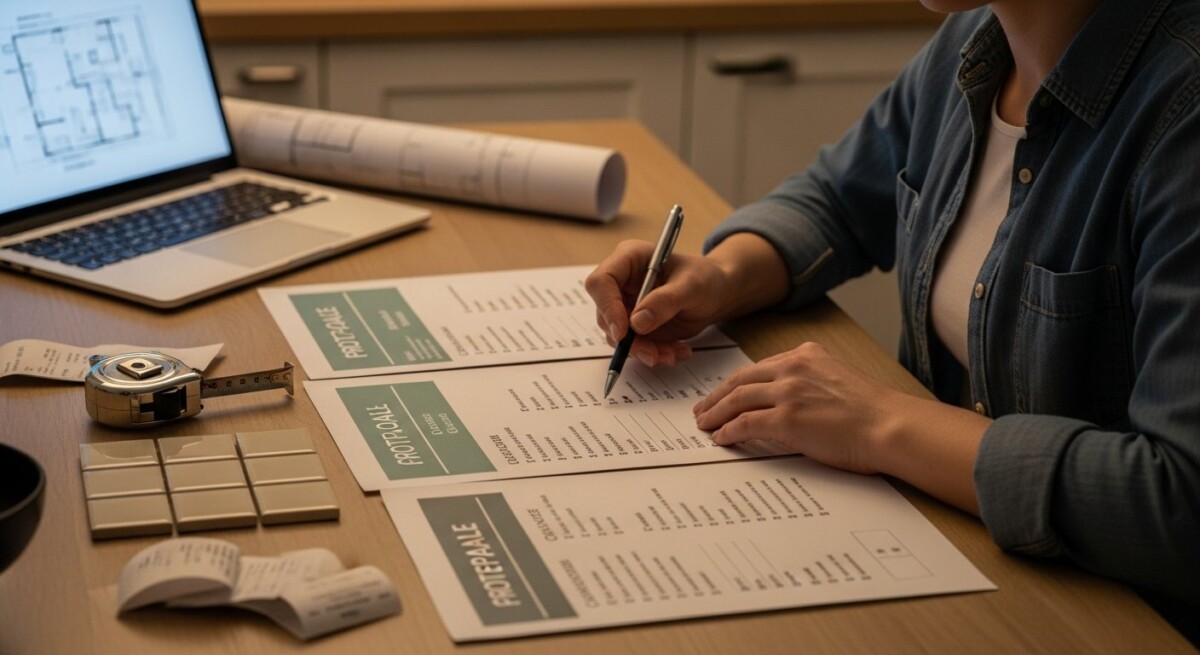
Home extension cost planning is the process of estimating and budgeting for every expense involved in adding new living space to your house. It goes beyond just the price of lumber and labor. A thorough plan accounts for architectural fees, permits, foundation work, utilities, finishing materials, and a contingency fund for surprises. Without a clear plan, homeowners often underestimate costs by 20% to 50%.
This type of planning is essential for any home addition, whether you’re building out a second story, bumping out a side wall, or enclosing a porch. Older homes often present the biggest challenges because their existing structures may not meet current building codes. Homes with unique lot conditions,like slopes or limited access for equipment,also require more careful cost planning. The goal is to create a realistic budget that lets you move forward with confidence, not guesswork.
Why Cost Planning Differs From a Simple Quote
A contractor’s quote tells you what the work will cost. Cost planning tells you what the project will cost, including everything the quote might leave out,like temporary housing, landscaping restoration, and increased property taxes. A good cost plan also includes a 10% to 20% contingency reserve for unexpected issues, such as discovering an old foundation that needs reinforcement. This distinction is what separates a smooth renovation from a stressful one.
Why This Matters for Your Home
Poor cost planning doesn’t just strain your wallet,it can damage your home. If you run out of funds mid-project, you might be forced to leave walls open, delay weatherproofing, or use cheaper materials that fail quickly. Moisture can get into unfinished spaces, leading to mold and rot. Safety risks also increase when electrical or structural work is left incomplete.
Delaying proper planning can actually increase your total costs over time. A project that drags on for months often incurs additional storage fees, extended rental costs for temporary housing, and price increases for materials. Worse, an unfinished extension can lower your property’s curb appeal and even create liability issues. On the other hand, a well-planned extension can add 10% to 20% to your home’s resale value,but only if it’s completed professionally and on budget.
If you notice signs of this issue in your home, it may help to speak with a qualified contractor. Request a free quote or call to explore your repair or remodeling options.
Common Problems Homeowners Experience
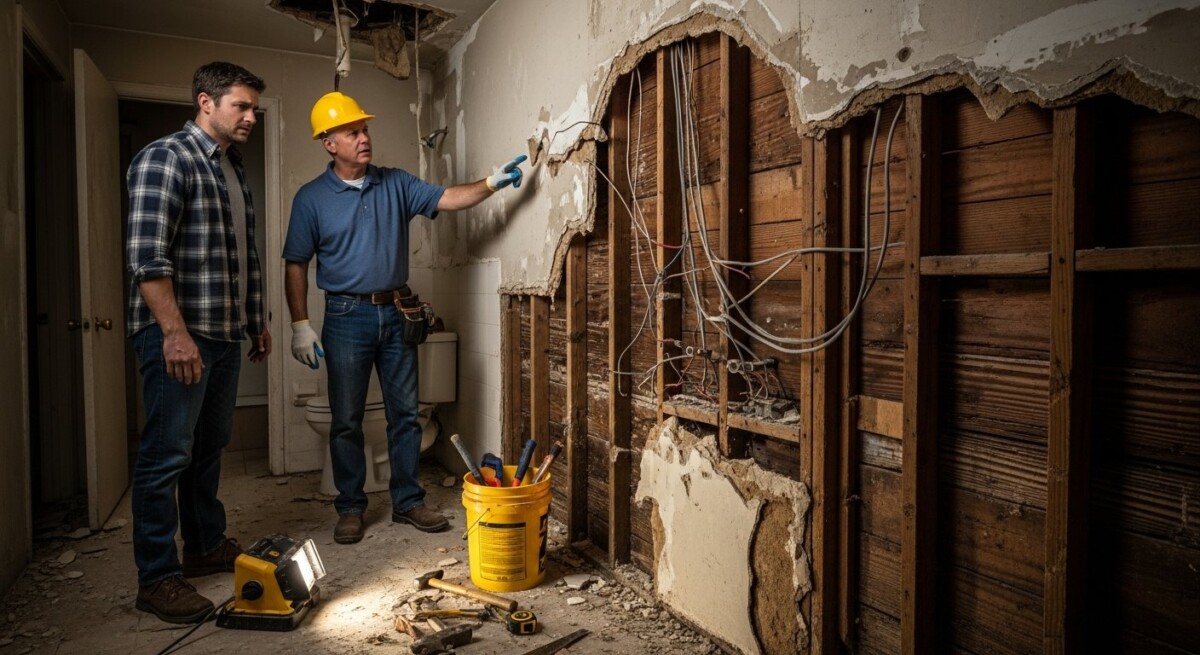
Many homeowners jump into an extension project without a full cost plan, only to face real-world problems that derail their timeline and budget. The most common issue is discovering expensive structural surprises,like a load-bearing wall that requires a steel beam,after demolition has started. Another frequent problem is underestimating the cost of upgraded systems: your new addition may require a larger HVAC unit, a new electrical panel, or an upgraded water heater.
Zoning and permit delays are also major headaches. Some homeowners assume they can build without approval or that permits are a simple formality, only to face fines or orders to tear down work. Material price fluctuations can also blow a budget, especially when lumber, steel, or concrete prices spike unexpectedly. Finally, many homeowners forget to budget for design fees, engineering reports, and soil testing,costs that can easily add $3,000 to $10,000.
- Unexpected foundation or soil issues that require deep footings or piers
- Outdated electrical or plumbing systems that must be upgraded to meet code
- Permit delays that push back the construction schedule by weeks
- Material price increases between the estimate and the actual purchase date
- Design changes made mid-project that increase labor and material costs
- Inaccurate square footage estimates that lead to wrong material quantities
How Professionals Solve the Problem
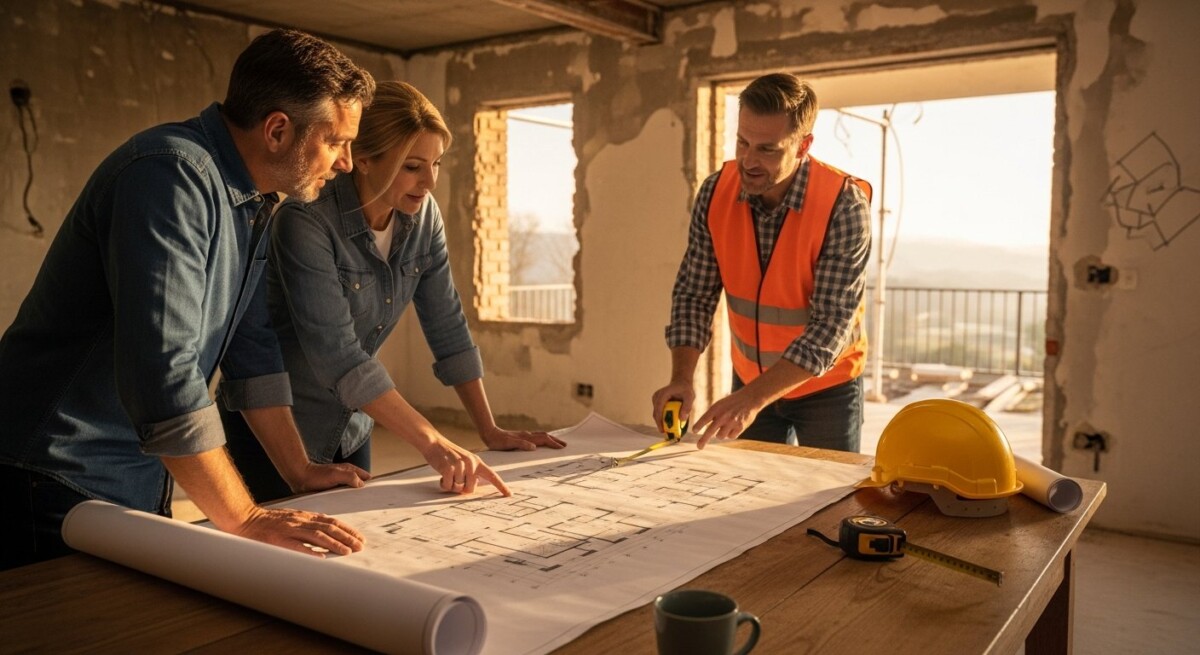
Experienced contractors approach home extension cost planning with a systematic process that minimizes surprises. They start with a thorough site evaluation, including soil testing and structural inspections, to identify potential issues before writing a bid. Then they create a detailed scope of work that specifies every material, finish, and system component. This level of detail allows them to provide a fixed-price quote or a very accurate estimate range.
Professional contractors also manage the permitting process, coordinate with utility companies, and schedule inspections. They have established relationships with suppliers, which can help lock in material prices and secure better terms. Most importantly, they build a contingency into their pricing,not as a hidden fee, but as a transparent buffer that protects you from going over budget if something unexpected comes up.
- Initial consultation and site walkthrough , The contractor measures the space, checks existing systems, and discusses your goals.
- Structural and utility assessment , An engineer or experienced builder evaluates the foundation, roof, and mechanical systems.
- Detailed cost breakdown , You receive an itemized estimate covering materials, labor, permits, and contingency.
- Design and material selection , You choose finishes, fixtures, and layout, and the contractor adjusts the estimate accordingly.
- Permits and approvals , The contractor handles all paperwork and coordinates with local building departments.
- Construction and quality checks , Work proceeds with regular inspections and open communication about progress and costs.
A professional inspection can reveal hidden issues before they become expensive repairs. Compare contractor quotes here or call to discuss your project.
Warning Signs You Should Not Ignore
Your home often gives early warning signs that an extension project may require more planning,and more money,than you expect. If you notice cracks in your foundation or walls, especially near where you plan to build, that could indicate soil movement or structural weakness. Water drainage issues, like pooling near the house or a damp basement, suggest you may need to invest in waterproofing or grading work before adding on.
Other red flags include outdated electrical panels (especially 60-amp service), corroded plumbing pipes, or an HVAC system that’s already struggling to heat and cool your existing space. If your home is more than 50 years old, there’s a higher chance it contains asbestos, lead paint, or knob-and-tube wiring,all of which require specialized (and costly) remediation. Catching these issues early allows you to include them in your cost plan rather than dealing with emergency expenses later.
- Foundation cracks or uneven floors near the planned addition area
- Frequent circuit breaker trips or flickering lights when appliances run
- Visible water stains, mold, or musty odors in the basement or crawl space
- An HVAC system that is more than 15 years old or underpowered for extra square footage
- Roof leaks or sagging areas that indicate the existing roof cannot support an addition
- Previous unpermitted work on your property that may not meet current code
What Affects the Cost of Repairs or Installation
Several key factors determine how much your home extension will cost. The size of the addition is the most obvious,larger projects require more materials, labor, and time. But square footage alone doesn’t tell the whole story. A simple bump-out with a flat roof costs much less than a two-story addition with a complex roofline. The type of foundation needed also plays a major role: a slab foundation is generally cheaper than a full basement or crawl space.
Labor rates vary significantly by region and season. In high-cost urban areas or during peak construction months, you may pay a premium. The accessibility of your property matters too,if your backyard is only reachable through a narrow gate or requires equipment to be lifted over the house, those logistics add cost. Finally, the age and condition of your existing home influence pricing. Retrofitting new systems into an old structure often requires more labor and specialized materials.
Costs can vary depending on the condition of your home. The best way to know the price is to get a personalized estimate. Request free quotes from contractors or call today.
How to Choose the Right Contractor
Selecting the right contractor for your home extension is just as important as the cost plan itself. A good contractor will help you refine your budget, suggest cost-saving alternatives, and communicate clearly throughout the project. Start by asking for recommendations from friends or neighbors who have completed similar additions. Then verify that each candidate has a valid license, general liability insurance, and workers’ compensation coverage.
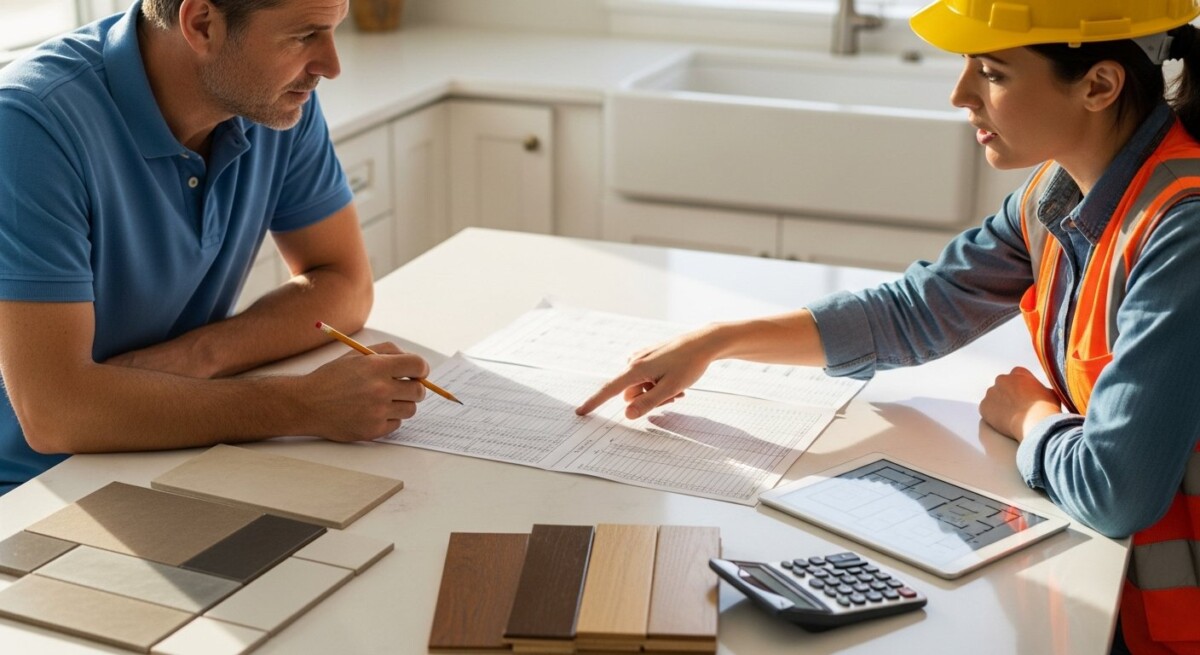
Read online reviews on platforms like Google, Yelp, and the Better Business Bureau, but focus on patterns rather than individual complaints. Ask for at least three detailed estimates from different contractors, and compare them line by line. The lowest bid isn’t always the best,it may indicate shortcuts or lack of insurance. The highest bid isn’t always the best either. Look for a contractor who provides a clear, itemized estimate and takes time to answer your questions.
- Check for a valid state contractor’s license and current insurance certificates
- Read recent reviews and ask for references from past extension projects
- Request a written, itemized estimate that includes materials, labor, permits, and timeline
- Compare at least three quotes to understand the market range for your specific project
- Confirm they have experience with projects similar in size and complexity to yours
Long-Term Benefits of Professional Work
Investing in professional home extension cost planning and construction pays off for years to come. Professionally built additions are safer, more durable, and less likely to develop problems like leaks, settling cracks, or electrical failures. They also tend to be more energy efficient, thanks to proper insulation, high-quality windows, and correctly sized HVAC systems. This can lower your monthly utility bills and make your home more comfortable in every season.
Beyond daily comfort, a well-planned extension increases your home’s resale value. Real estate appraisers consistently report that finished, permitted square footage adds significant value,often more than the cost of the addition itself. Professional work also comes with warranties and documentation that give future buyers confidence. And because professionals handle permits and inspections, you avoid the legal headaches and potential fines that come with unpermitted work.
In our guide on home extension cost planning: a practical guide for homeowners, we explain how to build a realistic budget from the start. Finally, professional contractors can help you navigate financing options and timing, so you complete your addition on schedule and within budget,without the stress of going it alone.
How much does a home extension typically cost per square foot?
National averages range from $80 to $200 per square foot, but this varies widely by region, project complexity, and material choices. A simple first-floor addition with basic finishes might cost $100 per square foot in a low-cost area, while a second-story addition with high-end materials in an urban market can exceed $300 per square foot. The best way to get an accurate number is to request itemized quotes from local contractors who understand your specific market and building conditions.
Do I need an architect for a home extension?
It depends on the size and complexity of your project. Many small bump-outs or porch enclosures can be handled by a design-build contractor who includes basic drawings. However, for additions that change your home’s footprint, roofline, or structural systems, an architect or structural engineer is usually necessary. They ensure your design meets building codes, optimizes space, and integrates well with your existing home,saving you from costly mistakes.
How long does a home extension project take?
A typical single-room addition takes 3 to 5 months from permit approval to completion. Larger projects, like a full second story or a multi-room addition, can take 6 to 12 months. The timeline depends on permitting speed, weather, material availability, and contractor scheduling. A detailed cost plan should include a realistic timeline with buffer weeks for unexpected delays.
What permits are required for a home extension?
Most home extensions require a building permit, and often separate permits for electrical, plumbing, and mechanical work. Some jurisdictions also require zoning permits, setback variances, or historic district approvals. Your contractor should handle the permit applications as part of their service. Never start construction without the proper permits,unpermitted work can lead to fines, legal issues, and problems selling your home later.
Can I live in my house during construction?
It’s possible but often challenging, especially if the addition involves structural work that cuts off access to utilities or creates dust and noise. Many homeowners choose to stay in place for small additions, but larger projects may require temporary relocation. Your contractor can help you assess whether staying is feasible and what precautions to take, like sealing off work areas and setting up temporary kitchen or bathroom facilities.
How do I finance a home extension?
Common options include home equity loans, home equity lines of credit (HELOCs), cash-out refinancing, and personal loans. Some homeowners also use savings or a combination of financing methods. A detailed cost plan helps you determine exactly how much you need to borrow, which makes it easier to compare loan terms. Some contractors offer financing partnerships, but it’s wise to compare rates from multiple lenders as well.
What is a contingency fund and why do I need one?
A contingency fund is a reserve of 10% to 20% of your total budget set aside for unexpected costs. These can include hidden structural issues, material price increases, or changes you decide to make during construction. Without a contingency, even a small surprise,like discovering an old septic tank that must be removed,can derail your project. A good cost plan always includes this buffer to protect your timeline and peace of mind.
How do I compare contractor quotes fairly?
Request itemized quotes from at least three contractors and compare them line by line. Look at the scope of work, materials specified, labor hours, and whether permits and cleanup are included. Don’t automatically choose the lowest price,consider the contractor’s reputation, warranty, and communication style. A slightly higher quote from a well-reviewed professional often saves money in the long run by avoiding mistakes and delays.
Home extension cost planning doesn’t have to be overwhelming. Start with a clear understanding of your goals, get professional input early, and always compare multiple contractor quotes before committing. This approach protects your home, your budget, and your peace of mind,turning your addition from a stressful gamble into a rewarding investment. Learn more about home extension cost planning to get started on the right foot.