How to Compare Construction Bids in Atlanta Georgia
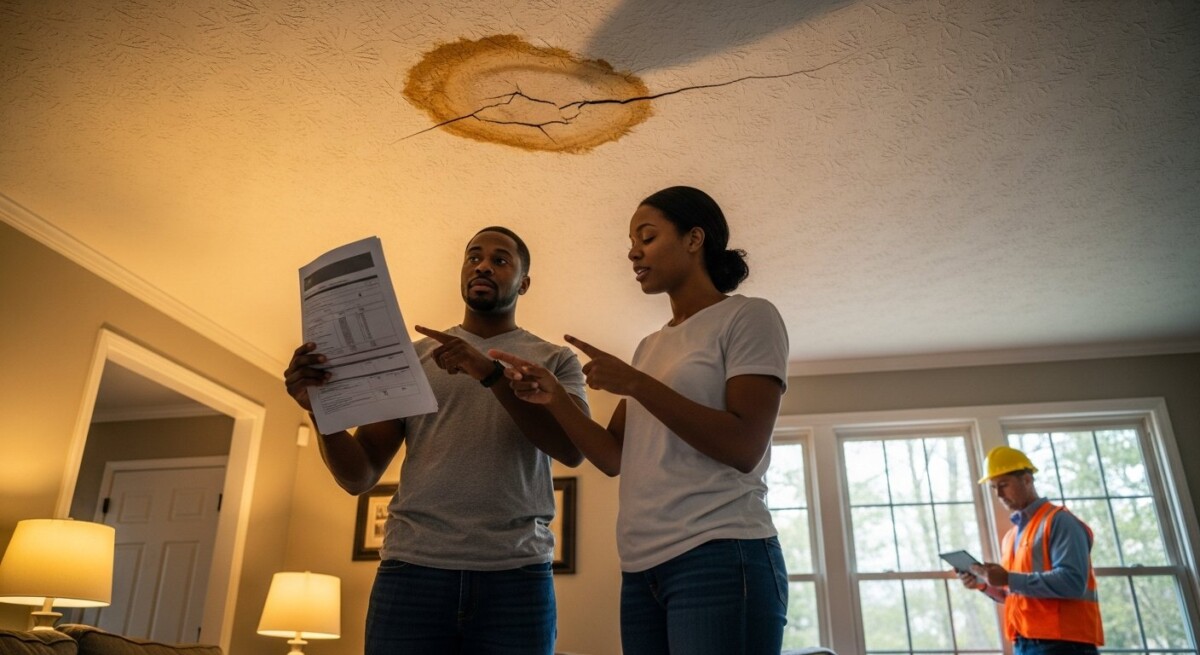
You walk into your Atlanta home after a long day and notice a water stain spreading across the ceiling. Or maybe the foundation crack you spotted last month has grown wider. Your first thought is dread over the cost. You know you need repairs, but you have no idea what a fair price looks like. This is the moment when understanding construction bids Atlanta Georgia becomes essential. Without a clear bid, you risk overpaying, hiring the wrong contractor, or delaying work until the damage becomes far worse.
Understanding Construction Bids Atlanta Georgia
A construction bid is simply a detailed estimate a contractor provides before starting work. It breaks down the cost of materials, labor, permits, and any other fees. In Atlanta, where home styles range from historic bungalows to modern builds, bids can vary widely depending on the age of your home, neighborhood regulations, and the scope of the project.
Homeowners typically start looking for bids when they face a repair or renovation they cannot handle alone. Common triggers include roof leaks, outdated bathrooms, sagging floors, or foundation settling. The most affected homes are older properties in areas like Decatur, Buckhead, or Midtown, where original systems may be nearing the end of their lifespan.
Why This Matters for Your Home
Ignoring the bidding process can cost you thousands. A low bid might cut corners, leaving you with subpar work that fails inspection. A high bid might include unnecessary upgrades you never asked for. More importantly, delaying repairs because you are unsure of costs can lead to structural damage, mold growth, or safety hazards.
Your home is likely your largest investment. Taking the time to compare bids protects that investment. It also helps you budget realistically and avoid surprise expenses mid-project. When you understand the bids in front of you, you gain confidence in your decisions and peace of mind that the work will last.
If you notice signs of this issue in your home, it may help to speak with a qualified contractor. Request a free quote or call to explore your repair or remodeling options.
Common Problems Homeowners Experience
Atlanta homeowners frequently run into the same challenges when seeking bids. One of the biggest frustrations is receiving vague estimates that leave out important line items. Another is dealing with contractors who pressure you to sign immediately or who vanish after the job starts.
Here are the most common problems homeowners report:
- Bids that do not include permit fees or disposal costs
- Wide price gaps between contractors for the same project
- Contractors who refuse to put the bid in writing
- Hidden charges that appear after work begins
- Poor communication about timelines and material choices
- Outdated or incorrect measurements that inflate the price
These issues can turn a simple renovation into a stressful ordeal. That is why comparing multiple bids is not just about price,it is about finding a contractor who communicates clearly and respects your time.
How Professionals Solve the Problem
Experienced contractors approach bids differently. They inspect your property thoroughly, ask about your goals, and provide a written estimate that covers every phase of the project. They also explain why certain materials or methods are recommended for Atlanta’s climate, which includes high humidity and occasional freeze-thaw cycles.
A typical professional process looks like this:
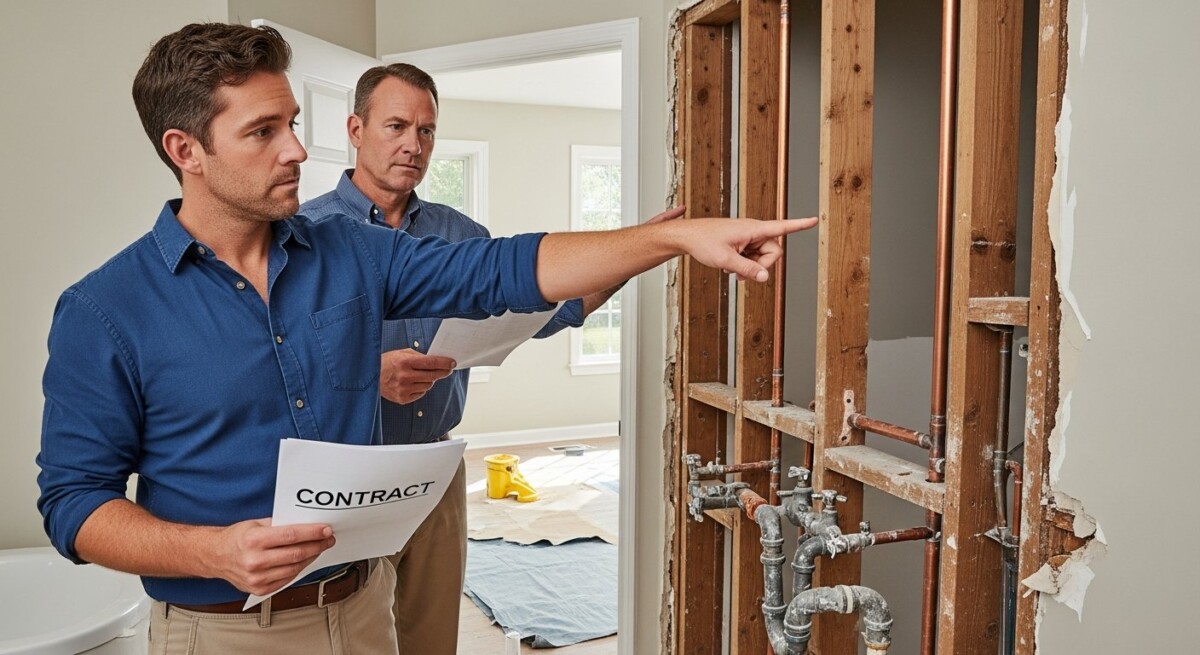
- On-site evaluation , The contractor walks through the affected area, takes measurements, and identifies hidden issues.
- Scope of work , They outline every task, from demolition to finishing, so you know exactly what is included.
- Material selection , They present options at different price points and explain durability and maintenance.
- Timeline estimate , They give a realistic start and end date, accounting for weather and permit delays.
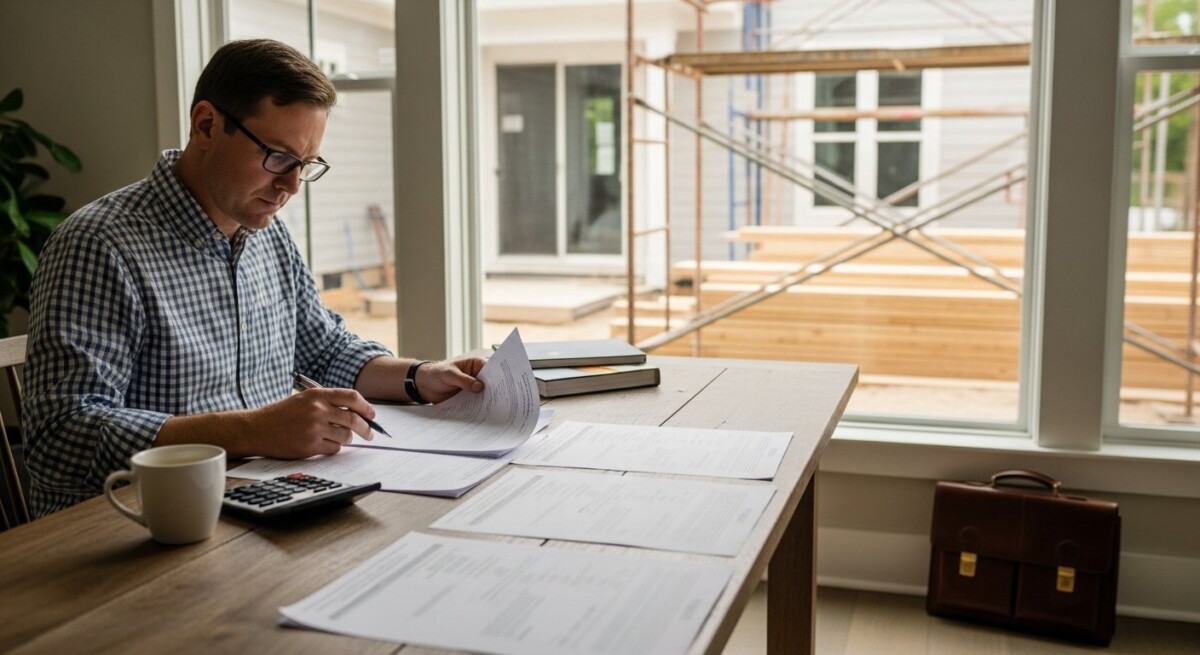
- Written bid , You receive a detailed document with line-item costs, payment schedule, and warranty information.
- Water stains on ceilings or walls that reappear after rain
- Doors or windows that stick or do not close evenly
- Cracks in brickwork, drywall, or foundation that widen over time
- Musty odors in basements or crawl spaces
- Sagging floors or roof lines
- Higher-than-normal utility bills that suggest insulation or HVAC issues
- Check licenses and insurance , Verify that the contractor is licensed in Georgia and carries liability and workers’ compensation insurance.
- Read customer reviews , Look for patterns in feedback, especially regarding timeliness, cleanliness, and follow-through.
- Ask for detailed estimates , Reject vague bids. A reliable contractor will break down costs so you can compare apples to apples.
- Compare multiple quotes , Aim for at least three bids. This gives you a realistic range and helps you spot outliers.
- Confirm experience with similar projects , Ask for photos or references from recent jobs that match your scope of work.
Professional work is safer and more reliable than DIY attempts, especially for projects involving electricity, plumbing, or structural changes. A licensed contractor carries insurance and knows local building codes, which protects you if something goes wrong.
A professional inspection can reveal hidden issues before they become expensive repairs. Compare contractor quotes here or call to discuss your project.
Warning Signs You Should Not Ignore
Your home often gives you clues that it needs professional attention. Paying attention early can save you from major disruptions later. Some warning signs are obvious, while others are subtle and easy to dismiss.
Watch for these red flags:
If you notice any of these signs, do not wait. Small problems like a minor roof leak can turn into mold remediation or structural repairs that cost five times more. Acting early also gives you more time to compare bids without the pressure of an emergency.
What Affects the Cost of Repairs or Installation
Several factors influence how much you will pay for a construction project in Atlanta. Understanding these can help you evaluate bids more accurately and avoid sticker shock.
First, the size and complexity of the project matter. A full bathroom remodel will cost more than a simple vanity replacement. Second, material prices fluctuate based on availability and quality. For example, custom cabinetry or imported tile will increase the bid. Third, labor rates vary by contractor and by season. Summer and early fall are busy times, so you may pay a premium for scheduling.
Accessibility also plays a role. If your crawl space is tight or your roof has a steep pitch, the contractor will need more time and equipment. Finally, the age of your home can introduce surprises. Older homes may have outdated wiring, lead paint, or asbestos that requires special handling, which adds to the cost.
Costs can vary depending on the condition of your home. The best way to know the price is to get a personalized estimate. Request free quotes from contractors or call today.
How to Choose the Right Contractor
Selecting a contractor is one of the most important decisions you will make for your home. The right choice means quality work, clear communication, and a finished project you can enjoy for years. The wrong choice can lead to delays, disputes, and disappointing results.
Follow these tips when evaluating contractors:
Taking these steps reduces your risk and helps you feel confident in your choice. Remember, the lowest bid is not always the best value. Look for a contractor who balances fair pricing with solid references and clear communication.
Long-Term Benefits of Professional Work
Investing in professional repairs or renovations pays off in multiple ways over time. First, quality work improves safety. A properly installed roof or foundation reduces the risk of collapse, leaks, or fire hazards. Second, professional work lasts longer. You will not need to redo the project in a few years, which saves money and hassle.
Energy efficiency is another major benefit. New windows, insulation, or HVAC systems installed by pros can lower your monthly utility bills. In Atlanta’s hot summers, that difference can be significant. Finally, a well-executed project increases your home’s resale value. When you eventually sell, buyers will pay more for a home with documented, permitted work.
Professional work also comes with warranties that protect you if something fails. That peace of mind is something DIY projects rarely provide.
What is a construction bid?
A construction bid is a written estimate from a contractor that details the cost of materials, labor, permits, and other expenses for a specific project. It helps you understand what you are paying for and allows you to compare offers from different contractors.
How many bids should I get for a home project in Atlanta?
Most experts recommend getting at least three bids. This gives you a clear picture of the market rate and helps you identify bids that are unusually high or low. Always compare the scope of work, not just the final price.
Why are construction bids so different from each other?
Bids can vary due to differences in material quality, labor rates, overhead costs, and how thoroughly the contractor inspected your home. Some contractors include permit fees and disposal costs, while others add them later. Always ask for a detailed breakdown to understand the differences.
What should I look for in a construction bid?
Look for a clear scope of work, itemized costs, a payment schedule, a start and completion date, and warranty information. Avoid bids that are vague or that pressure you to sign immediately without time to review.
Can I negotiate a construction bid?
Yes, you can discuss the bid with the contractor. You might ask about using different materials, adjusting the timeline, or removing non-essential items to lower the cost. Just be sure any changes are reflected in a revised written bid.
How do I know if a contractor is reliable?
Check their license and insurance, read online reviews, ask for references, and verify their experience with projects similar to yours. A reliable contractor will also communicate clearly and provide a written contract.
What happens if the project goes over the bid amount?
A professional contractor should notify you before incurring extra costs. Your contract should outline how change orders are handled. Always get approval in writing before agreeing to additional work.
Do I need a permit for my Atlanta home project?
Many projects, such as structural changes, electrical work, or major plumbing, require permits in Atlanta. A licensed contractor will typically handle the permit process. Always confirm that permits are included in the bid.
Understanding construction bids Atlanta Georgia is the first step toward a successful home project. By comparing quotes, asking the right questions, and choosing a qualified contractor, you protect your home and your budget. Do not wait until a small issue becomes a costly emergency. Start gathering bids today and take control of your home improvement journey.