
How to Compare Contractor Estimates Without Overpaying
Learn how to compare contractor estimates side by side to avoid hidden costs, negotiate better deals, and choose the right pro for your project.
By Adnan Nazir
Learn more about Exterior Painting for guides, costs, and what to expect.
Compare Exterior Painting Pros Near You

Enter your ZIP code to compare top-rated local professionals and request free quotes.
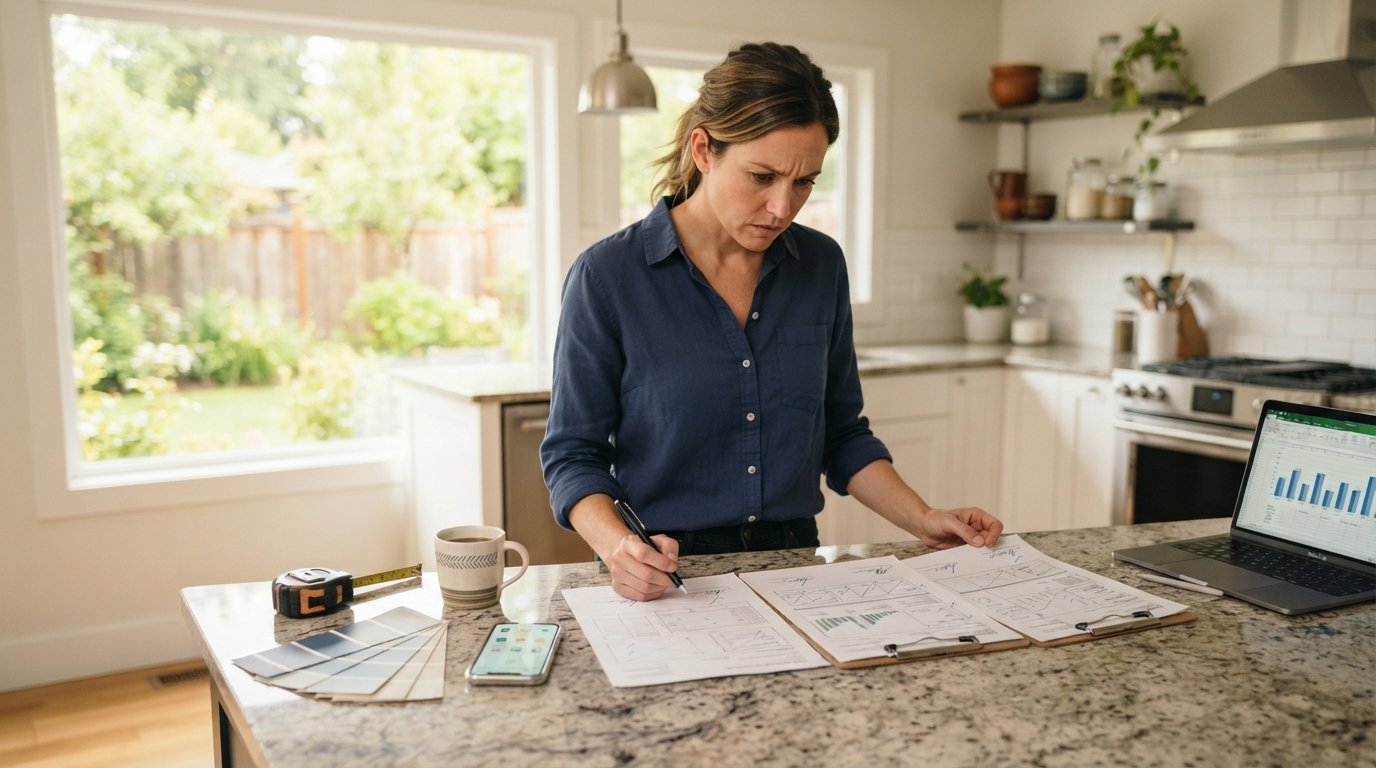
You have finally decided to tackle that kitchen remodel or roof replacement. You called a few companies, sat through their sales pitches, and now you have a stack of bids sitting on your kitchen counter. The numbers vary wildly, the scope of work looks different on every page, and you are not sure if the cheapest option is a steal or a red flag. This is the moment where most homeowners make a costly mistake: they pick the middle bid without truly understanding what they are comparing. Learning how to compare contractor estimates properly can save you thousands of dollars and months of headaches, and it starts with looking past the bottom line.
FreeQuotes.Contractors connects homeowners with pre-vetted local contractors for projects like roofing, remodeling, and HVAC installation. The platform is built around the idea that you should receive multiple competitive quotes before making a decision. But receiving quotes is only the first step. The real value comes from knowing how to evaluate those documents side by side. This guide will walk you through a practical framework for comparing contractor estimates, spotting hidden costs, and choosing the professional who delivers the best value, not just the lowest price.
Why Comparing Contractor Estimates Matters More Than You Think
Most homeowners assume that all contractor estimates are created equal. In reality, a bid is a snapshot of how a contractor thinks, how they price their work, and how they communicate. Two estimates for the same project can differ by 40 percent or more, and that gap rarely reflects quality alone. One contractor might be including premium materials, while another is quoting the cheapest options. One might plan for proper permits and disposal fees, while another leaves those out to win the job.
When you compare contractor estimates, you are not just looking for the lowest number. You are looking for the contractor who understands your project, communicates clearly, and offers a fair price for the exact scope you want. A low bid that misses critical work will end up costing you more in change orders later. A high bid might include unnecessary upgrades you never asked for. The only way to know the difference is to dig into the details of each estimate.
Step 1: Check the Scope of Work in Each Estimate
The first thing to examine when you compare contractor estimates is the scope of work. This section should describe exactly what the contractor will do, from start to finish. Look for specifics like the type of materials, the brand names, the product models, and the installation methods. Vague descriptions like "paint living room" or "replace roof" are a warning sign. A detailed scope shows that the contractor has actually thought through your project and is committed to doing the job right.
For example, two roofing bids might both say "tear off and replace shingles." But one might list a specific shingle brand and warranty, while the other just says "architectural shingles." The first bid is easier to evaluate because you know exactly what you are paying for. The second bid leaves room for the contractor to use cheaper materials than you expected. When you compare contractor estimates, always prioritize bids that give you a clear, itemized scope of work.
What to Look For in the Scope Section
- Material brands, models, and quantities
- Specific tasks like demolition, disposal, and cleanup
- Permit fees, inspection costs, and utility coordination
- Warranty terms for both materials and labor
- Timeline and payment schedule
If an estimate is missing any of these elements, ask the contractor to clarify before you make a decision. A professional will be happy to provide more detail. If they hesitate or give vague answers, consider that a red flag.
Step 2: Normalize the Estimates for Apples-to-Apples Comparison
Contractors structure their estimates differently. One might break out every line item, while another gives you a single lump sum. One includes sales tax, another does not. One charges for disposal, another folds it into the labor rate. To compare contractor estimates fairly, you need to normalize them. That means creating a spreadsheet or a simple list where you can align the same categories across all bids.
Start by listing the major components of your project: materials, labor, permits, disposal, cleanup, and any subcontractor work. Then fill in what each contractor quoted for each category. If a contractor did not break out a category, estimate it based on industry averages or ask them directly. This process will reveal where the real differences are. You might find that the cheapest bid is cheap because it skips disposal fees, or that the most expensive bid includes a longer warranty.
Step 3: Compare the Contractor, Not Just the Price
When you compare contractor estimates, you are also comparing the contractors themselves. A bid is a reflection of how a professional runs their business. Look at how they communicate during the quoting process. Do they return calls promptly? Do they show up on time for appointments? Do they answer your questions clearly and honestly? These are strong indicators of how the project will go once work begins.
You should also verify that each contractor is licensed, insured, and bonded. Ask for proof of insurance and check their license status with your state or local licensing board. A contractor who is unwilling to provide this information is not worth your time. Additionally, ask for references from recent projects similar to yours. Call those references and ask about the contractor's professionalism, adherence to schedule, and how they handled any issues that came up.
Step 4: Look for Red Flags in the Fine Print
Contractor estimates often contain hidden clauses that can cost you money later. When you compare contractor estimates, pay close attention to the terms and conditions. Look for language about change orders, payment schedules, and cancellation policies. A change order is a formal modification to the original contract, and it can significantly increase your final bill. Make sure your contract requires the contractor to get your written approval before any change order is executed.
Payment schedules are another area where homeowners get burned. A typical schedule might require a deposit upfront, then progress payments at key milestones. Be wary of contractors who demand a large percentage before any work begins. In most states, there are legal limits on upfront deposits, so do your research. Finally, check the warranty language. Does the contractor offer a workmanship warranty that covers installation errors? For how long? What is excluded? These details matter just as much as the price.
Step 5: Watch Out for Lowball Bids and Hidden Costs
A bid that is significantly lower than the others is not automatically a bargain. It might be a sign that the contractor cut corners on materials, plans to skip permits, or does not carry proper insurance. When you compare contractor estimates, always ask yourself why one bid is so much cheaper. If the low bidder cannot explain the difference in a way that makes sense, move on.
Hidden costs are another common trap. Some contractors quote a base price and then add on fees for things like moving furniture, hauling debris, or repairing subfloors. Others might not include the cost of permits or inspections. To avoid surprise bills, ask every contractor to provide a complete breakdown of all costs associated with the project. If they refuse or deflect, that is a clear sign to keep looking.
Step 6: Use a Bid Comparison Checklist
Creating a systematic approach to comparing estimates will help you stay objective. Use a checklist that covers the key categories you care about: price, scope, materials, timeline, warranty, and contractor credentials. Score each bid against the checklist. This method removes emotion from the decision and makes it easier to see which contractor truly offers the best value.
- Price: Is the total within your budget? Does it include all necessary line items?
- Scope: Does it describe the work in detail? Does it match what you asked for?
- Materials: Are brands and models specified? Are they quality products?
- Timeline: Is the start date realistic? Is the completion date clearly stated?
- Warranty: Does it cover both materials and labor? How long?
- Contractor: Are they licensed, insured, and experienced in this type of project?
After scoring each bid, you will likely see a clear winner. If two bids are close, consider scheduling a follow-up call with both contractors to ask final questions. The one who is more responsive and transparent is often the safer choice.
Step 7: Negotiate With Confidence
Once you have narrowed down your options, you can use the estimates to negotiate. Tell your top choice that you received another bid that is lower, and ask if they can match it or explain the difference. A reputable contractor will be willing to adjust their price or add value, such as upgrading materials or extending the warranty. This is the most effective way to maximize your savings while still getting quality work.
However, do not negotiate solely on price. If a contractor is already the cheapest and you push them lower, they might cut corners to protect their margin. Instead, negotiate on value: ask for a longer warranty, a faster timeline, or a higher-grade material for the same price. These upgrades can be more valuable than a few hundred dollars off the total.
How FreeQuotes.Contractors Simplifies the Process
FreeQuotes.Contractors was built to make the comparison process easier for homeowners. Instead of calling five different companies and scheduling multiple site visits, you can submit one request and receive quotes from pre-vetted local contractors. The platform covers a wide range of services, from roofing and HVAC to bathroom remodeling and solar installation. Every contractor in the network has been screened, so you can compare estimates with confidence.
The platform also provides educational resources, including service-specific FAQ hubs and project guides, to help you understand what to expect from your project. Whether you are researching costs or ready to request quotes, FreeQuotes.Contractors gives you the tools you need to make an informed decision. And because the service is free, there is no downside to getting multiple estimates before you commit.
A Step-by-Step Guide to Getting Accurate Quotes
To get the most accurate estimates, follow this simple process before you request bids. First, define your project scope clearly. Write down what you want done, the materials you prefer, and any specific requirements you have. Second, gather project details like square footage, current conditions, and any structural concerns. Third, request at least three quotes from qualified contractors. Fourth, use the comparison framework in this article to evaluate each bid. Finally, choose the contractor who offers the best combination of price, quality, and reliability.
By taking these steps, you will avoid the common pitfalls of hiring a contractor based on price alone. You will also be in a stronger position to negotiate and to hold your chosen contractor accountable to the agreed scope of work.
Common Mistakes to Avoid When Comparing Estimates
Even with a solid framework, homeowners still make mistakes. The most common one is choosing the lowest bid without verifying the scope. Another is ignoring the contractor's reputation and past work. Some homeowners fail to ask about permits and inspections, which can lead to legal issues and safety hazards. Others skip the reference check and end up with a contractor who does not show up or does shoddy work.
To avoid these mistakes, always take your time. Do not let a contractor pressure you into a quick decision. Compare at least three estimates, and never accept a verbal quote without written documentation. If something feels off, trust your instincts and keep looking. The right contractor will make you feel confident, not uneasy.
Final Thoughts on Comparing Contractor Estimates
Comparing contractor estimates is not just about finding the cheapest price. It is about understanding what you are paying for and ensuring that you get the quality and reliability you deserve. By following the steps in this guide, you can confidently evaluate bids, avoid hidden costs, and choose a contractor who will deliver the results you want. Remember to use the resources available to you, including the free quote system at FreeQuotes.Contractors, to streamline the process and connect with trusted professionals in your area. Your home is one of your biggest investments, so take the time to make the right choice.
Learn more about Exterior Painting for guides, costs, and what to expect.
Compare Exterior Painting Pros Near You
Enter your ZIP code to compare top-rated local professionals and request free quotes.