How to Compare Contractor Proposals for Your Home Project
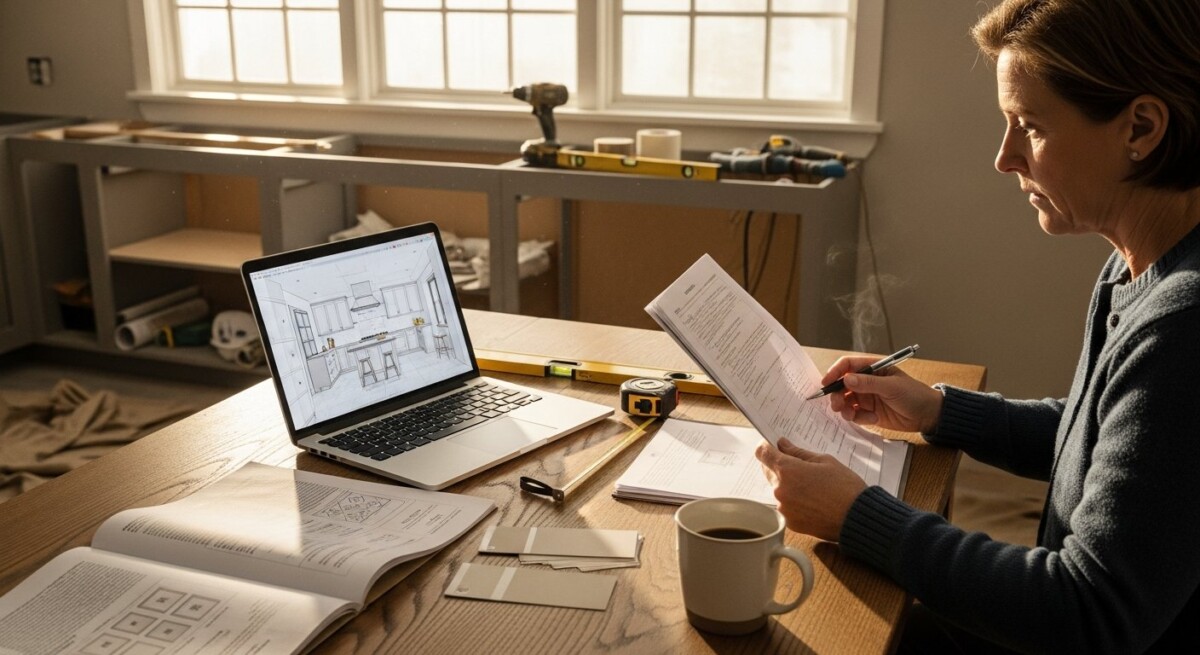
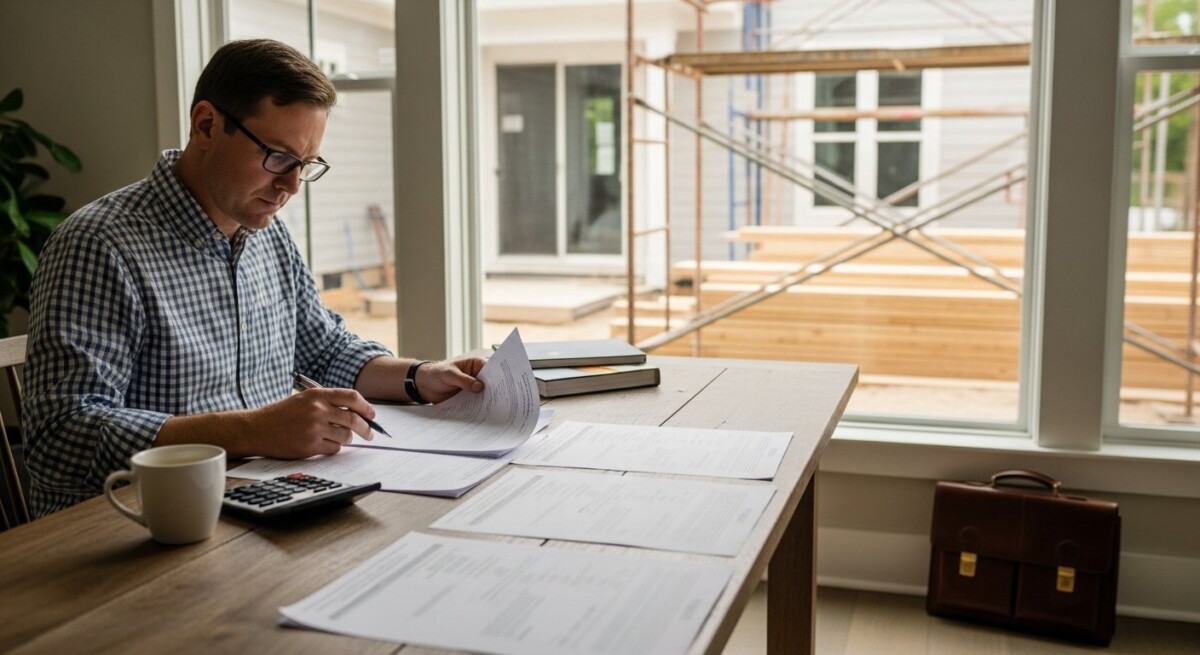
You finally have the money saved for that kitchen remodel, a new roof, or a finished basement. You invite three contractors to your home. They walk around, take notes, and shake your hand. A few days later, three different proposals land in your email inbox. One is a single page with a total price. Another is seven pages long with line items you do not understand. The third is somewhere in between. Now you are staring at three numbers and wondering: Which one is right for my home?
This is the moment when many homeowners make expensive mistakes. They choose the lowest price without reading the details. Or they pick the highest price assuming it means better quality. Neither approach is a safe bet. Learning how to compare contractor proposals can save you thousands of dollars, months of headaches, and the heartbreak of a project that goes wrong.
If you ignore the differences between proposals, you risk hiring an unlicensed crew, using cheap materials, or facing surprise costs halfway through the job. The good news is that comparing proposals does not require a construction degree. It just requires a clear system and a willingness to ask questions.
Understanding how to compare contractor proposals
A contractor proposal is more than just a price tag. It is a written document that describes the scope of work, the materials to be used, the timeline, and the payment schedule. When you learn how to compare contractor proposals, you are really learning to evaluate these components side by side.
Proposals vary because contractors run their businesses differently. Some include everything in one lump sum. Others break out every nail and screw. Some assume you want premium fixtures; others choose the builder-grade option to keep the price low. Your job is to make sure you are comparing apples to apples. In our guide on how to compare contractor quotes to find the best home pro, we explain the first steps to gathering comparable bids.
Homes that are older, have unique architecture, or require specialized work often see the widest range in proposals. But even a straightforward bathroom renovation can produce bids that differ by 40 percent or more. Understanding the details behind those numbers protects your investment.
Why proposals look so different
Every contractor has a different way of estimating labor, materials, overhead, and profit. One contractor might include permits and dumpster fees in the base price. Another might list them as separate charges. A third might forget them entirely and hit you with a change order later. That is why you cannot simply compare bottom lines. You must compare the full breakdown.
Why this matters for your home
Your home is likely the largest investment you will ever make. A poorly executed renovation or repair can damage that investment. It can lower your property value, create safety hazards, and lead to costly fixes down the road. Learning how to compare contractor proposals is one of the best ways to protect that investment.
When you choose a contractor based on price alone, you risk hiring someone who cuts corners. They might use substandard materials that fail in a few years. They might skip essential steps like waterproofing or structural reinforcement. Or they might not carry proper insurance, leaving you on the hook if a worker gets injured on your property.
On the other hand, choosing the most expensive proposal without understanding why it costs more can also be a mistake. You might be paying for unnecessary upgrades or inefficient work methods. The goal is to find the contractor who offers the best value,fair pricing, quality materials, and reliable workmanship.
If you notice signs of this issue in your home, it may help to speak with a qualified contractor. Request a free quote or call to explore your repair or remodeling options.
Common problems homeowners experience
Homeowners often struggle with contractor proposals because they lack a standard comparison method. They feel overwhelmed by technical jargon, inconsistent formatting, and pressure to make a quick decision. As a result, they make choices they later regret.
Some homeowners discover mid-project that their chosen contractor did not include critical items like demolition, disposal, or final cleanup. Others find out that the warranty they thought they had only covers parts, not labor. These surprises create stress, budget overruns, and strained relationships with the contractor.
Here are the most common issues homeowners face when comparing proposals:
- Missing scope details , The proposal does not clearly state what is included and what is not.
- Vague material specifications , The proposal says “tile” or “countertop” without naming the brand, model, or grade.
- No timeline or milestones , You have no idea how long the project will take or when payments are due.
- Hidden fees and change orders , The contractor adds charges after the project starts for things you assumed were included.
- Inconsistent warranty terms , One proposal offers a two-year warranty; another offers five years, but the coverage differs.
- Payment schedules that favor the contractor , Large upfront payments put you at risk if the contractor walks off the job.
How professionals solve the problem
Experienced contractors understand that a clear, detailed proposal builds trust. They take the time to walk through the scope of work, explain their pricing, and answer your questions. They want you to feel confident about hiring them because that confidence leads to smoother projects and better reviews.
When a professional contractor prepares a proposal, they follow a systematic approach:
- Site visit and assessment , They inspect the area, take measurements, and note any special conditions.
- Scope of work document , They write a detailed description of every task, from demolition to final cleanup.
- Material selection , They specify brands, models, colors, and grades so you know exactly what you are getting.
- Labor and timeline estimate , They break down the labor costs and provide a realistic schedule with milestones.
- Permit and fee disclosure , They list all permits, dumpster fees, and other third-party costs upfront.
- Warranty and payment terms , They clearly state what is covered and when payments are due.
Professional work is safer and more reliable than DIY fixes because contractors carry insurance, follow building codes, and have experience handling unexpected problems. They also stand behind their work with warranties that protect you long after the job is done. If you want to see how different contractors stack up, check out our detailed guide on how to compare contractor estimates like a pro.
A professional inspection can reveal hidden issues before they become expensive repairs. Compare contractor quotes here or call to discuss your project.
Warning signs you should not ignore
Some proposals contain red flags that signal trouble ahead. Learning to spot these warning signs early can save you from hiring the wrong contractor. Trust your instincts,if something feels off, it probably is.
Pay close attention to how the contractor communicates during the bidding process. Do they return your calls? Do they answer your questions directly? Do they show up on time for appointments? These small behaviors often predict how they will behave during the project.
Here are warning signs that suggest a proposal,or the contractor behind it,may be problematic:
- The proposal is too vague , No material names, no timeline, no payment schedule.
- The price is significantly lower than others , This often means corners will be cut or fees added later.
- The contractor pressures you to sign immediately , Legitimate contractors give you time to compare.
- They ask for a large upfront payment , Over 30 percent before work starts is a red flag.
- They cannot provide proof of insurance or license , This puts you at serious financial risk.
- They discourage pulling permits , Permits protect you; avoiding them is illegal in most areas.
What affects the cost of repairs or installation
Several factors influence the final price of a home improvement project. Understanding these factors helps you evaluate whether a proposal is reasonable or overpriced. It also helps you avoid the trap of choosing the cheapest bid without understanding what is missing.
The size of the project is the most obvious factor. A full kitchen remodel costs more than a partial one. But the details matter too. Custom cabinetry costs more than stock cabinets. Natural stone countertops cost more than laminate. The condition of your home also plays a role,older homes often require additional structural work that newer homes do not.
Other cost factors include:
- Accessibility , A bathroom on the second floor costs more to remodel than one on the ground floor.
- Material quality , Premium materials cost more but often last longer.
- Labor rates in your area , Costs vary significantly by region and market demand.
- Permit and inspection fees , Required by law in most municipalities.
- Disposal and cleanup , Removing old materials adds time and cost.
Costs can vary depending on the condition of your home. The best way to know the price is to get a personalized estimate. Request free quotes from contractors or call today.
How to choose the right contractor
Choosing the right contractor is about more than comparing numbers on a page. It is about finding a professional who communicates clearly, respects your budget, and has a track record of delivering quality work. The proposal is a tool, but it is not the only factor.
Take the time to research each contractor before making your decision. Call their references. Look at recent photos of their work. Read online reviews from real homeowners. A few hours of research now can prevent months of regret later.
Here are practical tips for selecting the right contractor:
- Verify licenses and insurance , Ask for proof and confirm it is current.
- Read customer reviews , Look for patterns in feedback, not just star ratings.
- Ask for detailed estimates , Require itemized proposals so you can compare line by line.
- Compare at least three quotes , Three bids give you a realistic sense of the market rate.
- Confirm experience with similar projects , A roofer may not be the best choice for a bathroom remodel.
Long-term benefits of professional work
Investing in professional work pays off in ways that go beyond the finished project. A well-executed renovation or repair adds value to your home, improves your daily comfort, and reduces the need for future repairs. It also gives you peace of mind knowing the job was done right.
Professional contractors use high-quality materials and follow industry best practices. That means your new roof lasts longer, your basement stays dry, and your kitchen functions beautifully for years. They also provide warranties that protect you if something goes wrong. In our article on how to compare contractor proposals for your home project, we share more tips for making a confident choice.
Beyond durability, professional work often improves energy efficiency. Proper insulation, quality windows, and efficient HVAC systems lower your utility bills. And when it comes time to sell, a home with documented professional upgrades commands a higher price and attracts more buyers.
Frequently asked questions
What should I look for when comparing contractor proposals?
Look for a clear scope of work, specific material names, a realistic timeline, a detailed payment schedule, and warranty terms. Compare these details side by side across all proposals. Do not base your decision on price alone.
How many contractor quotes should I get?
Most experts recommend getting at least three quotes. Three bids give you a good sense of the market rate and help you spot outliers that are too high or too low. More than five quotes can become overwhelming without adding much value.
Why are contractor proposals so different in price?
Proposals differ because contractors use different materials, labor rates, overhead costs, and profit margins. One contractor might include premium fixtures while another uses basic options. Always compare the details, not just the total price.
What is a change order and why should I care?
A change order is a written modification to the original contract that changes the scope of work and often adds cost. Change orders can blow your budget if the original proposal was vague. A detailed proposal reduces the chance of change orders.
Should I choose the cheapest contractor proposal?
Not necessarily. The cheapest proposal often means cheaper materials, less experienced labor, or missing scope items. It can lead to higher costs later. Look for the best value, not the lowest price.
What if a contractor refuses to give an itemized estimate?
That is a red flag. An itemized estimate shows you what you are paying for and allows you to compare bids fairly. If a contractor will not provide one, consider crossing them off your list.
How do I know if a contractor is licensed and insured?
Ask for their license number and proof of insurance. Verify the license with your state or local licensing board. Confirm that their insurance includes general liability and workers’ compensation. Do not skip this step.
Can I negotiate a contractor proposal?
Yes, but focus on scope, not just price. Ask if you can use a different material to lower the cost or if they can adjust the timeline to save on labor. Ethical contractors are open to discussion.
Your home deserves care and attention from start to finish. By learning how to compare contractor proposals, you take control of your project and protect your investment. Review each proposal carefully, ask questions, and trust your research. Then request quotes from multiple contractors to find the best fit for your home and your budget.