
How to Request Home Renovation Bids the Right Way
You finally decided to remodel your outdated kitchen or fix that leaking roof. You start researching online, but the moment you try to compare prices, everything becomes confusing. Some contractors give vague estimates over the phone, others disappear after measuring, and you wonder if you are overpaying. This frustration is exactly why learning how to request home renovation bids properly can save you thousands of dollars and months of headaches. Ignoring the process or accepting the first quote often leads to budget overruns, unfinished work, or low-quality materials that fail within a year.
Understanding Request Home Renovation Bids
A home renovation bid is a detailed proposal from a contractor that outlines the scope of work, materials, labor costs, and timeline for your project. It is not a simple price quote,it is a written agreement that protects both you and the contractor. Bids become necessary whenever you plan structural changes, major repairs, or whole-room remodels because the complexity requires precise measurements and material calculations.
Most homeowners discover the importance of formal bids after a bad experience: a contractor starts work, then demands more money halfway through, or uses cheaper materials than promised. Older homes with outdated wiring, plumbing, or load-bearing walls are especially prone to hidden surprises that a good bid can anticipate. Even newer homes benefit from competitive bids because prices for lumber, tile, and labor vary significantly between contractors.
Why This Matters for Your Home
Failing to request multiple renovation bids puts your property at risk. Without comparing proposals, you may hire an unlicensed contractor who cuts corners on safety, leaving your family exposed to fire hazards or structural failures. A poorly executed renovation can also lower your home’s resale value,buyers’ inspectors will flag substandard work, and you will have to discount the price or redo the job.
Delaying repairs or choosing the cheapest bid without vetting the contractor often leads to escalating costs. A small bathroom leak ignored for six months can rot the subfloor, require mold remediation, and cost five times more to fix. Professional bids help you budget accurately, schedule work during off-peak seasons, and avoid emergency repairs that strain your finances.
If you notice signs of this issue in your home, it may help to speak with a qualified contractor. Request a free quote or call to explore your repair or remodeling options.
Common Problems Homeowners Experience
Homeowners often struggle with vague verbal estimates that lack detail. A contractor might say, “I can do your deck for $5,000,” but later charge extra for permits, debris removal, or stain. Another common issue is “scope creep,” where the project expands without written approval, and the final bill doubles.
Many people also face delays because contractors overbook jobs or fail to order materials on time. In older homes, unexpected discoveries like asbestos tiles or knob-and-tube wiring can halt progress for weeks. Learning to request home renovation bids that include contingency clauses helps you handle these surprises without panic.
- Contractors quoting wildly different prices for the same project, making comparison confusing
- Hidden fees for permits, dumpsters, or travel that were not mentioned in the initial estimate
- Poor-quality materials that crack, warp, or fade within months of installation
- Unfinished work because the contractor abandoned the project for a bigger job
- Disputes over who pays for fixing mistakes or damage caused during construction
- Delays due to weather, material shortages, or subcontractors not showing up
How Professionals Solve the Problem
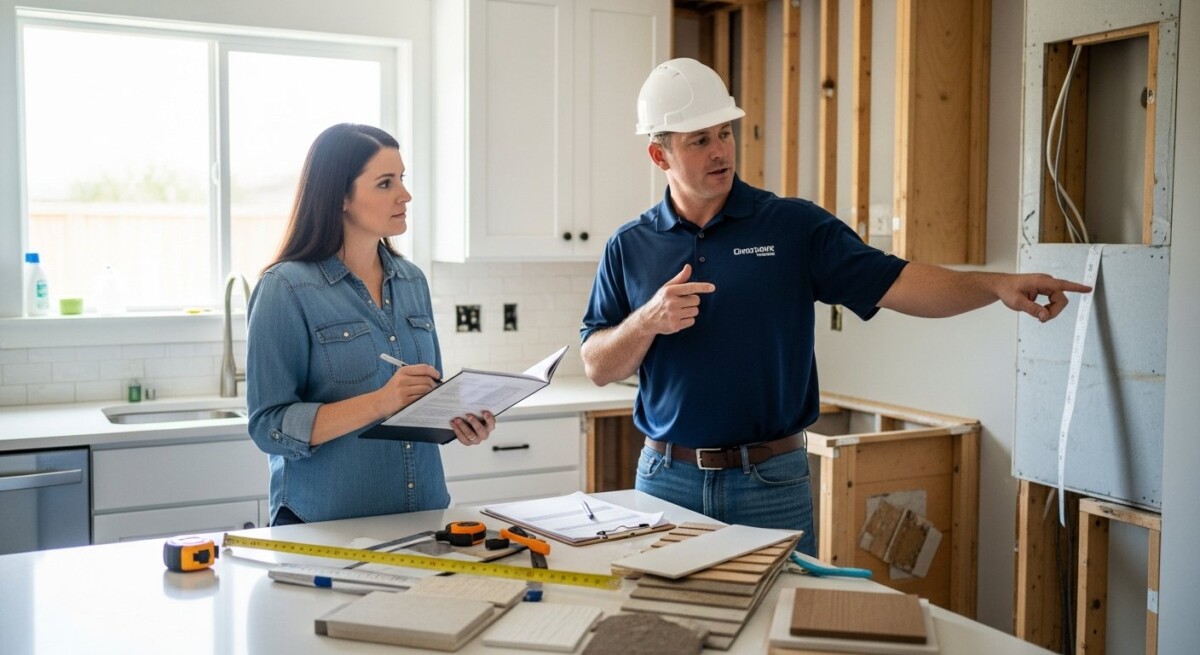
Experienced contractors follow a structured approach when you request a home renovation bid. They visit your home, take precise measurements, inspect existing conditions, and ask about your goals. Then they create a written proposal with itemized costs, a payment schedule, and a start-to-finish timeline. This transparency helps you understand exactly what you are paying for.
- On-site assessment: The contractor examines the space, checks for hidden damage, and discusses your design preferences.
- Material selection: You choose finishes, fixtures, and materials within your budget, and the contractor provides samples and pricing.
- Detailed proposal: You receive a written bid listing labor, materials, permits, cleanup, and warranty terms.
- Revision and agreement: You compare bids from multiple contractors, ask questions, and sign a contract with the chosen professional.
- Project management: The contractor schedules work, coordinates subcontractors, and updates you on progress until completion.
Professional work is safer and more reliable than DIY because contractors carry insurance, know local building codes, and have relationships with suppliers who offer better prices. A licensed contractor also provides warranties that protect you if something fails after the job is done.
A professional inspection can reveal hidden issues before they become expensive repairs. Compare contractor quotes here or call to discuss your project.
Warning Signs You Should Not Ignore
Your home gives you clues when it needs professional attention. A musty smell in the basement, peeling paint near windows, or doors that stick in humid weather often indicate moisture problems that will worsen. Cracks in drywall above door frames or diagonal cracks in brickwork suggest foundation movement that requires structural evaluation.
Ignoring these signs because you are busy or hoping the problem stabilizes can lead to catastrophic failures. A small roof leak can rot trusses, ruin insulation, and cause mold that affects your family’s respiratory health. When you request home renovation bids early, you address problems while they are small and affordable.
- Water stains on ceilings or walls that grow after rainstorms
- Floor tiles that crack or feel spongy when you walk on them
- Electrical outlets that feel warm to the touch or spark when plugged in
- Plumbing pipes that bang, drip, or produce rusty water
- Windows that fog between panes or refuse to open smoothly
- Gutters that pull away from the house or overflow during normal rain
What Affects the Cost of Repairs or Installation
Several factors influence the price you see when you request home renovation bids. The size of your project is the most obvious,a full kitchen remodel costs more than replacing countertops. Material quality also matters: solid quartz countertops cost more than laminate, but they last longer and add more resale value.
Labor rates vary by region and season. Contractors in urban areas with high living costs charge more, and prices often rise during spring and summer when demand peaks. Accessibility plays a role too,a bathroom on the third floor with narrow stairs takes longer to renovate than a ground-floor powder room. Older homes may require extra work to bring wiring or plumbing up to current code, which adds to the bid.
Costs can vary depending on the condition of your home. The best way to know the price is to get a personalized estimate. Request free quotes from contractors or call today.
How to Choose the Right Contractor
Selecting a contractor is about trust as much as price. Start by asking friends, neighbors, or local hardware stores for referrals. Then verify that each candidate has a valid license, general liability insurance, and workers’ compensation coverage,this protects you if someone gets hurt on your property.
Read online reviews on Google, Yelp, and the Better Business Bureau, but focus on recent feedback about communication and finishing on time. Request at least three bids for your project, and compare them side by side. The cheapest bid is not always the best; look for clear details that show the contractor understands your needs.
- Check licensing and insurance before scheduling an on-site visit
- Ask for references from projects similar to yours, then call those homeowners
- Request a written contract that includes payment milestones and a lien waiver
- Compare bids based on scope, materials, and timeline,not just the bottom line
- Confirm the contractor has experience with your specific project type, such as historic homes or solar installation
Long-Term Benefits of Professional Work
Investing in professional renovations pays off for years. Properly installed windows and insulation lower your energy bills, while quality kitchen or bathroom remodels can recoup 60,80% of their cost when you sell. Professional contractors also use durable materials that resist wear, so you spend less on maintenance and replacements over time.
Safety is another lasting benefit. A licensed electrician ensures your wiring meets code, reducing fire risk. A structural engineer-approved renovation protects your home from collapse during storms or earthquakes. When you request home renovation bids from qualified pros, you are buying peace of mind that your family is safe and your investment is protected.
In our guide on average cost of home renovation projects, we explain how to budget for different rooms and materials. For a deeper look at where your money goes, read our home renovation cost breakdown. Understanding how contractors price home renovation projects can also help you evaluate bids with confidence.
How many renovation bids should I get?
Most experts recommend obtaining at least three bids for any significant project. This gives you a sense of the market rate and helps you spot unusually high or low proposals. Comparing three bids also reveals which contractors are thorough and which might be cutting corners.
What should be included in a home renovation bid?
A complete bid should list the scope of work, specific materials and brands, labor costs, permit fees, a payment schedule, a start and completion date, and warranty terms. It should also state who is responsible for cleanup and debris removal. If anything is missing, ask the contractor to clarify before signing.
How long does it take to get renovation bids?
After you request home renovation bids, contractors typically need 3 to 7 days to visit your home and prepare a proposal. Complex projects like whole-house remodels may take two weeks. To speed things up, have your design ideas, measurements, and budget range ready before the contractor arrives.
Can I negotiate the price in a renovation bid?
Yes, but focus on value rather than simply asking for a discount. You can ask the contractor to suggest alternative materials that fit your budget, adjust the scope by phasing the work, or offer to handle demolition yourself. Negotiating based on competitive bids from other contractors is also acceptable.
Is a verbal estimate as good as a written bid?
No. Verbal estimates are not legally binding and often leave out important details like permits, cleanup, or material grades. Always insist on a written bid before any work begins. A written document protects both you and the contractor if disagreements arise.
What if the contractor’s bid is much lower than others?
A significantly lower bid can be a red flag. The contractor may be using substandard materials, skipping insurance, or planning to ask for more money later. Ask for a detailed breakdown of their costs and check their references carefully. If the bid seems too good to be true, it probably is.
Should I pay a deposit before work starts?
Most contractors require a deposit to secure materials and reserve their crew, typically 10,30% of the total bid. Be wary of anyone demanding more than 50% upfront. Pay by credit card or check so you have a paper trail, and never pay the full amount until the work is complete and you are satisfied.
How do I compare bids that use different materials?
Create a spreadsheet listing each bid’s line items: labor, materials, permits, and timeline. For materials, research the average cost of comparable products online. If one contractor quotes custom cabinets and another uses stock cabinets, adjust the comparison by noting the quality difference. Focus on total value, not just the price tag.
Requesting home renovation bids is the smartest first step you can take toward a successful remodeling project. By comparing detailed proposals from licensed professionals, you protect your budget, your home’s safety, and your peace of mind. Do not wait until a small issue becomes a crisis,start gathering quotes today and choose the contractor who offers the best combination of price, experience, and communication.