How to Plan a Home Renovation Budget That Works

Imagine standing in your kitchen, staring at worn-out cabinets and a cracked tile floor. You know a renovation is overdue, but every time you think about the cost, you feel a knot in your stomach. You start wondering: How much will this really cost? Can I afford it? And what happens if I run out of money halfway through? This is a common moment for homeowners. The problem isn’t just the mess or the outdated look,it’s the fear of the unknown. Without a solid plan, a simple update can turn into a financial nightmare. That’s why learning how to plan a home renovation budget is the first and most important step you can take.
Understanding How to Plan a Home Renovation Budget
A home renovation budget is simply a detailed plan that estimates what your project will cost from start to finish. It includes materials, labor, permits, and a buffer for surprises. Think of it as your financial roadmap,without it, you risk overspending or abandoning the project altogether.
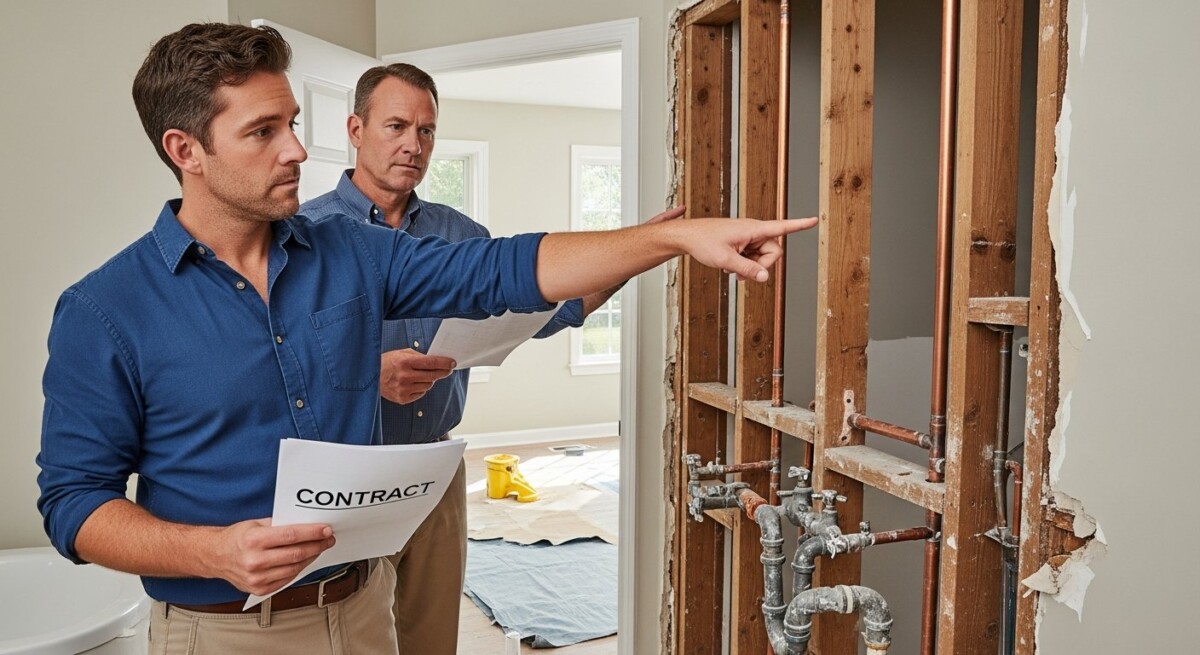
Why do homeowners struggle with this? Most people underestimate costs. They see a TV show where a kitchen is remodeled for $15,000, but they don’t account for hidden issues like old wiring, water damage, or structural problems. Older homes, especially those built before 1980, are more likely to have surprises behind the walls. If you own a fixer-upper or a home with outdated systems, you’re at higher risk for budget blowouts.
The good news is that with a clear process, you can plan a budget that protects your finances and your peace of mind. The key is to be realistic about what you want and what your home needs.
Why This Matters for Your Home
Ignoring your renovation budget isn’t just stressful,it can cause real damage to your home and your wallet. When you run out of money mid-project, you may be forced to stop work. That leaves your home in a state of disrepair, with exposed wires, open walls, or unfinished floors. This can lead to safety hazards, moisture intrusion, and even pest problems.
Delaying a necessary renovation because you don’t know how to budget also costs you money over time. A small leak under the sink can turn into a mold problem that costs thousands to remediate. An outdated electrical panel can become a fire risk. By planning your budget now, you protect your property’s value and your family’s safety.
Comfort matters too. A renovated home is more energy-efficient, quieter, and more enjoyable to live in. Every day you wait, you’re living with the problem. A well-planned budget lets you move forward with confidence.
If you notice signs of this issue in your home, it may help to speak with a qualified contractor. Request a free quote or call to explore your repair or remodeling options.
Common Problems Homeowners Experience
Homeowners often encounter the same budgeting pitfalls. One of the most common is underestimating labor costs. Many people assume they can do the work themselves, only to realize they lack the time or skill. Another issue is forgetting to include permits and inspection fees, which can add hundreds or thousands of dollars to the total.
Material costs are another trap. Prices for lumber, tile, and fixtures can vary wildly. Homeowners often pick out items at the showroom without checking if they fit the budget. Then they’re forced to downgrade mid-project, which can affect the final look and quality of the renovation.
Here are some common budget problems homeowners face:
- Hidden damage discovered after demolition (rot, mold, faulty wiring)
- Change orders and scope creep (adding new features mid-project)
- Underestimating the cost of labor for skilled trades
- Choosing materials that are out of stock or discontinued
- Not factoring in a 10,20% contingency fund for surprises
- Failing to get multiple bids and comparing apples to oranges
How Professionals Solve the Problem
Experienced contractors know how to plan a home renovation budget because they’ve done it hundreds of times. They start with a thorough inspection of your home to identify potential issues before you ever sign a contract. This upfront work saves you from nasty surprises later.
Here is the typical process a professional uses:
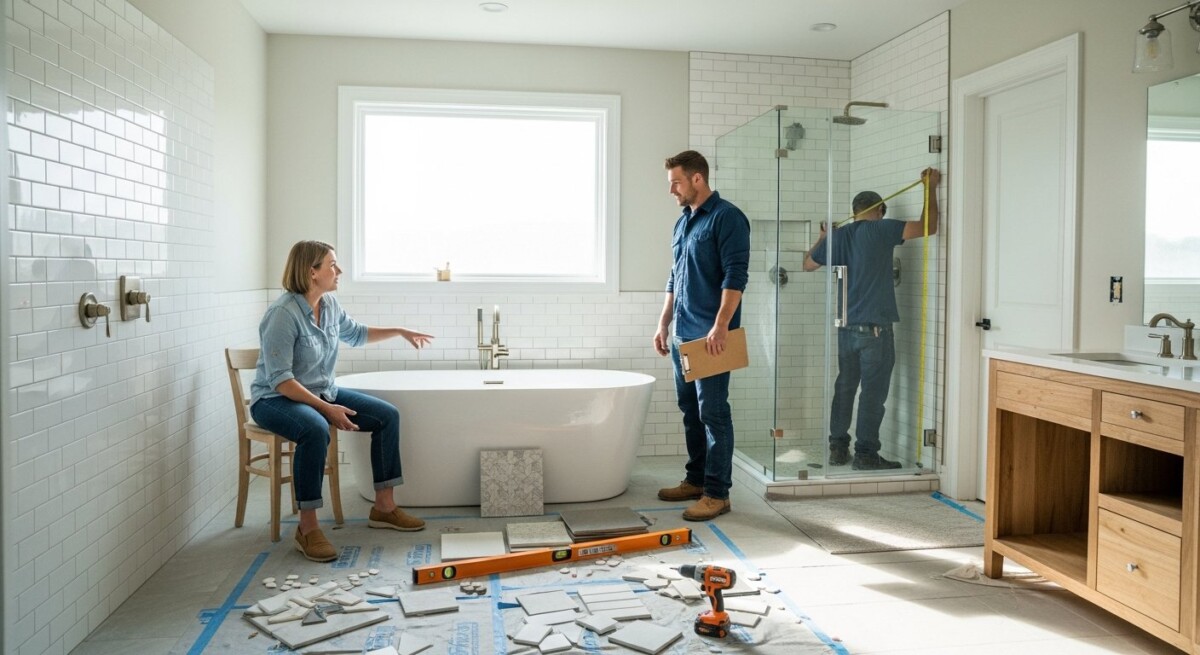
- Site visit and assessment , The contractor inspects the area, checks for structural issues, and measures the space.
- Detailed written estimate , You receive a breakdown of labor, materials, permits, and timeline. This is not a vague ballpark figure.
- Material selection , The contractor helps you choose options that fit your budget without sacrificing quality.
- Project management , The contractor coordinates subcontractors, orders materials, and handles permits so you don’t have to.
- Final walkthrough , After completion, you inspect the work together to ensure everything meets your expectations.
Professional work is safer and more reliable than DIY because contractors carry insurance, know building codes, and have relationships with suppliers. They can also spot problems you might miss. For more insight on how to compare costs, read our Average Cost of Home Renovation Projects: A Practical Guide.
A professional inspection can reveal hidden issues before they become expensive repairs. Compare contractor quotes here or call to discuss your project.
Warning Signs You Should Not Ignore
Your home often gives you clues that a renovation is needed,and that budgeting is urgent. Pay attention to these early warning signs. The sooner you act, the more control you have over the cost.
If you ignore these signs, small problems can become major repairs. For example, a cracked bathroom tile might seem cosmetic, but it could indicate water damage underneath. Over time, that water can rot the subfloor and require a full bathroom gut.
Here are warning signs that suggest you need to start planning your renovation budget now:
- Water stains on ceilings or walls (leaks from pipes or roof)
- Peeling paint or wallpaper (moisture behind walls)
- Musty odors or visible mold (poor ventilation or leaks)
- Drafts or high energy bills (poor insulation or old windows)
- Cracked tiles or grout (water damage or foundation settling)
- Outdated electrical outlets or flickering lights (overloaded circuits)
What Affects the Cost of Repairs or Installation
Several factors influence how much your renovation will cost. Understanding these helps you plan a realistic budget. The size of the room or project is the biggest factor,a full kitchen remodel costs more than a bathroom update. Materials also vary widely; custom cabinets cost more than stock, and natural stone is pricier than laminate.
Labor rates depend on your location and the complexity of the work. In urban areas, skilled trades charge more. Accessibility matters too: a second-floor bathroom is harder to work on than a ground-floor powder room. And older homes often require more prep work to bring systems up to code.
For a deeper dive into specific project costs, see our Bathroom Remodel Cost Planner: A Homeowner’s Guide to Budgeting. It breaks down what you can expect for one of the most common renovations.
Costs can vary depending on the condition of your home. The best way to know the price is to get a personalized estimate. Request free quotes from contractors or call today.
How to Choose the Right Contractor
Choosing the right contractor is just as important as setting your budget. A good contractor will help you stay on track, avoid unnecessary costs, and deliver quality work. Start by asking friends and neighbors for recommendations, or use a trusted platform like FreeQuotes.Contractors to find pre-vetted professionals.
Always interview at least three contractors before making a decision. Don’t just go with the lowest price,look for someone who communicates clearly, provides a detailed written estimate, and has experience with your type of project.
Here are tips for selecting a contractor:
- Verify their license and insurance (ask for proof)
- Read online reviews and check their Better Business Bureau rating
- Ask for a detailed estimate that lists every line item
- Get at least three quotes to compare pricing and scope
- Confirm they have experience with similar projects (e.g., kitchen remodels, bathroom renovations)
If you’re in the Los Angeles area, our guide on Understanding Home Renovation Quotes in Los Angeles offers local insights that can help you compare bids effectively.
Long-Term Benefits of Professional Work
Investing in professional renovation work pays off for years to come. First, safety improves. A licensed electrician ensures your wiring meets code, reducing the risk of fires. A skilled plumber installs pipes that won’t leak and cause mold. These aren’t just upgrades,they’re protections for your family.
Durability is another benefit. Professional contractors use quality materials and proper techniques, so your renovation lasts longer. You won’t have to redo the work in a few years because something failed. That saves you money and hassle in the long run.
Finally, a well-executed renovation boosts your home’s value. Whether you plan to sell or stay, you’ll enjoy energy savings, better curb appeal, and a more comfortable living space. The upfront cost becomes an investment in your future.
How do I start planning a home renovation budget?
Start by listing everything you want to change, then research average costs for those items in your area. Add 10,20% for unexpected issues. Finally, get quotes from at least three contractors to compare.
What percentage of my home’s value should I spend on a renovation?
A common guideline is 10,15% of your home’s current value for a single room renovation. For a kitchen or master suite, up to 20% may be reasonable. Avoid over-improving for your neighborhood.
Can I negotiate contractor quotes?
Yes, but focus on scope, not just price. Ask contractors if they can adjust materials or timeline to lower the cost. Never ask for a discount on safety or code compliance work.
What should be included in a renovation budget?
Your budget should include materials, labor, permits, dump fees, and a contingency fund. Also factor in temporary housing if the renovation makes your home unlivable for a period.
How do I avoid going over budget during a renovation?
Stick to your original plan as much as possible. Avoid making changes once demolition starts. If you must change something, ask your contractor for a written change order that includes the cost impact.
Is it cheaper to renovate room by room?
Not usually. Renovating multiple rooms at once is often more cost-effective because contractors can buy materials in bulk and work more efficiently. However, it requires a larger upfront budget.
How do I know if a contractor’s quote is fair?
Compare three quotes for the same scope of work. If one is significantly lower, ask why. A fair quote includes clear line items for labor, materials, and overhead. Avoid vague estimates.
What happens if I run out of money mid-renovation?
Work may stop, leaving your home unsafe or unfinished. To avoid this, always have a contingency fund and never spend your entire budget before the project is complete. Communicate with your contractor early if you’re worried about costs.
Planning a home renovation budget doesn’t have to be overwhelming. Start with a clear list of needs, research costs, and always leave room for surprises. The smartest move you can make is to compare quotes from multiple contractors before starting any work. This gives you a realistic picture of costs and helps you choose the right professional for your project. Request free quotes today or call to take the first step toward a successful renovation.