
Summer Home Maintenance Checklist for Heat and Storms
Use this summer home maintenance checklist for heat and storms to prevent costly repairs. Call (833)-211-1668 for expert contractor matching.

By Claire Shaw
Learn more about Handyman for guides, costs, and what to expect.
Compare Handyman Pros Near You

Enter your ZIP code to compare top-rated local professionals and request free quotes.
Summer can be a brutal season for your home. Between record-breaking heat waves that push your air conditioner to its limits and severe storms that batter roofs, siding, and gutters, the warmer months demand proactive attention. A well-executed summer home maintenance checklist for heat and storms helps you avoid costly emergency repairs, keep your energy bills in check, and protect your family from hazardous conditions. Whether you are bracing for a heat dome or preparing for hurricane season, the tasks you complete now will pay dividends when the weather turns extreme.
This guide walks you through the highest-impact maintenance items, from HVAC tune-ups to roof inspections, and helps you decide when to call a professional. By the end, you will have a clear, actionable plan that you can start this weekend. For homeowners planning larger renovations alongside seasonal upkeep, our home renovation budget planner offers a practical framework to keep projects on track without overspending.
Why a Summer Maintenance Checklist Matters
Summer is not just about sunshine and vacations. The combination of high temperatures and violent storms creates a unique set of stressors for your home. Heat causes materials to expand, caulk to crack, and cooling systems to work overtime. Storms bring wind-driven rain, hail, and flying debris that can compromise your roof and exterior. Ignoring these risks often leads to a domino effect: a small roof leak turns into attic mold, a clogged gutter causes foundation flooding, and a neglected air conditioner fails on the hottest day of the year.
A structured checklist helps you prioritize tasks based on risk and cost. It also gives you a paper trail for insurance claims if a storm does cause damage. Many homeowners find that spending a few hundred dollars on preventive maintenance saves thousands in emergency repairs. The key is to tackle the most critical items first, especially those that affect your home's envelope (roof, siding, windows) and your cooling system.
Beyond cost savings, a summer checklist enhances safety. Clogged dryer vents, damaged electrical outlets near water sources, and pest infestations can all become serious hazards during hot weather. By addressing these issues proactively, you protect your family and your investment. The checklist below is organized by system, so you can work through it methodically or focus on the areas most vulnerable in your region.
HVAC Tune-Up and Cooling System Checks
Your air conditioning system is the unsung hero of summer, and it deserves a thorough check before the first heat wave hits. A well-maintained HVAC unit runs more efficiently, lasts longer, and keeps your indoor air quality healthy. Start by scheduling a professional tune-up with a licensed HVAC contractor. They will clean the condenser coils, check refrigerant levels, inspect electrical connections, and test the system's overall performance. This service typically costs between $100 and $200 but can prevent a mid-summer breakdown that could cost ten times as much.
While the professional handles the technical work, you can take several DIY steps to support your system. Changing the air filter is the simplest yet most overlooked task. A clogged filter restricts airflow, forcing your system to work harder and driving up energy bills. During peak summer, check your filter every month and replace it when it looks dirty. If you have pets or allergies, consider a higher MERV rating for better filtration.
Thermostat settings also play a big role in efficiency and comfort. Programmable or smart thermostats allow you to set higher temperatures when you are away and cool down before you return. The U.S. Department of Energy recommends setting your thermostat to 78 degrees Fahrenheit when you are home and higher when you are out. This small adjustment can save you up to 10 percent on cooling costs. Also, check that your outdoor unit is free of debris, leaves, and vegetation. Clear at least two feet of space around the condenser to ensure proper airflow.
If your system is more than 10 to 15 years old, consider whether an upgrade makes sense. Modern units are far more energy-efficient, and a new installation can significantly lower your summer bills. To compare costs and find pre-vetted HVAC professionals in your area, you can request free quotes through Contractor.Homes, a platform that connects homeowners with local contractors for HVAC and other home services.
Roof, Siding, and Gutter Inspections for Storm Readiness
Your roof is your home's first line of defense against summer storms. Wind, hail, and heavy rain can loosen shingles, damage flashing, and create leaks that may not become obvious until water stains appear on your ceiling. A thorough roof inspection now can catch small issues before they escalate. If you are comfortable on a ladder, you can do a visual check from the ground using binoculars. Look for missing, curling, or cracked shingles, as well as granules accumulating in gutters (a sign of shingle wear). Check the flashing around chimneys, skylights, and vents for gaps or rust.
However, for a comprehensive assessment, especially on steep or high roofs, hiring a professional is the safer choice. A roofing contractor can identify subtle damage, such as soft spots or compromised underlayment, that untrained eyes might miss. They can also recommend repairs or preventive treatments like sealants. While you are at it, inspect your siding for cracks, warping, or loose panels. Caulk any gaps around windows and doors to prevent water intrusion. Wood siding may need repainting or staining to protect against moisture and UV damage.
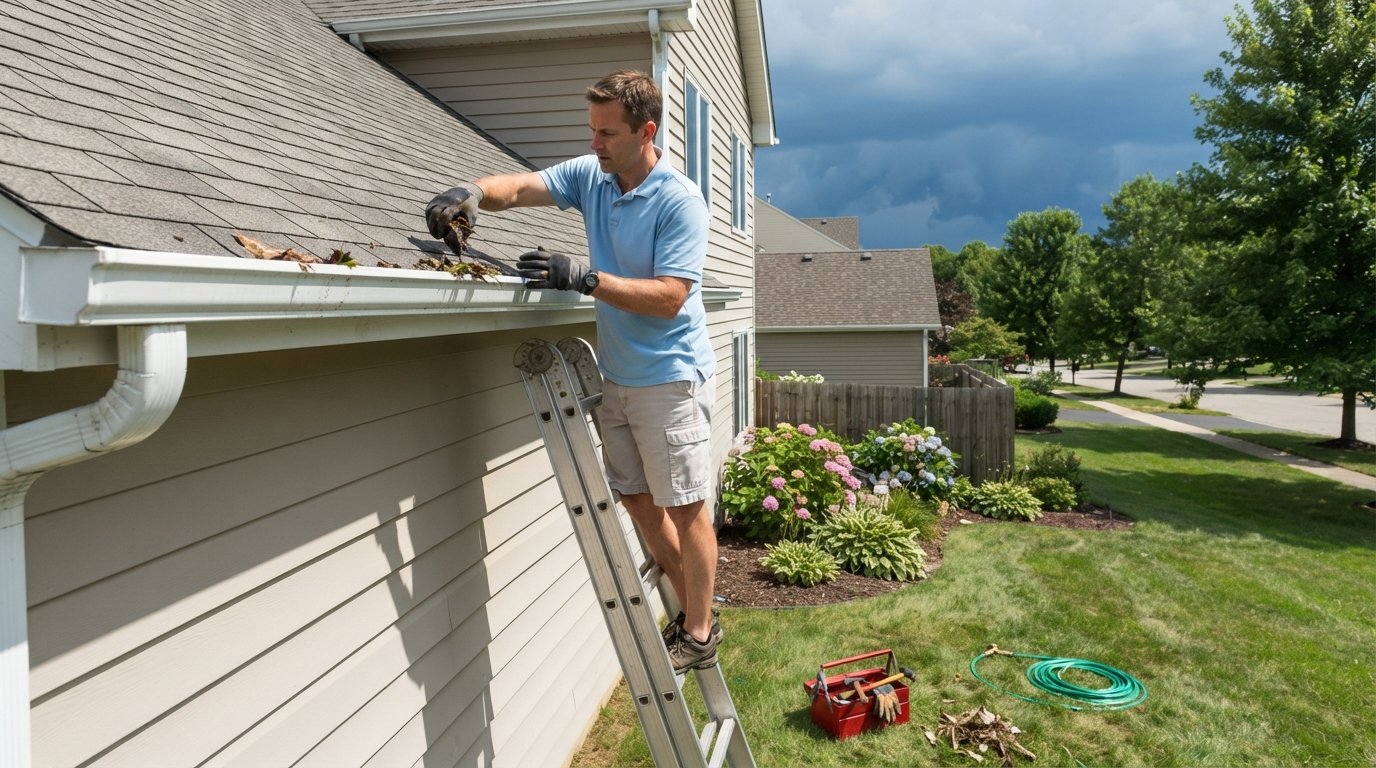
Gutters and downspouts are critical for channeling stormwater away from your foundation. Clogged gutters overflow, sending water into your basement or crawl space and causing costly water damage. Clean them thoroughly, removing leaves, twigs, and debris. Check that downspouts discharge water at least six feet from the foundation. If you have gutter guards, inspect them for damage and clear any debris that has accumulated on top. Consider installing downspout extensions if water pools near your foundation.
Storm readiness also includes securing outdoor items that could become projectiles in high winds. Patio furniture, grills, potted plants, and decorative items should be anchored or stored in a garage or shed when a storm is forecast. Trim tree branches that hang over your roof or near power lines. This simple step reduces the risk of damage from falling limbs and keeps your family safer during severe weather.
Exterior Sealing, Caulking, and Pest Prevention
Summer heat and humidity can wreak havoc on your home's exterior seals. Caulk and weatherstripping around windows and doors can dry out, crack, and pull away, creating gaps that let in water, insects, and conditioned air. A thorough sealing session now will improve energy efficiency and prevent moisture problems. Start by inspecting all exterior joints, including around window frames, door frames, corner trim, and where siding meets other materials. Remove old, failing caulk with a putty knife and apply a fresh bead of exterior-grade silicone or polyurethane caulk. This task is DIY-friendly and requires only a caulk gun, a scraper, and a few hours.
Pest prevention is another crucial summer task. Insects and rodents seek shelter from the heat and find their way into homes through tiny cracks and openings. Seal gaps around utility penetrations (pipes, wires, and vents) with expanding foam or caulk. Install or repair screens on windows and doors, and check the seal on your garage door. Keep firewood and debris away from the house, and trim vegetation that touches the exterior. If you notice signs of pests (droppings, gnaw marks, or nests), call a licensed pest control professional promptly.
While you are sealing, do not forget your deck or patio. Wood decks need regular sealing or staining to protect against UV damage and moisture. Inspect for loose boards, protruding nails, and rot. Power wash the surface, apply a fresh coat of sealer, and tighten any loose railings. This not only extends the life of your deck but also improves safety for summer gatherings.
DIY vs. Professional: When to Call a Contractor
Many summer maintenance tasks are safe and straightforward for DIYers, but some require the expertise and equipment of a professional. Knowing the difference can save you time, money, and potential injury. As a rule of thumb, any task that involves working at height (roof, gutters on a two-story home), handling electrical systems, or diagnosing complex HVAC issues should be left to licensed professionals. Similarly, if you suspect structural damage, mold growth, or pest infestations, call a specialist.
Here is a quick breakdown of common summer tasks and who should handle them:
- DIY-friendly: Changing HVAC filters, caulking windows, cleaning gutters (single-story), sealing a deck, trimming shrubs, and installing weatherstripping.
- Call a pro: HVAC tune-ups and repairs, roof inspections and repairs, electrical work, pest control, and major exterior painting or sealing on high surfaces.
- Use caution: Gutter cleaning on multi-story homes, power washing (can damage siding if done incorrectly), and any task requiring a ladder above one story.
When you do hire a contractor, always verify their license, insurance, and references. Get at least three written estimates and compare scope and pricing carefully. Platforms like FreeQuotes.Contractors can simplify this process by connecting you with pre-vetted local pros and providing free, no-obligation quotes. This saves you the hassle of vetting multiple contractors on your own and helps you make an informed decision.
Creating Your Summer Maintenance Schedule
To make the most of your summer maintenance checklist, break it down into a schedule. Early summer (June) is ideal for HVAC tune-ups, roof inspections, and gutter cleaning before storm season peaks. Mid-summer (July) is a good time to tackle caulking, sealing, and pest prevention, as well as checking your deck and patio. Late summer (August) is the time to review your insurance coverage, document any storm damage, and plan for fall tasks. By spreading the work out, you avoid overwhelm and ensure nothing falls through the cracks.
Keep a simple maintenance log to track what you have done and when. Note any repairs made, products used, and contractor contact information. This record is invaluable when you sell your home or file an insurance claim. It also helps you stay on top of recurring tasks like filter changes and gutter cleaning.
Finally, remember that summer maintenance is an investment in your home's resilience. The steps you take now will reduce the likelihood of emergency repairs, lower your energy bills, and create a safer, more comfortable living environment for your family. Start with the highest-risk items, and do not hesitate to call a professional when a task exceeds your comfort or skill level. Your future self will thank you when the next heat wave or storm rolls through.