
What Does a General Contractor Do for Your Home?
A clear explanation of what a general contractor does, why homeowners need one for major projects, and how they manage your renovation or repair from start to finish.

By Elena John
Learn more about Exterior Painting for guides, costs, and what to expect.
Compare Exterior Painting Pros Near You

Enter your ZIP code to compare top-rated local professionals and request free quotes.
You’ve finally decided to tackle that kitchen remodel, or perhaps you’ve discovered water damage in your ceiling that’s beyond a simple patch. You know you need help, but the world of construction feels overwhelming. Who manages the plumber, the electrician, and the carpenter? Who pulls the permits and ensures the work meets code? This is the exact moment a homeowner realizes they need to understand what a general contractor does. A general contractor is the central manager for your home project, the professional who transforms your vision,or addresses a pressing problem,into a finished, safe, and high-quality reality.
Understanding What a General Contractor Does
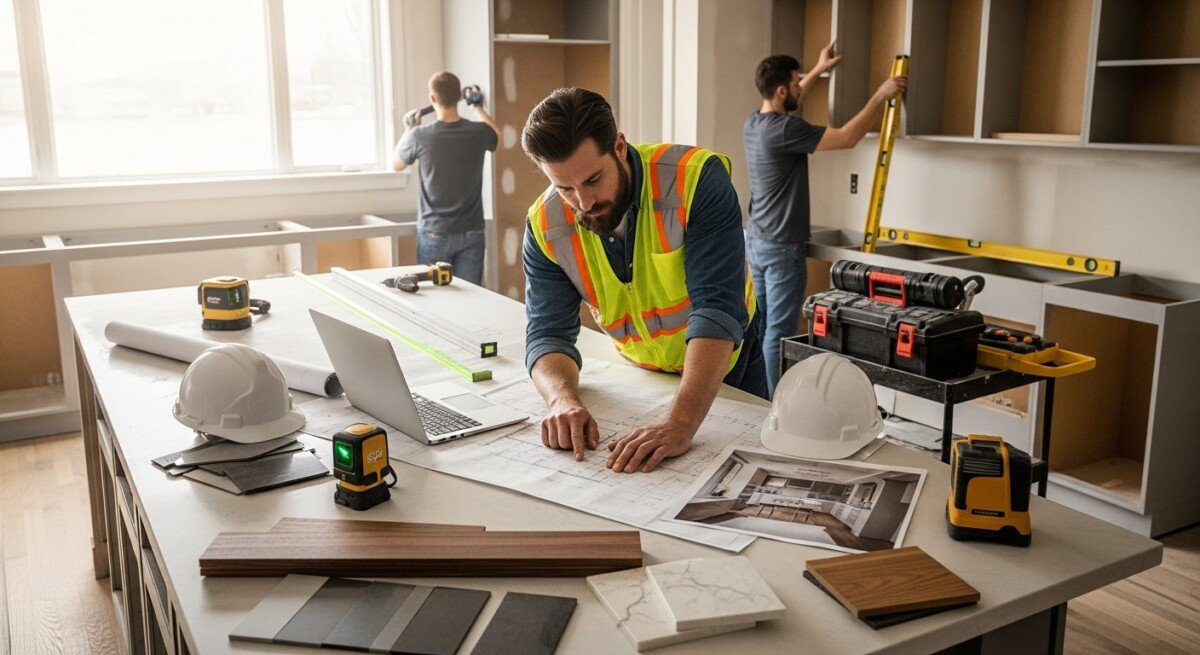
Think of a general contractor (GC) as the CEO of your home renovation or repair project. They are the licensed professional responsible for the overall coordination, execution, and completion of the work. While you might hire individual specialists yourself, a GC brings them all together under one umbrella of responsibility.
Their core role is to manage the entire process from start to finish. This includes planning, hiring and supervising subcontractors, sourcing materials, securing permits, and ensuring the project stays on schedule and within budget. They are your single point of contact, saving you from the stress of managing a dozen different tradespeople.
The Difference Between a GC and a Handyman
It’s important to distinguish a general contractor from a handyman. A handyman is ideal for small, specific tasks like fixing a leaky faucet or installing a ceiling fan. A general contractor is for larger, more complex projects that involve multiple trades, structural changes, or significant investment. If your project requires a building permit, you almost certainly need a GC.
Why This Matters for Your Home
Hiring a general contractor isn’t just a convenience; it’s a critical decision that protects your investment and your safety. A major home project involves complex systems working together. A mistake in framing can lead to structural issues, while improper electrical or plumbing work can create fire or water damage hazards.
Beyond safety, a GC safeguards your home’s value. Poor workmanship can decrease your property value and lead to costly corrections down the road. A professional ensures the job is done right the first time, using proper techniques and materials that stand the test of time. They handle the hidden complexities, so you don’t have to become an overnight expert in building codes and material specifications.
If you notice signs of a major issue in your home or are planning a significant upgrade, it may help to speak with a qualified contractor. Request a free quote or call to explore your repair or remodeling options.
Common Problems Homeowners Experience Without a GC
Attempting to manage a large project alone, or hiring individual trades without coordination, often leads to predictable headaches. The timeline balloons because the electrician is waiting on the framer, who was delayed because materials didn’t arrive. Costs spiral from unexpected issues discovered mid-project with no one to manage the budget.
Homeowners also face significant quality and liability risks. If a subcontractor you hired directly causes damage or does shoddy work, you are solely responsible for fixing it and any resulting problems. There’s no overseeing authority to guarantee the work meets a professional standard. Common issues include:
- Project Gridlock: Tradespeople working out of sequence, causing delays and extra costs.
- Budget Overruns: No single person managing the overall budget, leading to surprise expenses.
- Code Violations: Unpermitted work or work that fails inspection, which can halt your project and require expensive re-dos.
- Quality Inconsistency: Different workers with different standards, resulting in a patchy final product.
- Warranty Confusion: Multiple warranties from different subs, with no one to coordinate if a problem arises later.
- Personal Time Drain: You become the full-time project manager, dealing with scheduling, problems, and deliveries.
How Professionals Solve the Problem
A skilled general contractor brings order, expertise, and accountability to your home project. They start by thoroughly understanding your goals and the current condition of your home. Then, they develop a detailed plan and a clear contract, setting expectations for everyone involved.
Their value lies in their network and management skill. They have trusted relationships with quality subcontractors and suppliers, ensuring reliable work and often better pricing. They proactively solve problems, manage daily operations, and keep you informed without overwhelming you with details. Their process typically follows these steps:
- Consultation & Estimate: They assess your project, discuss your vision and budget, and provide a detailed proposal.
- Planning & Permitting: They create a project schedule, finalize material selections, and pull all necessary building permits.
- Pre-Construction: They mobilize their team, schedule subcontractors, and order materials to be delivered on time.
- Construction & Management: They oversee all daily work, ensure quality control, manage inspections, and keep the project on track.
- Final Walkthrough & Completion: They conduct a detailed review with you, address any final touch-ups, and ensure you are completely satisfied before closing out the project.
A professional inspection can reveal hidden issues before they become expensive repairs. Compare contractor quotes here or call to discuss your project.
Warning Signs You Should Not Ignore
Some home projects are obviously big, like a full addition. But other situations subtly indicate you need a general contractor’s expertise. Ignoring these signs can allow small issues to evolve into major, dangerous, and expensive problems.
For example, a persistent leak might seem like a plumber’s job, but if it has caused rot in floor joists or mold in walls, the repair now involves carpentry, demolition, and possibly mold remediation. A GC coordinates this multi-faceted repair seamlessly. Be alert to these warning signs:
- Multiple Trades Required: Your project needs an electrician, a plumber, and a carpenter.
- Structural Changes: You want to remove a wall, add a room, or alter the roof line.
- Extensive Water Damage: Leaks that have affected drywall, flooring, or structural elements.
- Whole-System Upgrades: Replacing all the plumbing in your house or updating the main electrical panel.
- Foundation or Major Exterior Issues: Cracks in the foundation, failing siding, or a new roof.
- You Feel Overwhelmed: The sheer complexity of planning, permits, and people management is stressing you out.
What Affects the Cost of Hiring a General Contractor
The cost of a general contractor’s services is not a single line item; it’s wrapped into the total project cost, typically as a percentage (often 10-20%) for overhead and profit. The final price of your project depends on several key factors. Understanding these can help you interpret quotes more effectively.
First, the scope and size of the project are the biggest drivers. A bathroom remodel costs less than a whole-house renovation. Second, material selections have a huge range,custom cabinets cost more than stock, and hardwood floors are priced differently than laminate. The age and condition of your home also matter greatly; older homes often have hidden surprises (like outdated wiring or plumbing) that must be addressed during renovation, adding to the cost.
Costs can vary depending on the condition of your home and your project goals. The best way to know the price is to get a personalized estimate. Request free quotes from contractors or call today.
How to Choose the Right Contractor
Selecting the right general contractor is the most important step in ensuring a successful project. This choice determines your experience, the quality of the work, and the long-term outcome. It’s about finding a trustworthy partner, not just the lowest price. For a deeper dive into this critical selection process, our guide on finding a trusted general contractor near you offers a detailed checklist.
Start by verifying their credentials. A legitimate contractor should be licensed, bonded, and insured,this protects you from liability. Ask for and check references from past clients with projects similar to yours. Look at online reviews, but also ask to see a portfolio of completed work. When you get estimates, ensure they are detailed and compare the same scope of work. Useful tips include:
- Verify License & Insurance: Ask for their license number and proof of liability and workers’ compensation insurance.
- Check References & Reviews: Speak to past clients and read reviews on multiple platforms.
- Get Detailed, Written Estimates: Compare quotes that break down labor, materials, and other costs line by line.
- Review the Contract Thoroughly: Ensure it includes payment schedule, timeline, specific materials, and a process for handling changes.
- Assess Communication: Choose someone who listens, answers questions clearly, and makes you feel comfortable.
Long-Term Benefits of Professional Work
Investing in a professional general contractor pays dividends long after the project is complete. The immediate benefit is a beautifully finished space or a reliably repaired home. But the deeper value lies in durability, safety, and peace of mind. Professional work adheres to building codes, which are designed for safety and longevity.
This quality workmanship protects and can significantly increase your home’s resale value. Future buyers and home inspectors can recognize professional-grade renovations. Furthermore, many contractors offer warranties on their work, giving you a direct point of contact if any issues arise. You also gain the benefit of energy efficiency when systems are installed correctly, potentially lowering your utility bills for years to come. Ultimately, you avoid the cycle of constant repairs that often follows DIY or subpar work.
FAQs
How do I know if I need a general contractor or just a handyman?
If your project involves only one trade (like painting a room) or is a minor repair, a handyman may suffice. If it requires a building permit, involves multiple trades (electrical, plumbing, carpentry), or is a major renovation, you need a general contractor. When in doubt, consult with a GC for an assessment.
What questions should I ask a general contractor before hiring?
Ask about their experience with projects like yours, request proof of license and insurance, ask for a list of references, and inquire about who will be the on-site supervisor. Also, ask how they handle change orders and what their typical payment schedule looks like.
What is included in a general contractor’s estimate?
A detailed estimate should include costs for labor, materials, subcontractors, permits, and waste disposal. It should also outline the project timeline, payment schedule, and a description of the work to be performed, including specific brands and models of materials where applicable.
Why is a licensed general contractor essential?
A license ensures the contractor has met state or local requirements for knowledge and competency. It also provides you with recourse if something goes wrong. For a comprehensive look at this topic, see our article explaining why a licensed general contractor is essential for your home, which covers legal, safety, and financial protections.
How do general contractors charge for their services?
Most commonly, GCs charge a percentage of the total project cost (typically 10-20%) as their management fee. Some may use a fixed-price (lump sum) contract for very well-defined projects, or a cost-plus model (materials + labor + a markup) for projects with many unknowns.
Should I get multiple quotes for my project?
Yes, it is highly recommended to get at least three detailed quotes. This allows you to compare not just price, but also the proposed approach, materials, and timeline. It helps you find the best value and a contractor you communicate well with.
What happens during a general contractor consultation?
The contractor will visit your home, discuss your goals and budget, assess the existing conditions, take measurements, and ask questions to understand your vision. They use this information to create a detailed proposal and estimate for your review.
How can I find a reliable local general contractor?
Start with personal recommendations from friends or neighbors. You can also use reputable online directories that verify licenses and collect reviews. For more targeted strategies, our resource on finding a reliable local general contractor in your area provides practical steps for your search.
Understanding what a general contractor does is the first step toward a successful and stress-free home improvement project. They are the key to navigating complexity, ensuring quality, and protecting your most valuable asset. If you’re facing a repair or dreaming of a remodel, taking action early is wise. Start by gathering information and comparing detailed quotes from qualified professionals to understand your options and make a confident decision for your home’s future.
Learn more about Exterior Painting for guides, costs, and what to expect.
Compare Exterior Painting Pros Near You
Enter your ZIP code to compare top-rated local professionals and request free quotes.