What Increases Home Renovation Cost: Key Factors Homeowners Must Know
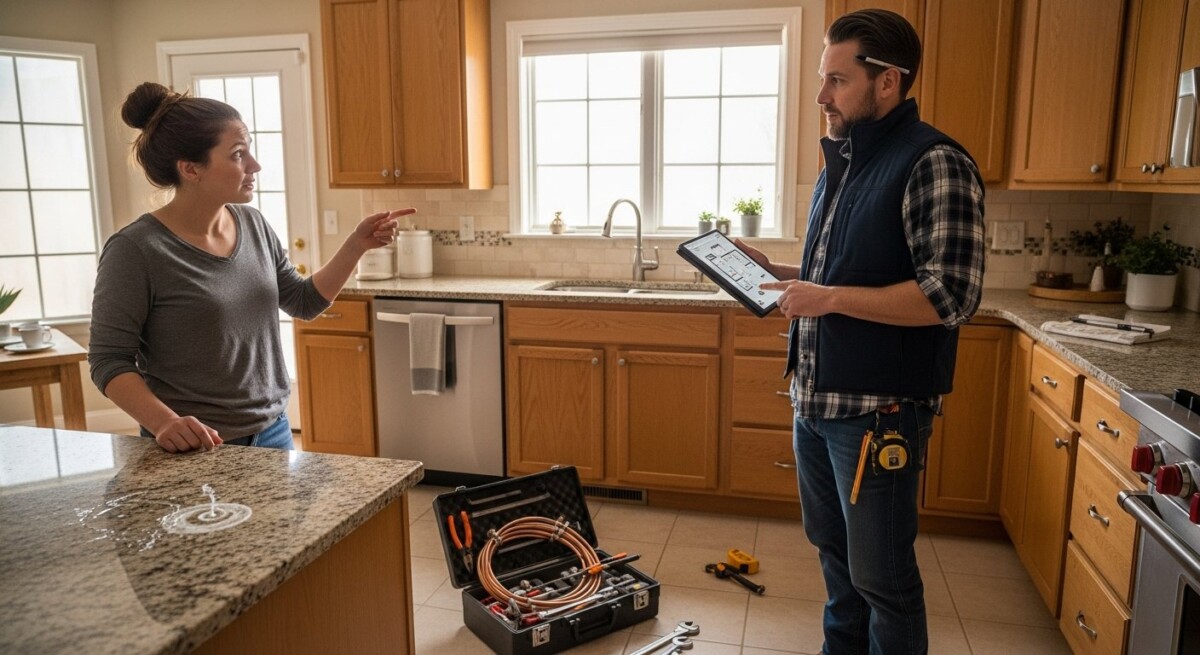
You finally decided to remodel your kitchen or finish the basement. You set a budget, picked out materials, and felt ready to move forward. Then the contractor’s estimate arrived,and it was thousands of dollars more than you expected. You start wondering: what increases home renovation cost so much, and did I miss something obvious?
This scenario is more common than most homeowners realize. Hidden problems, outdated systems, and unexpected structural issues can turn a straightforward renovation into a much larger project. If ignored, these surprises don’t just strain your wallet,they can delay your timeline and compromise the final result.
Understanding what increases home renovation cost is the first step toward keeping your project on budget. By learning the common cost drivers, you can plan better, avoid painful surprises, and make informed decisions that protect both your home and your finances.
Understanding What Increases Home Renovation Cost
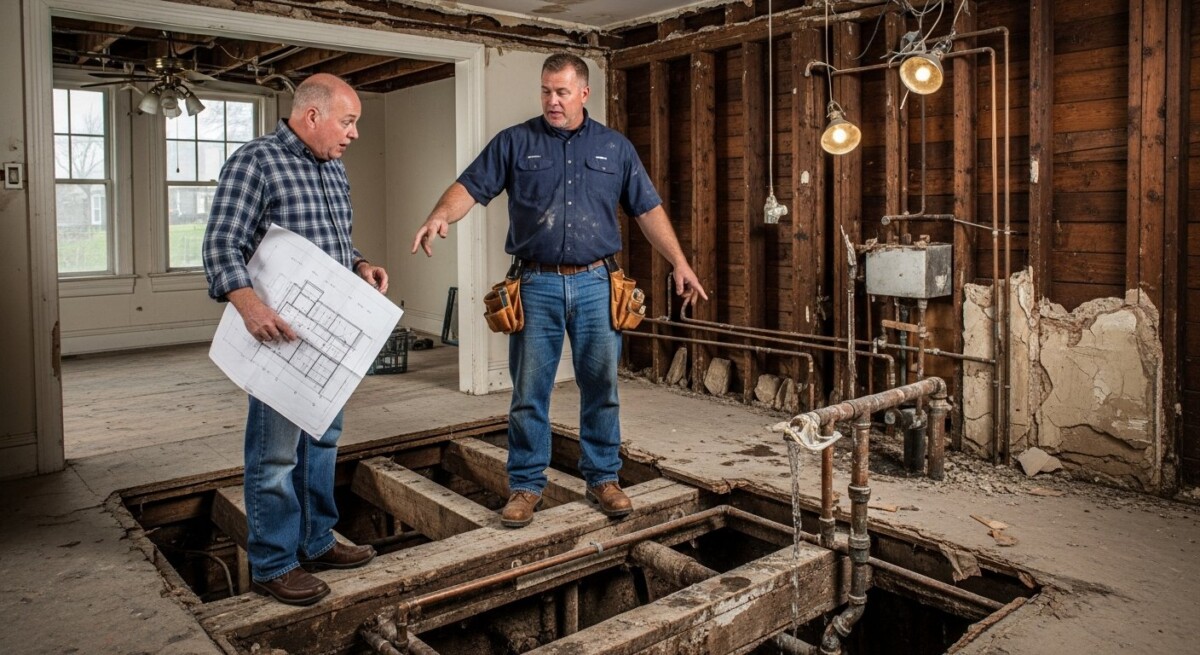
Simply put, renovation costs rise when the scope of work expands beyond the original plan. This often happens when contractors discover issues hidden behind walls, under floors, or inside mechanical systems. What looked like a simple bathroom update might reveal water-damaged subflooring, outdated plumbing, or electrical wiring that doesn’t meet current code.
These discoveries are not random. Older homes,especially those built before 1980,are more likely to have aging materials, non-standard construction methods, or deferred maintenance that adds to the final bill. Homes that have undergone multiple previous renovations can also hide layers of inconsistent work that must be corrected.
The good news? Most cost increases are predictable once you know what to look for. A thorough pre-renovation inspection can identify many of these issues before work begins, giving you a realistic budget from the start.
Why Surprise Costs Happen
Surprise costs typically fall into three categories: structural issues, code compliance upgrades, and material or labor price changes. Structural issues may include rotten beams, foundation cracks, or insufficient load-bearing capacity. Code upgrades often involve bringing electrical panels, plumbing vents, or insulation up to modern standards. Material and labor costs can shift due to supply chain fluctuations or regional demand.
Why This Matters for Your Home
Ignoring the factors that drive up renovation costs can lead to more than just budget strain. Unaddressed problems like hidden water damage or outdated wiring pose real safety risks to your family. Mold growth, electrical fires, and structural failures are serious consequences that far outweigh the cost of proper repairs.
Comfort also takes a hit. A renovation that fails to address insulation gaps, poor ventilation, or inefficient windows will leave you with higher energy bills and rooms that never feel quite right. Over time, these issues compound, turning what should be a refreshed home into a source of ongoing frustration.
In our guide on average cost of home renovation projects, we explain how these factors affect overall pricing. The sooner you understand what increases home renovation cost in your specific situation, the better equipped you are to protect your investment.
If you notice signs of this issue in your home, it may help to speak with a qualified contractor. Request a free quote or call to explore your repair or remodeling options.
Common Problems Homeowners Experience
Many homeowners discover cost drivers only after demolition begins. A kitchen remodel might reveal that the walls lack proper insulation, or a bathroom renovation could expose corroded drain pipes that need full replacement. These discoveries are not rare,they are the norm in older homes.
Beyond hidden damage, some cost increases stem from the project itself. Adding square footage, upgrading to premium finishes, or relocating plumbing fixtures all require more time and materials. Homeowners who change their minds mid-project also face change orders that add labor and material costs.
Here are common issues that increase renovation costs:
- Hidden water damage or mold behind walls or under flooring
- Outdated electrical systems that need rewiring to meet code
- Aging or corroded plumbing that must be replaced
- Structural issues like sagging beams or foundation cracks
- Asbestos or lead paint requiring specialized abatement
- Unexpected permit fees or inspection requirements
How Professionals Solve the Problem
Experienced contractors know exactly where to look for hidden cost drivers. They start with a thorough inspection that goes beyond surface-level observations. Using moisture meters, thermal imaging cameras, and structural assessments, they identify problems before work begins,so you know the true cost upfront.
Here is how a professional typically handles a renovation project:
- Initial consultation and inspection to assess the property and identify potential issues
- Detailed scope of work outlining every task, material, and timeline
- Transparent pricing with line-item estimates for labor, materials, permits, and contingencies
- Permit handling and code compliance management
- Quality execution with regular progress updates and change order protocols
Professional work is safer and more reliable than DIY fixes because contractors carry insurance, guarantee their work, and have relationships with suppliers that can reduce material costs. Trying to cut corners often leads to mistakes that cost more to fix later. For tips on keeping your budget manageable, see our article on how to reduce home renovation costs.
A professional inspection can reveal hidden issues before they become expensive repairs. Compare contractor quotes here or call to discuss your project.
Warning Signs You Should Not Ignore
The best way to avoid surprise cost increases is to recognize early warning signs before you start planning your renovation. These signs often appear months or years before a major project, but many homeowners overlook them or assume they are minor annoyances.
Pay attention to these red flags that suggest underlying problems may inflate your renovation costs:
- Musty odors or visible mold in basements, bathrooms, or around windows
- Peeling paint or wallpaper that indicates moisture behind walls
- Squeaky or uneven floors that may signal subfloor damage
- Flickering lights or frequently tripped breakers suggesting outdated wiring
- Slow drains or gurgling toilets that point to plumbing issues
- Cracks in walls, ceilings, or foundations that could be structural
Addressing these issues early,before demolition begins,can save thousands. A simple plumbing repair today costs far less than replacing rotted subflooring after a bathroom renovation is underway.
What Affects the Cost of Repairs or Installation
Several factors determine how much a renovation will actually cost. Understanding these variables helps you budget realistically and compare contractor quotes accurately.
Project size and complexity are the biggest drivers. A full kitchen remodel costs more than a partial update because it involves demolition, new cabinetry, countertops, appliances, flooring, and often plumbing or electrical relocation. Similarly, finishing a basement requires more work than simply painting a room.
Material quality plays a major role. Solid hardwood flooring costs more than laminate, and custom cabinetry costs more than stock options. Labor rates vary by region and trade, with skilled electricians and plumbers commanding higher hourly rates. Accessibility also matters,renovating a third-floor bathroom in a walk-up building costs more than a first-floor powder room. Home age often dictates how much hidden work is needed, as older homes may require extensive updates to meet modern codes.
Costs can vary depending on the condition of your home. The best way to know the price is to get a personalized estimate. Request free quotes from contractors or call today.
How to Choose the Right Contractor
Selecting the right contractor is one of the most important decisions you will make. A skilled professional can help you navigate what increases home renovation cost and avoid unnecessary expenses. A poor choice can lead to delays, budget overruns, and subpar work.
Follow these tips when evaluating contractors:
- Verify licenses and insurance to protect yourself from liability
- Read customer reviews on independent platforms like Google or Better Business Bureau
- Ask for detailed written estimates that break down labor, materials, permits, and contingencies
- Compare at least three quotes to understand market pricing and avoid overpaying
- Confirm experience with projects similar to yours in size, style, and complexity
For homeowners in certain regions, local market knowledge matters even more. If you are planning a project in Arizona, for example, our guide on home renovation bids in Phoenix Arizona offers specific advice for getting accurate quotes in that market.
Long-Term Benefits of Professional Work
Investing in professional renovation work pays off in multiple ways over time. Unlike quick fixes or DIY attempts, professional results are built to last. Proper installation, quality materials, and code-compliant work mean fewer repairs and replacements down the road.
Improved safety is perhaps the most important benefit. Professional electricians and plumbers ensure your systems operate correctly and safely, reducing the risk of fires, floods, or carbon monoxide leaks. Energy efficiency also improves when insulation, windows, and HVAC systems are properly installed, lowering your monthly utility bills.
Home value increases significantly with quality renovations. Buyers are willing to pay more for a home with a professionally finished basement, updated bathroom, or modern kitchen. Finally, reduced maintenance means you spend less time and money on future repairs, giving you peace of mind and more enjoyment from your home.
Frequently Asked Questions
What is the biggest factor that increases home renovation cost?
The biggest factor is usually hidden structural or system issues discovered after demolition begins. Water damage, outdated wiring, and foundation problems can add thousands to a project. A pre-renovation inspection helps identify these issues upfront.
How can I avoid surprise costs during a renovation?
Get a thorough inspection before starting work, ask for a detailed written estimate with a contingency line item, and avoid making changes once construction begins. Comparing multiple contractor quotes also helps you understand realistic pricing.
Does the age of my home affect renovation costs?
Yes, significantly. Homes built before 1980 often have outdated electrical, plumbing, and insulation that must be brought up to current codes. They may also contain hazardous materials like asbestos or lead paint that require specialized removal.
Should I get multiple quotes for my renovation project?
Absolutely. Comparing at least three quotes helps you understand market rates, identify unusually high or low bids, and choose a contractor who offers fair pricing and clear communication. It also gives you leverage in negotiations.
What is a reasonable contingency budget for a renovation?
Most professionals recommend setting aside 10% to 20% of your total budget for unexpected costs. For older homes or projects involving structural changes, aim closer to 20%. This cushion covers surprises without derailing your project.
Can I reduce renovation costs by doing some work myself?
You can save money on demolition, painting, or simple finishing work if you have the skills and time. However, leave electrical, plumbing, and structural work to licensed professionals. DIY mistakes in these areas often cost more to fix than hiring a pro initially.
How do material choices affect renovation costs?
Material quality and type directly impact pricing. Custom cabinetry, natural stone countertops, and hardwood flooring cost more than stock options, laminate, or engineered wood. Your contractor can help you balance quality with budget.
What should I look for in a contractor’s estimate?
A good estimate includes a clear scope of work, line-item pricing for labor and materials, permit fees, a timeline, and payment schedule. Avoid estimates that are vague or significantly lower than others, as they may hide future charges.
Understanding what increases home renovation cost empowers you to plan smarter, budget better, and avoid stressful surprises. Whether you are updating a single room or tackling a whole-house remodel, early planning and professional guidance make all the difference. Start by comparing contractor quotes to see realistic pricing for your specific project,and take the first step toward a successful renovation.