What Is an Itemized Contractor Estimate and Why You Need One

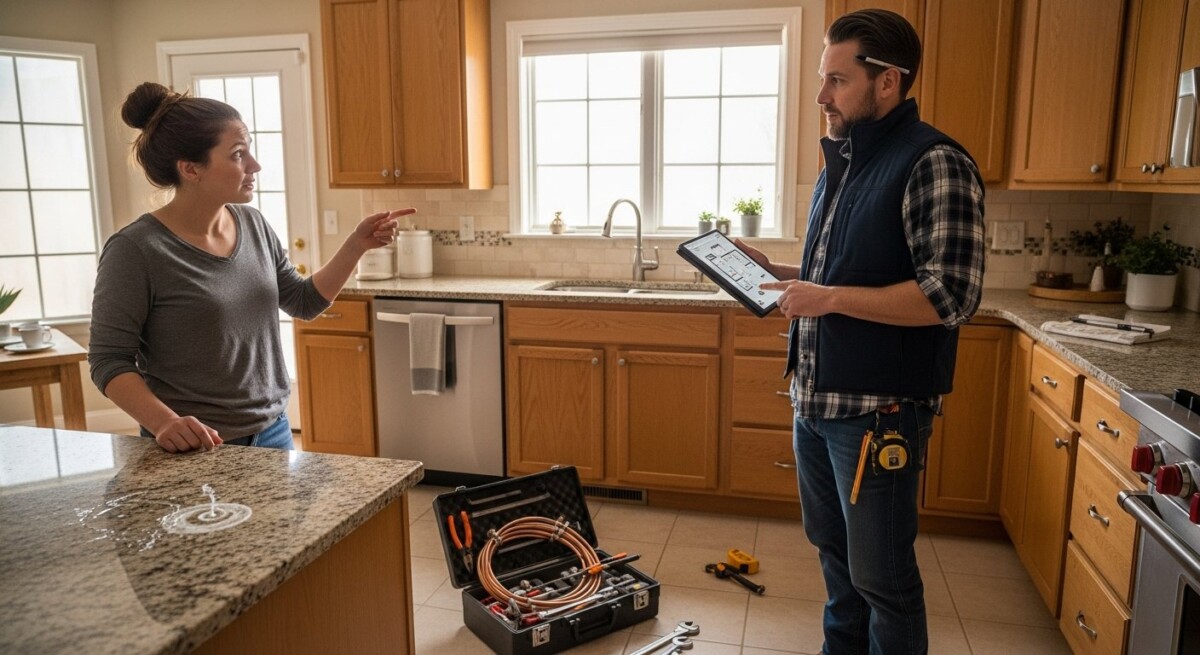
You’re finally ready to renovate your bathroom or repair that leaky roof. The contractor hands you a single-page quote with one lump sum and a vague description like “kitchen remodel , $18,500.” You nod, but a quiet worry settles in. What exactly are you paying for? Is the lumber included? What about permits? This moment of uncertainty is exactly why understanding what is an itemized contractor estimate can save you thousands of dollars and countless headaches.
An itemized estimate breaks down every cost,materials, labor, permits, disposal fees,into clear, separate line items. Without it, homeowners often discover hidden charges mid-project or realize they’re being overcharged for basic supplies. If that sounds familiar, you’re not alone. Many homeowners accept a lump-sum quote only to face surprise costs later. The good news is that requesting an itemized estimate puts you back in control.
Understanding What Is an Itemized Contractor Estimate
An itemized contractor estimate is a detailed document that lists each component of your project and its associated cost. Instead of one big number, you see individual prices for materials like lumber, drywall, and fixtures, plus separate labor charges for each trade (plumber, electrician, carpenter). It also includes line items for permits, cleanup, and even dumpster rental.
This type of estimate matters because it creates transparency. You can see exactly where your money goes and compare quotes from different contractors on a line-by-line basis. For example, one contractor might charge $500 for a vanity while another charges $800,but with an itemized list, you spot the difference instantly. This clarity helps you make informed decisions and avoid overpaying.
Itemized estimates are most common for larger projects like whole-home remodels, kitchen renovations, and roof replacements. However, even smaller jobs like fence installation or bathroom tile work benefit from this approach. If a contractor hesitates to provide an itemized estimate, that’s a red flag worth paying attention to.
What Does a Typical Itemized Estimate Include?
A thorough itemized estimate typically includes: a project description, material costs (brand, quantity, unit price), labor costs (hourly rate or flat fee per task), permit fees, dump fees, equipment rental, and a timeline for payment milestones. Some contractors also include a contingency line item (usually 10-15% of the total) to cover unexpected issues like hidden water damage or outdated wiring.
Why This Matters for Your Home
Without an itemized estimate, you’re essentially signing a blank check. If the contractor underestimates material costs, you may receive a change order asking for more money. If they overestimate, you’ll never know you paid too much. This lack of transparency can lead to budget blowouts that force you to pause the project or take out a loan.
There are also safety and quality risks. A lump-sum quote might hide the fact that the contractor plans to use cheaper, substandard materials. For instance, if your roofing estimate doesn’t list the specific shingle brand and weight, you could end up with a roof that fails in five years instead of thirty. An itemized estimate protects your investment by ensuring you get what you pay for.
Delaying the request for a detailed estimate can cost you more than money. Projects that go over budget often get rushed, leading to poor workmanship. Worse, you might run out of funds before critical safety features,like fire-rated drywall or proper ventilation,are installed. Getting an itemized estimate upfront prevents these scenarios.
If you notice signs of this issue in your home, it may help to speak with a qualified contractor. Request a free quote or call to explore your repair or remodeling options.
Common Problems Homeowners Experience
Homeowners encounter several recurring problems when they skip the itemized estimate. The most common is the “change order surprise”,you agree to a price, then the contractor says the project requires extra work and charges you more. Without an itemized baseline, it’s hard to know if the extra charge is fair or inflated.
Another issue is receiving wildly different quotes for the same project. One roofer quotes $8,000, another says $12,000. Without itemized details, you can’t tell if the difference is due to better materials, more labor hours, or simply a higher markup. This confusion often leads homeowners to pick the cheapest option, which may lack quality or skip essential steps.
Here are common problems that arise from vague estimates:
- Hidden fees for dumpster rental, permit applications, or travel time
- Material substitutions without your approval (e.g., lower-grade paint or cheaper flooring)
- Labor charges that double when the project takes longer than expected
- No breakdown of subcontractor costs, making it hard to verify who’s doing the work
- Unexpected cleanup fees that weren’t discussed
- Disputes over whether a change is a “minor adjustment” or a costly alteration
These problems erode trust and can turn your dream renovation into a stressful ordeal. The solution is simple: always ask for an itemized estimate before any work begins.
How Professionals Solve the Problem
Experienced contractors know that transparency builds trust. A reputable professional will provide an itemized estimate without you having to ask. They understand that homeowners want to see how their budget is allocated and appreciate the opportunity to adjust line items,like upgrading countertops or choosing a more affordable tile,before work starts.
Here’s the typical process a professional follows when preparing and executing an itemized estimate:
- On-site inspection: The contractor visits your home, takes measurements, and assesses existing conditions like wiring, plumbing, or structural integrity.
- Material takeoff: They calculate the exact quantities of materials needed and get current pricing from suppliers.
- Labor breakdown: They estimate hours required for each trade and apply their hourly or flat rates.
- Permit and fee research: They check local building department requirements and include permit costs in the estimate.
- Contingency allocation: They add a small buffer (typically 10-15%) for unforeseen issues, clearly marked on the estimate.
- Detailed proposal: You receive a written document with all line items, payment milestones, and a project timeline.
Professional work is safer and more reliable than DIY because contractors carry insurance, know building codes, and have relationships with suppliers that can save you money. An itemized estimate from a pro also protects you legally,if something goes wrong, you have a clear record of what was agreed upon.
A professional inspection can reveal hidden issues before they become expensive repairs. Compare contractor quotes here or call to discuss your project.
Warning Signs You Should Not Ignore
Your home often gives early warnings that a project needs professional attention,especially if you’ve already accepted a vague estimate. Pay attention to these signs that suggest you need a detailed, itemized quote before moving forward.
If a contractor refuses to provide an itemized estimate, that’s the biggest red flag. Other signs include quotes written on napkins or scrap paper, estimates that don’t list brands or model numbers, and contractors who pressure you to sign immediately. These behaviors indicate they may be hiding costs or cutting corners.
Watch for these warning signs:
- The contractor says “don’t worry, I’ll take care of everything” without giving specifics
- The estimate is a single number with no breakdown of materials or labor
- You’re asked to pay a large deposit before seeing a written estimate
- The quote includes vague terms like “miscellaneous fees” or “supply costs” without explanation
- The contractor discourages you from getting other quotes
- You notice the estimate doesn’t include permit fees or disposal costs
Addressing these red flags early can prevent financial loss and shoddy work. If you see any of these signs, pause the project and request an itemized estimate from a different contractor.
What Affects the Cost of Repairs or Installation
Several factors influence the final price on an itemized estimate. Understanding these can help you evaluate quotes and make smart choices. The size of the project is the most obvious factor,a full kitchen remodel costs more than a bathroom refresh because it involves more materials and labor.
Material quality also drives cost. Standard laminate flooring might cost $2 per square foot, while solid hardwood can run $8 or more. An itemized estimate lets you see these choices and decide where to splurge and where to save. Labor rates vary by region and trade; electricians and plumbers typically charge more per hour than general laborers due to licensing and expertise.
Accessibility matters too. A roof with a steep pitch or a basement with low ceilings requires extra safety equipment and time, which increases labor costs. Older homes often hide surprises like knob-and-tube wiring or asbestos insulation, which a good contractor will note in the estimate with a contingency line. Always ask about these factors when reviewing your itemized estimate.
Costs can vary depending on the condition of your home. The best way to know the price is to get a personalized estimate. Request free quotes from contractors or call today.
How to Choose the Right Contractor
Selecting the right contractor starts with comparing itemized estimates from at least three professionals. This comparison reveals who offers fair pricing and who inflates costs. But price isn’t everything,you also need to trust that the work will be done correctly.
Look for contractors who willingly provide itemized estimates and answer your questions about each line item. A good contractor will explain why they recommend certain materials or methods and offer options that fit your budget. They should also provide references from recent clients and show proof of insurance.
Here are tips to help you choose wisely:
- Verify they hold a valid license for your state and have general liability insurance
- Read online reviews on Google, Yelp, and the Better Business Bureau
- Ask for a written contract that matches the itemized estimate
- Compare at least three itemized quotes to spot outliers
- Confirm they have experience with projects similar to yours (e.g., historic homes, custom tile work)
Taking these steps ensures you hire a contractor who values transparency and quality, not just a low price.
Long-Term Benefits of Professional Work
Investing in professional work backed by an itemized estimate pays off for years. Your home will be safer because work meets building codes and uses proper materials. For example, a correctly installed roof prevents leaks that cause mold and structural damage, saving you thousands in future repairs.
Professional work also improves energy efficiency. A well-insulated attic or properly sealed windows reduce your heating and cooling bills. An itemized estimate that includes high-quality insulation or energy-star rated windows may cost more upfront but pays for itself over time through lower utility costs.
Finally, professional work increases your home’s resale value. When you sell, buyers and appraisers will see that renovations were done by licensed contractors with permits. An itemized estimate proves you invested in quality, which can justify a higher asking price and attract serious buyers.
What is the difference between a quote and an estimate?
A quote is a fixed price that the contractor guarantees for the work described. An estimate is a best-guess price that may change if unexpected issues arise. An itemized estimate can become a quote once both parties agree on the scope of work and materials. Always ask whether the document is a quote or an estimate so you know your financial exposure.
How detailed should an itemized estimate be?
A good itemized estimate includes every material with brand, model, and quantity; labor hours or flat fees for each trade; permit costs; disposal fees; and a contingency line. It should be detailed enough that you could theoretically buy the materials yourself. If something is missing, ask the contractor to add it before signing.
Can I request an itemized estimate after getting a lump-sum quote?
Yes, you can. Simply ask the contractor: “Can you please provide a detailed breakdown of the costs? I’d like to see the materials, labor, and permit fees separated.” A reputable contractor will accommodate this request. If they refuse, consider it a warning and get quotes from other professionals.
Does an itemized estimate include taxes?
Most itemized estimates include sales tax on materials as a separate line item. Labor is typically not taxed, but permit fees and disposal costs may include local taxes or surcharges. Always check the estimate for a “tax” or “government fees” line, and ask the contractor to explain if you’re unsure.
How can I compare two itemized estimates?
Line up the estimates side by side and compare the same categories: total material cost, total labor cost, permit fees, and contingency. Look for major differences,if one contractor charges twice as much for labor, ask why. Also check that both estimates include the same scope of work (e.g., same number of windows, same quality of paint). This comparison helps you choose the best value, not just the lowest price.
What should I do if the final bill exceeds the itemized estimate?
Review the original estimate and compare it to the final invoice. If the contractor added work without your written approval, you may not be responsible for those costs. Most contracts state that changes must be approved in writing. If you did approve changes, the new costs should be reflected in a revised itemized estimate. Dispute any charges that weren’t agreed upon.
Understanding what is an itemized contractor estimate gives you the confidence to manage your home improvement project from start to finish. It protects your budget, ensures quality, and helps you hire the right professional. Before you sign any contract, take the time to request and compare itemized estimates from multiple contractors. Your home,and your wallet,will thank you.