
Why Hire Licensed Contractors for Home Repairs
Hiring licensed contractors protects your home and finances. Learn how to verify credentials and avoid costly mistakes.
By Adnan Nazir
Learn more about General Contracting for guides, costs, and what to expect.
Compare General Contracting Pros Near You

Enter your ZIP code to compare top-rated local professionals and request free quotes.
When a leak appears in your roof or a crack spreads across your foundation, the urge to save money by hiring a handyman or attempting a DIY fix can be strong. However, the difference between a job done right and a job that becomes a recurring nightmare often comes down to one thing: the credentials of the person doing the work. Licensed contractors bring a level of accountability, skill, and safety that unlicensed workers simply cannot match, and understanding this distinction is the first step toward protecting your most valuable asset.
This guide will walk you through the concrete reasons why verifying a contractor's license matters, how it affects your wallet, and the steps you can take to ensure you are hiring a true professional. Whether you are planning a small bathroom update or a complete roof replacement, knowing what to look for will save you time, money, and stress.
What Does a Contractor License Actually Mean?
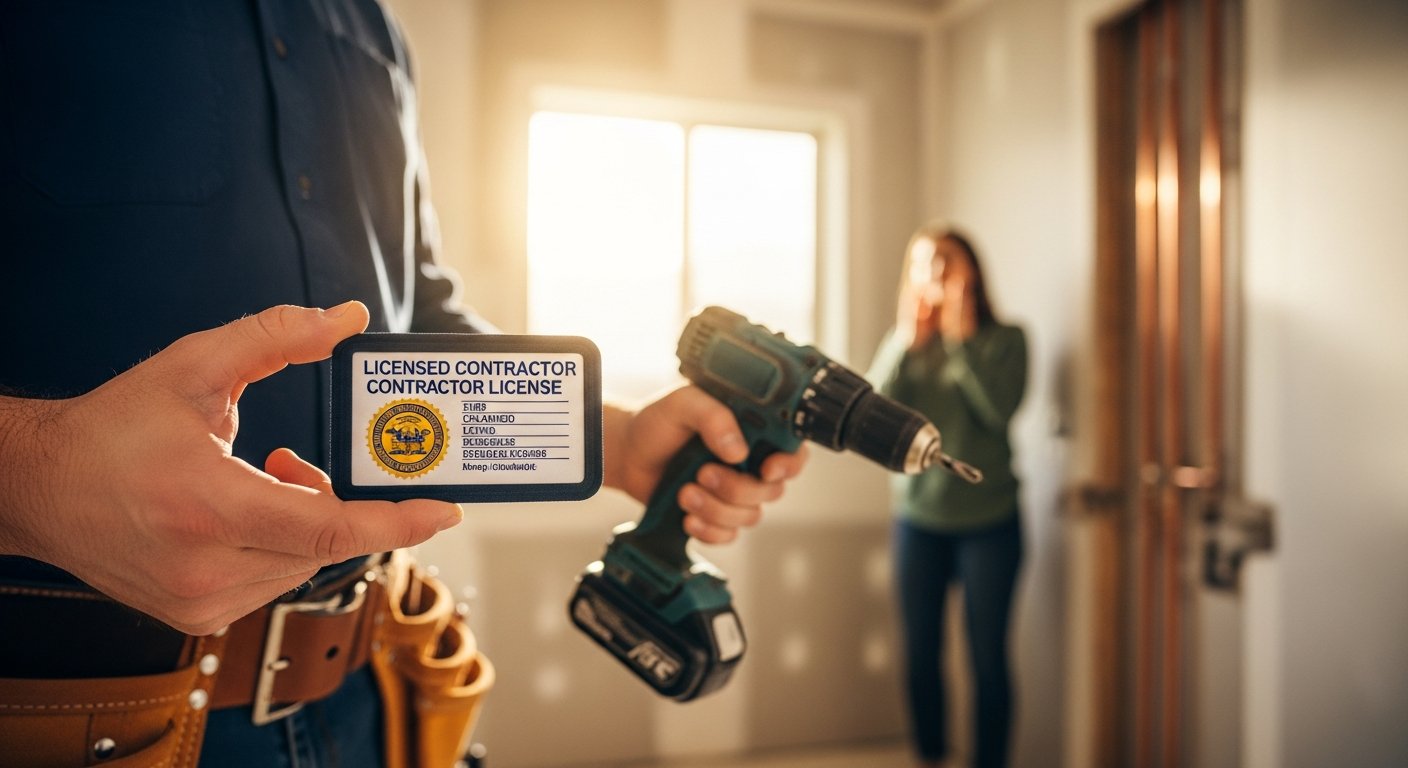
A contractor license is not just a piece of paper. It is a formal declaration by a state or local government that the individual or company has met specific standards to perform construction work. To obtain a license, contractors typically must pass rigorous exams that test their knowledge of building codes, safety practices, and business management. Many states also require proof of financial stability and a clean criminal record, ensuring that the person handling your home has a history of responsible behavior.
Moreover, licensed contractors are required to maintain ongoing education. Building codes evolve, new materials enter the market, and safety regulations become stricter. A licensed professional stays current with these changes, which means your project is built to the latest standards. This is particularly important for complex systems like electrical wiring or structural modifications, where outdated practices can lead to serious hazards.
Key Legal Protections for Homeowners
Hiring a licensed contractor activates a layer of legal protection that is absent when you work with an unlicensed individual. Most states have a contractor recovery fund, which is a pool of money collected from license fees. If a licensed contractor performs shoddy work or abandons a project, you can file a claim against this fund to recover your losses. Unlicensed workers have no such backing, leaving you with little recourse if something goes wrong.
Additionally, licensed contractors are required to carry workers' compensation and liability insurance. If an unlicensed worker injures themselves on your property, you could be held financially responsible for their medical bills. With a licensed contractor, their insurance covers these costs, protecting you from unexpected lawsuits. Furthermore, a license gives you a clear path for complaints. You can report a licensed contractor to the state licensing board, which has the authority to investigate and discipline them. This accountability is a powerful incentive for quality work.
How to Verify a License
Verification is a simple process, but too many homeowners skip it. Start by asking the contractor for their license number and the name of the issuing agency. Then, visit that agency's website to confirm the license is active and in good standing. Look for any disciplinary actions or unresolved complaints. This public record is your window into the contractor's professional history.
Do not stop there. A legitimate contractor will also provide proof of insurance upon request. Ask for a certificate of insurance that names you as an additional insured for the duration of the project. This document protects you if a subcontractor or employee is injured while working on your home. Finally, check with your local building department to see if a permit is required for your project. A licensed contractor will pull the necessary permits, which triggers inspections at key stages of the work.
The Financial Impact of Hiring Licensed vs. Unlicensed
At first glance, an unlicensed contractor may seem cheaper. Their hourly rate or flat bid is often lower because they do not carry the overhead of insurance, bonding, or licensing fees. However, this upfront savings can vanish quickly if the work fails. A poorly installed roof can lead to water damage that costs thousands to repair. An improper electrical job can create a fire hazard that devalues your home and threatens your family.
Licensed contractors also tend to provide more accurate estimates. They understand the true cost of materials, labor, and permits, so their bids are less likely to balloon with hidden charges. Furthermore, many licensed contractors offer warranties on their workmanship. If something goes wrong after the job is complete, they will return to fix it at no additional cost. This peace of mind is invaluable, and it is a benefit that unlicensed workers rarely offer.
Risks of Hiring an Unlicensed Contractor
The risks extend beyond financial loss. Unlicensed contractors often operate without permits, which means your work will not be inspected. This can lead to code violations that you are responsible for correcting, even if you did not know they existed. When you eventually sell your home, a buyer's inspection may uncover this unpermitted work, forcing you to pay for expensive fixes or reducing your home's value.
There is also the issue of liability. If an unlicensed contractor damages your property or causes injury to someone else, you may have to sue them directly to recover costs. This is a lengthy and uncertain process, especially if the contractor is not insured or has no assets. In contrast, licensed contractors are bonded, meaning a surety company guarantees their work. If they fail to complete the job, the bond can pay for a replacement contractor.
How to Find and Vet Licensed Contractors
Finding licensed contractors is easier than ever, thanks to online platforms like FreeQuotes.Contractors. This service connects you with pre-vetted local professionals who have already been screened for licensing and insurance. Instead of cold-calling random numbers from a directory, you can submit one request and receive multiple quotes from qualified candidates. This saves hours of research and gives you a solid basis for comparison.
When you receive quotes, do not automatically choose the lowest bid. Instead, evaluate each contractor based on their license status, experience, and communication style. Ask for references from recent projects similar to yours, and follow up with those homeowners to ask about their experience. Were they satisfied with the quality of work? Did the contractor stick to the schedule and budget? These conversations provide real-world insight that no online review can match.
Once you have narrowed down your options, conduct a final interview with each candidate. Ask about their process for handling change orders, which are modifications to the original scope of work. A professional contractor will have a clear policy for documenting and charging for changes. They should also be willing to explain their timeline and what you can expect at each stage of the project. This clarity reduces misunderstandings and sets the stage for a smooth working relationship.
The Role of Building Permits and Inspections
Building permits are a critical part of any significant home improvement project. They ensure that the work meets local building codes, which are minimum safety standards. A licensed contractor will handle the permit process for you, but you should still understand what is being requested. For example, a roof replacement usually requires a permit that covers the structural integrity of the new roofing system. A bathroom remodel may require permits for plumbing and electrical changes.
Inspections happen at various stages of the project. For instance, an inspector will check the framing before drywall is installed, and they will verify the electrical work before the walls are closed up. These inspections are your safety net, catching potential problems early. If you hire an unlicensed contractor, they may skip this process, leaving you with no oversight. You also run the risk of the city discovering the unpermitted work during a future sale, which can delay closing and cost you thousands in fines.
Questions to Ask Before Hiring
Before you sign a contract, ask these five questions to ensure you are making a wise choice:
- Can you provide your license number and the name of the licensing board?
- Do you carry workers' compensation and liability insurance, and can you provide a certificate of insurance?
- Will you pull the necessary permits for this project?
- Can I contact three references from similar projects completed in the last year?
- What is your warranty policy for materials and workmanship?
Each of these questions serves a specific purpose. The license confirms your contractor is legitimate. Insurance protects you from liability. Permits ensure the work meets code. References give you a glimpse into their past performance. A warranty guarantees that they stand behind their work. If a contractor hesitates or gives vague answers to any of these questions, consider it a red flag.
How FreeQuotes.Contractors Simplifies the Process
FreeQuotes.Contractors is designed to take the guesswork out of hiring. The platform works with a network of pre-vetted local contractors, meaning the companies that contact you have already passed a basic screening for licensing and insurance. This does not eliminate the need for your own due diligence, but it significantly narrows the field. You can compare quotes from multiple professionals, read their profiles, and check their customer ratings, all in one place.
The platform also offers educational resources to help you understand the cost and scope of your project. Whether you are installing new windows, replacing a roof, or remodeling a bathroom, you will find guides that explain what to expect. This knowledge empowers you to make informed decisions and to communicate effectively with the contractors you interview. By streamlining the quote process, FreeQuotes.Contractors helps you save time and avoid the stress of searching for trustworthy professionals on your own.
Conclusion
Hiring licensed contractors is not just a box to check on your to-do list. It is a critical decision that impacts the safety, legality, and financial health of your home. From legal protections and insurance coverage to the assurance of permits and inspections, a license is your guarantee of professionalism. While unlicensed workers may offer a lower price, the hidden costs and risks far outweigh any savings. By using a service like FreeQuotes.Contractors and asking the right questions, you can confidently hire a contractor who will deliver quality work and peace of mind. Your home deserves nothing less.
Learn more about General Contracting for guides, costs, and what to expect.
Compare General Contracting Pros Near You
Enter your ZIP code to compare top-rated local professionals and request free quotes.