Why Remodeling Costs Go Over Budget and How to Stay on Track
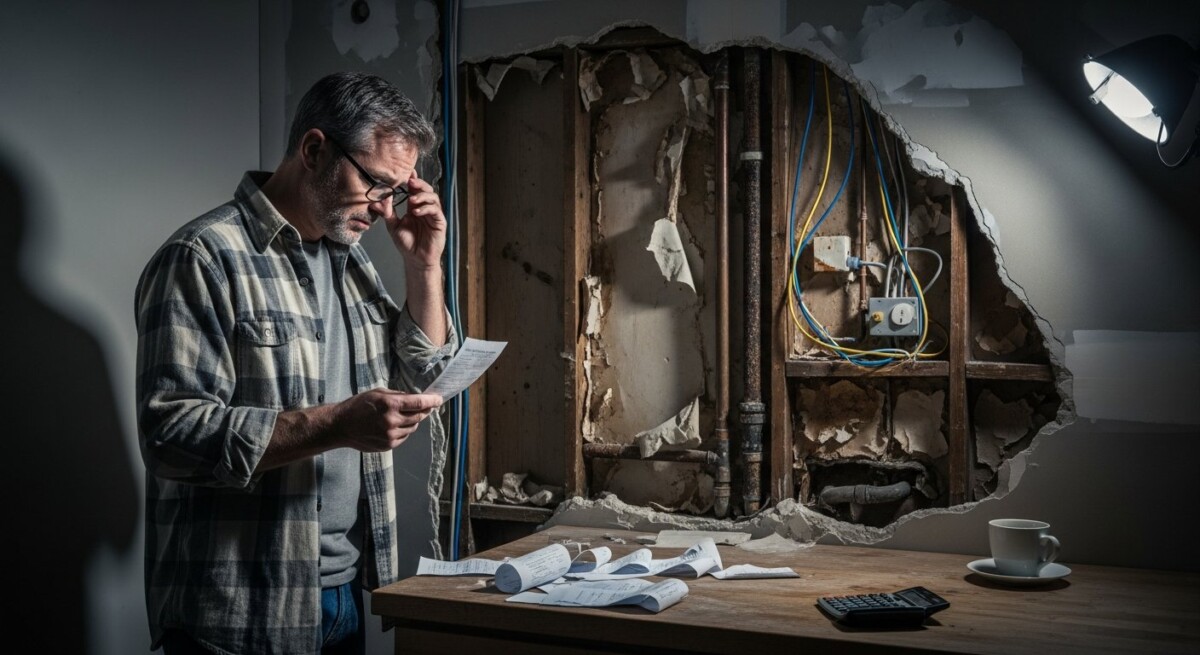
You planned your kitchen remodel down to the last detail. You set a firm budget, picked out the cabinets, and even scheduled time off work. But halfway through demolition, your contractor finds water damage behind the drywall. Suddenly, you are looking at an extra $3,000 for repairs you never expected. If this sounds familiar, you are not alone. Why remodeling costs go over budget is a question almost every homeowner asks at some point. The answer usually comes down to a handful of predictable problems that can be managed with the right approach.
Understanding Why Remodeling Costs Go Over Budget
At its simplest, why remodeling costs go over budget comes down to the gap between what you can see and what is actually happening inside your home. When you plan a renovation, you budget for the finishes you chose and the labor you hired. But older homes often hide issues like outdated wiring, leaky pipes, or structural damage behind walls and under floors.
These surprises are common in homes built before 2000. Even newer houses can have problems if previous repairs were done poorly. The truth is that no matter how careful you are, you cannot fully inspect behind every wall until demolition begins. That uncertainty is the number one reason budgets get blown.
Why Contingency Funds Are Not Optional
Most contractors recommend setting aside 10 to 20 percent of your total budget as a contingency fund. This money covers the unexpected problems that almost always appear. Without it, every surprise becomes a crisis that forces you to either borrow more money or cut corners on quality.
Why This Matters for Your Home
Ignoring the risk of going over budget does not just stress you out , it can actually damage your home. When homeowners run out of money mid-project, they often rush to finish or leave work incomplete. Exposed framing, temporary wiring, and unfinished walls can lead to moisture problems, pest infestations, and safety hazards.
Delaying repairs because of cost overruns also makes the final fix more expensive later. A small water stain today can turn into a full mold remediation job next year. The longer you wait, the more you pay. Protecting your home value means addressing problems as they come up, not when you have saved enough money.
If you notice signs of this issue in your home, it may help to speak with a qualified contractor. Request a free quote or call 1-800-555-0199 to explore your repair or remodeling options.
Common Problems Homeowners Experience
Most homeowners discover the real reason their budget is failing when the walls come down. One of the most common issues is outdated electrical systems that cannot handle modern appliances. A panel upgrade may cost $1,500 to $3,000 on top of your original plan.
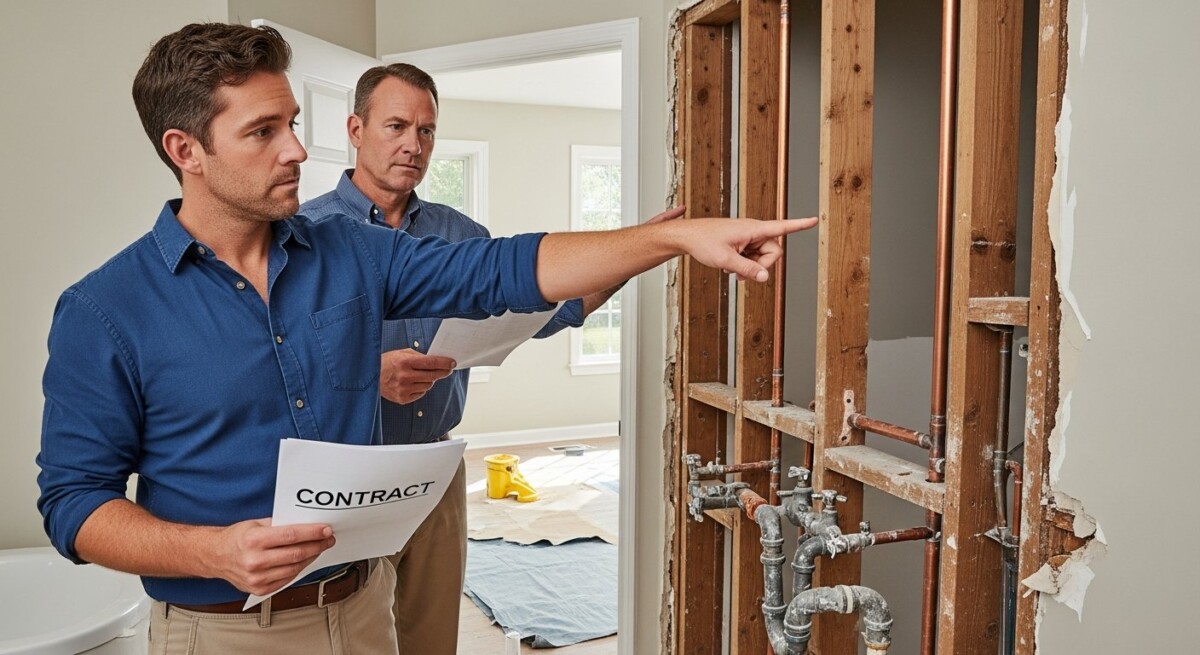
Plumbing is another frequent culprit. Galvanized steel pipes from the 1980s may look fine on the outside but can be corroded inside. Replacing them adds significant cost and time. Structural problems like sagging beams or rotten subfloors also appear once old flooring or drywall is removed.
Here are the most common issues that drive remodeling costs over budget:
- Hidden water damage or mold behind walls or under floors
- Outdated or unsafe electrical wiring that needs replacement
- Old plumbing that fails when disturbed during demolition
- Structural rot or termite damage in load-bearing areas
- Asbestos or lead paint requiring specialized abatement
- Permit delays or code violations that force rework
How Professionals Solve the Problem
Experienced contractors know where to look for hidden problems before they become budget busters. They start with a thorough inspection that goes beyond what you can see. Many will scope drains, check attic spaces, and use thermal cameras to find moisture behind walls. This upfront work helps them give you a more accurate estimate.
When surprises do appear, professionals have systems in place to handle them. They communicate changes clearly, provide written change orders, and explain your options before proceeding. This transparency helps you decide where to spend and where to cut back without sacrificing safety or quality.
- Initial inspection: Contractor walks the entire space, checks accessible systems, and identifies obvious issues.
- Detailed estimate: You receive a line-item quote that includes materials, labor, permits, and a contingency line.
- Phased work: Demolition happens in stages so problems can be addressed before new work begins.
- Change order process: Any unexpected cost is documented and approved by you before work continues.
- Final walkthrough: Both parties confirm all work is complete and within the agreed scope.
A professional inspection can reveal hidden issues before they become expensive repairs. Compare contractor quotes here or call 1-800-555-0199 to discuss your project.
Warning Signs You Should Not Ignore
Your home often gives you clues long before a renovation reveals a problem. Musty smells in the basement or crawlspace may indicate moisture that will only get worse when you start moving walls. Flickering lights or breakers that trip often point to an overloaded electrical system that will need an upgrade.
Pay attention to floors that feel bouncy or sagging ceilings. These are signs of structural issues that will add thousands to your remodel if not addressed first. The earlier you catch these problems, the less they will cost to fix.
Here are warning signs that your remodel may go over budget:
- Persistent musty or moldy odors in basements or bathrooms
- Water stains on ceilings, walls, or around windows
- Flickering lights or frequently tripped circuit breakers
- Bouncy or uneven floors, especially in older homes
- Visible cracks in foundation walls or around door frames
- Old plumbing that makes banging or whistling sounds
What Affects the Cost of Repairs or Installation
Several factors determine how much your remodeling project will actually cost. The size of the space is obvious , bigger rooms take more materials and labor. But the condition of your home matters even more. A 1960s ranch house will almost always cost more to remodel than a 2010s home because of outdated systems that need updating.
Materials also drive costs. Custom cabinetry, imported tile, and high-end fixtures can double your budget quickly. Accessibility matters too. If your contractor has to carry materials up three flights of stairs or work in a tight crawlspace, expect higher labor charges. Permits and inspections add fees that vary by city.
Costs can vary depending on the condition of your home. The best way to know the price is to get a personalized estimate. Request free quotes from contractors or call 1-800-555-0199 today.
How to Choose the Right Contractor
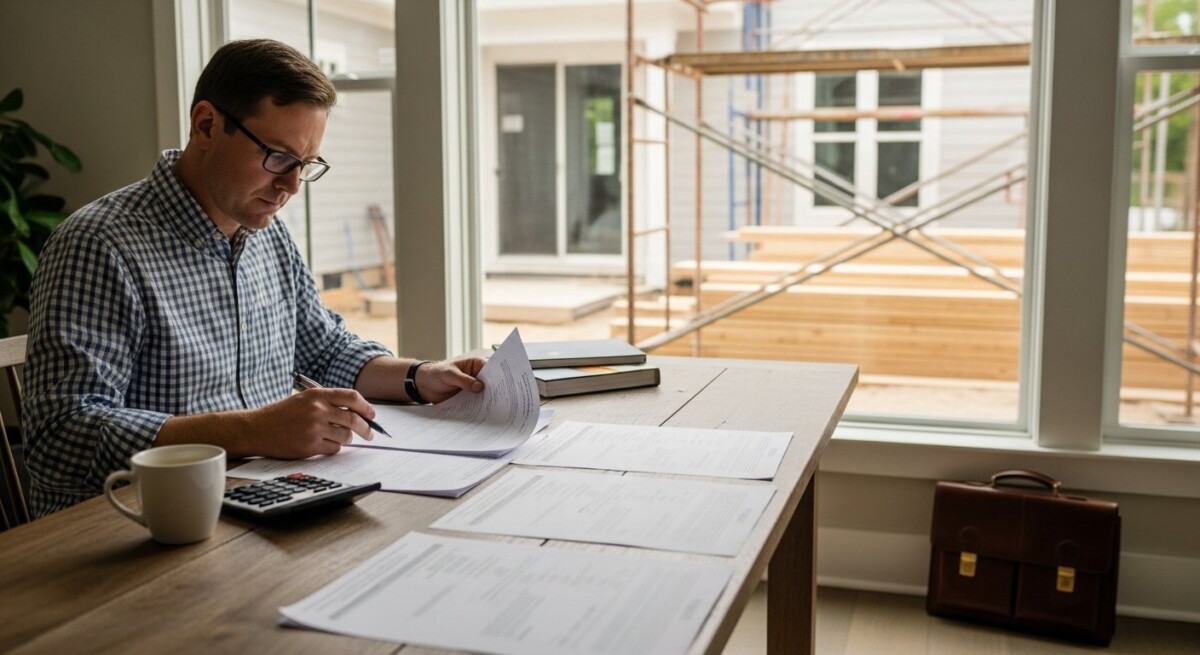
Finding a contractor who is honest about costs is the best way to stay on budget. Look for professionals who give detailed written estimates, not vague verbal numbers. A good contractor will explain exactly what is included and what might be extra. They will also help you set a realistic contingency fund.
Take time to check references and read reviews from recent customers. Ask how the contractor handles change orders and unexpected problems. The right professional will have a clear process for communicating surprises and getting your approval before spending extra money.
- Verify the contractor’s license and insurance with your state board
- Read at least five recent online reviews from local homeowners
- Ask for a detailed, line-item estimate in writing before signing
- Get at least three quotes to compare pricing and scope
- Confirm the contractor has experience with your type of project and home age
Long-Term Benefits of Professional Work
Hiring a professional who understands why remodeling costs go over budget gives you more than just a finished project. You get peace of mind knowing the work is done safely and up to code. That matters when you sell your home , buyers and inspectors will look for permits and professional finishes.
Quality work also lasts longer. A bathroom remodel done with proper waterproofing and ventilation will stay dry and mold-free for decades. Energy-efficient windows and insulation pay for themselves in lower utility bills. And a well-planned kitchen or basement addition can increase your home value by more than the cost of the project.
Reducing future maintenance is another major benefit. When professionals fix the root cause of problems instead of patching symptoms, you avoid repeat repairs. That saves you money and frustration for years to come.
Frequently Asked Questions
Why do remodeling projects always cost more than the estimate?
The estimate covers what you can see and plan for. Hidden problems like old wiring, leaky pipes, or structural damage only become visible once demolition starts. Most contractors include a contingency for this, but if the surprises are extensive, costs will rise.
How much should I budget for unexpected costs in a remodel?
A good rule of thumb is to set aside 10 to 20 percent of your total project budget for unexpected expenses. For a $50,000 kitchen remodel, that means having $5,000 to $10,000 available for surprises. This cushion keeps the project moving without forcing you to take out loans or cut corners.
Can I avoid going over budget by doing some work myself?
DIY work can save money on labor, but it also carries risks. Mistakes in plumbing or electrical work can cost more to fix than hiring a pro from the start. If you do DIY, stick to demolition, painting, or finishing work that does not affect structural or mechanical systems.
How do I know if a contractor is honest about pricing?
An honest contractor gives you a detailed written estimate with line items for materials, labor, permits, and contingency. They also explain what is not included in the price. Check their references and read reviews to see if past clients felt the final bill matched the estimate.
What is a change order and why does it matter?
A change order is a written document that modifies your original contract when unexpected work is needed. It states what the new work is, why it is required, and how much it will cost. Insisting on written change orders prevents disagreements and keeps you in control of your budget.
Should I get multiple quotes for my remodel?
Yes, always get at least three quotes from different contractors. Comparing quotes helps you understand the market rate for your project and spot unusually high or low bids. Low bids may mean the contractor is cutting corners, while high bids may include premium materials or better warranties.
What is the most common hidden problem in older homes?
Outdated electrical wiring is one of the most common hidden problems, especially in homes built before 1990. Old wiring cannot safely handle modern appliances and electronics. Upgrading the panel and rewiring can cost $2,000 to $8,000, depending on the size of the home.
Can a contractor guarantee they will not go over budget?
No reputable contractor will guarantee a fixed price for a remodel that involves demolition. They can give you a firm price for the work they can see, but hidden conditions are unpredictable. A good contractor will manage surprises professionally and keep you informed every step of the way.
Understanding why remodeling costs go over budget is the first step to keeping your project on track. Hidden problems, poor planning, and choosing the wrong contractor are the main culprits. By getting professional inspections, setting a realistic contingency, and comparing multiple quotes, you can protect your home and your wallet. Start your next project with confidence , get free quotes from pre-vetted contractors today.