
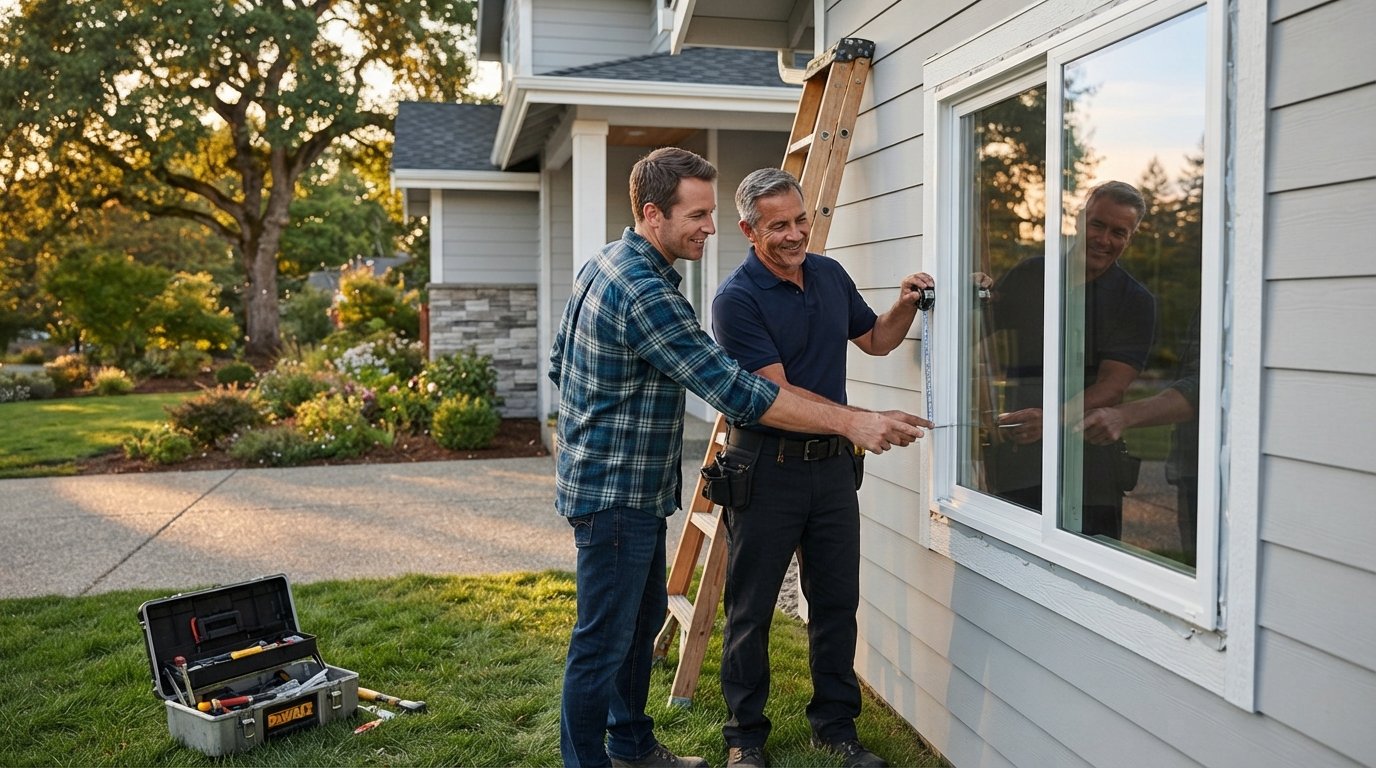
Window Replacement Cost and Value in 2026
Window replacement boosts home value and cuts energy costs. Learn when to replace, material options, and average 2026 pricing in this complete guide.
By Adnan Nazir
Learn more about Window Installation for guides, costs, and what to expect.
Compare Window Installation Pros Near You

Enter your ZIP code to compare top-rated local professionals and request free quotes.
Your home's windows frame your view of the world, but they also work hard behind the scenes. They insulate against heat and cold, keep out noise and moisture, and protect your family from the elements. When they start to fail, you feel it in your energy bills and your comfort. If you are noticing drafts, foggy glass, or sticking sashes, you are likely thinking about window replacement. It is a significant home improvement project, and the decisions you make now will affect your home's comfort, efficiency, and value for decades. This guide walks you through the entire process, from understanding when replacement is necessary to choosing materials, estimating costs, and working with a professional contractor. By the end, you will have a clear action plan and the confidence to move forward. And when you are ready, getting free, competitive quotes from pre-vetted local pros is the smartest first step.
How to Know It Is Time for New Windows
Windows are built to last, but they do not last forever. The average lifespan of a residential window is 15 to 30 years, depending on the material, installation quality, and climate. If your windows are approaching or past that age, you may be dealing with hidden problems that go beyond a drafty room. Look for these common signs that window replacement should be on your radar:
- Visible condensation or fog between panes, which means the seal has failed.
- Drafts felt near the window, even when it is closed and locked.
- Difficulty opening, closing, or latching the window.
- Rising energy bills that cannot be explained by rate increases or other factors.
- Visible rot, warping, or water damage on the frame or sill.
Some of these issues, like a failed seal, can sometimes be repaired with glass replacement. But if the frame is compromised or the window is old and inefficient, full replacement is often the better long-term investment. A professional inspection will help you decide. Many local contractors offer a free consultation and can provide an honest assessment of whether repair or replacement is the right choice for your specific situation.
Types of Windows: Materials, Styles, and Performance
Before you request quotes, you need to understand the options available. The material, style, and glass package you choose will impact both the upfront cost and the long-term performance of your new windows.
Frame Materials: Vinyl, Wood, Aluminum, and Fiberglass
The frame is the backbone of your window. Each material has its own trade-offs in cost, maintenance, and durability. Vinyl frames are the most popular choice for homeowners because they are affordable, energy efficient, and virtually maintenance free. They do not rot or peel, and they come in a range of colors. Wood frames offer classic beauty and excellent insulation, but they require regular painting or staining and are more susceptible to moisture damage. Aluminum frames are strong and lightweight, but they conduct heat and cold, which can reduce energy efficiency. Fiberglass frames are durable and low maintenance, and they can be painted, but they are typically the most expensive option. Your contractor can help you weigh these factors based on your local climate and your home's architectural style.
Window Styles: Single-Hung, Double-Hung, Casement, and More
Beyond the frame material, you will choose a window style that suits your home's design and your functional needs. Single-hung windows have a fixed upper sash and a lower sash that slides up and down. They are easy to operate and clean, making them a great choice for bedrooms and living areas. Double-hung windows have two operable sashes, which allows for better ventilation and easier cleaning from inside the home. Casement windows are hinged on one side and open outward with a crank. They provide excellent ventilation and an unobstructed view, and their tight seal makes them very energy efficient. Awning windows are similar to casements but hinge at the top, making them ideal for areas where you want ventilation even during light rain. Sliding windows open horizontally along a track, which is a good choice for wide openings. Picture windows are fixed and do not open at all; they are designed to maximize light and views. Bay and bow windows project outward from the home, creating a small shelf or seating area inside. Each style has its own installation requirements and cost range.
Glass and Energy Efficiency: Low-E Coatings and Gas Fills
The glass package is where most of the energy performance comes from. Look for windows with double or triple panes, low-emissivity (Low-E) coatings, and argon or krypton gas fills between the panes. Low-E coatings reflect heat back into your home in the winter and keep it out in the summer, while the gas fills reduce heat transfer. The U-factor and Solar Heat Gain Coefficient (SHGC) ratings on the National Fenestration Rating Council (NFRC) label tell you how well the window insulates and how much solar heat it lets in. In warmer climates, you may want a lower SHGC to reduce cooling costs; in colder climates, a higher SHGC can help with passive solar heating. Your local contractor can recommend the best glass package for your region.
Window Replacement Cost Breakdown in 2026
Cost is often the first question homeowners ask, and it is a valid one. The total price for window replacement depends on several factors: the number of windows, the frame material, the window style, the glass package, and the complexity of the installation. On average, homeowners in the United States pay between $300 and $1,200 per window for the product and installation. This translates to a typical total project cost of $3,000 to $12,000 for a single-story home with 10 windows. These figures are just a starting point, as high-end products and custom sizes can push costs higher.
Here is a general breakdown of what you can expect to pay per window, including installation, for common materials and styles:
- Vinyl double-hung: $300 to $700 per window.
- Wood double-hung: $500 to $1,200 per window.
- Aluminum casement: $200 to $500 per window.
- Fiberglass casement: $500 to $1,000 per window.
- Composite or custom shapes: $800 to $1,500 per window.
These prices are not set in stone. The actual quote you receive will depend on your location, the condition of your existing frames, and the specific product you select. An important point to remember: the cheapest quote is not always the best value. Poorly installed windows can leak air and water, which will negate any energy savings and lead to costly repairs. A professional installation from a licensed and insured contractor is worth the investment.
How to Choose a Window Replacement Contractor
Finding the right contractor is just as important as choosing the right window. A great window from a bad installer will perform poorly, while a competent installer can make a mid-range product perform excellently. Here is a step-by-step process to help you vet and select a professional:
- Gather multiple quotes. Do not settle for the first bid. Get at least three written estimates from different contractors. This gives you a realistic view of the market rate and allows you to compare apples to apples.
- Verify licenses and insurance. Ask each contractor for proof of a valid state contractor's license, general liability insurance, and workers' compensation coverage. This protects you from liability if an accident happens on your property.
- Check references and reviews. Read online reviews on sites like Google, Yelp, and the Better Business Bureau. Ask the contractor for a list of recent references and call them to ask about their experience.
- Request a detailed written estimate. The estimate should include the cost of materials, labor, removal and disposal of old windows, and any necessary permits. Make sure it specifies the brand, model, and glass package for the windows.
- Ask about warranty and after-sale support. The best contractors stand behind their work with a warranty on both materials and labor. Understand what is covered and for how long.
Using a platform like FreeQuotes.Contractors streamlines this entire process. Instead of searching the web and calling around, you submit one simple request, and the platform connects you with multiple pre-vetted local contractors who are actively looking for work. You receive competitive quotes directly and can compare them without any pressure.
Financing and Payment Options for Your Project
Window replacement is a significant investment, and you have options when it comes to paying for it. Many homeowners pay with cash or a credit card, but that is not always possible. Some contractors offer financing plans, either through their own programs or through third-party lenders. These plans often come with promotional interest rates, such as 0% APR for 12 or 24 months, which can make the project more manageable. Be sure to read the fine print and understand the terms, including any deferred interest clauses. Another option is a home equity loan or line of credit, which typically offers lower interest rates than a personal loan. A cash-out refinance is also a possibility, but it is a larger financial transaction. The right payment method depends on your budget, your credit, and how quickly you want to complete the project.
When you receive quotes, ask each contractor about their financing options. Some may have relationships with lenders that offer special rates for home improvement projects. Always compare the total cost of financing, not just the monthly payment.
What to Expect During the Installation Process
A professional window replacement is not just about popping out the old window and putting in a new one. There is a method to it, and a good contractor will follow a process that protects your home and ensures a weathertight seal.
The first step is a site visit to measure each window opening accurately. Custom windows are usually ordered to fit, which takes a few weeks. Once the windows arrive, the installation team will set up and protect your floors and furniture. They will remove the old window, inspect the opening for any rotted wood or structural issues, and make necessary repairs. Then they will install the new window, shim it to ensure it is level and square, and secure it with screws. The gap between the window and the frame is filled with expanding foam insulation, and the exterior is sealed with flashing and caulk to prevent water intrusion. The interior trim is then reinstalled or replaced, and the window is left clean and ready for you to use.
The entire process for a typical home with 10 windows can take one to two days. The contractor will walk you through the completed work, explain how to operate your new windows, and give you the warranty paperwork. A professional team will also clean up thoroughly and remove all debris from your property.
How to Maximize Your Return on Investment
Replacing your windows is not just an expense; it is an investment in your home. According to Remodeling Magazine's Cost vs. Value report, window replacement consistently ranks as one of the home improvements with a high return on investment. On average, you can recoup about 70% of the project cost when you sell your home. But the value is not only financial. New windows improve comfort, reduce outside noise, and enhance your home's curb appeal.
To get the most from your investment, choose a style and color that complements your home's architecture. Neutral colors and classic styles have broader appeal. Energy efficiency is a major selling point, so opt for windows with a strong energy performance rating. And always use a professional installer to protect your warranty and ensure the windows perform as designed.
Beyond the resale value, you will see immediate monthly savings on your energy bills. The U.S. Department of Energy estimates that heat gain and loss through windows accounts for 25% to 30% of residential heating and cooling energy use. By replacing single-pane windows with double-pane Low-E windows, you could save anywhere from $100 to $500 a year, depending on your climate and the size of your home.
Further, many utility companies and local governments offer rebates or tax incentives for energy-efficient window upgrades. Check with your energy provider and search for federal tax credits for energy-efficient home improvements. These incentives can significantly lower your net cost.
In the end, the decision to replace your windows is about more than just fixing a draft. It is about improving your daily comfort, increasing your home's value, and taking control of your energy costs. With the right information and the right contractor, the process is straightforward and rewarding. Start today by getting free quotes from trusted local professionals in your area. You can compare offers side by side and make an informed choice that fits your budget and your home.
Learn more about Window Installation for guides, costs, and what to expect.
Compare Window Installation Pros Near You
Enter your ZIP code to compare top-rated local professionals and request free quotes.