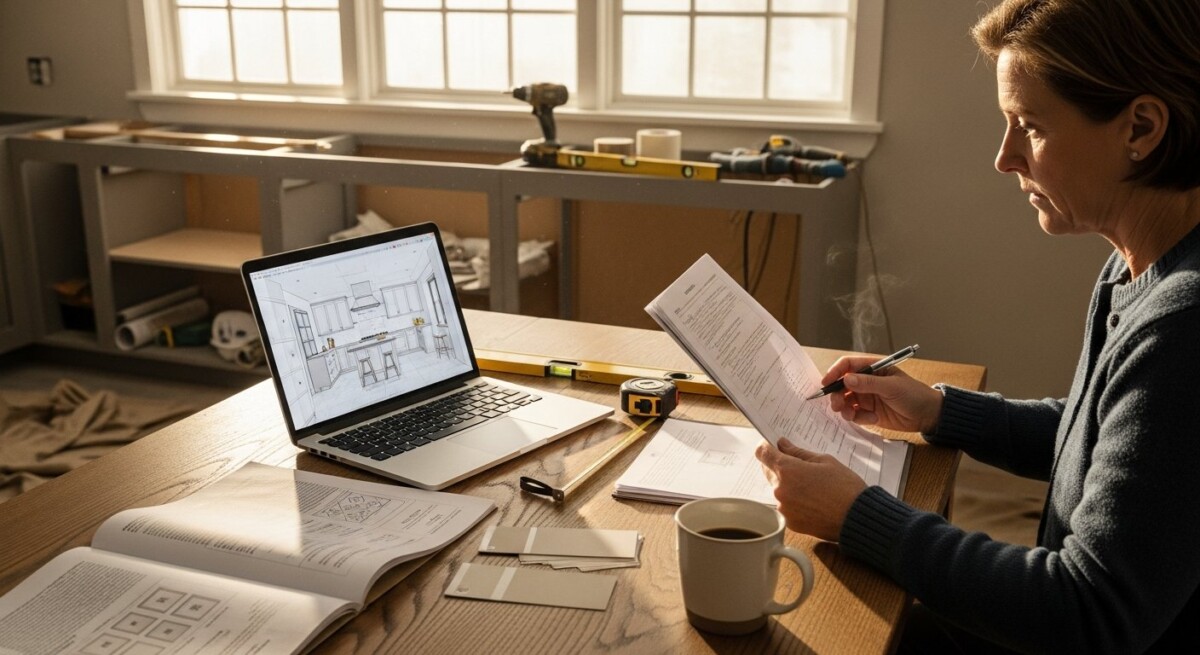
How To Get Contractor Estimates The Right Way
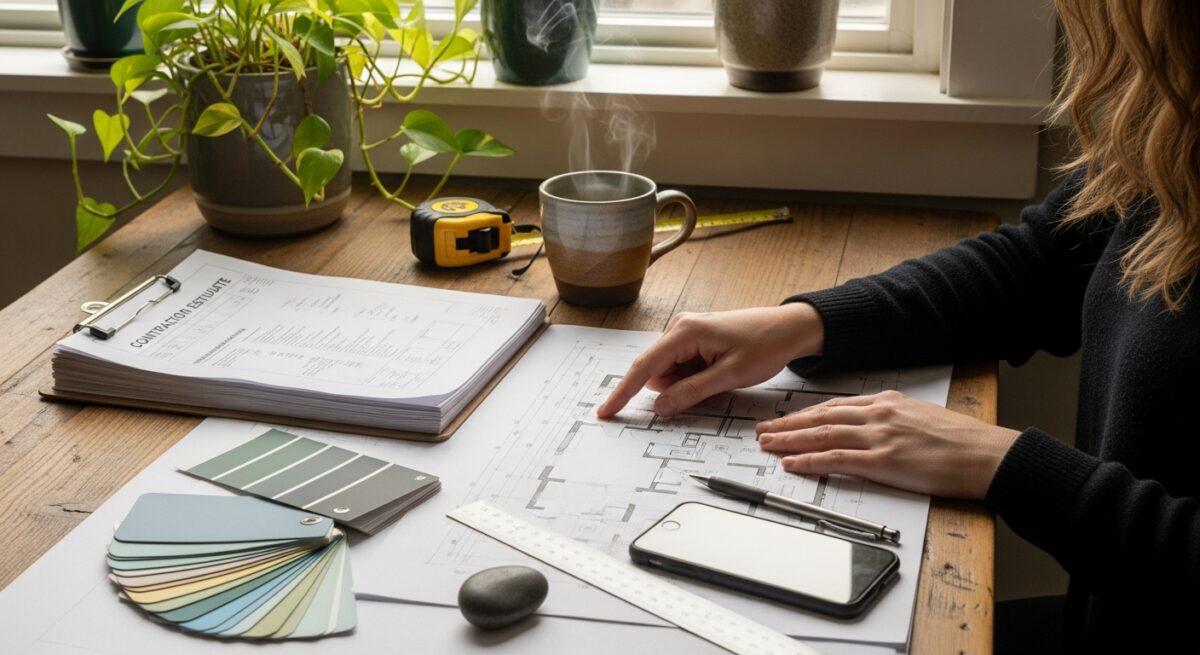
Getting a home improvement project off the ground is exciting, but the process of finding the right contractor and understanding their quotes can feel overwhelming. You want quality work at a fair price, but how do you know if an estimate is reasonable? The key isn’t just getting a number—it’s getting the right estimate from the right professional. This guide walks you through everything you need to know, step by step.
Start your project with confidence. Call 📞833-365-8755 or visit Get Contractor Estimates to request your detailed, free estimate today.
Understanding Contractor Estimates
A contractor estimate is more than just a price tag. It’s a detailed proposal that outlines what work will be done, the materials required, the timeline, and the total cost. Think of it as the blueprint for your project’s budget and scope. A good estimate protects both you and the contractor by setting clear expectations from the start.
It’s important to know that an “estimate” and a “quote” can sometimes mean different things. An estimate is often a best-guess projection, while a quote or a bid is typically a fixed price for the defined work. Always clarify which one you’re receiving. The goal is to get a detailed, written document that leaves little room for surprise costs later.
The Anatomy of a Good Estimate
A thorough estimate should break down costs clearly. Look for line items for materials, labor, permits, and disposal fees. It should specify brands, grades, and quantities of materials. This level of detail allows you to compare apples-to-apples when reviewing multiple estimates and shows the contractor’s professionalism and planning.
Why It Matters for Homeowners
Getting detailed, written estimates is your single best tool for avoiding budget overruns and project disputes. A vague, verbal estimate can lead to misunderstandings about the scope, quality of materials, or even the completion date. A detailed written estimate creates accountability and serves as your reference point throughout the project.
Beyond budget control, this process helps you vet the contractor. A professional who takes the time to provide a comprehensive estimate is demonstrating their attention to detail and commitment to clear communication. This step is as much about evaluating the person as it is about evaluating the price.
Ready to start your project with confidence? Let a trusted professional provide you with a clear, detailed estimate. Get Your Free Estimate Today.
Common Issues and Their Causes
Many homeowners run into problems during the estimation phase, often because the process was rushed or unclear. The most frequent issue is the “low-ball” estimate—a price that seems too good to be true. This usually indicates the contractor has cut corners in their planning, uses subpar materials, or will hit you with numerous change orders later.
Another common problem is the vague estimate. This is a document with a single bottom-line number and no breakdown. It leaves you vulnerable to cost increases because there’s no agreed-upon detail for materials or labor hours. These issues typically stem from:
- Contractors rushing to give a price without a proper site visit.
- Homeowners choosing based solely on price, encouraging undetailed bids.
- Lack of a clearly defined project scope before estimates are requested.
How Professionals Create an Estimate
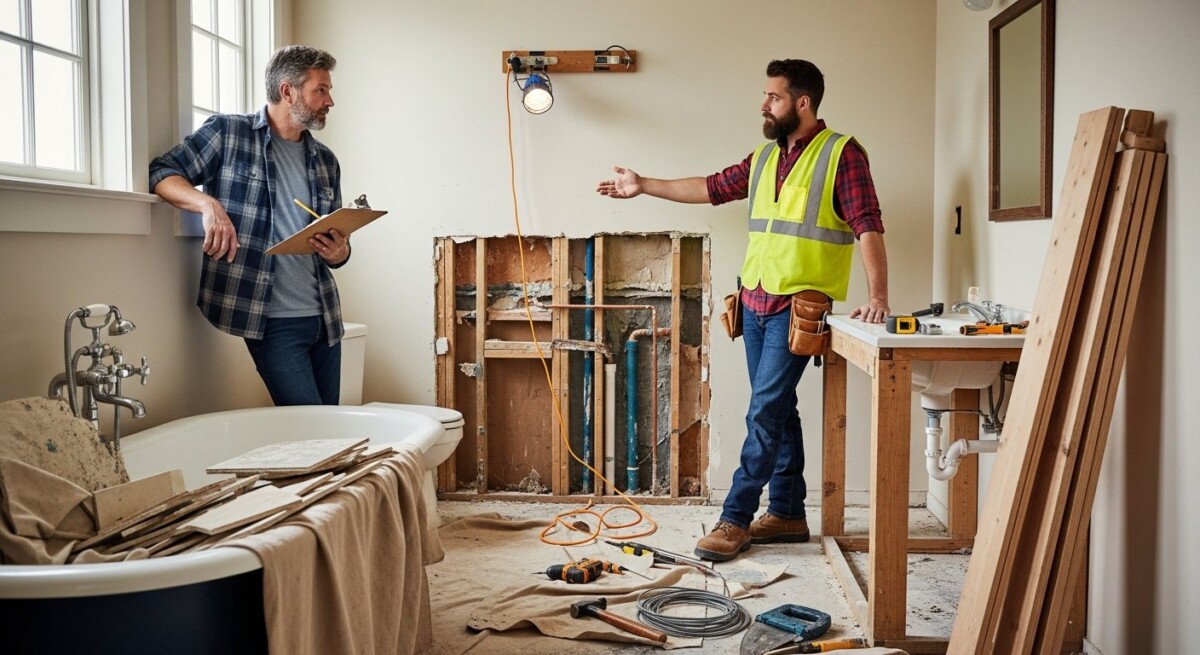
A reputable contractor follows a systematic process to create an accurate estimate. It starts with an on-site consultation. They’ll examine the work area, take measurements, and discuss your specific goals and preferences. This visit is crucial for identifying any hidden challenges behind walls or under floors that could affect the project.
Next, they calculate material “take-offs,” listing every item needed. They then factor in labor hours, equipment rentals, permit costs, and a margin for overhead and profit. Finally, they compile this into a clear document. The steps are:
- On-site inspection and measurement.
- Detailed scope of work definition.
- Material and labor calculation.
- Compilation and presentation of the written estimate.
Don’t settle for guesswork. A precise estimate is the first step to a successful project. Contact our team for a transparent quote.
Signs You Should Not Ignore
While reviewing estimates, certain red flags should make you pause. The biggest warning sign is a contractor who pressures you to sign immediately, often with a “today-only” discount. This is a high-pressure sales tactic, not a sign of a good deal. A trustworthy professional gives you time to review their proposal.
Pay close attention to how they handle your questions. If they are vague, dismissive, or get defensive when you ask for clarification on costs, it indicates poor communication that will likely continue during the project. Be wary of estimates that seem abnormally high or low compared to others. Always ask why there is a discrepancy.
- No physical business address or license information.
- Demands a large cash deposit or full payment upfront.
- Unwilling to put the estimate in writing.
- Cannot provide references from past clients.
- Has no proof of insurance.
Cost Factors and What Affects Pricing
The final number on an estimate is influenced by many variables. The most obvious are the project size and material quality. Using premium hardwood flooring versus standard laminate, for example, will have a significant cost difference. Labor intensity is another major factor; intricate tile work costs more per square foot than laying simple carpet.
Start your project with confidence. Call 📞833-365-8755 or visit Get Contractor Estimates to request your detailed, free estimate today.
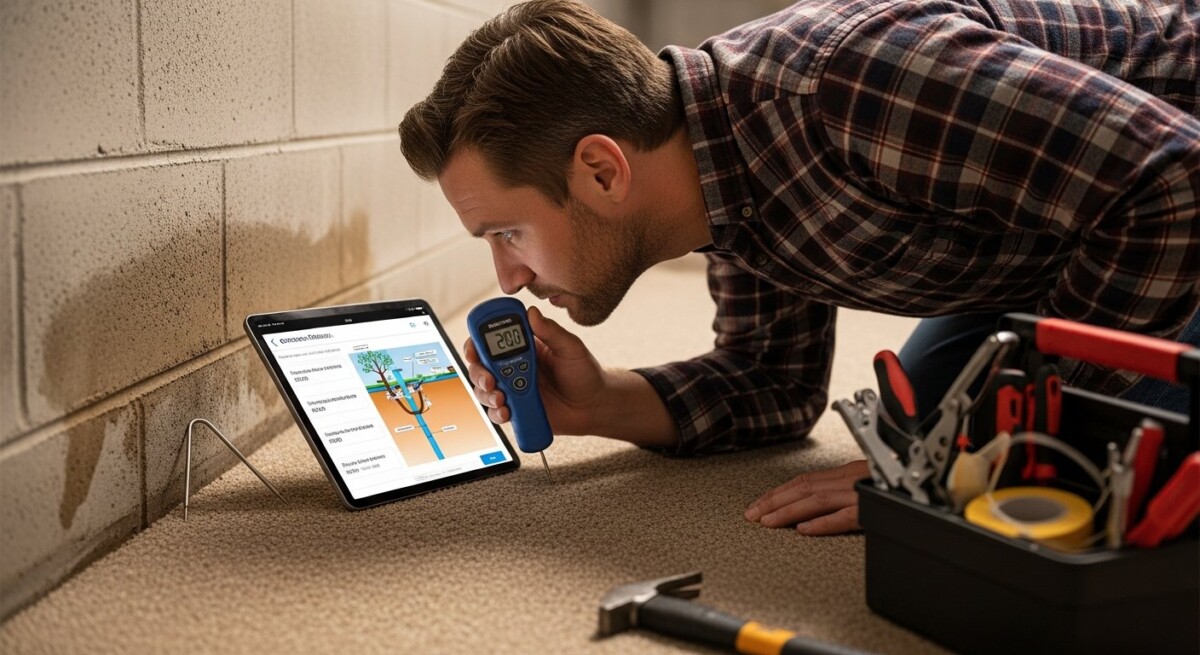
Other factors include your geographic location and market rates, the time of year (some trades are busier in summer), and the condition of your home. An older home might require extensive prep work, like fixing uneven subfloors or outdated wiring, before the new work can even begin. Permits and inspections also add to the cost but are non-negotiable for legal and safe work.
How To Choose the Right Professional or Service
Start by getting at least three detailed estimates for your project. This gives you a range for a fair market price and lets you compare professionalism. Look beyond the bottom line. Evaluate the clarity of the document, the contractor’s communication style, and their willingness to explain details.
Always verify their credentials. Check for a valid state license, proof of general liability insurance, and workers’ compensation coverage. Read online reviews and ask for references from projects similar to yours. Finally, trust your gut. Choose the contractor you feel most comfortable communicating with, as they will be in your home for days or weeks.
Long-Term Benefits for Your Home
Investing time in the estimation process pays off for years. A detailed estimate leads to a properly executed project, which enhances your home’s value, safety, and functionality. Quality workmanship with the right materials lasts longer, saving you money on premature repairs or replacements.
Furthermore, a well-documented project provides a record for future homeowners or for your own reference if additional work is needed later. Ultimately, starting with a solid estimate is the foundation for a stress-free renovation and a result you can enjoy with pride for the long haul.
FAQs
How many contractor estimates should I get?
It’s recommended to get at least three detailed estimates. This gives you a good sense of the fair market price for your project and allows you to compare the professionalism and approach of different contractors.
What should a contractor estimate include?
A good estimate includes a breakdown of labor and material costs, brand names and grades of products, project timeline, payment schedule, proof of license and insurance, and a clear scope of work describing exactly what will and will not be done.
Is a written estimate legally binding?
An estimate itself is typically not a contract. It becomes binding once both parties sign a contract based on that estimate. The signed contract, which includes the detailed estimate, is the legally binding agreement.
Why are contractor estimates so different?
Large differences can be due to variations in material quality, labor costs, project scope understanding, or the contractor’s overhead. A very low estimate may cut corners, while a very high one may include unnecessary work. Always ask for clarification.
Should I always choose the lowest estimate?
Not necessarily. The lowest price can sometimes mean lower quality materials, less experienced labor, or hidden costs. Evaluate the value, reputation, and detail provided. The best choice is often the one offering the clearest communication and best overall value, not just the lowest price.
What questions should I ask when getting an estimate?
Ask about the project timeline, who will be doing the work, how change orders are handled, what the cleanup process is, what warranties are offered, and for references from similar past projects.
Do I need to be home for the estimate?
Yes, it is highly recommended. Being present allows you to walk the contractor through your project, ask questions in real-time, and ensure they see all relevant areas of your home for an accurate assessment.
What is a “change order”?
A change order is a written amendment to the original contract and estimate. It is used if you decide to alter the project scope (like adding an extra feature) or if unforeseen problems are discovered. It outlines the change in cost and timeline.
Taking the right steps to get contractor estimates sets the tone for your entire home improvement project. By prioritizing detail, transparency, and clear communication from the start, you invest in peace of mind, a fair price, and a beautiful, lasting result for your home.
Start your project with confidence. Call 📞833-365-8755 or visit Get Contractor Estimates to request your detailed, free estimate today.