Licensed Home Contractors: What Every Homeowner Must Know

You’re ready to update your kitchen, fix a persistent leak, or finally build that dream patio. It’s exciting! But then a nagging worry sets in: how do you find someone you can truly trust with your most valuable investment—your home? The answer lies in understanding the crucial difference between any handy person and a licensed home contractor.
Protect your investment and ensure your peace of mind. Call 📞833-365-8755 or visit Find a Licensed Contractor to schedule a free estimate with a licensed contractor today.
Understanding Licensed Home Contractors
A licensed home contractor is a professional who has met specific state and local requirements to legally perform construction, remodeling, or major repair work. This license is their official credential, proving they have the knowledge, skills, and financial responsibility to do the job right.
Think of it like the difference between a driver with a learner’s permit and a licensed commercial truck driver. Both can operate a vehicle, but one has passed rigorous testing and is legally authorized for complex, high-stakes jobs. Your home deserves the commercial driver.
The Three Pillars of Licensing
Getting licensed isn’t just filling out a form. It typically involves three key steps. First, the contractor must prove years of hands-on experience in their trade. Second, they must pass a comprehensive exam on building codes, business law, and trade-specific knowledge. Finally, they often must provide proof of bonding and insurance, which protects you financially.
Why It Matters for Homeowners
Hiring a licensed contractor isn’t about red tape; it’s about your peace of mind and the safety of your family. An unlicensed worker might offer a lower price, but that often comes with hidden risks and costs that can surface long after they’re gone.
Licensed professionals adhere to strict building codes designed for your safety. These codes govern electrical wiring, plumbing, structural integrity, and fire safety. A mistake in these areas can lead to dangerous situations like electrical fires or water damage hidden inside your walls. A license is your first guarantee that the work will meet these vital safety standards.
Common Issues and Their Causes
Many home repair disasters start with the best intentions but a poor choice in who does the work. Common issues often trace back to unlicensed or inexperienced individuals cutting corners.
For example, a beautifully tiled shower that leaks into the subfloor is often caused by improper waterproofing—a step a licensed tile setter would never skip. Similarly, frequent circuit breaker trips after a room addition usually point to an overloaded or incorrectly wired electrical panel, a serious hazard a licensed electrician would avoid.
- Structural Problems: From sagging roofs to cracking walls, often caused by improper load calculations or inadequate supports.
- Permit Violations: Unpermitted work can lead to fines, forced removal of the work, and huge problems when you try to sell your home.
- Costly Do-Overs: Poor craftsmanship means paying twice—once for the bad job and again to fix it properly.
How Professionals Fix the Problem
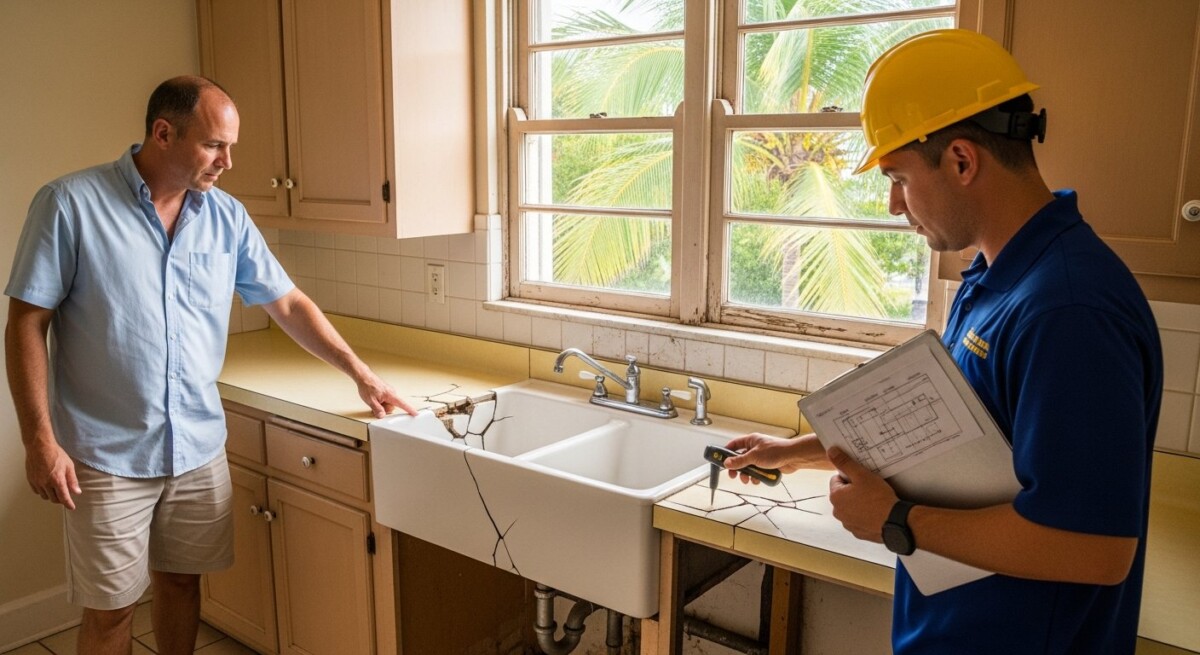
A licensed contractor approaches your project with a systematic, code-compliant process. It starts with a detailed consultation and written estimate, so you know exactly what to expect. They handle the often-daunting task of pulling the required permits from your city or county, which also means the work will be inspected by a municipal official for safety.
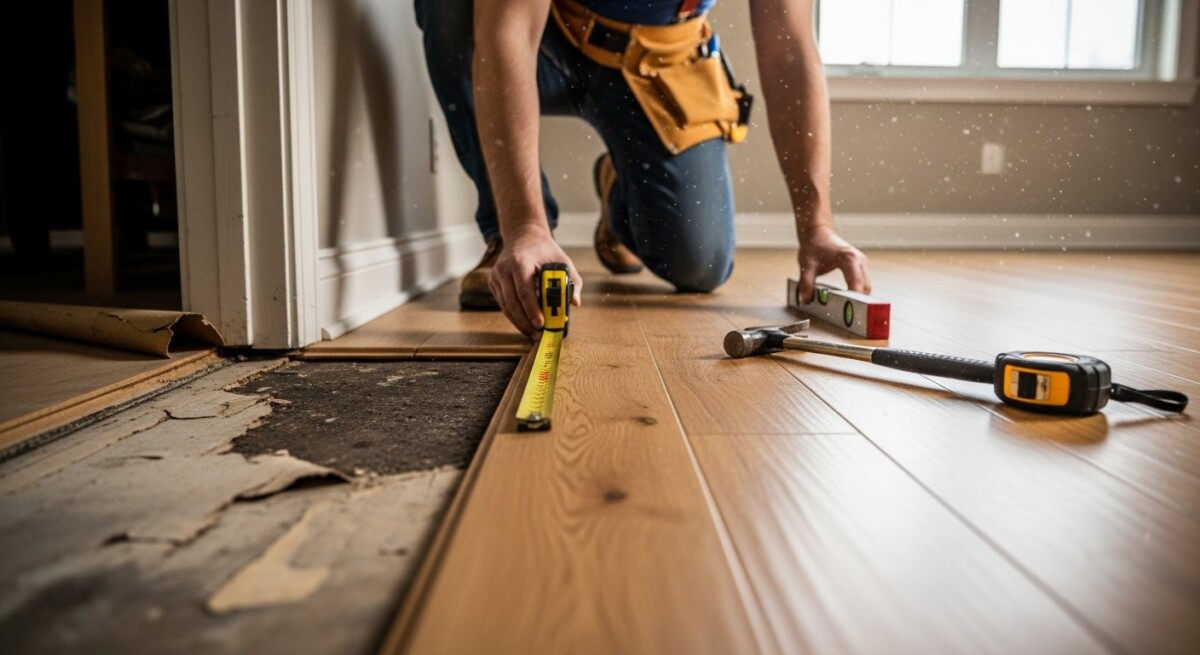
Their work follows a clear plan. For a renovation, this means securing the structure, updating systems correctly, and installing finishes with precision. They use quality materials and proven techniques. Most importantly, they clean up thoroughly and walk you through the completed work, ensuring you’re satisfied and understand any new systems in your home.
- Assessment & Plan: Evaluating the scope and creating a detailed project plan.
- Permitting: Securing all necessary legal approvals before any work begins.
- Execution: Performing the work to code with skilled labor and proper materials.
- Inspection & Closure: Arranging for final inspections and providing you with documentation.
Signs You Should Not Ignore
Sometimes, problems arise even after work is done. Knowing the warning signs of subpar work can help you address issues before they become catastrophic. Don’t dismiss small issues; they are often symptoms of a larger problem.
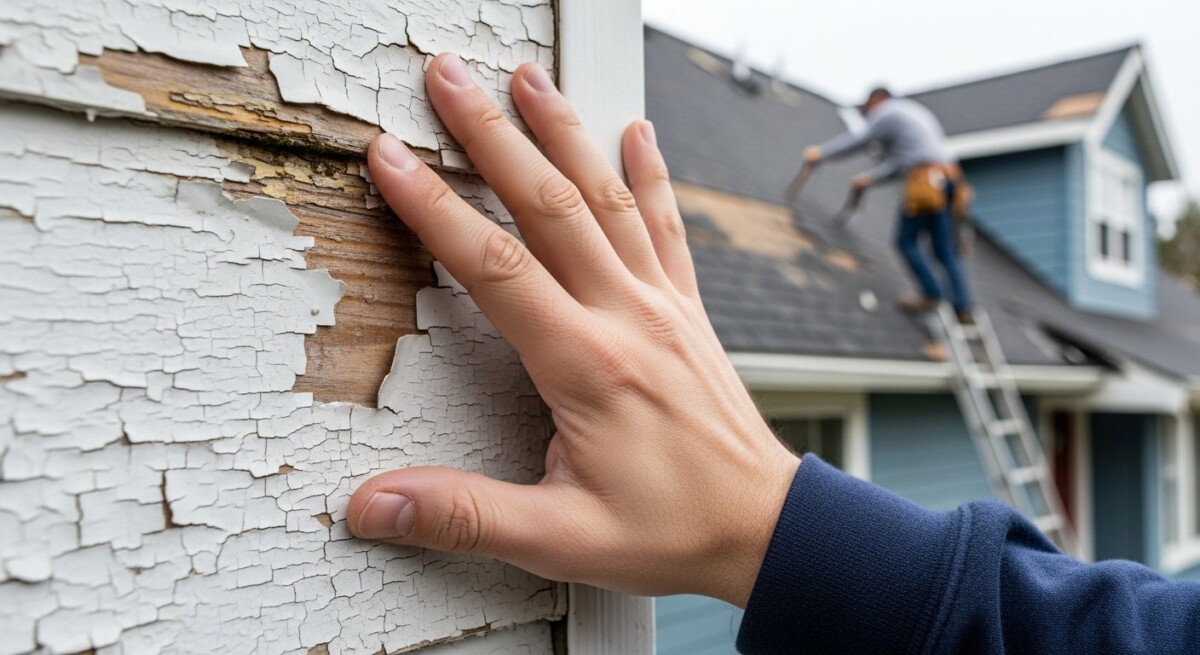
If doors or windows that once opened smoothly now stick, it could indicate foundation shifting from poor structural work. Persistent moisture stains or mold growth in a new bathroom suggest failed waterproofing. These aren’t just cosmetic—they’re cries for help from your home
Protect your investment and ensure your peace of mind. Call 📞833-365-8755 or visit Find a Licensed Contractor to schedule a free estimate with a licensed contractor today.
- Electrical Gremlins: Frequent breaker trips, buzzing outlets, or lights that dim on their own.
- Water Where It Shouldn’t Be: New leaks, stains, or a musty smell after plumbing or roof work.
- Uneven Floors or Cracks: New or widening cracks in walls, especially around door frames or windows.
- The Contractor Vanishes: If they won’t return to fix a clear issue or provide warranty service.
Cost Factors and What Affects Pricing
It’s true: hiring a licensed contractor often comes with a higher initial price than the “handyman special.” Understanding what you’re paying for helps justify that investment. The biggest cost factors are labor, materials, project complexity, and permit fees.
Labor isn’t just about hours; it’s about expertise. You’re paying for years of training and experience that prevent costly mistakes. Materials also vary widely; a licensed pro will recommend options that balance quality, durability, and budget. Finally, complex projects involving structural changes, plumbing, or electrical systems naturally cost more due to the skill and permits required.
How To Choose the Right Professional or Service
Selecting the right licensed contractor is the most important step in your project. Start by asking for their license number and verifying it online with your state’s licensing board. Don’t just take their word for it.
Next, ask for proof of insurance, including general liability and workers’ compensation. This protects you if an accident occurs on your property. Finally, ask for references from recent, similar projects and actually call them. Look at online reviews and their portfolio to gauge their quality and reliability.
- Verify their license status online.
- Request and check certificates of insurance.
- Get 2-3 detailed, written estimates for comparison.
- Ensure everything is in writing in a clear contract before work starts.
Long-Term Benefits for Your Home
The value of working with a licensed contractor extends far beyond the day the crew packs up. It’s an investment in your home’s future. Properly permitted and inspected work adds to your home’s official record, boosting its resale value and making the selling process smoother.
You gain lasting safety and durability. Work done to code lasts longer, performs better, and keeps your family safe from hazards like faulty wiring or gas leaks. You also get peace of mind, often backed by a warranty on both materials and labor. This means if an issue arises, you have someone accountable to fix it.
Frequently Asked Questions
What’s the difference between licensed, bonded, and insured?
A license means they are legally qualified. Bonding is a financial guarantee for completing the job. Insurance (liability and workers’ comp) protects you from property damage or injury costs. A reputable contractor has all three.
How can I verify a contractor’s license?
Every state has an online license lookup tool, usually on the website of the state licensing board or Department of Consumer Affairs. Ask for their number and check it yourself.
Do I always need a permit for home projects?
Most structural, electrical, plumbing, and mechanical work requires a permit. Your licensed contractor will know what’s needed and handle the process. If someone says you don’t need one for major work, it’s a major red flag.
What should be included in the contract?
A good contract includes a detailed scope of work, materials list, start/end dates, total price, payment schedule, and warranty information. Never work on just a verbal agreement.
Are licensed contractors more expensive?
Often, yes, upfront. But they provide value through expertise, correct installation, warranties, and safety. An unlicensed worker’s low bid can lead to costly repairs later, making the licensed pro the more economical choice long-term.
What if I already had unpermitted work done?
Contact a licensed contractor. They can assess the work, bring it up to code if possible, and help you navigate the process of retroactively permitting it with your local building department to protect your investment.
Is a handyman okay for small jobs?
For minor repairs like a leaky faucet or painting, a skilled handyman may be fine. For any job involving structural changes, electrical, plumbing, or permits, a licensed specialist is always the safer, smarter choice.
Your home is more than just a building; it’s your sanctuary and your investment. Protecting it means making informed choices, starting with who you allow to work on it. By choosing a licensed home contractor, you’re not just paying for a service—you’re investing in safety, quality, and lasting peace of mind. The right professional turns your vision into a reality that stands the test of time.
Protect your investment and ensure your peace of mind. Call 📞833-365-8755 or visit Find a Licensed Contractor to schedule a free estimate with a licensed contractor today.