
Home Renovation Material Cost Guide for Smart Budgeting
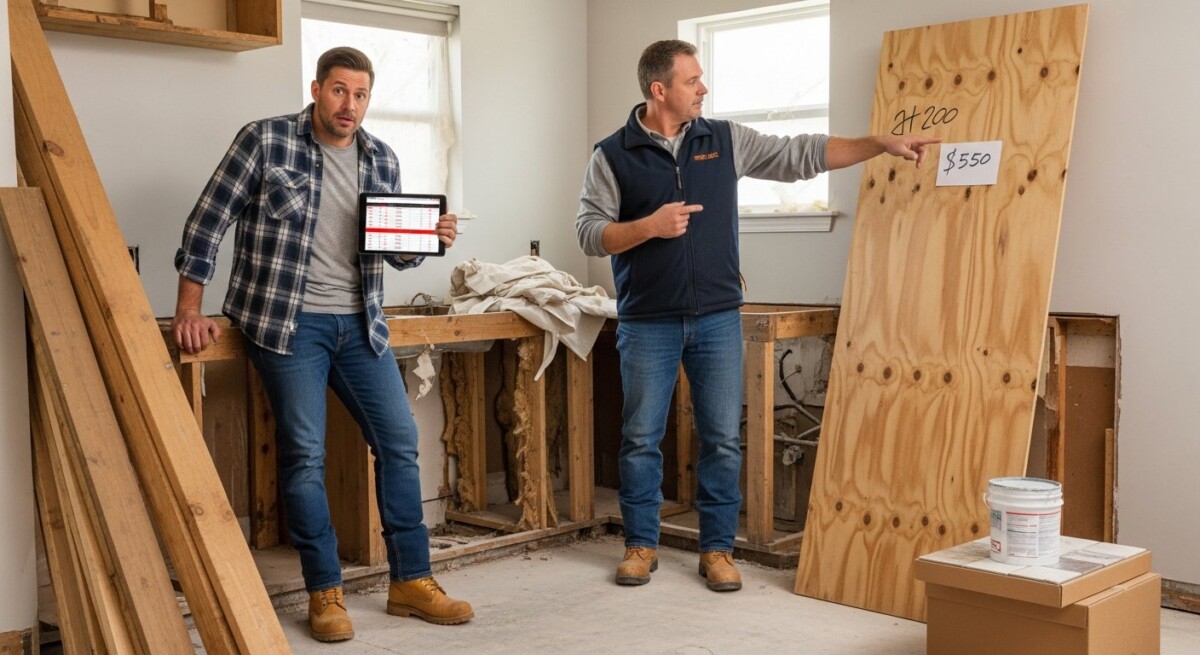
You walk into your local home improvement store with a rough idea of what your kitchen remodel will cost. By the time you price out lumber, tile, fixtures, and paint, the total is double what you expected. This is the moment most homeowners realize they need a real home renovation material cost guide,not just a wish list. Without accurate material pricing, even a small bathroom update can derail your budget and leave your project unfinished.
Material costs have risen sharply in recent years, and the prices you see online often don’t include delivery fees, waste allowances, or regional markups. Many homeowners discover this problem only after they’ve already started demolition. If you ignore the gap between your budget and actual costs, you risk running out of money mid-project, living in a construction zone for months, or settling for lower-quality finishes that hurt your home’s value. A practical home renovation material cost guide helps you plan realistically from the start.
Understanding home renovation material cost guide
A home renovation material cost guide is simply a breakdown of what you’ll pay for the supplies needed to complete a remodeling project. It covers everything from framing lumber and drywall to flooring, cabinets, countertops, plumbing fixtures, and paint. The guide helps you estimate total material expenses before you hire anyone or buy anything.
Material prices vary widely based on quality, brand, location, and market demand. For example, a standard vinyl floor might cost $2 per square foot, while luxury vinyl plank can run $5 to $8. Similarly, basic stock cabinets may cost $100 per linear foot, while custom cabinetry can exceed $500. Without a guide, it’s easy to pick materials that look affordable but don’t fit your overall project scope.
Homes built before 1980 often require additional materials like lead-safe paint supplies or updated electrical components, which can add 10,20% to your material list. Newer homes may need fewer specialty items, but they still require accurate pricing for modern finishes. A comprehensive guide accounts for these variables so you don’t get surprised halfway through your renovation.
Why material costs fluctuate
Commodity prices for lumber, copper, and steel change monthly based on global supply chains and local demand. Seasonal factors also matter: roofing materials cost more in summer, while insulation is cheaper in spring. A good material cost guide includes recent price ranges, not outdated numbers from last year.
Why this matters for your home
Underestimating material costs doesn’t just strain your wallet,it can damage your home. When homeowners run out of budget, they often buy cheaper materials that don’t perform well. Low-grade flooring warps in humid climates, bargain faucets leak within a year, and discount paint peels after one season. These failures lead to water damage, mold, and costly repairs that far exceed the original savings.
Safety is another concern. Using substandard electrical wiring or non-load-bearing lumber in a structural wall can create serious hazards. A proper material cost guide helps you choose products that meet building codes and perform safely for years. Protecting your property starts with buying the right supplies the first time.
Waiting to fix material shortages or budget gaps often increases total project cost. If you pause your renovation for three months while you save more money, material prices may rise another 5,10%. The sooner you get an accurate material estimate, the sooner you can lock in current prices and avoid future inflation.
If you notice signs of this issue in your home, it may help to speak with a qualified contractor. Request a free quote or call to explore your repair or remodeling options.
Common problems homeowners experience
Many homeowners begin a renovation without a detailed material list, only to discover mid-project that they forgot essential items like underlayment, transition strips, or specialty fasteners. These small omissions add up quickly and cause frustrating delays while you run back to the store.
Another frequent issue is choosing materials that look good in the showroom but don’t suit the home’s actual conditions. For example, dark hardwood floors show every scratch in a busy family room, and glossy tile becomes slippery when wet. These mistakes are hard to reverse and often require replacing the material entirely.
- Budget overruns from unplanned material purchases
- Delays caused by out-of-stock or discontinued products
- Poor material performance in specific climates or rooms
- Hidden costs like delivery fees, taxes, and waste removal
- Incompatibility between old home structures and modern materials
- Underestimating the quantity needed for cuts and waste (usually 10,15% extra)
How professionals solve the problem
Experienced contractors use industry pricing databases and supplier relationships to create accurate material lists before any work begins. They know which brands offer the best value for your specific project and can source materials at wholesale prices that aren’t available to the public. This alone can save homeowners 10,20% on material costs.
Professionals also account for every detail: proper underlayment, matching trim, correct fasteners, and adequate adhesive. They order the right quantities the first time, reducing waste and avoiding mid-project trips to the store. Their experience prevents costly mistakes like buying the wrong tile size or choosing a countertop that doesn’t fit your cabinet layout.
- On-site assessment , The contractor measures your space and identifies any structural or code issues that affect material choices.
- Detailed material takeoff , Every item is listed, from lumber and drywall to caulk and screws, with exact quantities.
- Supplier quotes , Multiple suppliers are contacted to compare prices and availability, often securing contractor discounts.
- Final budget and timeline , All material costs are locked in before you approve the project, so there are no surprises.
Professional work is safer and more reliable than DIY because contractors guarantee their material selections meet local building codes and manufacturer specifications. If a material fails, the contractor handles the warranty claim, not you. For a deeper look at typical project expenses, read our Average Cost of Home Renovation Projects: A Practical Guide.
A professional inspection can reveal hidden issues before they become expensive repairs. Compare contractor quotes here or call to discuss your project.
Warning signs you should not ignore
Your material cost estimate is too low if it doesn’t include a 10,15% waste factor or doesn’t account for delivery and disposal fees. Another red flag is when a contractor gives you a verbal estimate without a written material list. Always ask for a detailed breakdown before signing anything.
If you find yourself constantly adding items to your shopping list during a renovation, that’s a sign you didn’t plan thoroughly. Also watch for price quotes that seem too good to be true,they often exclude necessary components like backing boards, sealants, or transition strips.
- Material estimates that don’t include sales tax or delivery fees
- Contractors who refuse to provide a written material list
- Prices that haven’t been updated in more than 30 days
- Online cost calculators that ask for only square footage and nothing else
- Suppliers who can’t guarantee stock for the duration of your project
- Quotes that lump materials and labor together without itemization
What affects the cost of repairs or installation
The size of your project directly impacts material costs. A 50-square-foot bathroom floor needs far less tile and adhesive than a 200-square-foot kitchen. However, small projects often have higher per-unit costs because suppliers charge minimum order fees and delivery charges that don’t scale down.
Material quality is the biggest variable. Builder-grade laminate flooring may cost $1.50 per square foot, while hand-scraped hardwood can run $12 or more. Similarly, a standard fiberglass tub costs $300, while a cast-iron soaking tub can exceed $2,000. Your choices should balance durability, aesthetics, and budget.
Accessibility also matters. A second-story bathroom requires more labor to move materials up stairs, and tight crawlspaces make installation harder. Older homes may need custom-sized materials or specialty items that cost 15,25% more. For a full breakdown of how all these factors interact, see our Home Renovation Cost Breakdown: A Practical Guide.
Costs can vary depending on the condition of your home. The best way to know the price is to get a personalized estimate. Request free quotes from contractors or call today.
How to choose the right contractor
Start by asking for detailed written estimates from at least three contractors. A good estimate includes a line-item material list with brands, model numbers, and quantities. If a contractor gives you only a total number, they may be hiding markups or cutting corners on quality.
Check that the contractor is licensed and insured in your state. Liability insurance protects you if a worker damages your property, and workers’ compensation covers injuries on your job site. Without these, you could be held financially responsible for accidents.
- Verify license and insurance before scheduling a site visit
- Read recent online reviews, especially comments about material quality and budget accuracy
- Ask for three references from similar projects completed in the last year
- Request a written contract that includes a material allowance or specific product list
- Compare at least three quotes to understand the fair market price for your project
Long-term benefits of professional work
Professional contractors use high-quality materials that last longer and perform better than budget alternatives. A properly installed tile floor with quality grout can last 30 years, while a cheap DIY installation may fail in five. Over time, you save money by not replacing materials prematurely.
Energy efficiency is another major benefit. Professionals select insulation, windows, and doors that meet current energy codes, lowering your heating and cooling bills. Properly sealed and insulated homes use 10,20% less energy, which adds up to hundreds of dollars in savings each year.
Finally, professional work increases your home’s resale value. Buyers and appraisers recognize quality materials and installation. A kitchen with solid wood cabinets and quartz countertops adds more value than one with particleboard and laminate. For more insights on planning your budget wisely, check out our Home Renovation Material Cost Guide for Smart Budgeting.
What is the most expensive material in a kitchen renovation?
Cabinetry typically accounts for 25,30% of total kitchen material costs. Custom cabinets run $500,$1,200 per linear foot, while stock cabinets cost $100,$300. Countertops are the second-largest expense, with quartz and granite ranging from $50,$150 per square foot installed.
How much should I budget for materials versus labor?
A general rule is that materials make up 40,50% of total project cost, with labor covering 50,60%. This ratio shifts for complex jobs like electrical or plumbing, where labor can be 70%. Always get a detailed breakdown so you know exactly where your money goes.
Can I save money by buying my own materials?
It depends. Homeowners often pay retail prices that are 10,20% higher than contractor discounts. Also, if you buy the wrong item or too little, you absorb the cost of returns and extra trips. Most contractors recommend letting them source materials to ensure compatibility and warranty coverage.
What materials have increased the most in price recently?
Lumber has seen the largest swings, with prices up 50,80% from pre-pandemic levels. Copper wiring and PVC piping have also risen 20,30% due to supply chain issues. Steel studs and specialty tiles have smaller increases but still affect overall budgets.
Do I need to buy extra material for waste?
Yes. Plan for 10,15% extra for flooring, tile, and lumber to account for cuts, mistakes, and future repairs. For wallpaper or paint, add 5,10%. Contractors automatically include this in their takeoffs, but DIYers often forget it.
How do I get accurate material prices without visiting a store?
Use online supplier pricing tools, but cross-check with a local lumberyard or hardware store. National retailers may show lower prices that don’t include regional delivery fees. Calling a contractor for a material takeoff is the most accurate method.
What is the best way to compare material costs between contractors?
Request itemized quotes that list each material by brand, model, and quantity. Compare the same products across bids,apples to apples. If one contractor uses a cheaper brand, ask why and consider the long-term durability tradeoff.
Should I upgrade materials in a rental property?
Yes, within reason. Durable, low-maintenance materials like luxury vinyl plank and quartz countertops hold up better against tenants and reduce turnover costs. Avoid ultra-premium finishes that don’t increase rent enough to justify the expense.
Planning your renovation with a realistic material cost guide saves you time, money, and stress. Start by understanding what you need, get multiple professional quotes, and invest in quality materials that protect your home for years. The best first step is to compare contractor estimates and see what’s possible within your budget.