Fence Installation Pricing Guide: What Homeowners Need to Know
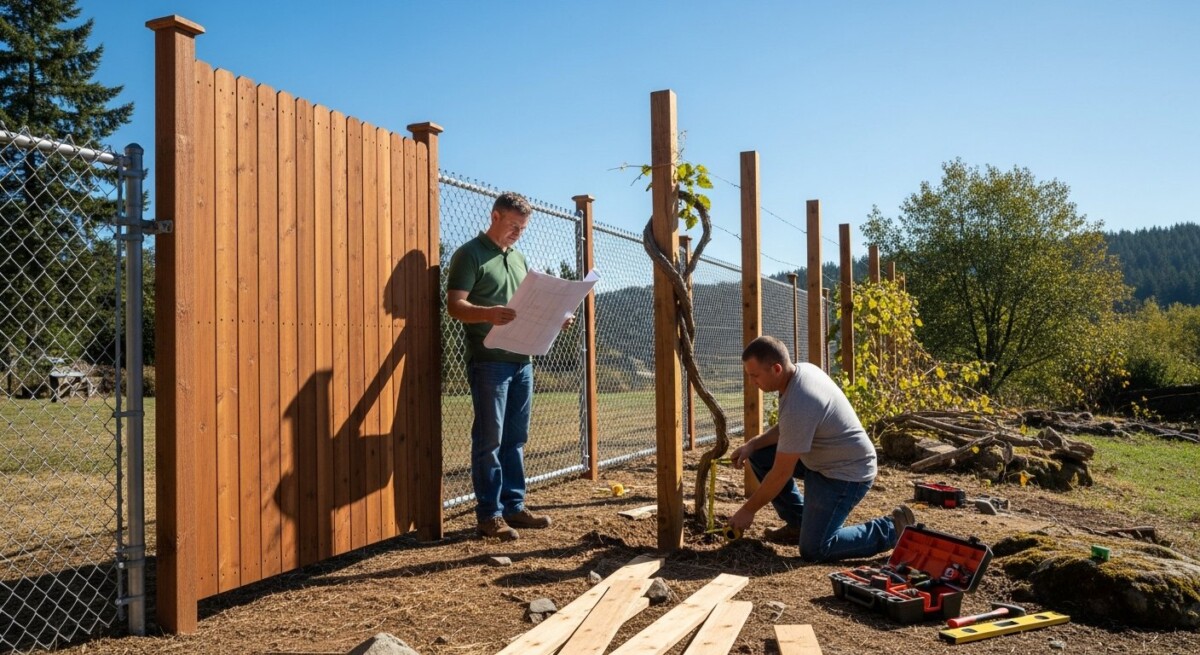
You finally decide to build a new fence. Maybe your old one is leaning, the dog keeps escaping, or you just want more privacy from the neighbors. But when you start looking into costs, the numbers vary so wildly that you have no idea what a fair price actually looks like. One contractor quotes $2,000 and another says $8,000 for the same backyard. This confusion is exactly why a clear fence installation pricing guide is essential for every homeowner. Without understanding what drives costs, you risk overpaying for a simple job or, worse, choosing a low bid that leads to shoddy work and expensive repairs later.
Understanding fence installation pricing guide
A fence installation pricing guide breaks down the key factors that determine how much your project will cost. It is not a fixed price list, but a framework that helps you understand why quotes differ and what you are actually paying for. The goal is to help you compare apples to apples when talking to contractors.
Pricing varies because every fence project is unique. The size of your yard, the type of material you choose, the complexity of the terrain, and local labor rates all play a role. Homes with sloped lots, rocky soil, or existing old fences to remove will naturally cost more than a flat, empty lot.
Most homeowners discover this pricing puzzle when they receive their first few estimates. Realizing that costs can range from $15 to $50 per linear foot (or more) can be overwhelming. This guide is designed to remove the guesswork so you can budget confidently and avoid unpleasant surprises.
Why this matters for your home
Understanding fence pricing is not just about saving money today. It protects your property value and prevents costly mistakes down the road. A fence that is poorly installed or made from cheap materials can rot, lean, or collapse within a few years, forcing you to pay for a full replacement much sooner than expected.
There are also safety and liability concerns. A fence that fails can injure children, pets, or neighbors. If your fence falls onto someone else’s property, you could be held responsible for damages. Spending a little more upfront on proper installation often saves thousands in legal fees and repair bills later.
Delaying a fence project because you are unsure about costs also has hidden downsides. Your yard remains exposed, privacy is limited, and you may be missing out on increased home value. A well-built fence typically offers a strong return on investment, often recouping 50% to 70% of its cost when you sell your home.
If you notice signs of this issue in your home, it may help to speak with a qualified contractor. Request a free quote or call to explore your repair or remodeling options.
Common problems homeowners experience
One of the most frequent complaints homeowners have is receiving quotes that are drastically different from one another. It is confusing and frustrating, especially when you are trying to stick to a budget. Without a pricing guide, you have no way to tell if the high bid is justified or the low bid is cutting corners.
Another common issue is underestimating hidden costs. Many homeowners forget to factor in permit fees, soil preparation, gate hardware, or the cost of removing old fencing. These extras can add hundreds or even thousands of dollars to the final bill.
Here are some of the most common problems homeowners face when navigating fence installation pricing:
- Receiving wildly different quotes from contractors, with no clear explanation why
- Hidden fees for permits, property surveys, or old fence removal
- Underestimating the cost of materials like cedar, vinyl, or wrought iron
- Choosing a contractor based only on price, then dealing with poor workmanship
- Not accounting for slopes, rocks, or tree roots that require extra labor
- Realizing too late that the warranty or guarantee is not as good as promised
How professionals solve the problem
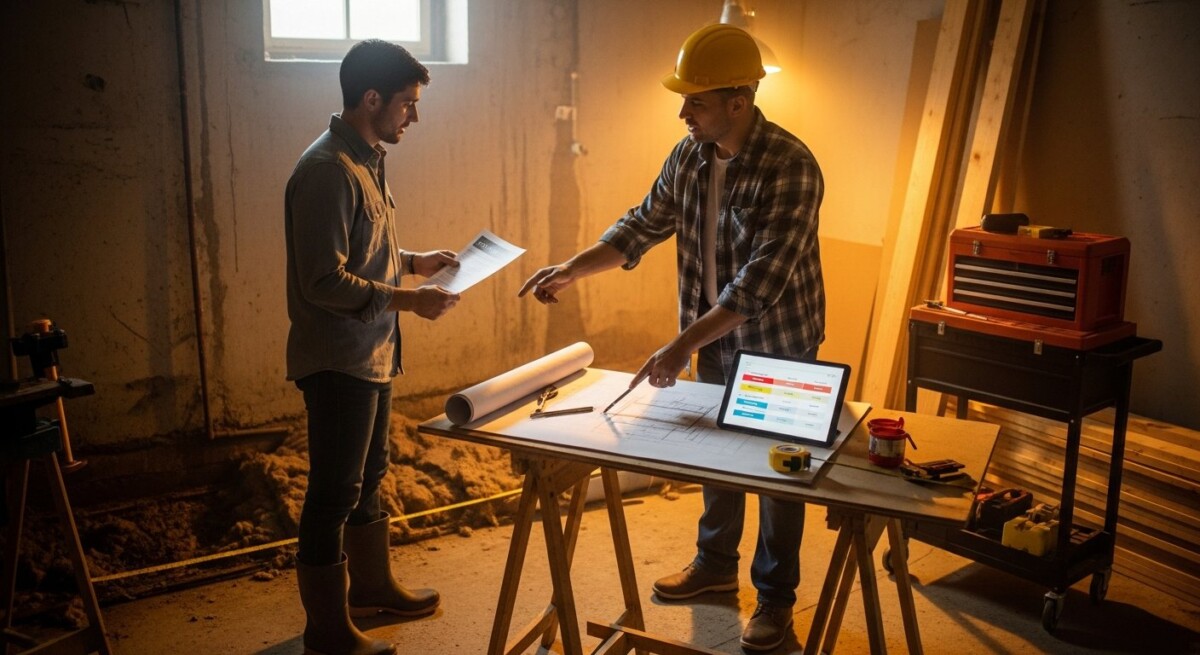
Experienced contractors take the guesswork out of fence pricing. They begin with a thorough site visit to measure your property, check the soil condition, and identify any obstacles. This on-site evaluation allows them to give you a detailed, accurate estimate that covers materials, labor, permits, and cleanup.
Professional installers also know local building codes and zoning laws. They handle the permit process for you, ensuring your fence meets height and setback requirements. This saves you from fines or the nightmare of having to tear down a fence that was built illegally.
The typical professional fence installation process follows these steps:
- On-site measurement and assessment of terrain, soil, and property lines
- Review of local codes and application for necessary permits
- Clear and detailed written estimate with no hidden fees
- Proper marking of underground utility lines before digging
- Installation using industry best practices (e.g., concrete footings, level posts)
- Final inspection and cleanup, plus warranty documentation
A professional inspection can reveal hidden issues before they become expensive repairs. Compare contractor quotes here or call to discuss your project.
Warning signs you should not ignore
If you are still in the planning stages, certain warning signs can alert you that your fence project may cost more than expected. Recognizing these early helps you budget accurately and avoid mid-project surprises.
For example, if your yard has a steep slope, expect higher labor costs because installers need to step the fence panels or use longer posts. Similarly, rocky or clay-heavy soil requires special digging equipment, which adds to the price. Ignoring these factors when getting quotes can lead to shock when the final bill arrives.
Watch for these warning signs that your fence installation may be more complex (and costly) than average:
- Your yard has a noticeable slope or uneven ground
- You have large trees with roots near the fence line
- Underground sprinklers or utility lines are present
- Your current fence is rotted, rusty, or set in concrete
- Your home is in a neighborhood with strict HOA or zoning rules
- You want a custom gate, decorative features, or unusual heights
What affects the cost of repairs or installation
Several key factors determine the final price of your fence project. Understanding these helps you evaluate quotes intelligently and decide where to splurge versus where to save.
The size of your project is the most obvious factor. Fence costs are typically calculated per linear foot, so a larger yard means a higher total price. But the shape of your yard matters too,a rectangular lot is cheaper to fence than an L-shaped one with many corners.
Material choice is the biggest driver of cost differences. Pressure-treated pine is the most affordable option, while cedar, vinyl, aluminum, and wrought iron cost progressively more. Labor costs also vary by region and by the complexity of the installation. Accessibility matters: if the crew has to carry materials through a narrow gate or down a steep hill, expect higher labor charges.
Costs can vary depending on the condition of your home. The best way to know the price is to get a personalized estimate. Request free quotes from contractors or call today.
How to choose the right contractor
Finding a reliable contractor is just as important as understanding pricing. A skilled installer will make sure your fence lasts for decades, while an inexperienced one can leave you with leaning posts and sagging gates.
Start by asking for recommendations from neighbors who have recently had fences installed. Online reviews are helpful, but nothing beats seeing the finished work in person. Always verify that the contractor is licensed, insured, and bonded. Insurance protects you if a worker gets injured on your property.
Here are practical tips for selecting the right contractor for your fence project:
- Ask for proof of general liability insurance and workers’ compensation
- Read online reviews on Google, Yelp, and the Better Business Bureau
- Request a detailed written estimate that breaks down materials, labor, and permits
- Get at least three quotes from different contractors before deciding
- Confirm they have experience with your specific fence material and terrain type
Long-term benefits of professional work
Investing in professional fence installation pays off in many ways over the years. A properly installed fence requires less maintenance, stands up to weather better, and adds lasting curb appeal to your home.
Professional contractors use techniques that prevent common problems like post rot, gate sag, and panel warping. They set posts below the frost line, use proper drainage gravel, and secure panels with corrosion-resistant hardware. These details make a huge difference in longevity.
Beyond durability, a professional fence enhances your home’s value and your quality of life. You gain privacy, security, and a defined outdoor space for kids and pets. When it is time to sell, a well-built fence is a strong selling point that can help your home stand out in the market.
In our fence installation pricing guide, we explain how to budget for your project. For more detailed advice on comparing bids, see our guide to understanding fence installation quotes.
How much does a fence cost per linear foot?
Fence costs typically range from $15 to $50 per linear foot, depending on material, labor, and location. Wood fences average $15,$30 per foot, while vinyl ranges from $25,$45 per foot. Wrought iron and aluminum cost $25,$50 per foot or more. Always get multiple quotes to see where your project falls.
What is the cheapest fence to install?
Pressure-treated pine is usually the most affordable fence material, costing around $15,$25 per linear foot installed. Chain-link fences are also inexpensive, often $10,$20 per foot, but they offer less privacy. Keep in mind that cheaper materials may require more maintenance or replacement sooner.
Do I need a permit to install a fence?
Most municipalities require a permit for fences over a certain height,typically 6 feet in backyards and 4 feet in front yards. Your contractor should handle this, but it is wise to confirm. Building without a permit can result in fines and forced removal of the fence.
How long does it take to install a fence?
A typical residential fence installation takes 1 to 3 days, depending on the size of the yard and complexity of the terrain. Simple, flat lots with wood panels are fastest. Sloped yards or custom gates can add a day or two.
Should I remove the old fence myself to save money?
Removing an old fence yourself can save a few hundred dollars, but it is labor-intensive and can be dangerous if the structure is unstable. Many contractors include removal in their quote, which is often worth the cost for the convenience and safety.
What factors affect fence installation labor costs the most?
Labor costs are highest for projects with difficult terrain (slopes, rocks), hard-to-reach backyards, concrete post footings, and custom designs like curved fences. Local labor rates also vary,urban areas with higher cost of living tend to have higher installation fees.
How do I compare quotes from different contractors?
Look beyond the total price. Compare the materials specified (type of wood, gauge of metal), the depth of post holes, the warranty offered, and whether permits and cleanup are included. A higher quote that includes better materials and a longer warranty may be a better value.
Is it worth paying more for a professional fence installation?
Yes, in most cases. Professional installation ensures your fence is straight, stable, and built to last. DIY fences often develop problems within a few years, costing more to fix than the amount saved on labor. A professional job also protects your property value and avoids safety risks.
Understanding fence pricing does not have to be overwhelming. By learning what drives costs and recognizing the warning signs of a complex project, you can approach your fence installation with confidence. The smartest move is to get multiple quotes from qualified contractors so you can compare options and choose the best value for your home. Start today by reaching out to local professionals for free estimates.