Average Cost of Home Renovation Projects: A Practical Guide
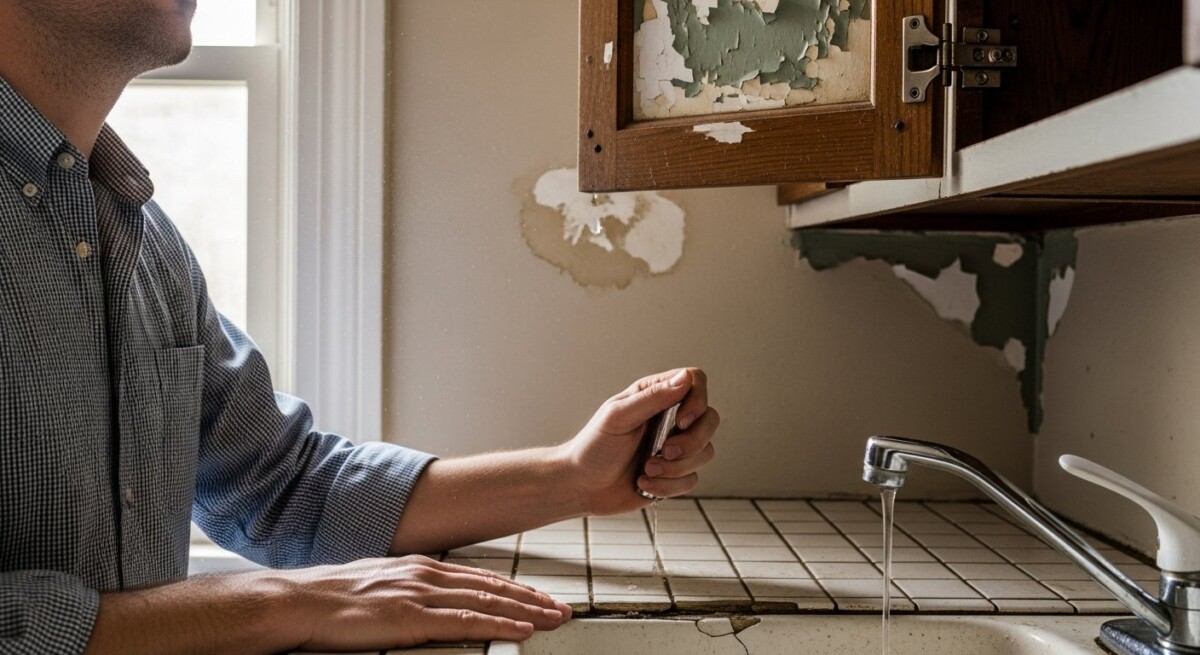
You walk into your kitchen one morning and notice a small crack in the tile. A few weeks later, the cabinet door won’t close, and the faucet drips. Suddenly, that minor issue feels like the tip of an iceberg. This is how most homeowners discover the need for a renovation,slowly, through small annoyances that grow into bigger problems. Understanding the average cost of home renovation projects helps you plan ahead, avoid surprises, and protect your home’s value. Ignoring these early signs can lead to water damage, structural issues, and much higher bills down the road.
Understanding Average Cost of Home Renovation Projects
The average cost of home renovation projects varies widely depending on the scope of work. A small bathroom remodel might run between $6,000 and $15,000, while a full kitchen renovation can cost $25,000 to $50,000 or more. These numbers fluctuate based on your location, the materials you choose, and the condition of your home.
Renovation costs exist because homes age, materials wear out, and systems break down. Older homes,especially those built before 1980,often need updates to plumbing, electrical, or insulation. Even newer homes may need repairs due to poor construction or unexpected damage. Knowing what you’re likely to spend helps you set a realistic budget and avoid financial stress.
How Costs Break Down by Room
Different rooms come with different price tags. Bathrooms and kitchens tend to cost the most because they require plumbing, electrical, and waterproofing. Basement finishing and attic conversions also add significant value but require structural work. A simple paint job or flooring update is more affordable but can still refresh a room dramatically. For a detailed breakdown of what to expect, check out our guide: Average Cost of Home Renovation Projects: A Practical Guide.
Why This Matters for Your Home
Renovations affect more than just your home’s appearance. They directly impact safety, comfort, and long-term property value. A leaky roof or outdated wiring doesn’t just look bad,it can lead to mold, fire hazards, or structural rot. Delaying repairs often turns a small fix into a full replacement, tripling your costs.
Your home is likely your largest financial asset. Protecting it means staying ahead of wear and tear. A well-planned renovation can improve energy efficiency, reduce utility bills, and make your home more enjoyable to live in. On the flip side, ignoring visible problems can lower resale value and make it harder to sell later.
If you notice signs of this issue in your home, it may help to speak with a qualified contractor. Request a free quote or call to explore your repair or remodeling options.
Common Problems Homeowners Experience
Most homeowners run into similar renovation headaches. Outdated bathrooms with peeling paint or cracked tile are a top complaint. Kitchens with worn countertops, broken appliances, or poor layouts also rank high. Basements that flood or feel damp often need waterproofing and finishing.
Other common issues include drafty windows, aging roofs, and cracked driveways. These problems may seem cosmetic at first, but they can signal deeper issues like poor insulation or foundation movement. The longer you wait, the more likely you’ll face structural damage or mold growth.
- Peeling paint or wallpaper in bathrooms and kitchens
- Water stains on ceilings or walls
- Creaky or uneven floors
- Drafts near windows or doors
- Outdated electrical panels or frequent breaker trips
- Musty smells in basements or crawl spaces
How Professionals Solve the Problem
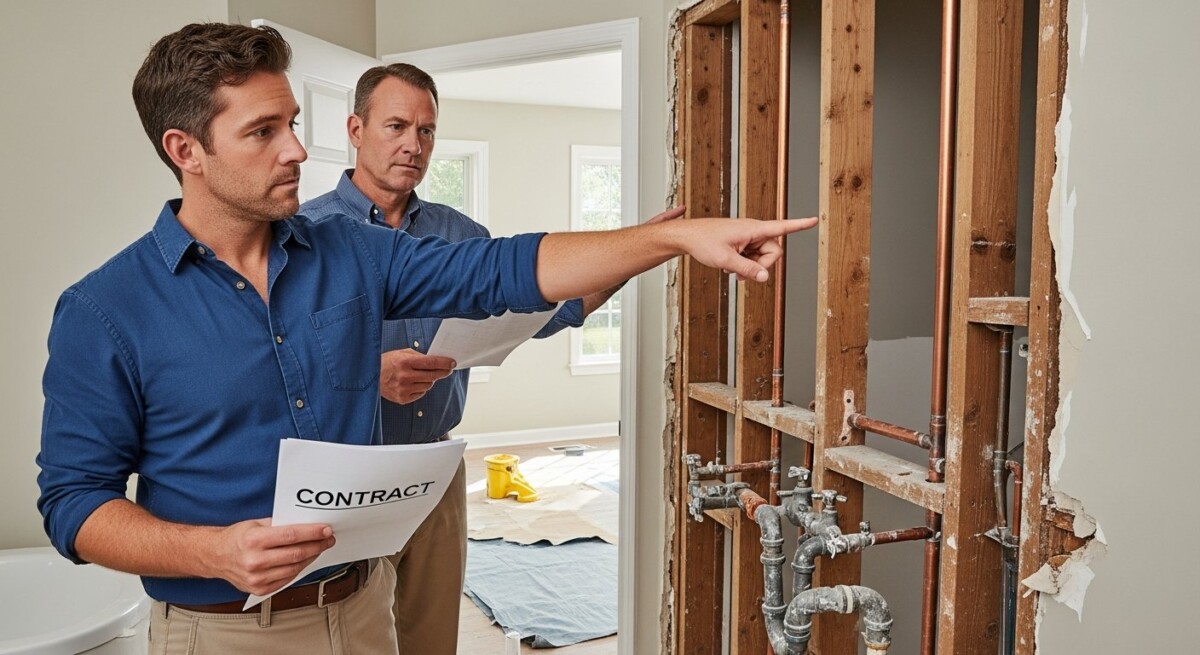
Experienced contractors begin with a thorough inspection to identify all issues,not just the ones you see. They measure, test, and assess the condition of your home’s systems. This step alone can reveal hidden problems like leaking pipes or inadequate support beams that a DIY approach might miss.
From there, professionals create a detailed plan and timeline. They handle permits, material sourcing, and coordination between trades like electricians and plumbers. This saves you hours of research and avoids costly mistakes. Professional work also comes with warranties, so you’re protected if something goes wrong.
- Inspection and assessment: Identify all visible and hidden issues.
- Design and planning: Choose materials, layouts, and finishes.
- Permitting and prep: Secure necessary permits and protect your home.
- Construction and installation: Complete demolition, rough-in, and finishing.
- Final walkthrough: Ensure everything meets code and your expectations.
A professional inspection can reveal hidden issues before they become expensive repairs. Compare contractor quotes here or call to discuss your project.
Warning Signs You Should Not Ignore
Your home sends signals when something needs attention. A small crack in the foundation might grow into a major structural issue. A toilet that rocks could mean a leaky wax ring, which leads to subfloor rot. Ignoring these signs can turn a $200 fix into a $2,000 repair.
Pay attention to changes in how your home feels and smells. Musty odors often indicate mold or moisture problems. Higher-than-normal utility bills might mean poor insulation or an aging HVAC system. Early action gives you more control over the timeline and cost.
- Water stains or bubbling paint on ceilings
- Doors or windows that stick or won’t close
- Unexplained increases in heating or cooling bills
- Visible mold or mildew in bathrooms or basements
- Cracks in walls, floors, or foundation
- Frequent plumbing clogs or slow drains
What Affects the Cost of Repairs or Installation
Several factors influence the final price of a renovation. The size of the project is the most obvious,a full kitchen remodel costs more than a minor update. Material quality also plays a big role. Solid hardwood floors are more expensive than laminate, but they last longer and add more value.
Labor costs vary by region and trade. Urban areas typically have higher rates than rural ones. Accessibility matters too: a second-floor bathroom renovation costs more than a ground-floor one because of added labor for hauling materials. The age of your home can also drive up costs if it contains outdated wiring, asbestos, or lead paint.
Costs can vary depending on the condition of your home. The best way to know the price is to get a personalized estimate. Request free quotes from contractors or call today.
How to Choose the Right Contractor
Selecting a reliable contractor is one of the most important decisions you’ll make during a renovation. Start by checking their license and insurance. A licensed contractor has met state requirements, and insurance protects you if an accident happens on your property.
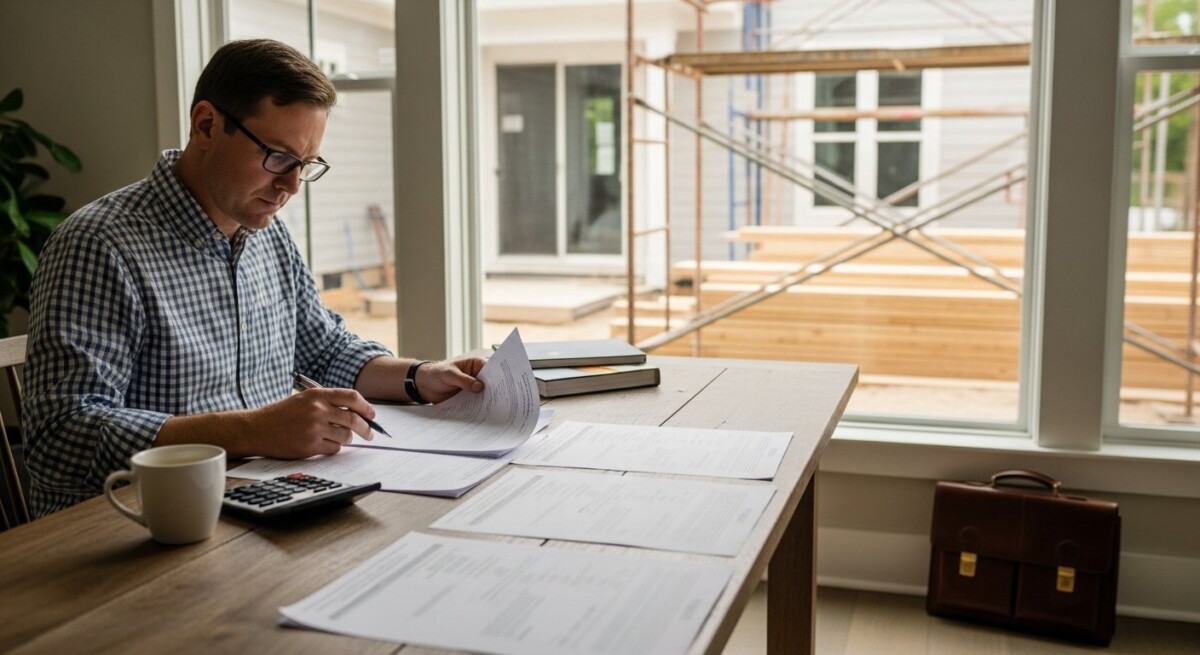
Read online reviews and ask for references. A contractor with a solid track record will be happy to share past work. Get at least three detailed estimates before making a choice. The lowest bid isn’t always the best,look for clear pricing and a realistic timeline.
- Verify licenses and insurance with your state board
- Read recent reviews on Google, Yelp, or the Better Business Bureau
- Ask for a written estimate that breaks down materials and labor
- Compare at least three quotes to understand market pricing
- Confirm they have experience with your specific type of project
For more guidance on finding a trusted pro, read our article: Best Contractors for Home Renovation Projects: A Homeowner Guide.
Long-Term Benefits of Professional Work
Hiring a professional contractor pays off in many ways beyond the finished look. Proper installation improves safety,especially with electrical, gas, or structural work. It also boosts energy efficiency, which lowers your monthly bills. A well-done renovation can increase your home’s resale value by 50% or more of what you spent.
Professional work also reduces future maintenance. Quality materials and correct installation mean fewer repairs down the road. You’ll enjoy peace of mind knowing the job meets building codes and safety standards. In the end, investing in professional help saves you time, money, and stress.
How do I estimate the cost of my renovation?
Start by measuring the room or area you plan to renovate. Then research average costs per square foot for similar projects in your area. Add 10,20% for unexpected issues. The most accurate method is to get multiple quotes from local contractors.
What is the most expensive part of a home renovation?
Labor typically accounts for 40,60% of total costs. Materials make up the rest. In kitchens and bathrooms, plumbing, electrical work, and cabinetry are the biggest expenses. Structural changes like removing walls also drive up costs significantly.
How long does a typical home renovation take?
A bathroom remodel usually takes 3,6 weeks. A kitchen renovation can take 6,12 weeks. Whole-home remodels may last 3,6 months. Timelines depend on the scope of work, material availability, and contractor scheduling.
Can I renovate my home on a tight budget?
Yes. Focus on high-impact, low-cost updates like painting, new hardware, or lighting fixtures. Consider refinishing cabinets instead of replacing them. Prioritize repairs that prevent future damage, such as fixing leaks or upgrading insulation.
Should I get permits for my renovation?
Most structural, electrical, and plumbing work requires permits. Skipping permits can lead to fines, safety issues, and problems when selling your home. A licensed contractor typically handles the permitting process for you.
How do I know if a contractor is trustworthy?
Check their license and insurance, read online reviews, and ask for references. A trustworthy contractor provides a detailed written contract, communicates clearly, and doesn’t demand full payment upfront. Compare multiple quotes to spot red flags.
What is the return on investment for a kitchen remodel?
A minor kitchen remodel typically recovers 70,80% of costs at resale. Major upscale remodels may return 50,60%. The exact ROI depends on your market, but updated kitchens consistently attract buyers and add value.
How can I reduce renovation costs without sacrificing quality?
Choose mid-range materials instead of premium brands. Keep the same layout to avoid moving plumbing or electrical. Do your own demolition and cleanup if you’re comfortable. Get multiple quotes to find fair pricing without compromising on labor quality.
Renovating your home is a big decision, but understanding the costs and options makes it manageable. Early action prevents small issues from becoming expensive emergencies. Start by comparing contractor quotes and getting a professional inspection. For help planning a project in your area, read our guide: Home Renovation Bids Phoenix Arizona: A Homeowner Guide. Taking the first step now can save you money, stress, and time in the long run.