Exterior Renovation Cost Guide: What Homeowners Need to Know
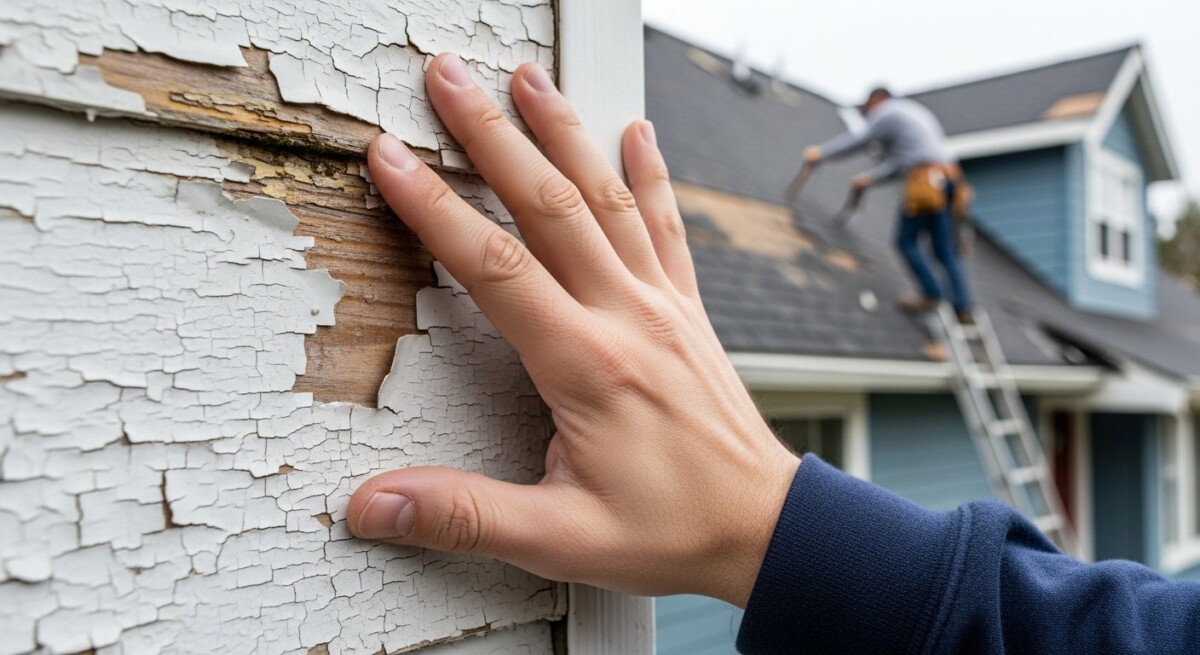
You walk outside one morning and notice a small crack in your home’s siding. Maybe the paint is peeling near the roofline, or the wooden trim feels soft when you press it. At first, it seems minor,just a cosmetic flaw. But as weeks pass, the crack widens, water seeps in, and that small issue turns into a costly repair. This is the reality for many homeowners who delay exterior maintenance. Understanding an exterior renovation cost guide can help you spot problems early, plan your budget, and protect your home’s value before small flaws become major expenses.
Understanding exterior renovation cost guide
An exterior renovation cost guide is simply a breakdown of the typical expenses involved in repairing or replacing the outer shell of your home. This includes everything from siding and roofing to windows, doors, gutters, and paint. Every home ages differently, but exposure to sun, rain, wind, and snow eventually takes a toll on exterior materials.
Older homes and properties in harsh climates are most affected, but even newer builds can show wear if materials weren’t installed correctly. The purpose of a cost guide is to give you a realistic range so you can plan for maintenance or prepare for a full remodel. It helps you avoid surprises and make informed decisions about what to fix and when.
Why This Matters for Your Home
Ignoring exterior issues doesn’t make them go away,it makes them worse. A small roof leak can rot the decking underneath and lead to mold inside your attic. Cracked siding allows moisture to reach your home’s framing, which can compromise structural integrity. Over time, these problems create safety risks and reduce your property’s value.
Delaying repairs also costs you more in the long run. What starts as a $500 siding patch might turn into a $5,000 replacement if water damage spreads. By acting early, you protect your family’s comfort and your home’s resale potential. As our exterior renovation cost guide explains, knowing what to expect helps you stay ahead of these escalating expenses.
If you notice signs of this issue in your home, it may help to speak with a qualified contractor. Request a free quote or call to explore your repair or remodeling options.
Common Problems Homeowners Experience
Most homeowners first notice problems when they see visible damage,peeling paint, warped boards, or missing shingles. But many issues start invisibly, inside walls or under roofing layers, and only become obvious after significant harm is done. By then, repair costs have already climbed.
Here are typical exterior problems that signal it’s time for a renovation:
- Faded or peeling paint that no longer protects the wood
- Rotting or soft spots on siding, trim, or window frames
- Drafty windows and doors that raise energy bills
- Missing or cracked roof shingles after a storm
- Gutters that sag, leak, or overflow during rain
- Concrete walkways or patios with deep cracks or uneven surfaces
How Professionals Solve the Problem
Experienced contractors begin every job with a thorough inspection. They look beyond what’s visible to identify hidden damage,like water intrusion behind siding or rot in the sub-roof. This ensures the repair addresses the root cause, not just the symptom. They also handle permits, safety protocols, and proper disposal of old materials.
The typical process follows these steps:
- Inspection and assessment , The contractor evaluates the full exterior and identifies all problem areas.
- Material selection , You choose materials that fit your budget, climate, and home style.
- Preparation and removal , Damaged sections are removed safely, and the work area is prepped.
- Installation or repair , New materials are installed according to manufacturer specs and local building codes.
- Final cleanup and inspection , The crew cleans up debris and a final walkthrough ensures quality.
Professional work also comes with warranties and insurance protection,something DIY projects cannot offer. A mistake on your own could cost far more than hiring a pro in the first place.
A professional inspection can reveal hidden issues before they become expensive repairs. Compare contractor quotes here or call to discuss your project.
Warning Signs You Should Not Ignore
Your home gives you clues when it needs help. Pay attention to changes you can see, feel, or hear. Early detection is your best defense against runaway costs. If you notice any of these signs, it’s time to investigate further.
- Water stains on interior walls or ceilings near exterior walls
- Peeling wallpaper or bubbling paint inside the home
- Musty odors in basements or crawl spaces
- Higher utility bills without a change in usage
- Visible gaps between siding panels or around windows
- Insect or rodent activity near rooflines or foundation
What Affects the Cost of Repairs or Installation
Several factors influence the final price of an exterior renovation. The size of your home is the most obvious,larger homes require more materials and labor. The type of materials you choose also plays a major role. For example, fiber cement siding costs more than vinyl but lasts longer and resists damage better.
Accessibility matters too. A second-story repair that requires scaffolding will cost more than a ground-level fix. The age of your home can add complexity, especially if older materials like lead paint or asbestos need special handling. Local labor rates also vary by region. For a deeper look at pricing, our garage renovation cost estimate guide discusses similar factors that apply to all exterior projects.
Costs can vary depending on the condition of your home. The best way to know the price is to get a personalized estimate. Request free quotes from contractors or call today.
How to Choose the Right Contractor
Not all contractors are equal. A bad hire can lead to shoddy work, delays, and even legal trouble. Taking time to vet candidates saves you headaches and money down the road. Start by asking for recommendations from neighbors or friends who’ve had similar work done.
Here are five tips to help you select a reliable pro:
- Check licenses and insurance , Verify that the contractor is licensed in your state and carries liability and workers’ comp insurance.
- Read customer reviews , Look for recent reviews on Google, Yelp, or the Better Business Bureau.
- Ask for detailed estimates , A good estimate breaks down materials, labor, permits, and cleanup costs.
- Compare multiple quotes , Get at least three bids to understand the market rate for your project.
- Confirm experience with similar projects , Ask for photos or references from past exterior renovations like yours.
Long-Term Benefits of Professional Work
Investing in professional exterior renovation pays off for years. Quality materials and correct installation mean fewer repairs and lower maintenance costs over time. Your home stays safer, more comfortable, and more energy-efficient, which reduces monthly utility bills.
A well-maintained exterior also boosts curb appeal and resale value. If you ever decide to sell, buyers will notice the difference between a home that’s been cared for and one that’s been patched together. As this garage renovation cost guide shows, even targeted improvements can significantly increase property value when done correctly.
Finally, professional work gives you peace of mind. You know the job was done right, with proper warranties and code compliance. That’s something you can’t put a price on.
How much does an exterior renovation typically cost?
Costs vary widely based on the size of your home, materials, and scope of work. A minor siding repair might run $500,$2,000, while a full exterior remodel,including siding, windows, roofing, and gutters,can range from $15,000 to $40,000 or more. Getting multiple quotes is the best way to narrow down the cost for your specific project.
What is the most expensive part of an exterior renovation?
Roofing and siding replacement are typically the largest expenses because they cover large surface areas and require specialized labor. High-end materials like stone veneer or cedar shingles also drive up costs significantly.
Can I finance an exterior renovation?
Yes, many homeowners use home equity loans, personal loans, or contractor financing programs. Some contractors also offer payment plans. Check interest rates and terms before committing to ensure the financing fits your budget.
How long does an exterior renovation take?
A small repair might take a day or two. A full exterior remodel can take one to three weeks, depending on weather, material availability, and the complexity of the work. Your contractor should provide a timeline before starting.
Should I repair or replace my siding?
If damage is isolated to one or two panels, repair is often sufficient. If multiple areas show rot, warping, or fading, replacement may be more cost-effective in the long run. A contractor can assess the condition during an inspection.
Do I need a permit for exterior renovations?
Most structural changes,like replacing siding, roofing, or windows,require a permit. Minor repairs like painting or patching small areas usually do not. A professional contractor will handle permit applications as part of the job.
How can I save money on an exterior renovation?
Choose mid-range materials that balance cost and durability, get multiple quotes, and schedule work during off-peak seasons (late fall or early spring). Avoid making changes mid-project, as change orders often add costs.
What should I look for in a contractor’s estimate?
A thorough estimate includes a description of the work, material brands and quantities, labor costs, permit fees, cleanup, and a payment schedule. It should also state the warranty terms. If anything is vague, ask for clarification before signing.
Your home’s exterior is its first line of defense against the elements. By understanding the costs involved and addressing problems early, you protect your investment and keep your family safe. Don’t wait until a small crack becomes a big crisis. Compare contractor quotes, ask questions, and start planning your renovation with confidence.