
FHA 203k Loan Renovation Requirements: Homeowners Guide
Discover FHA 203k loan renovation requirements homeowners guide to finance repairs and upgrades in one mortgage. Call 8332111668 for contractor help.

By Olivia Owens
Learn more about General Contracting for guides, costs, and what to expect.
Compare General Contracting Pros Near You

Enter your ZIP code to compare top-rated local professionals and request free quotes.
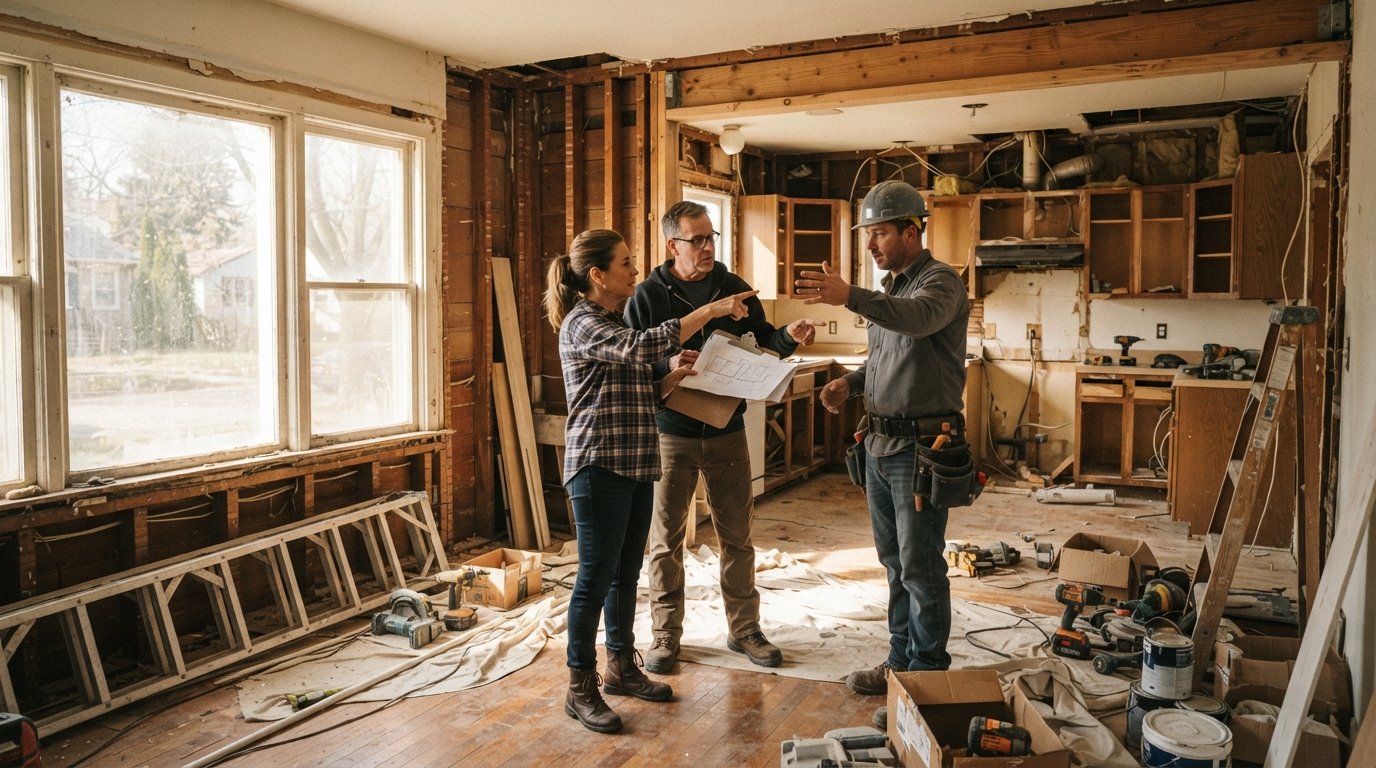
Buying a fixer-upper sounds romantic until you realize most mortgage lenders will not touch a home that needs major repairs. That is where the FHA 203k loan changes the game. It lets you finance both the purchase price and the renovation costs in a single mortgage, which means you do not need a separate construction loan or a pile of cash sitting in reserve. For homeowners who want to build equity through sweat equity and smart upgrades, the 203k program can be the difference between walking away from a promising property and turning it into the home of your dreams.
But the program comes with strict rules, and those rules trip up plenty of buyers who assume they can renovate however they like. The FHA 203k loan renovation requirements homeowners guide below walks you through what qualifies, what does not, how the draws work, and how to keep your project on track from contract to final inspection.
What an FHA 203k Loan Actually Covers
The FHA 203k is a government-backed mortgage insured by the Federal Housing Administration. It comes in two main flavors. The Standard 203k is designed for larger projects, typically $35,000 and up, and it allows structural work, room additions, and major systems replacement. The Limited 203k caps renovation costs at $35,000 and restricts the scope to non-structural improvements like kitchen updates, cosmetic repairs, and minor plumbing or electrical work.
Both versions share the same core promise: one loan, one closing, one monthly payment that covers the property and the repairs. That simplicity is appealing, but it also means the lender and the FHA have a say in what you spend that money on. The property must end up safe, sound, and secure, and every improvement must add lasting value or correct a deficiency.
Here is a quick breakdown of what typically qualifies under each version:
- Standard 203k: structural repairs, room additions, full kitchen and bath remodels, roofing, HVAC replacement, foundation work, and accessibility improvements.
- Limited 203k: minor kitchen and bath updates, painting, flooring, appliance replacement, minor plumbing and electrical, and weatherization.
- Both: repairs required to meet FHA minimum property standards, such as fixing peeling paint, repairing leaky roofs, or correcting code violations.
Notice what is missing from that list: luxury upgrades with no functional purpose. A swimming pool, a wine cellar, or a putting green will not fly. The FHA wants to see that the money goes toward making the home livable and valuable, not toward personal indulgences that a future appraiser might ignore. If you are unsure whether your planned project qualifies, it helps to understand contractor insurance requirements for homeowners, because the professionals you hire will need to meet specific insurance and licensing standards before the lender releases any funds.
Eligibility Rules Every Borrower Should Know
The 203k loan is not available to everyone. The FHA sets borrower requirements that mirror a standard FHA mortgage, but the renovation component adds a few extra layers. You need a minimum credit score, typically 500 with a 10 percent down payment or 580 with 3.5 percent down. Your debt-to-income ratio must fall within FHA limits, and the property must be your primary residence. Investment properties and second homes do not qualify.
The property itself also has to meet certain conditions. It must be a one- to four-unit dwelling, and if it is a multi-unit property, you must occupy one of the units. Condos are eligible only if they are FHA-approved. The home must be in a state that allows the renovation, and the after-improved value must support the loan amount. In other words, the appraiser will estimate what the home will be worth once the work is done, and that number determines how much you can borrow.
There is also a timeline requirement. All renovation work must be completed within six months of closing. That window is firm, and extensions are rare. If your contractor cannot finish within that timeframe, you may need to reconsider the scope or find a different loan product. This is one reason why hiring a contractor with 203k experience matters so much. A seasoned professional knows how to sequence trades, order materials early, and keep inspections on schedule.
How the Renovation Draw Process Works
One of the most misunderstood parts of the 203k program is how the money actually reaches your contractor. You do not get a lump sum at closing and hand it over. Instead, the lender holds the renovation funds in escrow and releases them in draws as work is completed and inspected. This protects both you and the lender from paying for work that was never done.
The draw process typically follows a set sequence:
- The contractor submits a draw request with invoices and proof of completed work.
- The lender orders an inspection to verify that the work matches the request.
- The inspector approves the draw, and the lender releases funds to the contractor.
- The process repeats until the project is complete and a final inspection clears the loan.
This system sounds straightforward, but it can create cash flow challenges for contractors who are used to receiving deposits upfront. Some contractors refuse 203k work for that reason. Others build the delay into their pricing. When you are comparing bids, ask each contractor whether they have worked on 203k projects before and how they handle the draw schedule. A contractor who understands the process will be far easier to work with than one who is learning on your dime.
You should also budget for a contingency reserve. The FHA requires a contingency of at least 10 to 15 percent of the renovation cost to cover unexpected issues. If the inspector finds hidden water damage or outdated wiring, that reserve pays for the fix without blowing up your budget. Any unused contingency can be applied to the principal balance at the end of the project.
What Does Not Qualify Under a 203k Loan
The FHA publishes a list of ineligible improvements, and it is longer than most homeowners expect. Luxury items top the list. Swimming pools, hot tubs, saunas, and outdoor kitchens are generally off-limits. So are improvements that do not become a permanent part of the property, such as above-ground pools, portable spas, and removable fixtures.
Certain repairs are also excluded because they are considered routine maintenance rather than renovation. If the home needs a new furnace filter or a fresh coat of paint on a fence, that is on you, not the loan. The FHA wants the 203k to fund improvements that increase value or correct health and safety hazards, not to cover deferred maintenance that a seller should have handled.
Here is a short list of commonly rejected items:
- Swimming pools, hot tubs, and spas
- Outdoor fireplaces, fire pits, and landscaping features
- Alarm systems and other non-permanent electronics
- Repairs to detached structures that are not part of the primary residence
- Any work that requires new permits the borrower cannot obtain
If your heart is set on a pool, you will need to fund it separately. The 203k loan is designed to make a house safe and livable, not to turn it into a resort. Knowing this upfront saves you from designing a project that the lender will reject.
Working With a 203k Consultant and Contractor
The FHA requires most Standard 203k borrowers to work with a HUD-approved 203k consultant. This consultant is not your contractor. They are an independent third party who reviews your project, prepares a work write-up, and inspects the property at key milestones. Their fee is typically rolled into the loan, and their job is to protect you from scope creep and shoddy work.
Your contractor, on the other hand, is the person who actually swings the hammer. The FHA does not license contractors, but it does require that they be licensed and insured in your state. The lender will also review the contractor's credentials before approving them for the project. This is where a platform like Repairmen can be useful, because it connects homeowners with vetted local professionals who have already passed background and licensing checks. Still, you should do your own due diligence. Ask for references, verify insurance, and check for complaints with your state licensing board.
Communication is critical once work begins. You, the consultant, the contractor, and the lender all need to stay in sync. If the contractor deviates from the approved scope, the lender can withhold draws. If the consultant finds a problem during an inspection, work may stop until it is resolved. The smoother your communication, the faster your project moves.
Common Pitfalls and How to Avoid Them
The 203k program has a steep learning curve, and even experienced homeowners make mistakes. One of the most common is underestimating the timeline. Six months sounds generous until you factor in permit delays, material backorders, and inspection scheduling. Build a buffer into your plan and keep the scope realistic.
Another pitfall is choosing a contractor who has never done a 203k project. These contractors often struggle with the draw process, miss paperwork deadlines, or fail inspections. The result is delays, frustration, and sometimes a project that stalls entirely. Interview at least three contractors, and prioritize those with verifiable 203k experience.
Finally, do not treat the contingency reserve as spending money. It is there for surprises, and surprises always come. A roof that looks fine from the ground may reveal rotten decking once the shingles come off. A bathroom remodel may uncover mold behind the tile. If you spend the contingency on upgrades, you will have nothing left when the real problems appear. The FHA 203k loan renovation requirements homeowners guide is ultimately a roadmap for discipline: stick to the scope, respect the process, and let the experts do their jobs.
With the right team and a clear plan, a 203k loan can transform a neglected property into a comfortable, valuable home. The paperwork is heavy, the inspections are frequent, and the rules are strict, but the payoff is a single mortgage that covers both the purchase and the improvements. Start by getting quotes from qualified contractors, confirm their insurance and licensing, and map out a renovation plan that fits within the FHA guidelines. Your future home is worth the effort.