
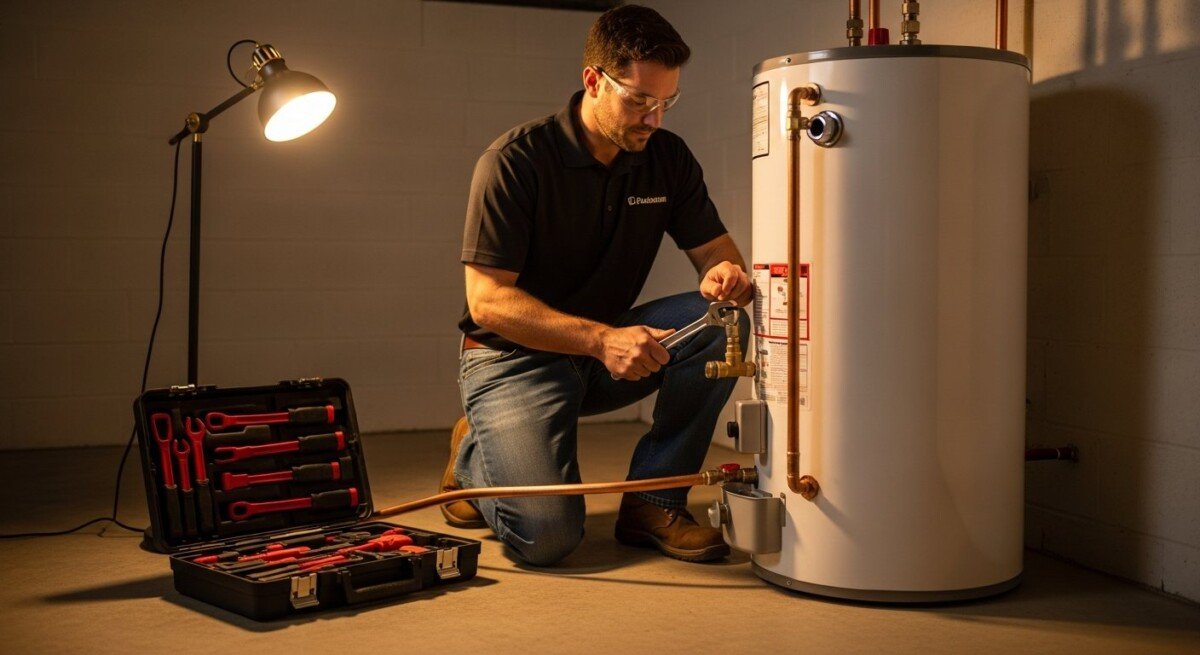
Find a Reliable Water Heater Contractor Near You
Find a reliable local water heater contractor for repair or installation. Learn how to choose a pro, understand costs, and restore your hot water safely.

By Elena John
Learn more about Water Heater Repair or Maintenance for guides, costs, and what to expect.
Compare Water Heater Repair or Maintenance Pros Near You

Enter your ZIP code to compare top-rated local professionals and request free quotes.
Your water heater is one of those home appliances you don’t think about until it stops working. Then, it becomes the most important thing in your house. Whether you’re facing a cold shower, a mysterious leak, or just know your unit is getting old, the search for a “water heater contractor near me” begins. Finding the right local professional quickly is key to restoring your hot water and your peace of mind.
What Does “Water Heater Contractor Near Me” Really Mean?
When you search for a “water heater contractor near me,” you’re looking for more than just a name on a map. You’re seeking a licensed, insured professional who specializes in the installation, repair, and maintenance of both traditional tank and modern tankless water heaters. This isn’t a job for a general handyman; it requires specific knowledge of plumbing, gas lines, electrical connections, and local building codes.
A true water heater contractor has the expertise to diagnose complex issues, recommend the right unit for your home’s size and fuel type, and ensure the installation is safe and up to standard. They handle everything from pulling permits to final inspection, providing a single point of responsibility.
The Difference Between a Plumber and a Specialist
While many plumbers can handle basic water heater work, a dedicated contractor often has deeper, focused experience. They are typically more familiar with the latest models, advanced troubleshooting for both gas and electric systems, and can offer more comprehensive warranties on both parts and labor. This specialization can mean a faster, more efficient, and longer-lasting solution for your home.
Why Choosing the Right Local Contractor Matters
Choosing the right water heater professional impacts your daily life, your wallet, and your home’s safety. A proper installation ensures efficient operation, which lowers your energy bills and provides a steady, reliable supply of hot water for showers, laundry, and dishes. More importantly, it prevents dangers like gas leaks, carbon monoxide poisoning, or water damage from faulty connections.
A local contractor understands the specific water conditions in your area, such as hard water, which can affect heater performance and lifespan. They can also recommend solutions tailored to local climate and code requirements. Their proximity means faster response times for emergencies and easier scheduling for routine maintenance or follow-up service.
Don’t wait for a cold emergency to find help. Get a free, no-obligation quote from a pre-vetted water heater specialist in your area today or call (877) 590-0386 to speak directly with our service team.
Common Water Heater Issues and What Causes Them
Water heaters give clear signals when something is wrong. Understanding these common problems can help you communicate effectively with your contractor.
One of the most frequent complaints is a lack of hot water or water that doesn’t get hot enough. This can be caused by a failing heating element (in electric units), a damaged gas burner or thermocouple (in gas units), or a sediment-clogged tank that insulates the water from the heat source. Another common issue is discolored or rusty-smelling water, which often points to internal tank corrosion, a serious sign that your tank may be failing.
Leaks are always a cause for immediate concern. They can originate from loose drain valves, faulty temperature and pressure (T&P) relief valves, or, most critically, from the tank itself. A leaking tank cannot be repaired and requires full replacement. Strange noises like rumbling, popping, or banging are almost always caused by sediment buildup (scale) at the bottom of the tank. As the sediment hardens and is heated, it creates these sounds and reduces efficiency.
- No Hot Water: Failed heating element, gas ignition problem, or a tripped circuit breaker.
- Insufficient Hot Water: Undersized unit, broken dip tube, or a faulty thermostat.
- Discolored/Rusty Water: Corroding anode rod or internal tank rust.
- Leaking Tank: Corrosion and age; requires immediate replacement.
- Rumbling/Popping Noises: Sediment buildup overheating and hardening.
How a Professional Diagnoses and Fixes Your Water Heater
A qualified contractor follows a systematic process to ensure your problem is solved correctly the first time. It starts with a thorough inspection. They will check for visible leaks, test the water temperature, listen for unusual sounds, and may check the pressure relief valve. For gas units, they’ll inspect the burner assembly and flue for blockages or damage. For electric units, they’ll use a multimeter to test the heating elements and thermostats.
Based on the diagnosis, they will explain your options. A repair might involve replacing a thermostat, heating element, anode rod, or pressure valve. If the tank is leaking or severely corroded, replacement is the only safe option. The installation process involves safely disconnecting and draining the old unit, preparing the space, installing the new water heater with all new fittings and connectors, testing for leaks, and ensuring proper venting and combustion for gas models. Just as you would for a major project like finding a quality flooring contractor, getting detailed estimates and understanding the scope is crucial.
- Inspection & Diagnosis: A full assessment to pinpoint the exact issue.
- Clear Recommendation: An honest explanation of repair vs. replacement options.
- Safe Installation/Repair: Permits, precise work, and code-compliant connections.
- Testing & Cleanup: System verification, safety checks, and job site cleanup.
Ready for a professional assessment? Connect with a local expert who can diagnose your issue and provide a transparent quote. Call us at (877) 590-0386 for immediate scheduling assistance.
Warning Signs You Should Never Ignore
Some water heater problems are nuisances, but others are urgent warnings. Ignoring them can lead to property damage, safety hazards, or a complete system failure at the worst possible time.
The most critical sign is water pooling around the base of the tank. If the leak is coming from the tank itself, it will only get worse and could lead to significant flooding. Another major red flag is the smell of gas (like rotten eggs) near a gas water heater, which indicates a potential gas leak. If you hear a hissing sound or see the T&P relief valve constantly dripping, it could signal dangerously high pressure inside the tank.
- Water Pooling Around the Tank: A sign of tank corrosion and imminent failure.
- Rotten Egg/Sulfur Smell (Gas Units): Potential gas leak or bacterial growth in the tank.
- Constant Dripping from T&P Valve: Indicates excessive pressure or temperature.
- Cold Water from Hot Tap: Could be a major component failure.
- Age Over 10-12 Years: Increased risk of failure even without obvious symptoms.
Understanding Water Heater Service Costs and Pricing Factors
The cost of water heater service varies widely based on the job’s complexity. A simple repair like replacing a heating element or thermostat will cost significantly less than a full system replacement. Honest contractors will provide a clear, upfront estimate after diagnosis.
Several key factors affect the final price. The type of water heater (conventional tank vs. tankless), its fuel source (gas, electric, propane), and capacity (measured in gallons) are the biggest determinants. Tankless units have a higher upfront cost but offer long-term energy savings. Labor costs depend on the job’s difficulty,relocating a unit, upgrading gas lines or electrical service, or dealing with tight spaces will add to the total. Permits, local disposal fees for the old unit, and any necessary upgrades to meet current code also contribute to the final cost. It’s similar to understanding the variables when working with a trusted general contractor on a larger project,transparency is key.
Costs shouldn’t be a mystery. Get a detailed, itemized estimate from a local pro who explains every charge. Dial (877) 590-0386 now to start the process.
How to Choose the Right Water Heater Contractor
Selecting the right professional is the most important step. Start by verifying their license and insurance; a legitimate contractor will have both to protect you and your home. Check online reviews and ratings on trusted platforms, and ask for references from recent customers.
Look for a contractor who offers a clear, written estimate that details the scope of work, model information, labor costs, and warranty terms. They should be willing to answer all your questions about the recommended unit, the installation process, and the timeline. Choose someone who communicates clearly and professionally from the first contact. A good contractor will also handle all necessary permits and ensure the installation passes any required inspections.
- Verify state/local license and full insurance coverage.
- Read customer reviews and ask for references.
- Get a detailed, written estimate,not just a verbal quote.
- Ask about warranties on both the equipment and the labor.
- Ensure they will obtain all required permits.
The Long-Term Benefits of Professional Water Heater Service
Investing in professional service pays off for years. A correctly installed and maintained water heater operates at peak efficiency, which directly reduces your monthly energy bills. It also ensures a consistent and ample supply of hot water for your family’s needs, improving daily comfort.
Most importantly, professional work maximizes safety and extends the lifespan of your unit. Proper venting on gas heaters prevents carbon monoxide risks, and correct pressure and temperature settings prevent scalding or tank rupture. Regular maintenance, like flushing the tank and replacing the anode rod, can add years to your system’s life, delaying the major expense of a full replacement. This proactive care for critical home systems is as valuable as maintaining your home’s exterior with a trusted siding contractor to protect your investment.
Frequently Asked Questions
How long does a typical water heater installation take?
A standard like-for-like replacement of a tank water heater typically takes 2 to 4 hours for a skilled professional. Installing a tankless system or relocating the unit can take a full day or more due to additional electrical, gas, or venting work.
What’s the average lifespan of a water heater?
A conventional tank water heater lasts 8 to 12 years on average. Tankless water heaters can last 20 years or more with proper maintenance. Lifespan depends heavily on water quality, installation quality, and whether regular maintenance was performed.
Should I repair or replace my water heater?
Consider replacement if your unit is over 10 years old, if the repair cost is more than half the price of a new unit, or if the tank itself is leaking. For newer units with a minor faulty part, repair is usually the more cost-effective choice.
What are the benefits of a tankless water heater?
Tankless heaters provide endless hot water on demand, are more energy-efficient (saving on utility bills), take up less space, and have a longer lifespan. The upfront cost is higher, and they may require upgrades to gas lines or electrical service.
How often should I have my water heater maintained?
It’s recommended to have a professional inspection and tank flushing once a year. This removes sediment buildup, checks the anode rod, and ensures all components are functioning safely and efficiently.
Do you need a permit to install a water heater?
In most municipalities, yes. A permit ensures the installation is inspected and meets local plumbing and building codes. A reputable contractor will always pull the necessary permits for the work.
What size water heater does my home need?
Size depends on the number of people in your home, peak hour demand (like multiple showers running), and your fuel type. A professional will calculate your household’s First Hour Rating (FHR) to recommend the correct capacity.
Is a leaking water heater an emergency?
Yes. A leak from the tank itself will not stop and can cause major water damage. You should turn off the water supply and power/gas to the unit immediately and call a professional for an emergency inspection.
Your search for a “water heater contractor near me” ends with finding a partner you can trust for this critical home system. By choosing a qualified, local professional, you secure not just hot water, but also safety, efficiency, and long-term value for your home. Don’t settle for uncertainty when it comes to your comfort and safety.
Learn more about Water Heater Repair or Maintenance for guides, costs, and what to expect.
Compare Water Heater Repair or Maintenance Pros Near You
Enter your ZIP code to compare top-rated local professionals and request free quotes.