
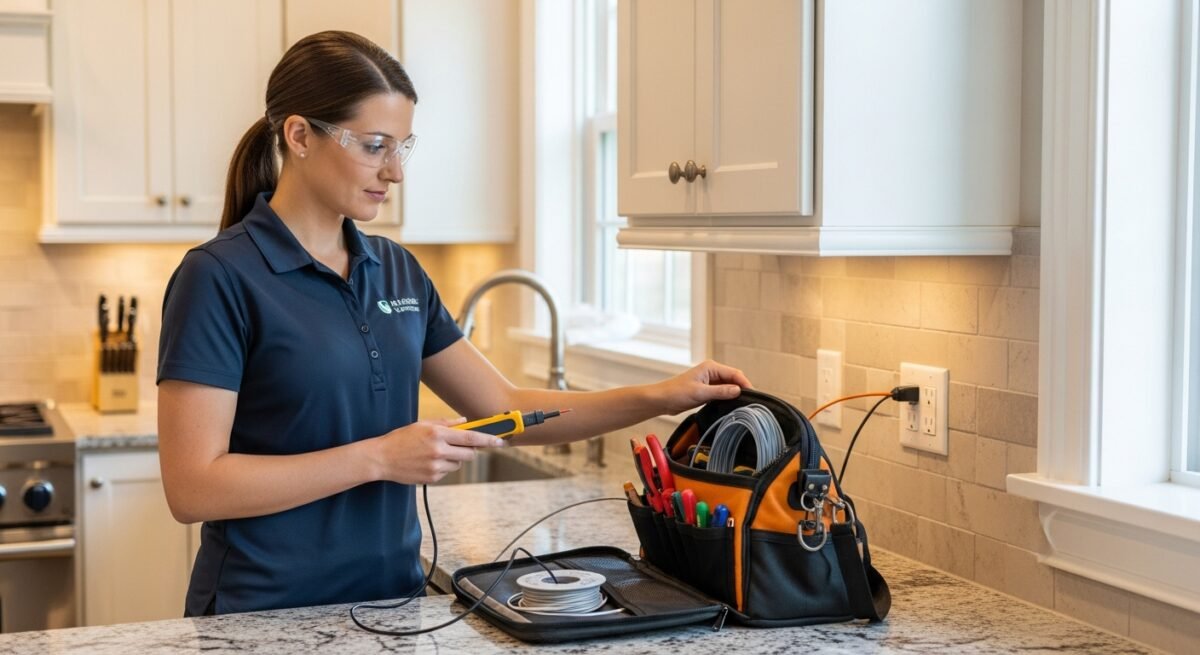
Finding a Trusted Electrical Contractor Near You
Learn how to find a trusted, licensed electrical contractor near you for safe repairs, installations, and home electrical system upgrades.

By Elena John
Learn more about Electrical and Wiring Repair for guides, costs, and what to expect.
Compare Electrical and Wiring Repair Pros Near You

Enter your ZIP code to compare top-rated local professionals and request free quotes.
You’re at home, and a light switch feels warm, a circuit breaker keeps tripping, or you’re planning a kitchen remodel that needs new wiring. Your first thought is likely, “I need to find a good electrical contractor near me.” It’s a common and crucial search for homeowners. Knowing who to call for safe, reliable electrical work is not just about convenience,it’s about protecting your home and family from the serious risks of faulty electrical systems.
Don’t wait for a small issue to become a big problem. Call 📞833-365-8755 or visit Find a Trusted Electrician to get a free, no-obligation quote from a vetted local electrical pro today.
What It Means to Find an Electrical Contractor Near You
When you search for an “electrical contractor near me,” you’re looking for more than just a person who works with wires. You’re seeking a licensed professional or company qualified to handle the complex electrical systems in your home. These experts are trained to install, maintain, repair, and upgrade everything from your circuit breaker panel to your lighting fixtures.
An electrical contractor manages the entire scope of an electrical project. They ensure the work meets strict national and local safety codes, pull necessary permits, and provide the skilled labor to complete the job correctly. This is different from a general handyman who might do minor fixes; electrical work requires specialized knowledge for safety and compliance.
Licensed vs. Unlicensed Work
A key part of your search should be verifying a contractor’s license. A licensed electrical contractor has proven their knowledge through testing, carries required insurance, and is accountable to state regulations. Hiring an unlicensed individual might seem cheaper, but it can lead to dangerous work, failed inspections, and costly re-dos, leaving you liable for any problems.
Why It Matters for Homeowners
Electrical work is one area of home maintenance where “good enough” is not acceptable. The quality and safety of the work directly impact your daily life and your home’s value. Properly installed and maintained electrical systems power your appliances reliably, keep your family safe from fire and shock hazards, and ensure your home meets insurance requirements.
Ignoring electrical issues or using unqualified help can have severe consequences. Faulty wiring is a leading cause of house fires. Overloaded circuits can damage expensive electronics. Furthermore, any unpermitted or non-code electrical work can become a major issue when you try to sell your home, potentially requiring expensive corrections by a new, licensed contractor.
Just as you would for a major renovation project, finding the right specialist is critical. For comprehensive home projects, understanding how a trusted general contractor coordinates all trades, including electricians, can be incredibly helpful.
Don’t wait for a small spark to become a big problem. Get a free, no-obligation quote from a vetted local electrical pro today
Common Electrical Issues and Their Causes
Many electrical problems homeowners face stem from a few common sources. Understanding these can help you describe the issue clearly to a contractor.
Aging electrical systems are a primary culprit. Homes built decades ago were not designed for today’s power-hungry devices,multiple computers, large TVs, and kitchen appliances can overwhelm old wiring and panels. Another frequent cause is improper DIY work done by previous owners, which can create hidden dangers behind your walls.
Environmental factors also play a role. Humidity in bathrooms or basements can corrode connections. Pests like rodents can chew through wire insulation. Even normal wear and tear on switches and outlets over years of use can lead to failure.
- Frequent Circuit Breaker Trips: Usually caused by an overloaded circuit, a short circuit, or a ground fault.
- Flickering or Dimming Lights: Often points to a poor connection, an overloaded circuit, or a problem with the fixture itself.
- Warm or Discolored Outlets/Switches: A serious sign of overheating due to loose wiring or excessive load.
- Burning Smell or Sparking: An immediate emergency indicating dangerous arcing or overheating.
- Dead Outlets: Can result from a tripped GFCI, a loose wire, or a failed circuit.
How Professional Electrical Contractors Fix Problems
A professional electrical contractor follows a systematic, safe approach to diagnose and resolve issues. The process starts with a thorough assessment. They will ask about the symptoms, inspect your electrical panel, and may use tools like voltage testers and circuit tracers to pinpoint the problem safely without guesswork.
For repairs, they follow a clear process: First, they ensure power is safely shut off to the affected area at the breaker panel. Then, they methodically open devices or panels to examine wiring, connections, and components. They replace faulty parts,whether it’s a breaker, a section of wire, or an entire outlet,with new, code-compliant materials. Finally, they restore power and test their work to confirm everything is functioning correctly and safely.
For installations, like adding new circuits or outdoor lighting, the process involves planning the circuit load, running new cables through walls or conduits, installing boxes and fixtures, and connecting everything to your panel. A quality contractor will always clean up their work area, leaving you with a safe, functional system and peace of mind. This level of detailed, trade-specific expertise mirrors the precision required for other exterior upgrades, similar to the careful work done by a professional siding contractor on your home’s exterior.
Signs You Should Not Ignore
Some electrical issues are minor, but others are clear red flags demanding immediate professional attention. Treating these warnings seriously can prevent fires, injuries, and major damage.
If you notice any sign of heat or burning, act fast. This includes outlets or switch plates that are warm to the touch, a persistent burning smell from an appliance or room with no obvious source, or any visible scorch marks on outlets. These are indicators of dangerous overheating within your walls.
Other urgent signs involve power behaving unpredictably. Lights that flicker or dim significantly when you turn on another appliance, circuits that trip immediately after being reset, or hearing a buzzing or sizzling sound from an outlet or panel are all signals that your system is under stress or has a faulty connection that needs expert intervention.
Don’t wait for a small issue to become a big problem. Call 📞833-365-8755 or visit Find a Trusted Electrician to get a free, no-obligation quote from a vetted local electrical pro today.
- Persistent Burning Odor: Stop using the circuit and call a contractor immediately.
- Visible Sparks or Arcing: Any spark from an outlet or switch is a serious hazard.
- Shocks or Tingles from Appliances: Indicates a dangerous grounding issue.
- Frequent Breaker Trips or Blown Fuses: Your system is telling you it’s overloaded or faulty.
- Buzzing Sounds from Panels or Outlets: Suggests loose wiring that can arc and create heat.
Cost Factors and What Affects Pricing
Understanding what goes into the cost of electrical work helps you evaluate quotes fairly. The biggest factor is usually the scope and complexity of the job. A simple outlet replacement is relatively low-cost, while upgrading an entire service panel or rewiring a house is a significant investment due to the materials, labor hours, and expertise required.
Labor rates vary by region and the contractor’s experience level. A master electrician with decades of experience may charge more per hour than a journeyman, but their efficiency and problem-solving skills can often save time and prevent future issues. The cost of materials,wire, conduits, breakers, fixtures,also fluctuates based on quality and market prices.
Permit and inspection fees are another standard part of many electrical job costs. A reputable contractor will include these in their quote. While it may add to the upfront price, it ensures the work is legal, inspected, and documented,a critical step for safety and resale value. Remember, the cheapest quote is rarely the best value if it cuts corners on permits, materials, or safety protocols.
How to Choose the Right Electrical Professional
Selecting the right contractor is the most important step. Start by verifying their license and insurance. Ask for their state license number and proof of liability insurance and workers’ compensation. This protects you if anything goes wrong on your property.
Look for established local contractors with positive reviews on trusted sites and ask for references from past clients. A reliable pro will be happy to provide them. When you get estimates, they should be detailed, in writing, and include a breakdown of labor, materials, permit costs, and a projected timeline. Be wary of vague quotes or those that are drastically lower than others.
Finally, trust your instincts during the consultation. Are they punctual, professional, and willing to answer all your questions clearly? Do they explain the work process and why it’s necessary? Good communication is a strong indicator of a trustworthy professional who values customer service and safety, much like the qualities you’d seek in a reliable fence contractor for your property.
Long-Term Benefits for Your Home
Investing in professional electrical work pays dividends for years to come. The foremost benefit is enhanced safety, drastically reducing the risk of electrical fires and shocks for you and your family. You gain peace of mind knowing your home’s electrical bones are sound.
A modern, properly sized electrical system also increases your home’s functionality and value. It can handle all your modern devices and appliances without strain, supports home automation and electric vehicle chargers, and makes your home more attractive to future buyers. Furthermore, efficient lighting and properly wired circuits can help lower energy bills. By addressing issues proactively, you also avoid the higher costs and disruptions of emergency repairs down the line, making professional electrical care a smart long-term investment in your property.
Frequently Asked Questions
What’s the difference between an electrician and an electrical contractor?
An electrician is the skilled tradesperson who performs the hands-on work. An electrical contractor is the licensed business that employs electricians, obtains permits, and takes legal responsibility for the project. For most home projects, you hire the contracting company.
How do I verify an electrical contractor’s license?
You can check online through your state’s licensing board for contractors or electrical workers. Simply enter the license number they provide. A reputable contractor will freely give you this information.
Do I need a permit for electrical work?
Most electrical work beyond simple like-for-like replacements (like swapping a light fixture) requires a permit. Your electrical contractor should handle pulling all necessary permits from your local building department, which ensures an inspector will verify the work meets code.
What questions should I ask when getting an estimate?
Ask about their license and insurance, who will perform the work, the estimated timeline, if the quote includes all permits and materials, and what warranty they provide on both labor and parts. Get everything in writing.
Why does my circuit breaker keep tripping?
This is usually a sign of an overloaded circuit (too many devices), a short circuit (wires touching), or a ground fault. A professional can diagnose the exact cause, which could be as simple as redistricting plugs or as complex as needing a circuit upgrade.
How often should I have my home’s electrical system inspected?
If your home is over 40 years old or you’re experiencing issues, a full inspection is wise. Otherwise, having a contractor check your system every 5-10 years is a good preventative measure, especially before a major renovation or purchasing an older home.
Can I do my own electrical work to save money?
Minor tasks like replacing a light switch or outlet can be DIY if you are very knowledgeable and turn off power at the breaker. However, most electrical work is best left to professionals due to the high risk of fire, shock, and creating code violations that can affect your insurance and home sale.
What is a GFCI outlet and where do I need one?
A GFCI (Ground Fault Circuit Interrupter) outlet is a safety device that shuts off power instantly if it detects a ground fault, preventing severe shock. They are required in wet areas like bathrooms, kitchens, garages, basements, and outdoors.
Finding the right “electrical contractor near me” is about more than fixing a flickering light. It’s an investment in the safety, efficiency, and long-term value of your home. By choosing a licensed, professional contractor, you ensure that the work is done right the first time, giving you confidence and security for years to come. Don’t compromise on the systems that power your daily life and protect your most valuable asset.
Don’t wait for a small issue to become a big problem. Call 📞833-365-8755 or visit Find a Trusted Electrician to get a free, no-obligation quote from a vetted local electrical pro today.
Learn more about Electrical and Wiring Repair for guides, costs, and what to expect.
Compare Electrical and Wiring Repair Pros Near You
Enter your ZIP code to compare top-rated local professionals and request free quotes.