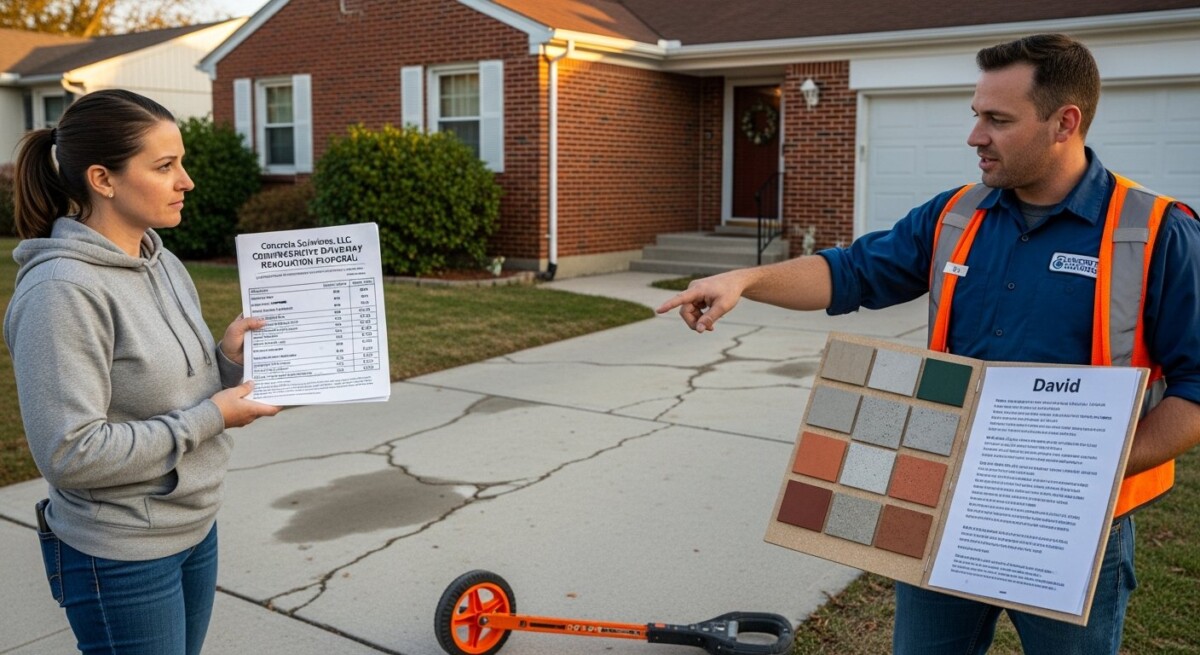
Foundation Inspection Cost: A Complete Guide for Homeowners
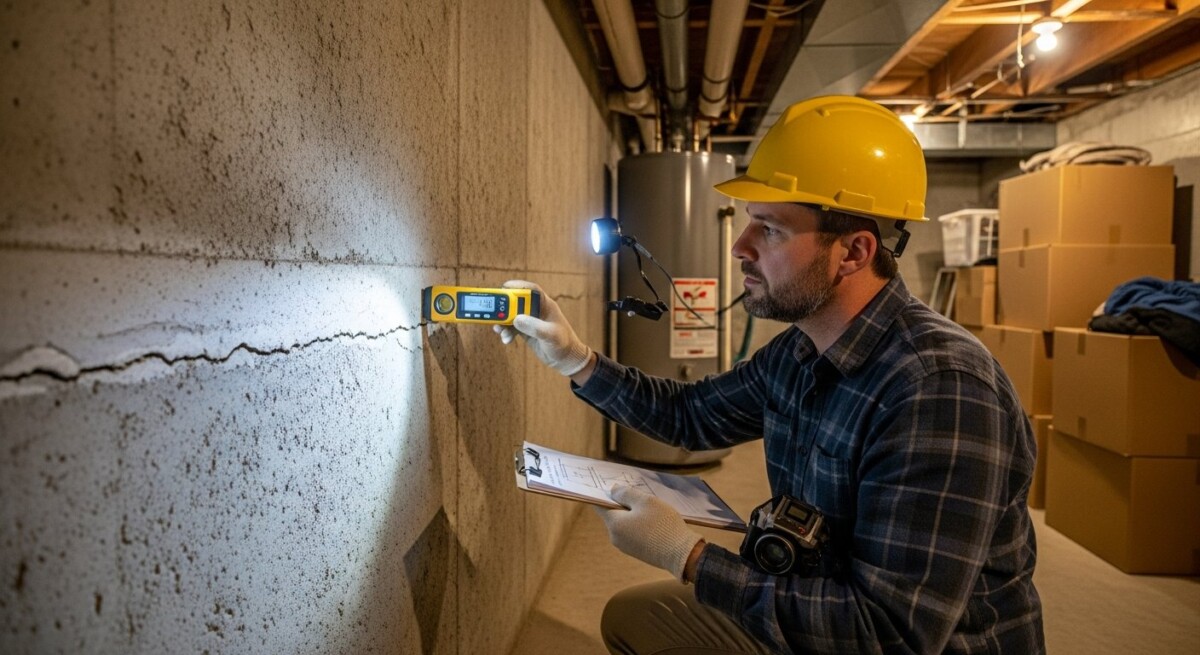
Your home’s foundation is its most critical structural element, and noticing a crack or uneven floor can be a major source of stress. One of the first questions that comes to mind is, “How much will it cost to have this checked out?” Understanding foundation inspection cost is the essential first step to protecting your biggest investment and getting peace of mind.
Understanding Foundation Inspection Cost
Foundation inspection cost refers to the fee charged by a qualified professional to assess the condition of your home’s foundation. This is not a simple look-over; it’s a detailed evaluation to identify existing problems, potential risks, and the underlying causes of any issues.
Think of it like a medical check-up for your house. The inspector acts as a diagnostician, looking for symptoms, determining their severity, and providing a clear report on what, if anything, needs to be done. The cost covers their expertise, time, tools, and the detailed report you receive.
This investment is about gaining knowledge. It tells you whether you’re dealing with a minor cosmetic crack or a sign of serious structural movement, which directly informs any repair decisions and budgets.
Why It Matters for Homeowners
Knowing the foundation inspection cost upfront matters because it empowers you to make smart decisions. A professional inspection provides an objective, expert assessment of your home’s structural health. Without it, you’re left guessing, which can lead to either unnecessary panic over minor issues or, worse, ignoring a serious problem that gets more expensive over time.
The real value of the inspection is in the report. This document is crucial if you’re buying or selling a home, filing an insurance claim, or planning renovations. It provides the evidence you need to understand the scope of work and get accurate repair estimates from contractors. Skipping this step to save a few hundred dollars can cost tens of thousands later.
Schedule Your Professional Inspection or call us at (555) 123-4567. Let our certified experts give you the clarity and confidence you need.
Common Issues and Their Causes
Foundation problems rarely happen without a cause. Inspectors are trained to spot the signs and trace them back to their source. The most common issues include cracks in walls or floors, doors and windows that stick, and uneven or sloping floors.
These problems are typically caused by changes in the soil beneath your home. Expansive clay soils swell when wet and shrink when dry, constantly moving the foundation. Poor drainage, where water pools around the foundation, is another major culprit. Simple things like plumbing leaks, large tree roots seeking moisture, or even the natural settling of a new home can contribute to stress on the foundation.
- Soil Movement: Expansive clay, erosion, or improper compaction.
- Water Damage: Poor gutter drainage, landscape grading, or plumbing leaks.
- Environmental Stress: Drought conditions, freeze-thaw cycles, or large nearby trees.
How Professionals Fix the Problem
Once an inspection identifies a problem, professional repair methods are tailored to the specific issue and its cause. The goal is always to stabilize the foundation and prevent further movement. Repairs are systematic and designed for long-term results.
For example, if the issue is caused by unstable soil, solutions like steel push piers or helical piers may be installed to support the foundation on stable, load-bearing soil deep underground. For smaller settlements, slabjacking (mudjacking) can be used to lift and level a sunken concrete slab by pumping a grout mixture beneath it.
Often, the repair plan includes addressing the root cause, such as improving drainage around the home with French drains or regrading the soil to direct water away. A reputable professional will always explain the recommended solution, why it’s necessary, and how it will solve your specific problem.
Get a Free Repair Estimate or call (555) 123-4567. We provide transparent quotes and lasting solutions.
Signs You Should Not Ignore
Some foundation signs are subtle, while others are obvious red flags. It’s important not to dismiss them, as early detection is key to managing repair costs. If you see cracks that are growing wider, especially if they are diagonal or stair-step cracks in brick or masonry, it’s time to call a professional.
Pay attention to how your doors and windows function. Difficulty opening or closing them, or visible gaps around the frames, often indicates that the foundation has shifted and the frames are no longer square. Inside your home, look for floors that visibly slope or feel bouncy, and check for gaps between baseboards and the floor or walls.
- Diagonal cracks wider than 1/4 inch in walls or foundation.
- Doors and windows that stick or won’t latch properly.
- Visible sloping or uneven floors.
- Gaps between walls, ceilings, or floors.
- Cracks in ceramic tile or drywall tape pulling away.
Cost Factors and What Affects Pricing
Foundation inspection cost isn’t a one-size-fits-all number. Several key factors influence the final price. The size and type of your home is a primary factor. Inspecting a large, multi-story home with a complex foundation (like a basement, crawl space, and slab) takes more time and expertise than a small slab-on-grade home.
The inspector’s qualifications and reputation also affect cost. A licensed structural engineer typically charges more than a general home inspector, but they also provide a deeper level of analysis and a report that carries significant weight. Geographic location plays a role too, as prices vary by region and local market rates.
Finally, the scope of the inspection matters. A basic visual check will cost less than a comprehensive inspection that includes using specialized tools like levels, laser gauges, or even a drone for roof-line assessment. Knowing what’s included in the quoted price is essential.
Contact Us for a Custom Quote or call (555) 123-4567. We provide honest, upfront pricing with no hidden fees.
How To Choose the Right Professional or Service
Choosing the right professional is as important as the inspection itself. Always look for a specialist with specific experience in foundation inspection and repair, not just a general handyman. Verify their licenses, insurance, and certifications. A reputable company will happily provide proof.
Ask for references and read online reviews to learn about past customers’ experiences. When you get a quote, it should be detailed and in writing, explaining exactly what the inspection includes. Be wary of inspectors who offer a free inspection but then give a high-pressure sales pitch for immediate, costly repairs. A trustworthy professional provides a detailed report first, allowing you to make an informed decision.
Long-Term Benefits for Your Home
Investing in a professional foundation inspection pays long-term dividends for your home. First and foremost, it ensures the safety and structural integrity of your living space for you and your family. A stable foundation protects everything built upon it,walls, windows, doors, and roof,preventing costly secondary damage.
It also preserves and can even increase your property’s value. A clean inspection report or documentation of properly completed repairs is a powerful asset when selling your home. Ultimately, the knowledge you gain brings invaluable peace of mind, allowing you to enjoy your home without the underlying worry of a hidden structural problem.
Frequently Asked Questions
How much does a foundation inspection typically cost?
Costs typically range from $300 to $1,000, with a national average around $500. The final price depends on your home’s size, location, foundation type, and the inspector’s qualifications.
Is a foundation inspection worth the money?
Absolutely. It is a small investment that can identify minor issues before they become major, expensive repairs. The detailed report provides essential knowledge for maintenance, insurance, and real estate transactions.
What’s the difference between a home inspector and a foundation specialist?
A general home inspector provides a broad overview of the home’s systems. A foundation specialist or structural engineer has advanced training to diagnose the cause, severity, and solutions for foundation-specific issues in much greater detail.
Can I inspect the foundation myself?
You can look for visible warning signs, but a professional inspection is crucial. Professionals have the training, experience, and tools to assess problems you might miss and identify their root cause.
Does homeowner’s insurance cover foundation inspections?
Usually, no. Insurance typically does not cover the inspection cost. However, if the inspection reveals damage from a covered peril (like a sudden plumbing leak), the subsequent repairs may be covered. Always check your policy.
How long does a foundation inspection take?
A thorough inspection usually takes 1 to 3 hours, depending on the home’s size and accessibility of the foundation (e.g., crawl space). The written report may take a few additional days to receive.
What should the inspection report include?
A good report includes a description of the foundation type, documentation of all findings (with photos), an assessment of the problem’s cause and severity, and recommendations for monitoring or repair.
What if the inspection finds a serious problem?
A reputable inspector will explain the findings clearly and recommend next steps, which usually involve getting repair estimates from qualified foundation repair contractors. They should not pressure you into using their own repair services.
Taking the step to understand and invest in a professional foundation inspection is one of the smartest things you can do as a homeowner. It transforms uncertainty into actionable knowledge, protects your financial investment, and ensures your home remains a safe and stable haven for years to come.