
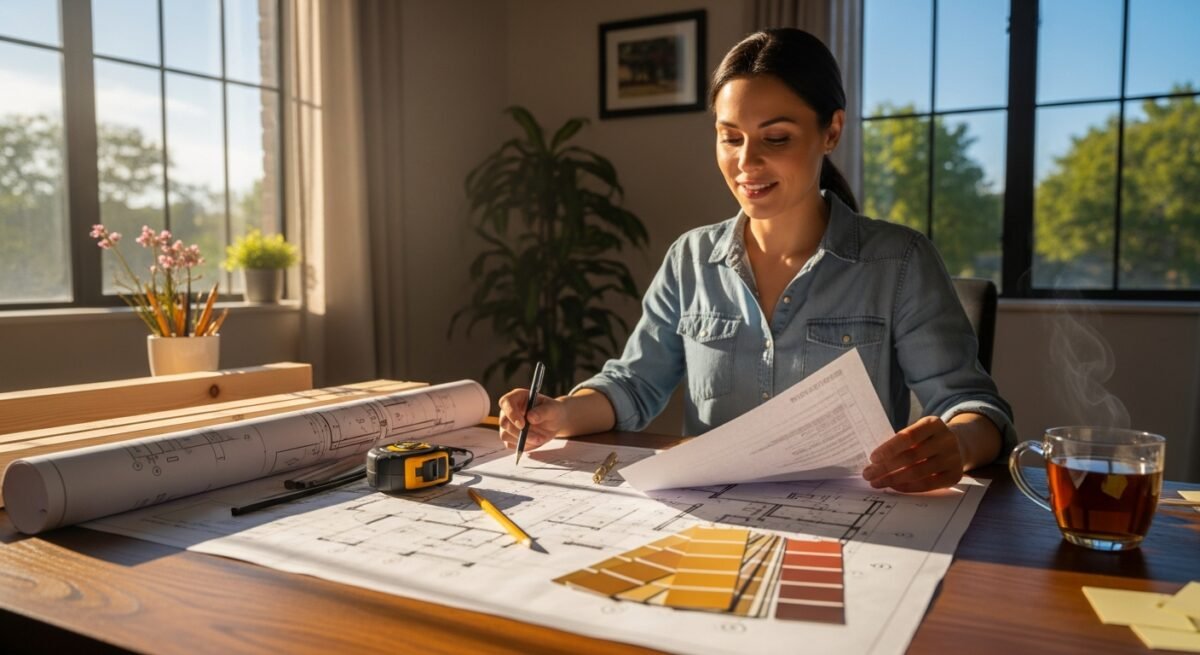
Home Improvement Estimates: A Clear Guide for Homeowners
A clear home improvement estimate is your key to a successful project. Learn what to look for, how to compare, and why it matters for your budget and peace of mind.

By Elena John
Learn more about Exterior Painting for guides, costs, and what to expect.
Compare Exterior Painting Pros Near You

Enter your ZIP code to compare top-rated local professionals and request free quotes.
Starting a home improvement project is exciting, but figuring out the cost can feel overwhelming. A clear, detailed estimate is your roadmap to a successful renovation, helping you budget wisely and avoid surprises. This guide will walk you through everything you need to know about home improvement estimates, from what they include to how to use them to choose the right professional for your j
Get free, detailed estimates for your project from trusted local professionals by calling 📞833-365-8755 or visiting Get Free Quotes.
Understanding Home Improvement Estimates
A home improvement estimate is a detailed projection of the costs for your project. It’s not just a single number thrown out over the phone. Think of it as a formal proposal that breaks down the labor, materials, timeline, and other expenses involved in turning your vision into reality.
A good estimate provides transparency. It shows you exactly what you’re paying for, which allows you to compare offers from different contractors fairly. This document forms the basis of your agreement and helps prevent misunderstandings down the line.
What Makes an Estimate Different from a Quote?
While the terms are often used interchangeably, there’s a key difference. An estimate is an educated guess of the costs, which can sometimes change as more details are finalized. A quote or bid is typically a fixed price for the work. Always clarify which one you’re receiving.
Why It Matters for Homeowners
Getting a proper estimate is the most critical step in planning your project. It protects your investment and your peace of mind. Without a detailed estimate, you risk budget overruns, unexpected fees, and disputes with your contractor.
A thorough estimate helps you make informed financial decisions. It allows you to see if you need to adjust your project scope or materials to fit your budget before any work begins. This proactive planning is the key to a smooth, stress-free renovation experience.
Ready to start your project on the right foot? Get free home improvement quotes from trusted local professionals to compare detailed estimates for your specific job.
Common Issues and Their Causes
Many homeowners run into problems because their estimate was vague or incomplete. This often leads to “change orders”,additions to the original price,that can strain your budget and timeline.
Common issues include estimates that are given verbally, are missing line items, or fail to account for potential hidden problems. For example, an estimate for a bathroom remodel might not include the cost of replacing rotten subfloor discovered after the old tile is removed.
- Vague Descriptions: Phrases like “install flooring” without specifying material, brand, or square footage.
- Missing Permits: Forgetting to include the cost and time for pulling necessary building permits.
- Unrealistic Timelines: Promising a completion date that doesn’t account for material delays or inspection schedules.
- Hidden Fees: Not clearly stating costs for waste disposal, equipment rentals, or travel.
How Professionals Create a Good Estimate
A reputable contractor follows a careful process to build an accurate estimate. It starts with an on-site visit. They will measure the space, assess the existing conditions, and discuss your goals in detail. This step is crucial for spotting potential challenges early.
Next, they calculate material quantities and source pricing. They factor in labor hours, specialized skills needed, and a timeline. Finally, they compile this into a clear document that includes a breakdown of costs, payment schedule, work description, and warranty information. For a deeper dive into vetting the person behind the estimate, our guide to choosing a reliable home improvement contractor is an essential read.
Signs You Should Not Ignore
Some red flags on an estimate should make you pause. If a contractor is hesitant to put anything in writing, that’s a major warning sign. A trustworthy professional wants clarity for both parties.
Be wary of estimates that are significantly lower than others. This often means they’ve cut corners, plan to use subpar materials, or will hit you with expensive change orders later. The goal is value, not just the lowest price.
- Pressure to Sign Immediately: Legitimate contractors give you time to review.
- Large Upfront Payment: A deposit of more than 10-30% is unusual.
- No License or Insurance Info: This should be clearly stated on the estimate.
- Cash-Only Discounts: This can be a sign they are avoiding taxes or aren’t operating a legitimate business.
Don’t settle for a confusing estimate. Learn how to find and hire the best home improvement contractors who provide clear, fair pricing.
Get free, detailed estimates for your project from trusted local professionals by calling 📞833-365-8755 or visiting Get Free Quotes.
Cost Factors and What Affects Pricing
Many elements influence the final number on your estimate. The size and scope of your project are the most obvious. A whole kitchen remodel will cost more than painting a living room. However, other factors play a huge role.
Material choices have a wide price range. Custom cabinetry costs more than stock units; natural stone tiles are pricier than ceramic. Labor costs vary by region and the complexity of the work. Electrical, plumbing, and structural changes require licensed tradespeople and add to the cost. Don’t forget project management, which covers the contractor’s time to coordinate schedules, deliveries, and subcontractors.
How To Choose the Right Professional or Service
Your estimate is a reflection of the contractor. Use it as a tool to evaluate them. Look for clarity, detail, and professionalism in the document. Are they responsive to your questions? Do they explain costs in a way you understand?
Always get at least three detailed estimates for comparison. This gives you a realistic price range for your project. Check references and read reviews. The right professional will be transparent, communicative, and proud to provide a comprehensive estimate that builds trust from the start.
Long-Term Benefits for Your Home
Investing time in getting a proper estimate pays off for years. It ensures the work is done correctly with quality materials, which increases your home’s value and durability. You avoid costly repairs from shoddy workmanship down the road.
Most importantly, a clear estimate leads to a smooth process. You can relax knowing what to expect, when to expect it, and how much it will cost. This peace of mind is invaluable, turning a potentially stressful renovation into a positive experience that enhances your daily life and your investment.
Frequently Asked Questions
How long is a home improvement estimate valid?
Most estimates are valid for 30 to 90 days. Material and labor costs can fluctuate, so prices aren’t guaranteed forever. The validity period should be clearly stated on the estimate document.
Should I always choose the lowest estimate?
Not necessarily. The lowest price can sometimes mean lower quality materials, less experience, or hidden costs. Compare the details line-by-line. The best value is a fair price for quality work, clear terms, and a reputable contractor.
What should I do if the final cost is higher than the estimate?
This depends on your contract. A fixed-price quote shouldn’t change unless you alter the project scope. An estimate can vary. Any changes should be documented in a written change order that you approve before the extra work begins.
What’s the difference between an estimate and a contract?
An estimate is a cost projection. A contract is a legally binding agreement that includes the estimate’s details plus terms and conditions, warranty, timeline, and payment schedule. Never start work without a signed contract.
Are online estimate calculators accurate?
They can give a very rough ballpark figure, but they lack the nuance of an in-person assessment. They don’t see your home’s specific conditions, local labor rates, or current material costs. An on-site estimate from a pro is always more reliable.
Do I need to get permits, or does the contractor?
The contractor typically pulls the required permits, as they are responsible for the work meeting code. This cost and responsibility should be outlined in the estimate and contract. Never let a contractor suggest working without a permit.
What if I find a problem after work begins?
A good estimate accounts for common hidden issues (like mentioning potential rot behind walls). If an unforeseen major problem is found, the contractor should halt work, explain the issue, and provide a written change order for the additional cost before proceeding.
How detailed should a good estimate be?
Very detailed. It should list specific materials (brand, model, quantity), labor hours or rates for each phase, costs for permits and disposal, a payment schedule tied to project milestones, and the project start and completion dates. Ambiguity leads to problems.
Taking control of your home improvement project starts with understanding the estimate. By knowing what to look for and what questions to ask, you empower yourself to make smart choices, protect your budget, and ensure a successful outcome for your home. A clear estimate is the foundation of trust between you and your contractor, paving the way for a smooth process and beautiful results you’ll enjoy for years to come.
Get free, detailed estimates for your project from trusted local professionals by calling 📞833-365-8755 or visiting Get Free Quotes.
Learn more about Exterior Painting for guides, costs, and what to expect.
Compare Exterior Painting Pros Near You
Enter your ZIP code to compare top-rated local professionals and request free quotes.