
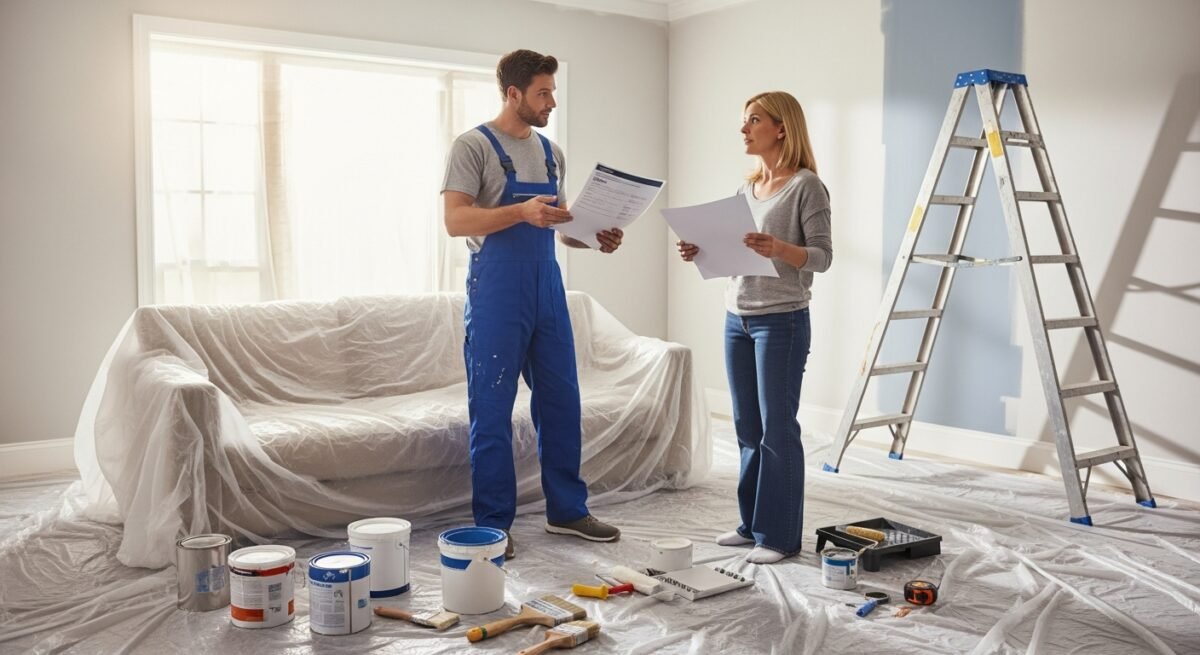
Home Painting Cost Estimate: A Clear Guide for Homeowners
Understand what goes into a home painting cost estimate. Our guide breaks down pricing factors, what to expect, and how to budget for a professional paint job.

By Elena John
Learn more about Interior Painting for guides, costs, and what to expect.
Compare Interior Painting Pros Near You

Enter your ZIP code to compare top-rated local professionals and request free quotes.
Planning a painting project for your home is exciting, but one question always comes up first: “How much is this going to cost?” Getting a reliable home painting cost estimate can feel confusing, with numbers varying wildly and hidden factors that are easy to overlook. This guide will walk you through everything that goes into a professional estimate, helping you understand the pricing, plan your budget with confidence, and ensure you get beautiful, lasting results for your investment.
For a transparent, detailed estimate to confidently plan your project, call 📞833-365-8755 or visit Get Your Estimate to schedule your free consultation today.
What a Home Painting Cost Estimate Really Means
A home painting cost estimate is a detailed projection of the total price for your painting project, provided by a professional before any work begins. It’s more than just a guess at gallons of paint; it’s a calculated breakdown of labor, materials, preparation, and time specific to your home’s unique needs.
Think of it as a roadmap for your project. A thorough estimate protects both you and the painter by setting clear expectations, preventing misunderstandings, and ensuring everyone agrees on the scope of work and the final cost. It transforms a vague idea into a concrete plan you can budget for.
Key Components of a Good Estimate
A trustworthy estimate should itemize costs. You should see clear line items for surface preparation (like washing, scraping, and patching), primers and paints (including brands and sheens), labor hours, and costs for protecting your furniture, floors, and landscaping. It should also specify the number of coats included.
Why a Detailed Estimate Matters for Homeowners
Getting a detailed, written estimate is the single most important step in avoiding budget surprises and project disputes. It allows you to compare quotes from different painters accurately, because you’re comparing the same scope of work. Without it, you might hire based on the lowest number, only to find out critical prep work or a second coat costs extra.
This clarity leads to peace of mind. You can plan your finances, schedule the project around the timeline provided, and trust that the job will be done right. A proper estimate reflects a painter’s professionalism and attention to detail—traits that will show in the quality of their work on your walls.
Common Issues That Skew Painting Estimates
Many homeowners are surprised when a final bill is higher than an initial ballpark. Often, this stems from unseen problems or changing requests. The most common issue is underlying surface damage that isn’t visible until old paint is removed or furniture is moved.
Another frequent cause is scope creep. Deciding to add an extra room, change to a more expensive paint, or include intricate trim work after the estimate is signed will increase costs. Clear communication and a comprehensive initial assessment are key to avoiding these pitfalls.
- Hidden Damage: Rot, mold, water stains, or extensive cracking behind furniture or under old wallpaper.
- Poor Previous Work: Layers of poorly adhered paint requiring extensive scraping or sanding.
- Access Challenges: Very high ceilings, complex roof lines, or difficult-to-reach areas that require special equipment.
- Incomplete Estimates: Quotes that only list a total price without breaking down labor, materials, and prep.
How Professionals Create an Accurate Estimate
A reputable painting professional doesn’t give quotes over the phone. They start with an in-person visit to your home. They walk through every room, examining walls, trim, and ceilings for cracks, imperfections, and previous paint condition. They measure the total square footage of the areas to be painted.
Next, they factor in the details: the type of surface (drywall, plaster, wood), the need for repairs, the quality of paint you desire, and the complexity of the work (like cutting in around cabinets or painting detailed millwork). They calculate labor hours and material costs to build a complete picture. This meticulous process is similar to how contractors plan larger projects; for a deeper look at project planning, our guide to home expansion cost estimates covers related principles of detailed scoping and budgeting.
Signs You Should Not Ignore Before Painting
Before you even get an estimate, certain signs in your home can signal that your painting project will require more extensive preparation. Ignoring these can lead to paint failure, where new paint peels, bubbles, or cracks soon after application, wasting your investment.
Be on the lookout for moisture issues, as paint cannot properly adhere to damp surfaces. Peeling or blistering paint, especially in bathrooms or on exterior walls, often points to underlying humidity or leakage problems that must be fixed first.
- Peeling/Flaking Paint: Indicates adhesion problems, often from moisture or poor prior preparation.
- Visible Mold or Mildew: Must be completely remediated before any paint is applied.
- Extensive Cracking or Holes: Shows a need for significant drywall or plaster repair.
- Chalking Surfaces: (Common on exteriors) A powdery residue that must be removed for new paint to stick.
Cost Factors and What Affects Your Painting Price
The final number on your estimate is influenced by a combination of project size, condition, and choices. The single biggest factor is usually labor, which is tied to the time-intensive tasks of preparation, careful application, and cleanup.
For a transparent, detailed estimate to confidently plan your project, call 📞833-365-8755 or visit Get Your Estimate to schedule your free consultation today.
Material choices also have a major impact. Higher-quality paints cost more per gallon but offer better coverage, durability, and washability, often requiring fewer coats. Specialty paints for kitchens, bathrooms, or exteriors also come at a premium. Other factors include your geographic location, the time of year, and the painter’s level of expertise and insurance.
How To Choose the Right Painting Professional
Once you have estimates in hand, choosing the right painter is crucial. Look beyond the bottom line. A professional should be licensed (if required in your state), insured, and willing to provide references from past clients. Always review their portfolio of completed work.
The quality of the estimate itself is a great indicator. Choose the painter who asked the most questions, took the most notes, and provided the clearest, most detailed written scope of work—not just the lowest price. Good communication during the estimate phase typically translates to a smoother project.
- Verify insurance and licensing for liability protection.
- Read online reviews and check references.
- Ensure the contract includes a detailed estimate, payment schedule, and project timeline.
- Trust your instincts about their professionalism and communication style.
Long-Term Benefits of a Properly Estimated Painting Job
Investing in a well-planned, professionally executed paint job pays off for years. High-quality paint applied to properly prepared surfaces provides a durable shield against wear and tear, moisture, and UV rays. This protects the underlying materials of your home, saving you money on more extensive repairs down the line.
A beautiful, fresh paint job also boosts your home’s curb appeal and interior ambiance, enhancing your daily enjoyment and increasing property value. When done right, it won’t need to be redone for many years, making it a cost-effective home improvement. Just as with any major upgrade, proper planning is key to long-term satisfaction; understanding full project costs is essential, whether you’re painting a room or planning a home expansion cost estimate for added space.
Frequently Asked Questions
How much does it cost to paint the interior of a house?
Interior painting typically costs between $2 and $6 per square foot, depending on your region, the paint quality, and the room’s details. A standard 10×12 room might range from $400 to $1,200. Always get a specific in-home estimate for accuracy.
What is usually included in a painting estimate?
A complete estimate includes surface preparation (cleaning, sanding, patching), primer, paint (specifying brand and sheen), labor for all coats, basic caulking, protection of floors/furniture, and cleanup. It should list these items separately.
How long is a painting estimate valid?
Most estimates are valid for 30 to 90 days. Material and labor costs can fluctuate, so it’s best to move forward with a painter soon after receiving their quote to lock in the estimated price.
Should I get multiple painting estimates?
Yes, getting at least three detailed estimates is highly recommended. This allows you to compare scope, professionalism, and price. Be wary of any quote that is significantly lower than the others—it may indicate cut corners.
What’s the difference between an estimate and a quote?
An “estimate” is a professional’s best calculated projection of cost. A “quote” or “bid” is often a fixed price for the job. In painting, a detailed written estimate usually serves as the basis for a fixed-price contract once you approve it.
Does ceiling paint cost extra?
Painting ceilings is almost always an additional cost, as it is more labor-intensive and often requires different materials. Your estimate should clearly state if ceilings are included or priced separately.
How can I reduce my home painting costs?
You can save by moving furniture yourself, choosing a standard color (no custom tinting), and selecting a mid-grade paint with good durability. However, never skip on proper surface preparation to save money, as it leads to poor results.
How long does a typical interior paint job last?
With quality paint and application, interior paint can last 5-10 years before needing a refresh. High-traffic areas like hallways and kitchens may need repainting sooner than low-traffic bedrooms.
Getting a clear, detailed home painting cost estimate is the first and most important step toward a successful project that beautifies your home and protects your investment. By understanding what goes into the estimate, asking the right questions, and choosing a professional who values transparency, you can move forward with confidence, knowing exactly what to expect and enjoying stunning results that last for years.
For a transparent, detailed estimate to confidently plan your project, call 📞833-365-8755 or visit Get Your Estimate to schedule your free consultation today.
Learn more about Interior Painting for guides, costs, and what to expect.
Compare Interior Painting Pros Near You
Enter your ZIP code to compare top-rated local professionals and request free quotes.