
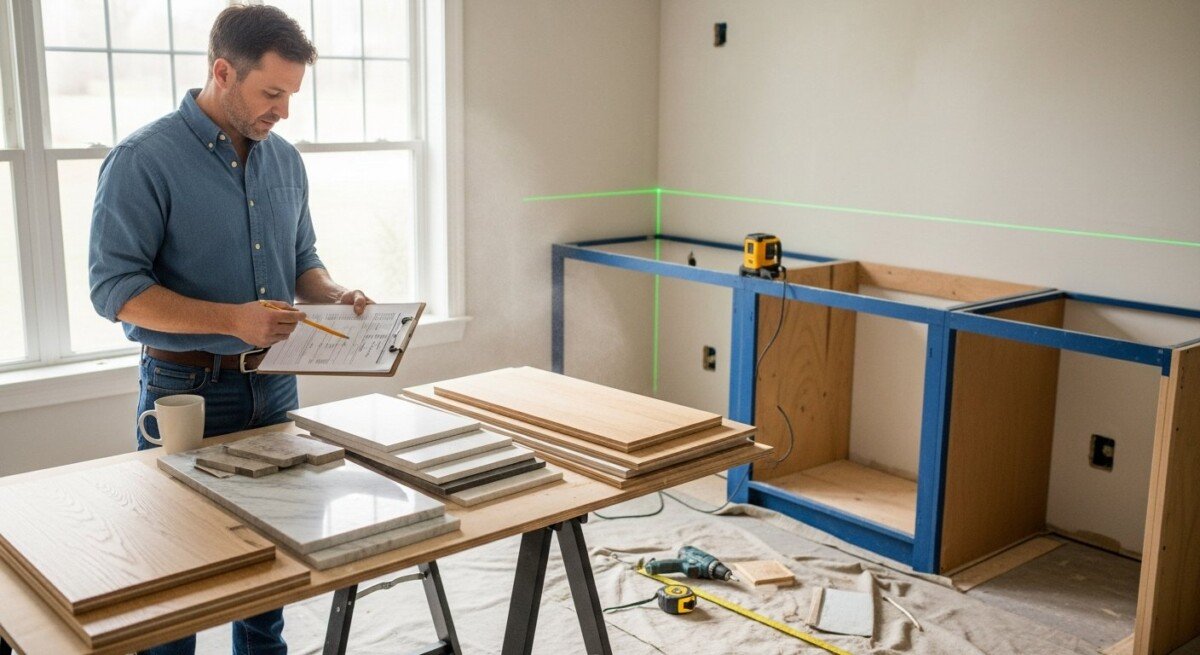
How Contractors Price Home Renovation Projects
A clear guide to understanding how contractors price home renovation projects, helping homeowners navigate quotes and budgets confidently.

By Elena John
Learn more about Exterior Painting for guides, costs, and what to expect.
Compare Exterior Painting Pros Near You

Enter your ZIP code to compare top-rated local professionals and request free quotes.
You’ve finally decided to tackle that kitchen remodel or add that bathroom you’ve always wanted. You start calling contractors, and the quotes start rolling in. One estimate seems surprisingly low, another is shockingly high, and a third is somewhere in the middle but with vague details. Suddenly, you’re left scratching your head, wondering how on earth contractors arrive at these numbers and which one is actually fair. This confusion can lead to costly mistakes,choosing the wrong contractor, facing unexpected bills mid-project, or delaying your dream renovation altogether. Understanding how contractors price home renovation is the first, crucial step to a successful and stress-free project.
Understanding How Contractors Price Home Renovation
At its core, a contractor’s quote is a detailed forecast of what it will cost to complete your specific project. It’s not a random number pulled from thin air. It’s a calculated sum based on materials, labor, expertise, and the unique challenges of your home.
Contractors build their prices by adding up all the direct and indirect costs. They consider the lumber, tiles, and fixtures you can see, but also the permits, insurance, waste disposal, and skilled labor hours required to do the job right. Every project is a custom puzzle, and the price reflects the time and resources needed to solve it.
While all homes are unique, older properties often see more price variation. They can hide surprises like outdated wiring, plumbing issues, or structural quirks that a contractor must account for, either by padding the estimate slightly or explicitly noting it as a potential contingency.
Why This Matters for Your Home
Getting a clear, accurate price isn’t just about budgeting. It’s about protecting your investment and your peace of mind. A transparent quote sets the stage for a trustworthy relationship with your contractor, where both parties understand the scope and cost from day one.
When pricing is vague or misunderstood, it can lead to conflict, project delays, and subpar work. You might be tempted to go with the lowest bidder, only to discover they cut corners, used inferior materials, or hit you with constant change orders. This can compromise your home’s safety, durability, and ultimately, its value.
Investing in a well-priced, professional renovation does the opposite. It enhances your daily comfort, improves energy efficiency, and increases your property’s market value. It’s a financial decision that pays dividends in both lifestyle and equity.
If you notice signs of this issue in your home, it may help to speak with a qualified contractor. Request a free quote or call to explore your repair or remodeling options.
Common Problems Homeowners Experience
Homeowners often face a few key frustrations when navigating renovation quotes. The most common is “sticker shock,” where the initial estimate is far higher than expected. This usually happens when homeowners underestimate the true cost of quality materials and skilled labor.
Another frequent issue is comparing “apples to oranges.” One contractor’s quote might include high-end appliances and custom cabinetry, while another is for builder-grade materials. Without a detailed breakdown, you can’t make a fair comparison, which is why learning how to compare home renovation quotes like a pro is so valuable.
- Vastly different quotes for the same described project.
- Estimates that are vague or lack a line-item breakdown.
- Lowball bids that seem too good to be true (they often are).
- Surprise fees or costs discovered after work begins.
- Difficulty understanding what labor, materials, and overhead costs are included.
- Pressure to sign a contract before you’ve had time to review other estimates.
How Professionals Solve the Problem
A reputable contractor solves the pricing puzzle through a meticulous process. It starts with a thorough consultation and site visit. They don’t just look at the space; they assess what’s behind the walls, under the floors, and above the ceiling to identify potential hurdles.
They then create a detailed scope of work and a corresponding estimate. This document translates your vision into a concrete plan with assigned costs. Professional work might seem more expensive upfront, but it includes the expertise to avoid costly mistakes, proper licensing and insurance for your protection, and warranties on both materials and labor.
- Consultation & Site Visit: The contractor listens to your goals, takes measurements, and assesses the existing conditions.
- Scope of Work Development: They draft a detailed description of every task, from demolition to final cleanup.
- Material Takeoff & Pricing: They calculate the exact quantities and grades of all needed materials.
- Labor & Timeline Estimation: They determine the crew size, specialized skills needed, and project duration.
- Quote Compilation: All costs,materials, labor, equipment, permits, overhead, and profit,are compiled into a formal proposal.
A professional inspection can reveal hidden issues before they become expensive repairs. Compare contractor quotes here or call to discuss your project.
Warning Signs You Should Not Ignore
When reviewing quotes or talking to contractors, certain red flags should give you pause. These signs often indicate a contractor who may be unreliable, inexperienced, or dishonest in their pricing.
Ignoring these warnings can lead to a nightmare project. You could end up with unfinished work, massive cost overruns, or even legal and insurance problems if the contractor isn’t properly licensed. Acting early by seeking multiple detailed quotes is your best defense.
- A contractor who demands a large cash deposit or full payment upfront.
- An unwillingness to provide references from past clients.
- No verifiable business license, insurance, or bonding.
- Extreme pressure to sign a contract immediately.
- A quote that is significantly lower than all others without clear justification.
- Vague communication or avoidance of detailed questions.
What Affects the Cost of Repairs or Installation
Many factors influence the final number on your quote. The size and complexity of the project are the most obvious,a whole-house remodel costs more than a powder room update. However, the devil is often in the details you might not initially consider.
Material choices cause the widest price swings. Opting for handmade tile versus ceramic, solid wood cabinets versus laminate, or quartz countertops versus laminate will dramatically change the budget. Labor intensity is another major driver; intricate tile patterns, custom millwork, and structural changes require more skilled hours. For a deeper look at where your money goes, our home renovation cost breakdown guide provides a practical framework.
Other key factors include your home’s age and condition (which may require updating underlying systems), your location (labor and material costs vary by region), the project’s accessibility, and the current demand for contractors. The season can even play a role, with prices sometimes fluctuating based on how busy local crews are.
Costs can vary depending on the condition of your home. The best way to know the price is to get a personalized estimate. Request free quotes from contractors or call today.
How to Choose the Right Contractor
Selecting a contractor is about more than just price. It’s about finding a competent, communicative partner you can trust in your home. The right choice leads to a smooth process and a beautiful result; the wrong one can lead to immense stress.
Start by verifying the basics, then dig deeper into their track record and communication style. A contractor’s willingness to explain their pricing and process clearly is a strong indicator of their professionalism and how they’ll handle the project itself.
- Check Credentials: Always verify their license, insurance, and bonding. This is non-negotiable for your protection.
- Read Reviews & Ask for References: Look at online reviews and, crucially, speak to past clients about their experience and the final outcome.
- Review Detailed, Written Estimates: Compare quotes that break down costs for materials, labor, and other expenses line-by-line.
- Meet Face-to-Face: Gauge their communication skills and whether you feel comfortable with them. You’ll be working together for weeks or months.
- Understand the Contract: Ensure the signed contract includes the full scope of work, payment schedule, timeline, and warranty information.
Long-Term Benefits of Professional Work
While the upfront cost of a professional renovation is an investment, the long-term benefits are what truly make it worthwhile. Quality workmanship and materials stand the test of time, meaning you won’t face repeated repairs or premature replacements.
A professionally executed project enhances your safety and your home’s integrity. It ensures electrical and plumbing work is to code, structural modifications are sound, and installations are secure. This peace of mind is invaluable.
Furthermore, a well-done renovation boosts energy efficiency through better insulation, windows, and appliances, saving you money on utilities. It also significantly increases your home’s resale value and appeal. Ultimately, hiring a professional isn’t just a cost,it’s a strategic investment in your property’s future and your family’s comfort.
Why are contractor quotes for the same project so different?
Quotes vary because each contractor may interpret the scope differently, plan to use different quality materials, have varying labor costs and overhead, or include/exclude items like permit fees or debris removal. A very low quote often signals lower-grade materials, less experience, or cost-cutting methods that may affect quality.
What should a detailed renovation quote include?
A thorough quote should include a complete scope of work, a line-item breakdown of material costs (types and quantities), labor costs, a project timeline, payment schedule, information on permits and who obtains them, details on waste removal, and the contractor’s license and insurance information. It should leave no question about what is and isn’t included.
Is it okay to negotiate price with a contractor?
It’s acceptable to discuss pricing, but focus on value, not just the bottom line. Instead of asking for a blanket discount, ask if there are areas where you can adjust material choices or scope to meet your budget. Be wary of a contractor who readily slashes their price, as this may mean they plan to cut corners.
How much should I pay as a deposit?
This varies by state law and project size, but a typical deposit ranges from 10% to 30% of the total project cost. It should be detailed in the contract. Be extremely cautious of any contractor who demands 50% or more upfront. Payments should be tied to completed project milestones.
What’s the difference between an estimate and a quote?
An estimate is a rough, non-binding approximation of costs, often given early in discussions. A quote (or bid) is a formal, fixed-price offer to do the work as specified for a set amount. For budgeting and comparison, you want detailed, written quotes, not loose estimates.
Should I always choose the lowest quote?
Not necessarily. The lowest quote can be tempting, but it can also be a red flag for inferior materials, inexperience, or hidden costs. It’s more important to compare the value,the quality of materials, the detail in the scope, the contractor’s reputation, and your comfort level with them. The middle-priced quote often represents the best balance of quality and cost.
How do contractors calculate labor costs?
Labor costs are based on the estimated number of hours for each trade (carpentry, plumbing, electrical, etc.) multiplied by that trade’s hourly rate. The rate includes the worker’s wages, but also the contractor’s costs for insurance, taxes, tools, vehicles, and overhead. Complex or skilled work commands a higher rate.
What are change orders and how do they affect price?
A change order is a written amendment to the contract for any alteration in the original scope of work, such as adding a feature or moving a wall. They almost always increase the project cost and timeline. A clear initial plan minimizes change orders, but they are common when unexpected issues arise or homeowners change their minds.
Understanding how contractors price home renovation empowers you to make informed decisions, avoid common pitfalls, and invest confidently in your home. By recognizing the factors that drive costs and knowing how to evaluate quotes and contractors, you can move forward with clarity. Don’t let pricing confusion delay your project. Take the proactive step of gathering detailed quotes from reputable professionals to turn your renovation vision into a well-executed reality.
Learn more about Exterior Painting for guides, costs, and what to expect.
Compare Exterior Painting Pros Near You
Enter your ZIP code to compare top-rated local professionals and request free quotes.