
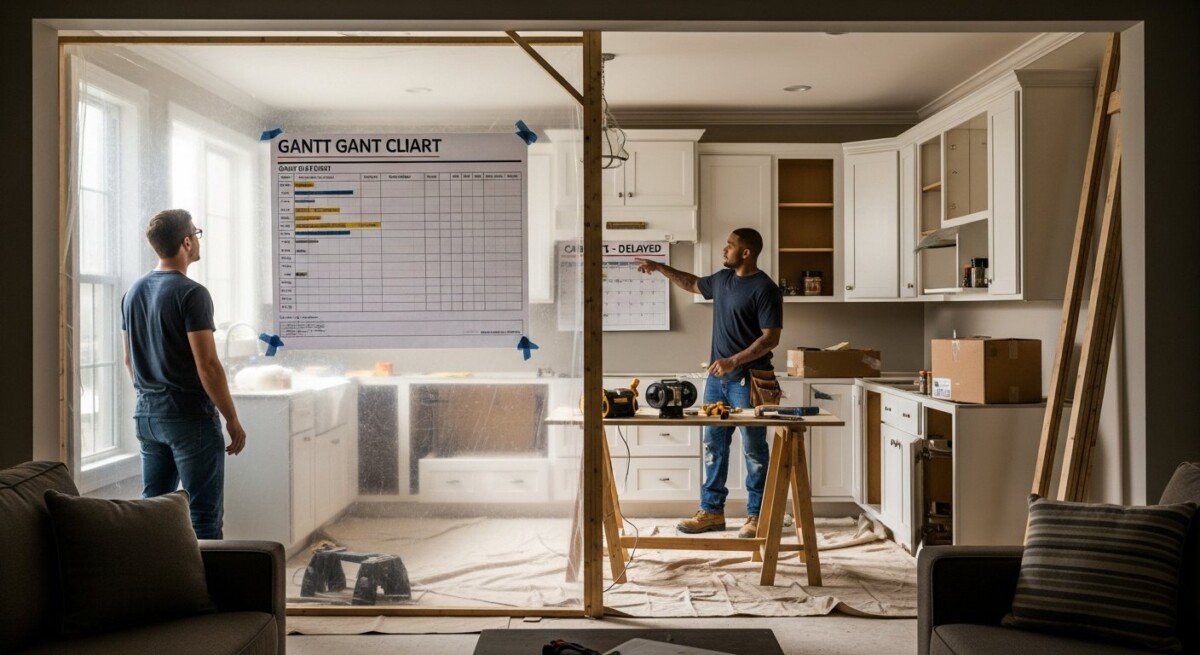
How Long Home Renovation Projects Really Take
A practical guide to realistic home renovation timelines, common causes of delays, and how professional planning keeps your project on track.

By Elena John
Learn more about Exterior Painting for guides, costs, and what to expect.
Compare Exterior Painting Pros Near You

Enter your ZIP code to compare top-rated local professionals and request free quotes.
You’ve finally decided to tackle that kitchen remodel or finish the basement. You’ve saved, you’ve planned, and you’re ready for a bit of disruption. But then, a friend mentions their “six-week” bathroom renovation stretched into four months. Suddenly, you’re worried. How long will your project *actually* take, and what happens if it drags on? Understanding realistic timelines is the key to a successful renovation, protecting your budget, your sanity, and your home from the costly domino effect of delays.
Understanding How Long Home Renovation Projects Take
A home renovation timeline is more than just the number of days workers are in your home. It’s the total duration from initial planning and design to the final cleanup and walkthrough. This includes often-overlooked phases like securing permits, ordering materials, and scheduling inspections.
Delays happen for many common reasons. Special-order items can be backordered, unexpected structural issues can be found behind walls, and weather can halt exterior work. Even the most detailed plan needs flexibility to account for the realities of working on an existing home.
While all homes can experience delays, older homes are particularly prone to surprises. Projects involving major structural changes, plumbing, or electrical updates also tend to have more variables that can impact the schedule compared to a simple cosmetic refresh.
Why This Matters for Your Home
An accurate timeline isn’t just about convenience; it’s about protecting your investment. A project that stretches on indefinitely can strain your finances, especially if you’re paying for temporary housing or eating out constantly because your kitchen is unusable.
More importantly, a prolonged renovation can expose your home to risks. Living in a construction zone with incomplete electrical work, open walls, or temporary fixes is a safety hazard. Dust and debris can affect your home’s air quality, and unfinished areas are vulnerable to moisture and pests.
Delays often lead to rushed decisions or corner-cutting near the end to “just get it done.” This can compromise the quality and durability of the final work, meaning you might face repairs or callbacks much sooner than you should. A clear, professional timeline helps manage these risks from the start.
If you notice signs of this issue in your home, it may help to speak with a qualified contractor. Request a free quote or call to explore your repair or remodeling options.
Common Problems Homeowners Experience
The most frequent issue homeowners face is the “schedule creep.” What was supposed to be a Friday finish becomes next Wednesday, then the following week. This often stems from poor initial planning or a contractor underestimating the project’s complexity to win the job.
Another major problem is the communication gap. Homeowners are left in the dark about why work has stopped or when the crew will return. This lack of clarity creates immense stress and erodes trust, making the entire experience unpleasant.
- The Waiting Game: Long lead times for cabinets, windows, or specialty fixtures that weren’t ordered early enough.
- Permit Purgatory: Unexpected delays in pulling permits or failing inspections, which can halt work for weeks.
- The Hidden Surprise: Discovering rotten subfloor, outdated wiring, or plumbing issues that require immediate, unplanned fixes.
- Weather Woes: Exterior projects like roofing or siding being delayed by rain, snow, or extreme heat.
- Subcontractor Scheduling: Difficulty coordinating electricians, plumbers, and tilers, causing gaps where no work happens.
- Scope Creep: Continuously adding “small changes” that collectively add significant time to the project.
How Professionals Solve the Problem
Experienced contractors don’t just guess at timelines; they build them based on knowledge and process. They solve the delay problem through meticulous planning and professional project management. Their goal is to set realistic expectations and then meet them.
A professional brings a network of reliable subcontractors and suppliers, understands the permit process inside and out, and knows how to sequence tasks efficiently. They build contingency time into the schedule for the unexpected, preventing small issues from derailing the entire project.
- Detailed Consultation & Scope Definition: They start by thoroughly understanding your goals and the existing conditions of your home to define exactly what the project entails.
- Comprehensive Planning & Material Ordering: They create a phased schedule and order long-lead items early, often before demolition even begins.
- Permit Procurement: They handle all paperwork and navigate local building department requirements.
- Sequenced Execution: Work is completed in a logical order (e.g., demolition, rough-ins, inspections, finishes) with trades scheduled to follow one another seamlessly.
- Regular Communication: They provide updates on progress and proactively communicate any schedule adjustments.
- Final Inspection & Walkthrough: They ensure everything is complete, functional, and meets quality standards before considering the project done.
A professional inspection can reveal hidden issues before they become expensive repairs. Compare contractor quotes here or call to discuss your project.
Warning Signs You Should Not Ignore
When planning your renovation, certain red flags can indicate your timeline is at risk before work even begins. Paying attention to these early signs can save you months of frustration.
If a contractor gives you a firm completion date without asking detailed questions about your home or the materials you want, be cautious. An accurate quote requires a thorough understanding of the project’s scope, which directly impacts time. For a deeper look at what goes into pricing, our article on how contractors price home renovation projects breaks down the factors they consider.
- Vague or Overly Optimistic Estimates: “We’ll be in and out in three weeks” for a complex full-bath remodel.
- No Written Schedule: The contractor cannot provide a basic phased timeline of major milestones.
- Pressure to Start Immediately: A reputable pro is typically booked ahead and plans their schedule.
- Lack of Communication: Slow responses during the quoting phase often predict poor communication during the project.
- No Discussion of Permits: If they don’t mention who is pulling permits, it may lead to legal and scheduling issues later.
- Unwillingness to Put It in Writing: The timeline, payment schedule, and scope should all be detailed in a contract.
What Affects the Cost of Repairs or Installation
The duration of a project is one of the biggest factors influencing its final cost. More time means more labor hours, more equipment rentals, and more financing costs if you have a loan. Understanding what drives the timeline helps you understand what drives the budget.
Key factors include the project’s size and complexity, the quality and availability of materials, and the home’s age and condition. A simple flooring replacement in a single room is far quicker and cheaper than reconfiguring a kitchen’s layout, which involves moving plumbing, gas, and electrical lines.
Costs can vary depending on the condition of your home. The best way to know the price is to get a personalized estimate. Request free quotes from contractors or call today.
How to Choose the Right Contractor
Selecting the right professional is the single most important step in ensuring your renovation stays on track. The right contractor will be a partner in managing the timeline, not the source of delays.
Look for a pro who listens to your vision, asks thoughtful questions, and provides clear, detailed answers. Their proposal should include a projected schedule, not just a final price. Taking the time to vet contractors thoroughly upfront is the best insurance against timeline nightmares.
- Verify Licenses and Insurance: Ensure they are properly licensed for your area and carry both liability and workers’ compensation insurance.
- Check References and Reviews: Speak to past clients specifically about whether the project was completed on time and within budget.
- Request Detailed, Written Estimates: Compare not just the bottom line, but the itemized costs and scope descriptions. Our guide on how to compare home renovation quotes can help you make an apples-to-apples comparison.
- Compare Multiple Quotes: Get at least three detailed estimates to understand the market rate and different approaches.
- Assess Communication Style: Choose someone who communicates clearly and promptly, as this will be crucial throughout the project.
Long-Term Benefits of Professional Work
Investing in a well-planned, professionally executed renovation pays dividends long after the workers have left. A project completed correctly the first time, on a realistic schedule, provides peace of mind and lasting value.
You gain improved safety from up-to-code electrical and plumbing work. You get better durability from proper installation techniques and high-quality materials. The efficiency of the process itself reduces the stress and disruption to your daily life, which is an immense but often overlooked benefit.
Furthermore, a timely completion means you can start enjoying your new space sooner. It also protects your home’s value by ensuring all work is permitted and inspected, which is crucial if you ever decide to sell. A rushed or botched job can actually decrease your home’s value and become a liability.
How long does a typical kitchen renovation take?
A minor cosmetic kitchen update might take 3-5 weeks. A full remodel involving layout changes, new plumbing, and custom cabinets typically takes 8-12 weeks or more. The timeline depends heavily on the scope, product lead times, and any structural surprises found during demolition.
What is the average timeline for a bathroom remodel?
A simple guest bathroom refresh can often be completed in 2-3 weeks. A primary bathroom remodel with new plumbing fixtures, tile, and lighting usually takes 4-6 weeks. Master suites with complex showers, heated floors, or custom vanities can take 8 weeks or longer.
Why do home renovations almost always take longer than expected?
Renovations involve many variables: hidden problems in old homes, back-ordered materials, permit delays, and subcontractor availability. DIYers and inexperienced contractors often underestimate these factors. A detailed home renovation cost breakdown from a pro will include a timeline that accounts for potential delays.
Can I live in my home during a renovation?
In many cases, yes, but it depends on the project. For kitchen or primary bathroom remodels, you may need to plan for alternative cooking or bathing arrangements. For whole-house renovations, dust, noise, and safety concerns often make temporary living arrangements worthwhile for part of the timeline.
What’s the fastest type of home renovation project?
Cosmetic updates like interior painting, flooring replacement in a single room, or fixture swaps are typically the fastest, often taking just a few days to a week. These projects involve minimal structural work, plumbing, or electrical changes, which streamlines the process.
How much contingency time should I add to a contractor’s estimate?
A good rule of thumb is to add a 10-20% time buffer to the contractor’s proposed timeline. This accounts for the unexpected without causing panic. A reputable contractor will already have some contingency built into their schedule, but it’s wise for you to have a mental buffer as well.
What one thing causes the most renovation delays?
Change orders,making changes to the original plan after work has begun,are a major cause of delays. They require re-ordering materials, revising plans, and can disrupt the sequenced workflow. Finalizing your design and selections before demolition starts is crucial.
How can I help ensure my renovation stays on schedule?
You can help by making all your design and material selections on time, being available for necessary decisions, and minimizing change orders. Ensuring clear communication with your contractor and providing prompt access to the work area are also key factors in keeping the project moving.
Understanding how long a home renovation truly takes empowers you to plan realistically, budget effectively, and choose the right professional partner. By acknowledging the common causes of delays and prioritizing thorough planning, you can transform a potentially stressful process into a smooth journey toward your dream home. The best next step is to gather information specific to your project,starting by comparing detailed quotes from experienced, local contractors.
Learn more about Exterior Painting for guides, costs, and what to expect.
Compare Exterior Painting Pros Near You
Enter your ZIP code to compare top-rated local professionals and request free quotes.