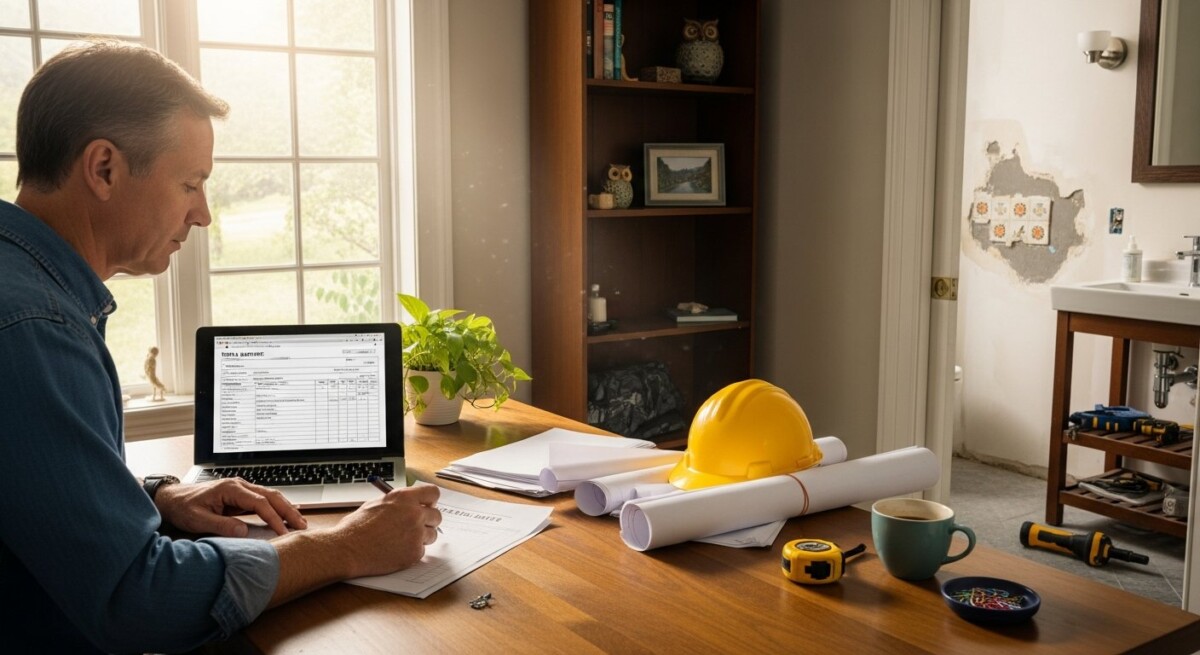
How to Analyze Contractor Estimates Like a Pro

You finally decided to remodel your kitchen or repair that leaky roof. You invite three contractors to your home, and each hands you an estimate. One is half the price of the others. One is filled with line items you do not understand. One is just a single number on a napkin. Now you are stuck wondering which estimate is fair and which one will cost you more in the long run. Learning how to analyze contractor estimates is the only way to make a confident decision and protect your home and your wallet.
Understanding How to Analyze Contractor Estimates
An estimate is more than a price tag. It is a detailed breakdown of the work a contractor plans to do, the materials they will use, and how long the project will take. When you know how to analyze contractor estimates, you can spot hidden fees, unrealistic timelines, and missing scope items before you sign a contract.
Many homeowners skip this step because the numbers look overwhelming. But a well-prepared estimate protects both you and the contractor. It sets clear expectations and reduces the chance of surprises mid-project. Homes of any age can benefit from this process, but older homes often have more variables that make a detailed estimate essential.
What a Good Estimate Should Include
A professional estimate should list materials by type and quantity, labor costs, permit fees, cleanup expenses, and a timeline. It should also specify payment terms and warranty information. If an estimate lacks these details, it is a red flag that the contractor may cut corners or add charges later.
Why This Matters for Your Home
Choosing the wrong contractor based on a low estimate can lead to shoddy work, safety hazards, and expensive rework. Poor electrical wiring, improper foundation work, or water damage from a bad roof repair can compromise your home’s structure and put your family at risk. In our guide on understanding contractor estimates for homeowners, we explain how small differences in pricing often reflect big differences in quality and insurance coverage.
Delaying a repair because you are unsure which estimate to trust can also backfire. A small leak ignored for six months can rot subflooring and grow mold, turning a $500 fix into a $5,000 restoration. The cost of inaction often far exceeds the cost of hiring the right professional from the start.
If you notice signs of this issue in your home, it may help to speak with a qualified contractor. Request a free quote or call to explore your repair or remodeling options.
Common Problems Homeowners Experience
Homeowners often face confusion when estimates vary wildly for the same project. One contractor quotes $8,000 for a bathroom remodel, while another quotes $15,000. Without knowing how to analyze contractor estimates, you might choose the cheaper option without realizing it excludes plumbing, tile, and disposal fees.
Another common issue is vague language. Estimates that say “install flooring” without specifying the type, brand, or square footage leave room for the contractor to use lower-grade materials than you expected. This can result in floors that warp, stain, or wear out within a year.
- Estimates missing material brands or model numbers
- No breakdown of labor versus material costs
- Unclear payment schedules or large upfront deposits
- No mention of permits or inspection fees
- Vague timelines with no milestones or completion dates
- Handwritten estimates on scrap paper without company letterhead
How Professionals Solve the Problem
Experienced contractors follow a consistent process to create accurate estimates. They visit your home, measure the space, inspect current conditions, and discuss your goals. Then they provide a written estimate that covers every phase of the project, from demolition to final cleanup.
Professional work is safer and more reliable than DIY fixes because licensed contractors carry insurance, follow building codes, and use proper techniques. A reputable contractor will also walk you through their estimate, answering each question until you feel comfortable. For a deeper look at what to expect, read our article on understanding contractor estimates for your home renovation.
- Inspection and measurement , The contractor evaluates the work area and identifies hidden issues.
- Material selection , You choose finishes, fixtures, and materials within your budget.
- Detailed quote , The contractor provides a line-item estimate with costs, timeline, and terms.
- Permit handling , The contractor pulls necessary permits and schedules inspections.
- Project execution , Work begins with a clear schedule and regular updates.
- Final walkthrough , You inspect the completed work before making final payment.
A professional inspection can reveal hidden issues before they become expensive repairs. Compare contractor quotes here or call to discuss your project.
Warning Signs You Should Not Ignore
Some warning signs are easy to spot if you know what to look for. A contractor who pressures you to sign immediately or demands cash upfront is a major red flag. Similarly, an estimate that is significantly lower than all others often means the contractor plans to cut corners or will add surprise charges later.
Pay attention to how the contractor communicates. If they avoid answering your questions, refuse to put details in writing, or cannot provide references, consider it a clear warning. Trustworthy contractors welcome transparency because they are confident in their work.
- Estimates that lack a company name, license number, or insurance details
- Pressure to decide on the spot or sign before noon
- Requests for more than 10% deposit before work begins
- No physical business address or only a P.O. box
- Negative reviews or unresolved complaints with the Better Business Bureau
- Estimates that do not match what was discussed during the walkthrough
What Affects the Cost of Repairs or Installation
Several factors influence the final price of a home improvement project. The size of the area being worked on directly affects material and labor costs. A 200-square-foot bathroom remodel costs less than a 400-square-foot kitchen renovation, even if the finishes are similar.
Material quality also plays a major role. Solid hardwood flooring costs more than laminate, and custom cabinetry costs more than stock cabinets. Accessibility matters too. A roof repair on a steep, multi-story home requires extra safety equipment and labor, which raises the estimate. Finally, older homes often contain outdated wiring, asbestos, or lead paint that must be handled by specialists, increasing the overall cost.
Costs can vary depending on the condition of your home. The best way to know the price is to get a personalized estimate. Request free quotes from contractors or call today.
How to Choose the Right Contractor
Choosing the right contractor starts with comparing multiple estimates. Do not automatically pick the lowest number. Instead, evaluate what each estimate includes and how the contractor communicates. A mid-range estimate with clear details and strong references is often the safest choice.
Ask each contractor for at least three recent client references and check online reviews on platforms like Google, Yelp, and the Better Business Bureau. Confirm that the contractor holds a valid license for your state and carries general liability and workers’ compensation insurance. If you are in a specific city like Chicago, local regulations may vary, so check our guide on understanding contractor estimates in Chicago, Illinois for location-specific tips.
- Verify the contractor’s license and insurance before the walkthrough
- Read recent reviews and ask for references from similar projects
- Request a written estimate with line items, not a lump sum
- Compare at least three estimates to understand the market rate
- Ask about warranties on both materials and labor
Long-Term Benefits of Professional Work
Hiring a professional contractor who provides a thorough estimate leads to a smoother project and better results. Your home will be safer because the work meets code requirements. Materials will last longer because they are installed correctly by experienced tradespeople.
Professional work also increases your home’s resale value. Future buyers appreciate documented, permitted renovations that come with warranties. Additionally, energy-efficient upgrades like proper insulation or high-quality windows lower your monthly utility bills, saving you money year after year. Investing in professional work now reduces the need for frequent repairs and maintenance down the road.
How to Spot Unnecessary Markups in an Estimate
Some contractors inflate prices by adding markups on materials or charging for services you did not request. Look for line items labeled “management fee,” “coordination fee,” or “miscellaneous.” Ask the contractor to explain each charge. If they cannot justify it, request that it be removed or clarified.
What to Do If the Estimate Changes Mid-Project
Change orders are common in remodeling, but they should always be documented in writing. If the contractor discovers unexpected issues like mold or rotted wood, they should pause work, explain the problem, and provide a written change order with the additional cost. Never approve verbal changes without a signed document.
Frequently Asked Questions
How do I know if a contractor estimate is fair?
A fair estimate includes a clear breakdown of materials, labor, permits, and timeline. Compare it with at least two other estimates from licensed contractors. If one estimate is significantly lower or higher, ask the contractor to explain the difference.
What should I look for when comparing contractor quotes?
Look for the same scope of work across all quotes. Compare material brands, quantities, warranty terms, and payment schedules. The cheapest quote may exclude important items like disposal or permit fees.
Can I negotiate a contractor estimate?
Yes, you can ask for adjustments, especially if you choose less expensive materials or reduce the project scope. However, be cautious about asking a contractor to lower their labor rate, as it may affect the quality of work.
Why do contractor estimates vary so much?
Estimates vary because contractors have different overhead costs, profit margins, and levels of experience. Some contractors include premium materials and detailed project management, while others offer basic services with lower overhead.
Is it safe to accept the lowest estimate?
Not always. A very low estimate may indicate the contractor uses cheap materials, lacks insurance, or plans to cut corners. Always verify credentials and read reviews before accepting any estimate.
What information should I give a contractor to get an accurate estimate?
Provide clear details about the project scope, your preferred materials, your budget range, and any known issues like water damage or old wiring. The more information you share, the more accurate the estimate will be.
How long does it take to get a detailed contractor estimate?
Most contractors provide an estimate within 24 to 72 hours after visiting your home. Complex projects like full home renovations may take up to a week because they require detailed measurements and material pricing.
Should I get an estimate before buying materials?
Yes. A contractor’s estimate often includes a discount on materials through their suppliers. Buying materials yourself may void warranties or result in incompatible products. Let the contractor handle procurement unless you have specific expertise.
Learning how to analyze contractor estimates is one of the most valuable skills you can develop as a homeowner. It saves you money, prevents costly mistakes, and ensures your home gets the quality work it deserves. Do not rush the decision. Take your time, ask questions, and compare multiple quotes before starting your next project.