How to Avoid Contractor Scams and Protect Your Home
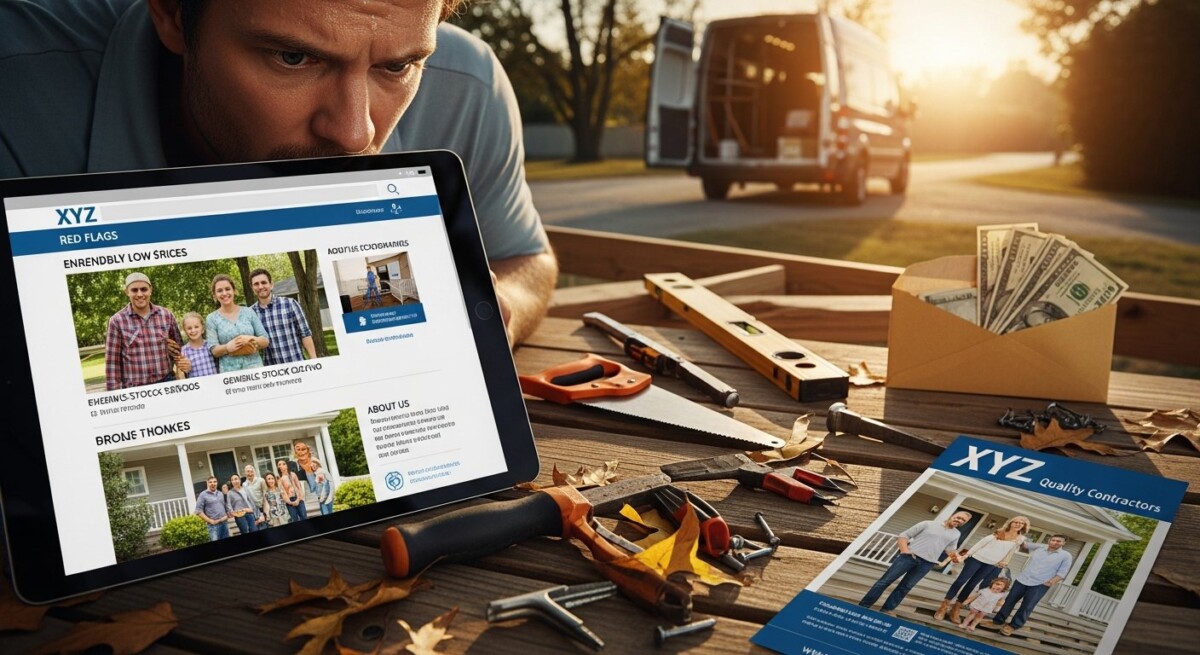
You’ve finally saved up for that kitchen remodel or urgent roof repair. You find a contractor online who offers a great price and promises a quick start. They ask for a large deposit upfront, and you pay, eager to get the project moving. Then, the excuses begin. The start date gets pushed back, the phone calls go unanswered, and eventually, the contractor vanishes,along with your money and your peace of mind.
Understanding Contractor Scams
Contractor scams are deceptive practices used by dishonest individuals or companies to take advantage of homeowners. They often prey on the stress and urgency of a home repair or renovation project. These scams can range from simple overcharging and shoddy work to outright theft and significant property damage.
They happen because home improvement is a complex field, and most homeowners aren’t experts. Scammers exploit this knowledge gap, using high-pressure sales tactics, too-good-to-be-true prices, and fake credentials to win your trust. The goal is to get your money before you realize their offer isn’t legitimate.
While any homeowner can be targeted, those facing emergency repairs, seniors, and first-time homeowners are often seen as vulnerable. Scammers know that a leaking roof or a broken furnace creates a sense of urgency that can cloud careful judgment.
Why This Matters for Your Home
Falling victim to a contractor scam is about more than just losing money. It can put your home, your safety, and your financial stability at serious risk. A scammer who starts a job and does it poorly or abandons it can leave your home in a dangerous, unfinished state.
This creates a cascade of new problems. A botched roofing job can lead to hidden water damage and mold. Faulty electrical work is a major fire hazard. Poor structural repairs can compromise your home’s integrity. You’re then left paying twice,once to the scammer and again to a legitimate professional to fix the mess.
Ignoring the warning signs or choosing a contractor based solely on the lowest bid can have long-term consequences. Protecting your investment means being vigilant from the start. A trustworthy contractor doesn’t just complete a project; they provide security, quality, and value that lasts for years.
If you notice signs of this issue in your home, it may help to speak with a qualified contractor. Request a free quote or call to explore your repair or remodeling options.
Common Problems Homeowners Experience
The aftermath of a contractor scam can manifest in many distressing ways. Homeowners often discover the problem only after the damage is done, when the contractor is long gone and accountability is impossible. The financial loss is painful, but the physical damage to your sanctuary is often worse.
These problems turn a dream project into a nightmare, creating stress, unsafe living conditions, and a significant devaluation of your most important asset. Recognizing these common outcomes is the first step in preventing them.
- Disappearing After a Large Deposit: The contractor demands 50% or more upfront for materials, then never returns to start the job.
- Substandard or Dangerous Work: The work is completed quickly and cheaply, using incorrect materials or methods that fail soon after or create safety hazards.
- The “Never-Ending” Project: The job starts, but the contractor constantly finds new “unforeseen” issues that dramatically increase the price, holding your unfinished project hostage.
- No Licenses or Insurance: The contractor cannot provide proof of required state or local licensing, or liability and workers’ compensation insurance, leaving you liable for any accidents.
- Pressure to Sign Immediately: You are told the “special price” is only good if you sign the contract today, preventing you from doing any research.
- Unpermitted Work: The contractor suggests skipping permits to “save you money and time,” which can lead to fines and problems when you sell your home.
How Professionals Solve the Problem
Legitimate, professional contractors build their business on reputation, quality, and trust. They follow a transparent and systematic process designed to protect you and deliver a successful project. Their goal is a satisfied customer who will provide a referral, not a quick cash grab.
Professional work is safer and more reliable because it adheres to building codes, uses quality materials, and is backed by warranties and insurance. They solve the problem efficiently by getting it right the first time, preventing costly callbacks and future repairs that often follow DIY or scam artist work.
- Consultation and Detailed Estimate: A reputable pro will visit your home, discuss your needs in detail, and provide a written, itemized estimate,not just a vague bottom-line number.
- Clear Contract and Timeline: They present a formal contract that outlines the scope of work, materials to be used, payment schedule, start/completion dates, and warranty information.
- Proper Permitting: They handle pulling all necessary building permits, ensuring the work will be inspected and meet local code requirements.
- Orderly Project Management: Work proceeds according to the plan, with the contractor communicating regularly about progress and any legitimate, approved changes.
- Final Inspection and Walkthrough: Upon completion, they walk you through the project, ensure you’re satisfied, and explain any warranties on workmanship and materials.
A professional inspection can reveal hidden issues before they become expensive repairs. Compare contractor quotes here or call to discuss your project.
Warning Signs You Should Not Ignore
Spotting a potential scam early can save you immense heartache and financial loss. Trust your instincts. If something feels off during your initial interactions with a contractor, it probably is. Professional contractors understand this is a major decision for you and will be patient, transparent, and willing to prove their credibility.
Paying attention to these red flags allows you to walk away before any money changes hands. Early action in vetting a contractor prevents the much larger problem of dealing with a botched project or a financial loss.
- They only accept cash or ask for payment upfront. Legitimate contractors use checks or credit cards and have a clear payment schedule tied to project milestones.
- They solicit door-to-door or have no physical business address. Be wary of “storm chasers” or contractors working out of just a truck with out-of-state plates.
- They have no online presence or reviews. In today’s world, a lack of a website, Google Business profile, or reviews on multiple platforms is a major warning sign.
- They pressure you to make a decision on the spot. Honest contractors give you time to review their estimate and check their references.
- Their quote is dramatically lower than others. If it seems too good to be true, it almost always is. This low bid often leads to cut corners or demands for more money later.
- They are vague about details or refuse to put promises in writing. Any verbal guarantee about price, timeline, or materials is worthless if it’s not in the contract.
What Affects the Cost of Repairs or Installation
Understanding what goes into a project’s cost helps you evaluate estimates realistically. A very low bid might mean a scam, but the highest bid isn’t always the best either. Transparent contractors will explain the factors that contribute to their pricing, so you know exactly what you’re paying for.
The complexity and size of the job are the most obvious factors. However, the age and condition of your home can reveal hidden challenges, like outdated wiring or structural issues, that need to be addressed. The quality of materials you choose also significantly impacts the final cost, with durable, brand-name products often carrying a higher price tag for a good reason.
Labor is another major component. Specialized skills, like electrical or plumbing work, command higher rates. The accessibility of the work area,such as a steep roof or a cramped basement,can also increase labor time and cost. A professional quote accounts for all of this, not just a guess.
Costs can vary depending on the condition of your home. The best way to know the price is to get a personalized estimate. Request free quotes from contractors or call today.
How to Choose the Right Contractor
Selecting the right contractor is your most powerful tool for avoiding scams. This process requires a bit of homework, but it’s an investment that pays off in peace of mind and a job well done. Think of it as interviewing candidates for a critical position,because that’s exactly what you’re doing.
Your goal is to find a professional who is communicative, experienced with projects like yours, and committed to your satisfaction. By following a diligent selection process, you filter out the unreliable operators and find a true partner for your home improvement project.
- Verify Licenses and Insurance: Ask for their license number and check its status with your state’s licensing board. Also request certificates of insurance for both liability and workers’ compensation.
- Read Reviews and Ask for References: Check Google, BBB, and Houzz. Then, ask the contractor for 2-3 recent references for projects similar to yours, and actually call them.
- Get Multiple Detailed Estimates: Obtain at least three written, itemized bids for the exact same scope of work. This allows for a true apples-to-apples comparison.
- Ask About Experience and Subcontractors: How long have they been in business? Do they use their own crew or hire subcontractors? If subs are used, ask for their credentials as well.
- Review the Contract Thoroughly: Never sign a blank or incomplete contract. Ensure it includes the total price, payment schedule, specific materials, start/end dates, and a warranty clause.
Long-Term Benefits of Professional Work
Hiring a reputable, professional contractor is an investment that yields returns long after the project is complete. Quality workmanship and materials stand the test of time, protecting your home and your wallet from future issues. It transforms a cost into a value-adding improvement.
Beyond just fixing an immediate problem, professional work enhances your daily life. It improves safety by eliminating hazards, increases comfort through proper installation, and can boost energy efficiency, lowering your utility bills. Most importantly, it preserves and often increases your home’s market value, ensuring your investment is protected.
You also gain the intangible benefit of confidence. Knowing the job was done right means you won’t lie awake worrying about a leak or an electrical fire. You have warranties to fall back on and a contractor who will likely be there for future maintenance. This peace of mind is, for many homeowners, the greatest benefit of all.
How can I check if a contractor is licensed?
Ask the contractor for their license number. Then, visit your state’s official contractor licensing board website or call their office. You can search by the number or business name to verify the license is active and in good standing, with no serious complaints.
What is a reasonable deposit for a home improvement project?
A reasonable deposit is typically one-third of the total project cost or less. Many states have laws capping deposits. A payment schedule should then be based on completed milestones (e.g., another third after framing is inspected), with a final payment due only after you are fully satisfied with the completed work.
Should a contractor pull permits?
Yes, always. For most significant work, the contractor should obtain the necessary building permits. This ensures the project will be inspected by the city or county to meet safety and building codes. If a contractor suggests skipping permits, it is a major red flag.
What should a good contract include?
A solid contract should include the contractor’s full contact information and license number, a detailed description of the work and materials (including brands/model numbers), the total price, a payment schedule, start and completion dates, how change orders are handled, and warranty information for both labor and materials.
Is it okay to pay a contractor in cash?
It is highly discouraged. Paying by check or credit card creates a paper trail and offers you more protection. Cash payments are difficult to trace and recover if something goes wrong. A legitimate contractor will not insist on cash.
What if I’ve already paid a deposit and the contractor won’t start?
First, send a formal, dated letter (via certified mail) demanding a start date or a refund. If they don’t respond, file a complaint with your state’s contractor licensing board, the Better Business Bureau, and your local consumer protection agency. For larger sums, consult with an attorney.
Your home is your most valuable investment and your safe haven. Protecting it starts with choosing the right partner for repairs and renovations. By understanding the warning signs of contractor scams and taking the time to vet professionals thoroughly, you can move forward with confidence. Addressing home issues early with a qualified contractor prevents small problems from becoming major, expensive headaches. A smart first step is to compare detailed quotes from several trusted local professionals to understand your options and ensure you get both quality and value.