How to Choose Between Contractors for Your Home Project
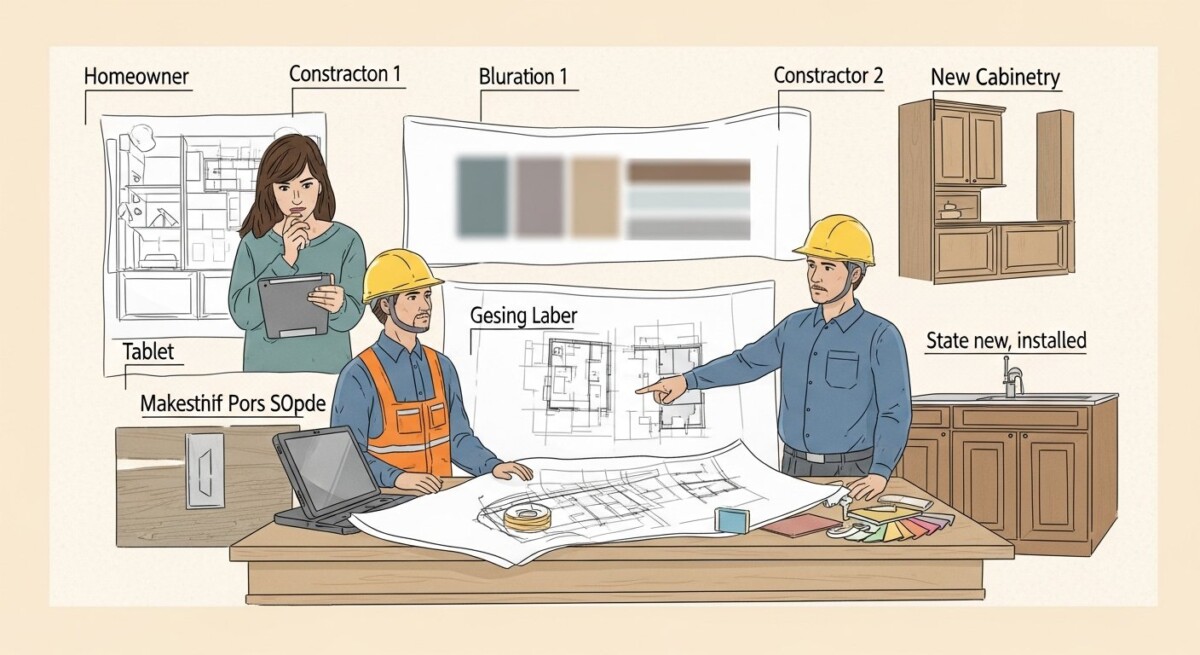
You’ve decided it’s time. The kitchen needs a refresh, the bathroom is outdated, or that leaky roof can’t wait another season. You’ve saved, you’ve planned, and you’re ready to hire a professional. But then you start getting quotes, and suddenly you’re faced with a new, daunting question: with different prices, promises, and personalities, how do you actually choose the right contractor for your home and your hard-earned money?
This moment is where many homeowners feel stuck. Choosing the wrong professional can lead to delays, budget overruns, and subpar work that haunts you for years. But ignoring needed repairs can cause minor issues to spiral into major, costly damage. The right choice protects your investment, your safety, and your peace of mind.
Understanding How to Choose Between Contractors
Choosing between contractors isn’t just about picking the lowest price. It’s a process of vetting and comparing professionals to find the best fit for your specific project, budget, and communication style. It’s about evaluating who will be a trustworthy partner in your home improvement journey.
This challenge happens because home services are not a one-size-fits-all industry. Every contractor has different specialties, business practices, and levels of experience. Your goal is to align their capabilities with your vision and expectations.
All homeowners undertaking a repair or renovation will face this decision. It’s a critical step that often determines the success or stress of the entire project.
Why This Matters for Your Home
Your home is likely your largest financial asset. The quality of work done on it directly impacts its value, safety, and your family’s comfort. A poor contractor choice can diminish all three, while the right choice enhances them.
Beyond immediate results, a professional contractor brings knowledge of building codes, proper material selection, and efficient problem-solving. They see potential issues you might miss and prevent small problems from becoming structural nightmares. This foresight saves you significant money and headaches in the long run.
If you notice signs of this issue in your home, it may help to speak with a qualified contractor. Request a free quote or call to explore your repair or remodeling options.
Common Problems Homeowners Experience
When the selection process goes wrong, homeowners often face a series of frustrating and expensive problems. These issues usually stem from a lack of clear communication, undefined scope, or hiring based on price alone.
The fallout can range from daily inconveniences to serious financial loss. You might deal with a project that never seems to end, discover hidden costs halfway through, or be left with work that looks fine on the surface but fails within a year.
- Massive budget overruns beyond the initial estimate.
- Endless project timelines with constant delays.
- Poor craftsmanship that requires rework or fails inspection.
- Disappearing contractors who stop responding mid-job.
- Damage to existing parts of your home not included in the project.
- Stress and conflict disrupting your household for months.
How Professionals Solve the Problem
A reputable contractor doesn’t just swing a hammer; they manage the entire process. They turn your anxiety into a plan, your budget into a reality, and your problems into solutions. Their expertise lies in executing the work correctly the first time and navigating the unexpected without passing every surprise cost to you.
Professional work follows a logical, transparent process. This systematic approach is what you’re paying for,it’s the difference between a dream and a disaster. A good contractor will guide you through each phase, ensuring you understand what’s happening and why.
- Detailed Consultation & Estimate: They listen to your goals, assess the space, and provide a clear, written scope of work and price.
- Planning & Permitting: They handle the logistics, securing necessary permits and creating a realistic schedule.
- Quality Execution: Skilled crews perform the work to code, using appropriate materials and techniques.
- Communication & Problem-Solving: They keep you updated and address any issues that arise promptly and professionally.
- Final Walkthrough & Follow-up: The project is completed to your satisfaction, with a clear understanding of warranties and maintenance.
A professional inspection can reveal hidden issues before they become expensive repairs. Compare contractor quotes here or call to discuss your project.
Warning Signs You Should Not Ignore
During your search, certain red flags can warn you that a contractor might not be the right fit. Spotting these early can save you from a regrettable decision. Trust your instincts,if something feels off during the estimate phase, it will likely worsen during the project.
Pay close attention to how they communicate. Are they prompt, clear, and willing to answer all your questions? The contractor’s behavior before you sign a contract is often their best behavior. Ignoring these signs can lead to the common problems we discussed earlier.
- They demand a large cash deposit or full payment upfront before any work begins.
- They are reluctant to provide a detailed, written estimate or a formal contract.
- They cannot verify a valid license and insurance for their business and workers.
- Their quote is dramatically lower than all others, which can indicate cutting corners.
- They use high-pressure sales tactics or claim the “deal” is only good for today.
- They have no online presence, portfolio, or are unwilling to provide references.
What Affects the Cost of Repairs or Installation
Understanding cost factors helps you compare quotes apples-to-apples. A very low bid might mean lower-quality materials, less experienced labor, or an estimate that misses key parts of the job. The goal is fair value, not just the lowest number.
Prices vary based on project complexity, materials, labor intensity, and regional rates. A contractor should be able to explain their pricing clearly, so you know exactly what you’re paying for. For a deeper dive into budgeting, our guide on how to choose the right contractor covers how to decode estimates.
Costs can vary depending on the condition of your home. The best way to know the price is to get a personalized estimate. Request free quotes from contractors or call today.
How to Choose the Right Contractor
The selection process is your most powerful tool. It involves doing your homework and asking the right questions. This diligence upfront is the best investment you can make in your project’s success.
Start by getting at least three detailed quotes for the same scope of work. This comparison is not just about price; it’s about understanding each contractor’s approach, professionalism, and communication style. You are hiring a person and a team, not just a price tag.
- Verify Credentials: Always check for a current state license and proof of liability and workers’ compensation insurance.
- Check Reviews & References: Read online reviews and, crucially, call past clients. Ask about cleanliness, communication, and whether the project stayed on budget.
- Review the Contract Thoroughly: It should include payment schedule, project timeline, specific materials (brand, model, color), and a detailed scope of work.
- Assess Communication: Choose someone who listens, explains clearly, and makes you feel comfortable. You’ll be in close contact for weeks or months.
- Compare Value, Not Just Price: Consider the proposal’s completeness, the quality of materials specified, and the contractor’s reputation and experience.
Long-Term Benefits of Professional Work
Hiring the right professional pays dividends long after the project is complete. Quality workmanship stands the test of time, performing as intended for years without constant tweaks or repairs. This durability is the true mark of a good investment.
Beyond durability, professional work enhances your daily life and your home’s financial value. A properly installed roof protects everything beneath it. A correctly wired addition is safe for your family. A beautifully finished kitchen becomes the heart of your home and a key selling point. These outcomes are the real return on your careful selection process.
How many quotes should I get?
Aim for at least three detailed quotes. This gives you a good range for comparing costs and approaches. Getting fewer might not show you the full market rate, while getting many more can become confusing and time-consuming.
What questions should I ask a contractor?
Key questions include: “Are you licensed and insured?” “Can you provide references from similar projects?” “Who will be the foreman on-site?” “What is the projected timeline?” and “How do you handle changes or unexpected issues?”
Is the lowest bid always a bad choice?
Not always, but it should be a red flag for closer scrutiny. A bid significantly lower than others may indicate inexperience, a misunderstanding of the scope, or a plan to use inferior materials. Always understand *why* a bid is lower.
What should be in a contractor’s contract?
A solid contract includes the contractor’s contact info and license number, a detailed project description, start/end dates, total price and payment schedule, warranty information, and procedures for handling change orders.
Should I pay a deposit?
It’s standard to pay a deposit to secure materials and schedule the work, typically 10-30% of the total cost. Be wary of any contractor demanding 50% or more upfront. Payments should be tied to completed milestones.
How long does a typical home renovation take?
Timelines vary widely. A small bathroom might take 2-3 weeks, while a full kitchen remodel or addition can take 2-4 months. Your contractor should provide a realistic schedule and communicate proactively about any delays.
Choosing the right contractor is the cornerstone of a successful home project. By taking a careful, informed approach to your selection, you protect your home, your budget, and your sanity. Don’t let the fear of making a wrong choice paralyize you into inaction,start by gathering information and comparing your options. The first step toward a beautiful, safe, and valuable home improvement is simply reaching out to qualified professionals to understand what’s possible.