How to Choose the Right Contractor for Your Home Project
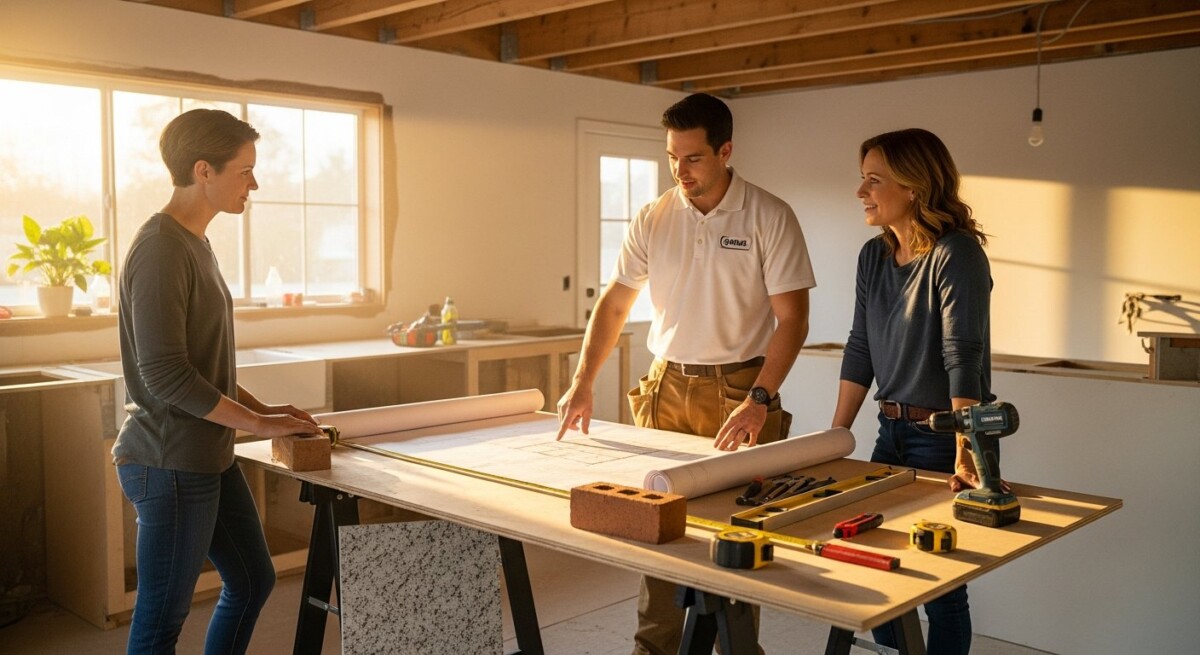
You’ve finally decided to tackle that kitchen remodel or fix the persistent leak in the basement. The vision is clear, but the path to getting it done feels overwhelming. You start searching online, and suddenly you’re faced with dozens of contractor options, glowing reviews, and confusing estimates. The fear of choosing the wrong person, leading to delays, shoddy work, or budget overruns, can make any homeowner hesitate. This uncertainty often causes people to postpone important projects, which can allow small issues to become major, costly problems.
Understanding How to Choose the Right Contractor
Choosing the right contractor is the most critical step in any home improvement project. It’s the process of vetting and selecting a qualified professional who will bring your vision to life, on budget and on time. This decision goes far beyond just comparing prices.
It’s about finding a partner you can trust with your home. The right contractor brings expertise, reliable crews, proper insurance, and clear communication to the table. They turn your stress into a smooth, managed process.
Every home and project is unique, but the need for a trustworthy professional is universal. Whether you’re in a new build or a century-old house, the principles of a good selection process remain the same.
Why This Matters for Your Home
Your home is likely your largest investment. The quality of work done on it directly impacts your safety, daily comfort, and its long-term value. A poor contractor choice can jeopardize all of that.
Incorrect installations or repairs can lead to structural issues, water damage, electrical hazards, or mold growth. These problems are often hidden behind walls or under floors, becoming expensive emergencies later. A professional contractor ensures the work is done correctly the first time, protecting your investment.
Delaying necessary repairs or improvements because you’re unsure who to hire can also be costly. A small roof leak ignored for a season can ruin insulation, damage drywall, and compromise framing. Taking the time to choose wisely now saves significant money and stress down the road.
If you notice signs of an issue in your home or are planning an upgrade, it may help to speak with a qualified contractor. Request a free quote or call to explore your repair or remodeling options.
Common Problems Homeowners Experience
Many homeowners share similar frustrations when their contractor search goes wrong. These problems often stem from a lack of a clear selection process and rushing the decision.
You might encounter contractors who are difficult to reach for updates, or who provide vague estimates that balloon later. Sometimes, work starts strong but then the crew disappears for days on another job, leaving your home in disarray.
These common issues highlight why a methodical approach is essential:
- Unclear or constantly changing project timelines and completion dates.
- Significant cost overruns not covered by the original estimate.
- Poor communication, including unanswered calls and emails.
- Subpar workmanship that requires costly re-dos.
- Unlicensed or uninsured workers creating liability risks.
- Use of low-quality materials that fail prematurely.
How Professionals Solve the Problem
A reputable contractor transforms a potentially stressful project into a managed, efficient process. They act as the project manager, coordinating permits, schedules, materials, and specialized labor so you don’t have to.
Their experience allows them to foresee challenges you might not consider, like structural implications or code requirements. This proactive planning prevents costly mid-project changes and ensures the work meets all safety standards. For specialized projects, like a new driveway or patio, this expertise is even more critical. Our guide on choosing the right concrete contractor dives into the specific qualifications to look for in that field.
The typical professional process follows a logical sequence:
- Initial Consultation & Estimate: They assess your project, discuss your goals, and provide a detailed written estimate.
- Planning & Permitting: They create a project plan, secure necessary permits, and schedule materials and crew.
- Clear Communication: They establish how and when updates will be provided, keeping you informed.
- Execution & Quality Control: Skilled crews perform the work under the contractor’s supervision, ensuring quality.
- Final Walkthrough & Completion: They review the finished work with you, address any concerns, and provide documentation.
A professional inspection can reveal hidden issues before they become expensive repairs. Compare contractor quotes here or call to discuss your project.
Warning Signs You Should Not Ignore
During your search, certain red flags can indicate a contractor may not be reliable. Spotting these early can save you from a nightmare project.
Trust your instincts. If something feels off during your initial conversations, it’s often a sign to look elsewhere. A professional contractor will be transparent and happy to answer all your questions.
Be cautious if you encounter any of the following warning signs:
- They demand a large cash deposit or full payment upfront before any work begins.
- They are reluctant to provide a written, detailed contract or a list of references.
- Their quote is significantly lower than all others, which can signal cutting corners.
- They don’t have a physical business address or a verifiable license and insurance.
- They pressure you to make a quick decision, using “today-only” discounts.
- They suggest skipping permits to “save time and money,” which is illegal and risky.
What Affects the Cost of Repairs or Installation
Understanding what goes into a project’s cost helps you evaluate estimates more effectively. Price isn’t just about materials and labor; it reflects the contractor’s overhead, expertise, and quality standards.
A very low bid might mean the contractor is using inferior materials, cutting corners on labor, or hasn’t accounted for all aspects of the job, leading to change orders later. The goal is to find fair value, not just the lowest price.
Several key factors influence the final cost:
- Project Scope & Complexity: A simple repair costs less than a full remodel with custom designs.
- Material Quality: Premium materials (e.g., hardwood vs. laminate) have a higher price tag.
- Labor Intensity: Jobs requiring specialized skills, like electrical or masonry, cost more.
- Home Age & Condition: Older homes often have unforeseen issues (old wiring, plumbing) that add to the cost.
- Location & Accessibility: Difficult-to-access work areas can increase labor time.
Costs can vary depending on the condition of your home. The best way to know the price is to get a personalized estimate. Request free quotes from contractors or call today.
How to Choose the Right Contractor
Arming yourself with a clear process is the best defense against a bad experience. This involves doing your homework before signing anything.
Start by defining your project as clearly as possible. Knowing what you want helps contractors provide accurate bids. Then, get recommendations from friends, family, or trusted online review platforms.
Follow these practical steps to narrow your search and make a confident choice:
- Verify Licenses and Insurance: Always ask for proof of current liability insurance and workers’ compensation. Confirm their license is valid with your local licensing board.
- Check References and Reviews: Ask for 2-3 recent references for similar projects. Call them and ask about cleanliness, communication, and budget adherence. Also, check online reviews on multiple sites.
- Get Detailed, Written Estimates: Obtain at least three written estimates that break down costs for materials, labor, profit margin, and a payment schedule. This allows for an apples-to-apples comparison.
- Interview Your Top Candidates: Meet them at your home. Discuss your project timeline, who will be on-site daily, and how changes are handled. Gauge their communication style and professionalism.
- Review the Contract Thoroughly: Never start work without a signed contract. It should include start/end dates, payment schedule, specific materials (brand, model, color), and a process for handling change orders.
Long-Term Benefits of Professional Work
Investing time in choosing the right professional pays dividends for years. Quality workmanship stands the test of time, performing as intended and requiring less maintenance.
Properly executed projects enhance your home’s safety and efficiency. A well-insulated attic, correctly installed windows, or a sound electrical upgrade can lower utility bills and prevent hazards. This foundational knowledge is part of a broader responsible contractor selection mindset that protects all your home investments.
Ultimately, professional work adds to your home’s market value and appeal. When it’s time to sell, buyers and inspectors will notice quality renovations and well-maintained systems, making your home a more attractive and valuable asset.
How many contractor quotes should I get?
It’s wise to get at least three detailed written estimates. This gives you a good range for comparing costs, scope, and professionalism. Fewer than three might not show you the full market, while many more can become confusing and time-consuming.
What questions should I ask a contractor reference?
Ask if the project was completed on time and on budget. Inquire about the crew’s cleanliness and professionalism. Most importantly, ask if they would hire the contractor again for another project. The answer to that last question is very telling.
Is a lower bid always a bad sign?
Not always, but it should prompt careful scrutiny. A bid significantly lower than others may mean the contractor misunderstood the scope, plans to use inferior materials, or is desperate for work. Always ensure you are comparing identical scopes of work and material quality.
What should be included in a contractor’s contract?
A solid contract includes the contractor’s contact and license info, detailed project description, start/completion dates, total price and payment schedule, specific materials to be used, warranty information, and a process for handling change orders. Never sign a vague contract.
Should I always choose the contractor with the most experience?
Experience is crucial, but it should be relevant experience. A contractor with 30 years in roofing may not be the best choice for a kitchen remodel. Look for a proven track record with projects similar to yours in size and complexity.
How do I handle disagreements during the project?
Refer to your contract, which should have a change order process. Communicate concerns clearly and in writing to the contractor immediately. Most reputable professionals want to resolve issues to protect their reputation. Good contracts and clear communication from the start, as emphasized in our contractor vetting guide, are the best prevention.
Choosing the right contractor is an investment in your peace of mind and your home’s future. By taking a structured, careful approach to your selection, you empower yourself to make a confident decision. Don’t let the fear of a bad choice delay important improvements or repairs. Start by gathering information and comparing quotes from qualified professionals,it’s the first and most important step toward a successful project that protects and enhances your home.