How to Compare Contractor Quotes for Your Home Project

You’ve finally decided to tackle that home project, whether it’s a long-overdue roof repair, a kitchen update, or fixing a persistent leak. You call a few contractors, and soon, several estimates land in your inbox or on your kitchen table. As you look them over, your heart sinks. The prices are all over the map, the descriptions of work vary wildly, and you’re left wondering if you’re comparing apples to oranges. This confusing scenario is a common first step for homeowners, but navigating it poorly can lead to serious problems. Choosing a quote based solely on the lowest number can result in shoddy work, hidden costs, and even safety hazards that turn your dream project into a costly nightmare.
Understanding Contractor Quote Comparison
Contractor quote comparison is simply the process of reviewing and evaluating multiple estimates for a home repair or remodeling job. It’s more than just looking at the bottom-line price. A true comparison involves understanding what each contractor plans to do, the materials they will use, and the timeline they promise.
This step is crucial because no two contractors approach an estimate the same way. One might propose a quick fix, while another recommends a more comprehensive, long-term solution. The goal is to find the best value,a combination of fair pricing, quality materials, reliable workmanship, and clear communication,not just the cheapest option.
Why This Matters for Your Home
Your home is likely your largest investment. The quality of work done on it directly impacts your safety, your comfort, and your financial future. A poorly executed project can lead to cascading problems. A bad roofing job, for instance, can cause water damage that ruins insulation, warps framing, and leads to toxic mold growth.
Ignoring the need for a proper comparison often means homeowners default to the lowest bidder. This can be a costly mistake. Inexpensive work often uses subpar materials or cuts corners on critical steps, leading to failures that require expensive re-dos. Investing time upfront to compare quotes thoroughly protects your property and ensures your money is spent wisely on a solution that lasts.
If you notice signs of this issue in your home, it may help to speak with a qualified contractor. Request a free quote or call to explore your repair or remodeling options.
Common Problems Homeowners Experience
When estimates start arriving, confusion is the most common problem. One quote might be a single-page summary with a lump-sum price, while another is a detailed, multi-page breakdown. This makes it incredibly difficult to see what you’re actually paying for and if the scope of work is the same.
Homeowners often feel pressured to make a quick decision, especially if the repair seems urgent. This pressure can lead to skipping vital steps like checking references or verifying insurance. The result is that you might hire someone who isn’t a good fit for your project’s complexity or your communication style, setting the stage for frustration.
- Vastly different prices for what seems like the same job.
- Vague descriptions like “repair roof” instead of specifying materials and methods.
- Missing information about permits, cleanup, or warranty coverage.
- High-pressure sales tactics urging you to sign immediately.
- Estimates that don’t account for potential hidden problems once work begins.
- Difficulty judging the contractor’s reliability and reputation from a quote alone.
How Professionals Solve the Problem
A reputable contractor doesn’t just give you a price; they provide a roadmap. Their detailed quote is a communication tool that outlines exactly how they will solve your home’s issue. They take the time to diagnose the root cause, not just the symptom, ensuring the repair is permanent.
Professionals bring experience you can’t get from a DIY video. They know local building codes, can source quality materials at better prices, and have skilled crews to execute the work efficiently and safely. Their work is backed by insurance and warranties, giving you peace of mind that you won’t be liable for accidents or defects.
- Thorough Inspection: A good contractor starts by thoroughly assessing the project area to identify all issues, even hidden ones.
- Detailed Scope of Work: They create a clear, itemized list of every task, from demolition to final cleanup.
- Material Specifications: The quote specifies brands, grades, and quantities of all materials, so you know the quality level.
- Transparent Pricing: Costs are broken down by labor, materials, permits, and any potential contingencies.
- Project Timeline: A realistic schedule is provided, including start date, major milestones, and completion date.
- Clear Terms: Payment schedule, warranty details, and cleanup responsibilities are all stated in writing.
A professional inspection can reveal hidden issues before they become expensive repairs. Compare contractor quotes here or call to discuss your project.
Warning Signs You Should Not Ignore
Sometimes, the need for a contractor is obvious, like a gaping hole in your ceiling. Other times, the signs are subtle but just as urgent. Putting off repairs almost always leads to a larger, more expensive problem down the road. What starts as a small water stain can become a major structural issue.
Listening to your home is key. Unusual sounds, smells, or performance issues are often cries for help. Addressing them early with a professional can save you thousands and prevent disruptive emergency repairs later. For a deeper dive into what to look for in a quote document itself, our guide on understanding home contractor quotes breaks down each section.
- Water stains on walls or ceilings, or a musty smell indicating hidden moisture.
- Frequent circuit breaker trips or flickering lights suggesting electrical issues.
- Cracks in foundation walls or above doorframes that are widening.
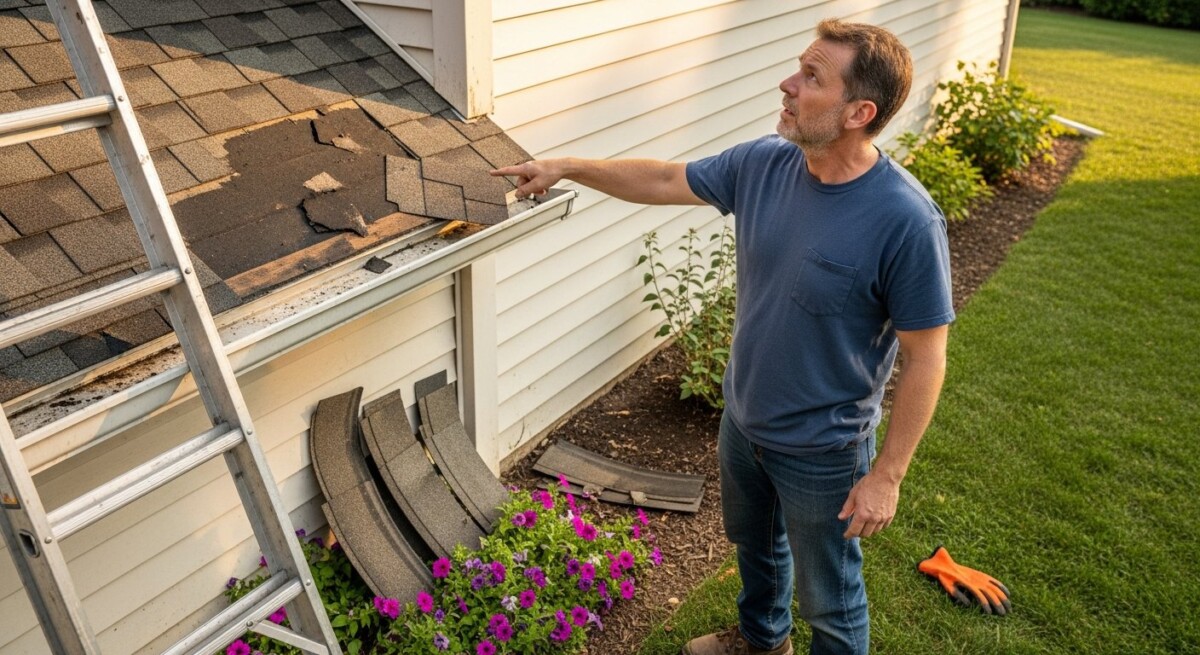
- Roof shingles that are curling, cracked, or missing entirely.
- A sudden spike in your energy bills, pointing to insulation or HVAC problems.
- Uneven floors or doors that no longer close properly, signaling settling or framing issues.
What Affects the Cost of Repairs or Installation
Understanding why quotes differ starts with knowing what factors drive the cost. The size and complexity of the project are the biggest determinants. A small bathroom remodel will cost less than a whole-house renovation, but even similar-sized projects can have different prices based on the choices you and the contractor make.
Material quality creates a significant price range. Builder-grade cabinets cost less than custom solid-wood ones. Labor intensity also matters; intricate tile work is more expensive than laying simple laminate. The age and condition of your home can add cost if workers encounter outdated wiring, plumbing, or structural surprises that need to be remedied before the new work can begin.
Costs can vary depending on the condition of your home. The best way to know the price is to get a personalized estimate. Request free quotes from contractors or call today.
How to Choose the Right Contractor
The quote is a piece of paper; the contractor is the person or team you’ll invite into your home. Your choice should be based on both the details of their proposal and your confidence in them as a professional. Trust your instincts during conversations. Do they listen? Do they answer questions patiently and clearly?
Never base your decision on price alone. A slightly higher quote from a highly-recommended, experienced contractor is almost always a better value than the lowest bid from an unknown entity. The right contractor will make you feel informed and comfortable, turning a stressful process into a collaborative project. For specific advice on navigating estimates for larger upgrades, our resource on contractor quotes for home improvement projects offers valuable insights.
- Verify they are licensed, bonded, and insured for your protection.
- Read recent online reviews and ask for references from past clients.
- Ensure every quote you compare includes the same detailed scope of work.
- Meet them in person to discuss the project and gauge communication style.
- Ask about their experience with projects exactly like yours.
Long-Term Benefits of Professional Work
Hiring a true professional pays dividends long after the project is complete. Quality workmanship and materials stand the test of time, meaning you won’t have to redo or repair the job in a few years. This durability saves you money and hassle over the lifespan of your home.
Beyond durability, professional work enhances your daily life and your home’s value. Properly installed windows and insulation lower utility bills. A well-built addition or remodel increases your living space and your property’s market value. Most importantly, knowing that electrical, plumbing, and structural work was done to code ensures your family’s safety for years to come.
How many contractor quotes should I get?
Most experts recommend getting at least three detailed quotes. This gives you a good range for comparison on both price and approach. Fewer than three might not show you the full market range, while more than five can become overwhelming and time-consuming to manage effectively.
What is the difference between an estimate and a quote?
An estimate is a rough, often non-binding, guess of the project cost. A quote (or bid) is a formal, fixed-price offer to do the work as specified. For comparison, you want firm quotes, not loose estimates, as they lock in the price and reduce the risk of surprise charges later.
Why is the cheapest quote often a bad idea?
The cheapest quote may cut corners by using low-quality materials, skipping necessary steps, or employing less-skilled labor. This can lead to premature failure, voided warranties, and costly repairs that make the “cheap” job far more expensive in the long run.
What should a detailed contractor quote include?
A detailed quote should include a complete scope of work, itemized costs for labor and materials, brand names and specifications of products, a project timeline, payment schedule, information on permits, and details of the warranty covering both workmanship and materials.
Is it okay to ask a contractor to match a lower quote?
You can ask, but focus on value, not just price. If one quote is lower, show it to other contractors and ask if their higher price reflects differences in materials, scope, or warranty. A reputable contractor will explain their pricing, not just undercut a competitor without reason.
How long is a contractor quote valid?
Quotes are typically valid for 30 to 90 days. This is because material prices can fluctuate. Always ask about the validity period when you receive the quote, so you know how long you have to make your decision without the price changing.
What questions should I ask a contractor before hiring?
Ask about their experience with similar projects, who will be supervising the job daily, how they handle unexpected issues or changes, what their cleanup process is, and for a copy of their insurance certificate. For remodeling-specific concerns, our article on remodeling contractor quotes covers key questions to ask.
Taking the time to compare contractor quotes carefully is one of the most important steps in any home project. It protects your investment, ensures your family’s safety, and leads to a result you can enjoy for years. By focusing on value over the lowest price and choosing a communicative, trustworthy professional, you turn a potential headache into a smooth and successful upgrade to your home. Start by gathering a few detailed quotes to understand your options and move forward with confidence.