
How to Compare Contractor Quotes for Your Home Project
A practical guide for homeowners on how to compare contractor quotes to ensure quality work, fair pricing, and a successful home project.

By Elena John
Learn more about General Contracting for guides, costs, and what to expect.
Compare General Contracting Pros Near You

Enter your ZIP code to compare top-rated local professionals and request free quotes.
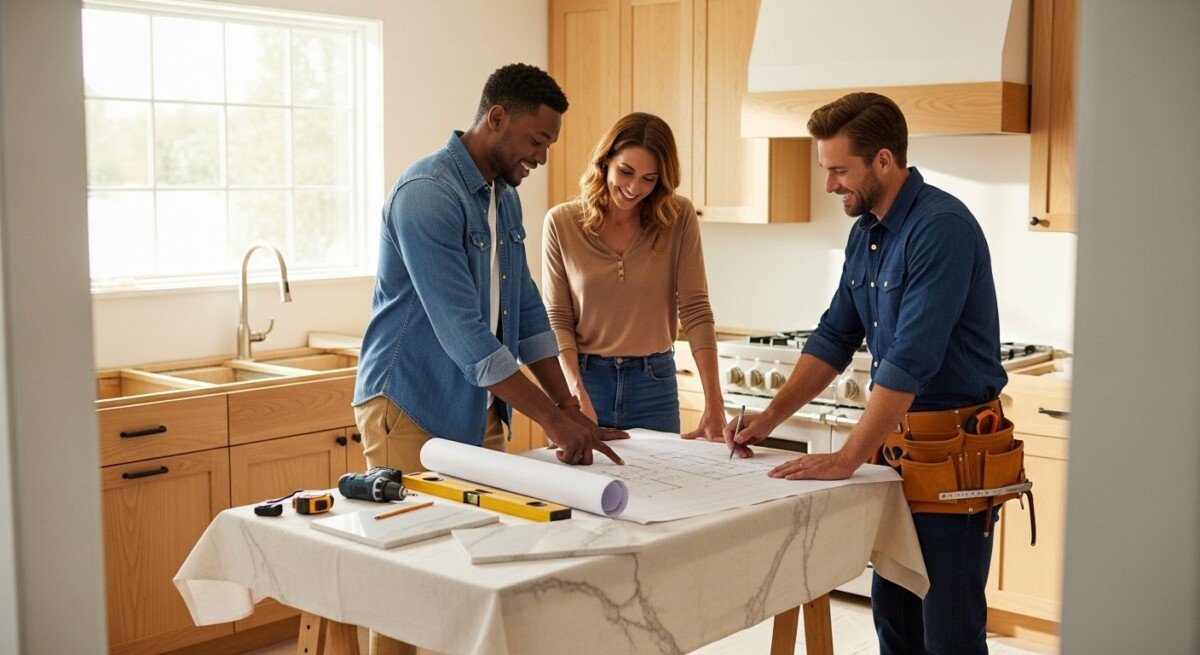
You’ve finally decided to tackle that home renovation or repair. You’ve talked to a few contractors, and now you have several estimates sitting on your kitchen table. They all describe the same project, but the prices, details, and materials vary wildly. It’s confusing, and you’re worried about making the wrong choice. This common scenario is why knowing how to properly compare contractor quotes is one of the most critical skills for a homeowner. Without a clear comparison, you risk overpaying, choosing a low-quality contractor, or facing unexpected costs down the line.
Understanding Compare Contractor Quotes
Comparing contractor quotes is more than just looking at the bottom-line price. It’s a systematic process of evaluating multiple estimates to understand the true scope, quality, and value of the proposed work. A quote is a contractor’s formal offer to complete a project for a specified price, outlining the materials, labor, timeline, and terms.
This process is essential because no two contractors price a job exactly the same way. Variations arise from differences in experience, business overhead, material choices, and the level of detail they include. The goal isn’t always to find the cheapest option, but to find the best value,a fair price for high-quality, reliable work that meets your specific needs.
Why This Matters for Your Home
Choosing a contractor based on price alone can lead to significant problems. A surprisingly low bid might mean the contractor is cutting corners, using subpar materials, or has misunderstood the project’s scope. This can result in shoddy workmanship that fails soon after completion, leaving you to pay for repairs all over again.
More importantly, improper repairs or installations can compromise your home’s safety and structure. Faulty electrical work, poor plumbing, or an unstable deck aren’t just inconveniences; they are genuine hazards. Investing time in a thorough comparison protects your largest asset, ensures your family’s safety, and guarantees your project enhances your home’s long-term value.
If you notice signs of this issue in your home, it may help to speak with a qualified contractor. Request a free quote or call to explore your repair or remodeling options.
Common Problems Homeowners Experience
When quotes are unclear or incomplete, homeowners often face frustrating and costly surprises. One common issue is the “change order” trap, where the initial quote seems low but excludes critical work. Once the project starts, the contractor reveals necessary additional tasks, dramatically inflating the final bill.
Another frequent problem is vague language. Terms like “standard installation” or “similar materials” are open to interpretation. What you envision and what the contractor plans to deliver might be two very different things, leading to disappointment and conflict. A detailed, apples-to-apples comparison helps eliminate these ambiguities before work begins.
- Vague or incomplete descriptions of materials and labor.
- Significant price gaps between estimates for the same work.
- Missing timelines, payment schedules, or warranty information.
- Exclusions for permits, cleanup, or disposal of old materials.
- Pressure to sign immediately without time to review.
- Estimates provided verbally instead of in detailed writing.
How Professionals Solve the Problem
A reputable contractor welcomes comparison and provides a clear, detailed quote that serves as a blueprint for the project. They understand that an informed homeowner is a confident client. Their estimate should break down costs so you can see exactly what you’re paying for, from specific brand-name materials to the number of labor hours.
Professional contractors follow a logical process. They start with a thorough inspection, ask detailed questions about your goals, and then create a comprehensive plan. This upfront diligence prevents misunderstandings and ensures the quote accurately reflects the work required. Their experience allows them to foresee potential challenges a homeowner might miss, building those solutions into the initial plan and price.
- Initial Consultation & Site Visit: The contractor assesses the project area, discusses your vision, and takes measurements.
- Detailed Scope Development: They define every task, from demolition to final cleanup, and select specific materials.
- Transparent Pricing: Costs are itemized for materials, labor, permits, and any subcontractors.
- Formal Proposal: All details, including timeline, payment terms, and warranties, are compiled into a written contract.
A professional inspection can reveal hidden issues before they become expensive repairs. Compare contractor quotes here or call to discuss your project.
Warning Signs You Should Not Ignore
When reviewing quotes, certain red flags should prompt you to ask more questions or reconsider a contractor. The most obvious warning is a quote that is drastically lower than all others. While it might be tempting, this often indicates inexperience, desperation for work, or a plan to use inferior materials.
Another major red flag is a contractor who is reluctant to put everything in writing or who pressures you to sign quickly. A trustworthy professional provides a written contract and encourages you to review it carefully. They are confident in their proposal and know it can withstand scrutiny. Ignoring these signs can lead to project delays, legal disputes, and financial loss.
- A quote that is significantly lower or higher than others without clear justification.
- Requests for large upfront cash payments before any work begins.
- Unwillingness to provide references from past clients.
- Lack of proof of licensing, insurance, or bonding.
- Vague answers to direct questions about the project process.
- No physical business address or relies solely on a mobile phone.
What Affects the Cost of Repairs or Installation
Many factors influence the final price on a contractor’s quote. The size and complexity of the project are the most significant. A simple bathroom refresh will cost far less than a full gut renovation that involves moving plumbing and electrical lines. The more labor-intensive and specialized the work, the higher the cost.
Material choices create another major variable. You can select budget-friendly laminate countertops or invest in high-end granite or quartz. Similarly, the grade of flooring, cabinets, and fixtures will swing the price. Your home’s age and condition also play a role. Older homes often have hidden issues like outdated wiring or structural surprises that must be addressed during a renovation, adding to the project scope and cost.
Costs can vary depending on the condition of your home. The best way to know the price is to get a personalized estimate. Request free quotes from contractors or call today.
How to Choose the Right Contractor
After you’ve gathered and compared detailed quotes, the final decision involves more than just numbers. It’s about choosing a partner you trust to work in your home. The contractor’s communication style, professionalism, and willingness to answer questions are just as important as their price.
Take the time to verify their credentials and talk to their past clients. A good contractor has a trail of satisfied customers and a reputation for quality work. They should make you feel comfortable and confident, not rushed or confused. Remember, this relationship will last for the duration of your project, so choose someone you genuinely like and trust.
- Verify state-required licenses and current insurance (liability and workers’ compensation).
- Read online reviews and ask for 2-3 references from recent, similar projects.
- Ensure every quote includes the same detailed scope of work for a true comparison.
- Meet the contractor in person to gauge their communication and professionalism.
- Trust your instincts,if something feels off, it probably is.
Long-Term Benefits of Professional Work
Investing in a qualified contractor pays dividends long after the project is complete. Professionally installed systems and structures are safer and more durable. They are built to code and designed to last, reducing the likelihood of premature failures or costly callbacks.
Quality workmanship also protects and increases your home’s market value. When it comes time to sell, potential buyers and home inspectors can recognize superior renovations. Furthermore, many professional projects improve energy efficiency, leading to lower utility bills for years to come. The peace of mind that comes from knowing the job was done right is perhaps the greatest long-term benefit of all.
How many contractor quotes should I get?
Most experts recommend getting at least three detailed quotes. This gives you a solid range for comparison without becoming overwhelming. Fewer than three might not show you the full market rate, while many more can make the decision process confusing and time-consuming.
What should a contractor quote include?
A comprehensive quote should include a detailed description of work, specific materials (brand, model, quantity), a total price, a payment schedule, a projected timeline, and information on warranties for both labor and materials. It should also note who is responsible for obtaining permits.
Is the lowest quote always the best choice?
Not usually. The lowest quote can sometimes indicate inexperience, the use of low-quality materials, or critical omissions. The goal is to find the best value, which balances fair pricing with quality, reliability, and a clear scope of work.
Should I always choose a local contractor?
Choosing a local contractor is generally advisable. They are familiar with local building codes, have established relationships with suppliers and inspectors, and are easier to contact for follow-up service or warranty work. Their reputation is also more visible within the community.
What questions should I ask a contractor before hiring?
Ask about their experience with projects like yours, who will be supervising the job site daily, how they handle unexpected issues or changes, and for a copy of their insurance certificate. Also, clarify the cleanup process and how they will protect your home during construction.
How long is a contractor’s quote valid?
Quotes are typically valid for 30 to 90 days, as material prices and labor availability can change. The validity period should be stated on the quote itself. If you need to delay your project, check with the contractor to see if the price is still guaranteed.
Taking on a home project is a significant investment. By learning to compare contractor quotes effectively, you move from feeling uncertain to being in control. You protect your budget, your home, and your peace of mind. Start by gathering detailed estimates from qualified professionals, and use comparison as your tool to make a confident, informed decision that you’ll be happy with for years to come.
Learn more about General Contracting for guides, costs, and what to expect.
Compare General Contracting Pros Near You
Enter your ZIP code to compare top-rated local professionals and request free quotes.