How to Prepare for Contractor Estimate: A Homeowner Guide

You walk into your living room and notice a water stain creeping across the ceiling. Or maybe your kitchen renovation has been on hold for months because you are not sure what the final cost will be. These moments leave many homeowners feeling anxious and uncertain. The key to moving forward with confidence starts with one step: learning how to prepare for contractor estimate. When you know what to expect, you can compare quotes fairly, avoid surprise charges, and choose the right professional for your project.
Understanding how to prepare for contractor estimate
Preparing for a contractor estimate means gathering the right information before a professional visits your home. Think of it like preparing for a doctor’s appointment,you want to share your symptoms, history, and goals so the expert can give you an accurate diagnosis and treatment plan. The same logic applies to home repairs and remodeling.
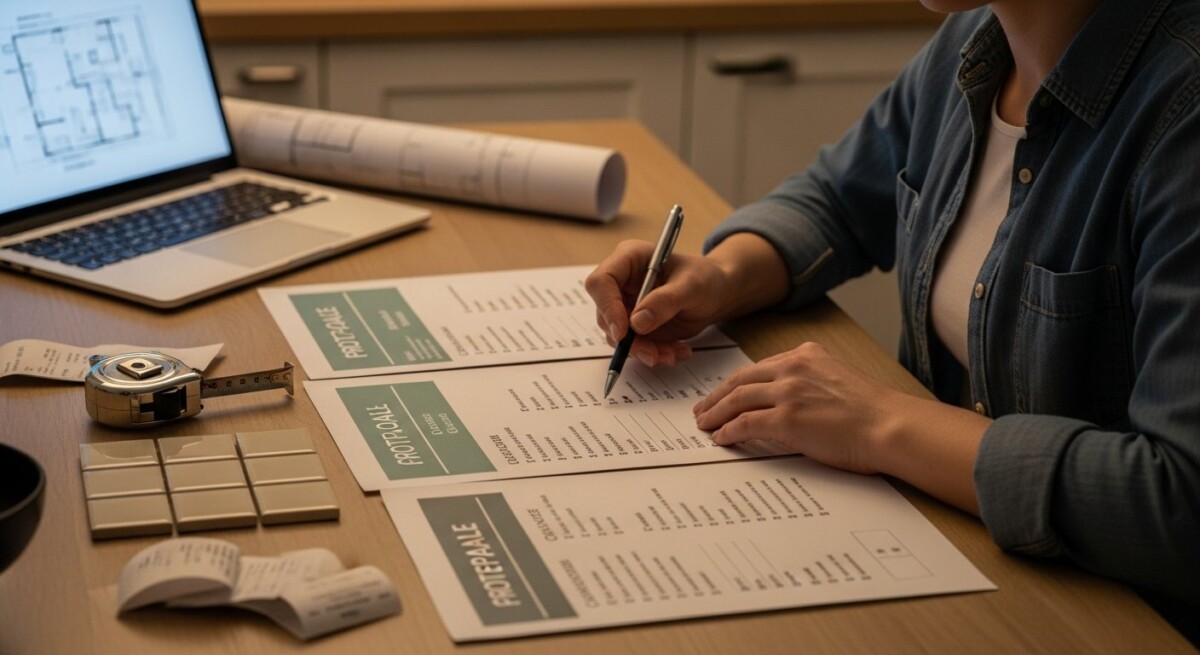
When you understand how to prepare for contractor estimate, you help the contractor provide a more precise bid. This preparation includes listing your concerns, measuring the affected area, and knowing your budget range. Homes that are older or have had previous DIY repairs often benefit the most from thorough preparation, because hidden issues may exist beneath the surface.
Why This Matters for Your Home
Your home is likely your largest investment. Ignoring a leaky roof, a cracked foundation, or outdated wiring does not make the problem disappear,it usually makes it worse. Water damage can spread, mold can grow, and structural issues can compromise safety. The longer you wait, the more expensive the repair becomes.
By learning how to prepare for contractor estimate, you take control of the situation. You reduce the risk of hiring someone who gives a vague quote and later adds hidden fees. You also protect your property value, because well-documented repairs and upgrades show future buyers that the home has been cared for properly.
If you notice signs of this issue in your home, it may help to speak with a qualified contractor. Request a free quote or call to explore your repair or remodeling options.
Common Problems Homeowners Experience
Homeowners often struggle with unclear communication when requesting estimates. Maybe you called three contractors but received wildly different prices, and you are not sure why. Or perhaps a contractor gave you a verbal estimate but never put anything in writing. These situations create confusion and make it hard to compare apples to apples.
Another common problem is not knowing what questions to ask. Many homeowners feel intimidated by technical terms like “permits,” “load-bearing walls,” or “HVAC load calculations.” Without a basic understanding, you might agree to work that is unnecessary,or skip work that is essential. In our guide on understanding home addition contractor estimates, we explain how to break down line items so you know exactly what you are paying for.
- Receiving estimates that lack detail or break down costs
- Feeling pressured to sign a contract immediately
- Not knowing whether the quote includes materials, labor, and permits
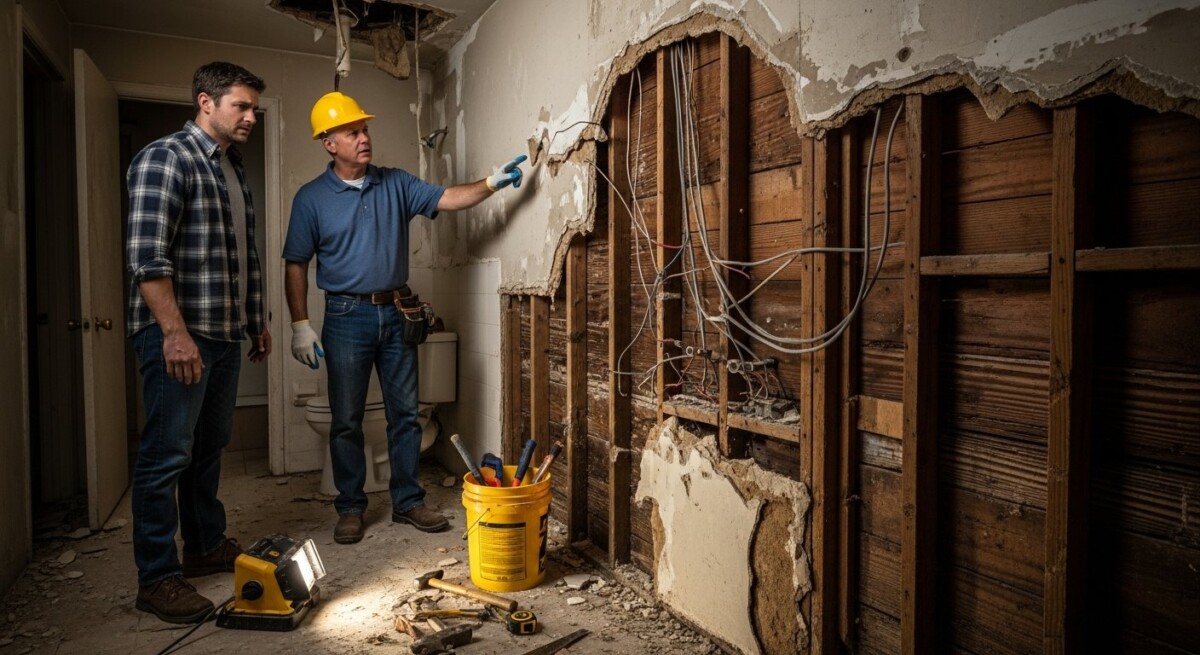
- Discovering hidden problems after work has already started
- Finding it difficult to schedule a contractor because you are unsure of your own timeline
- Realizing that the cheapest quote did not include essential safety measures
How Professionals Solve the Problem
Experienced contractors rely on preparation to give accurate estimates. When you know how to prepare for contractor estimate, you enable the professional to inspect thoroughly and identify potential obstacles. This upfront work saves both of you time and prevents mid-project change orders that drive up costs.
A typical process looks like this:
- Initial consultation: The contractor reviews your photos, notes, and description of the problem.
- On-site inspection: They measure spaces, check for underlying damage, and test systems like plumbing or electrical.
- Material and labor assessment: The contractor determines what materials you need and how many hours the job will take.
- Written estimate: You receive a detailed quote with line items, a timeline, and payment schedule.
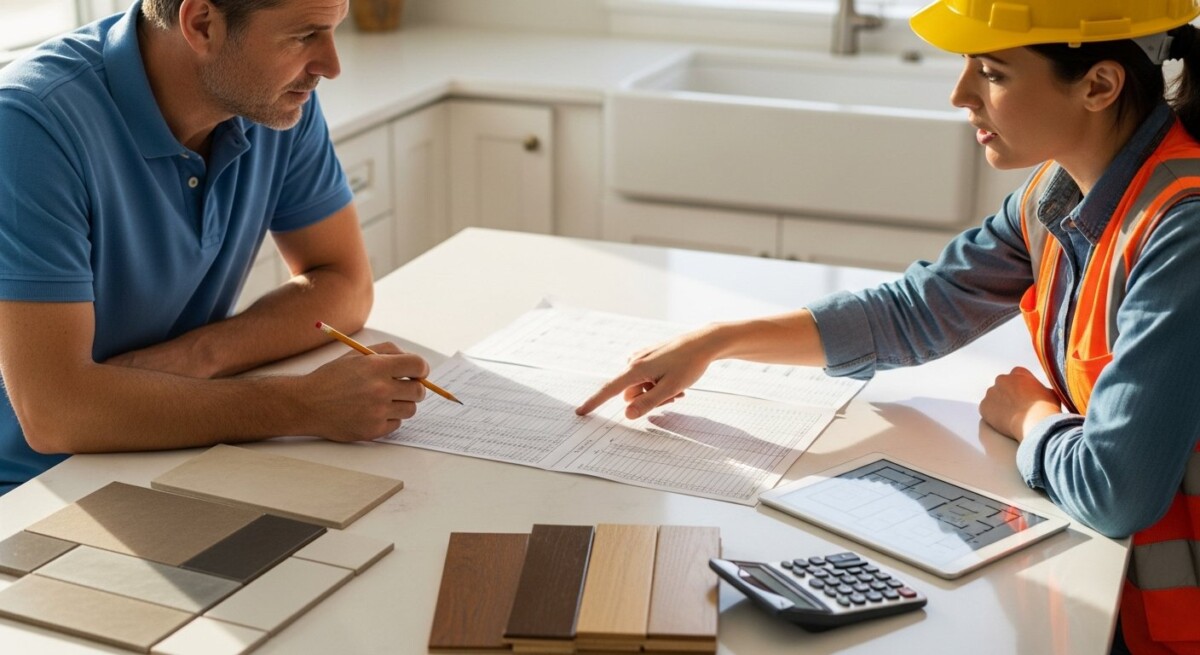
- Q&A and adjustments: You review the estimate together, ask questions, and clarify scope before signing.
Professional work is safer and more reliable than DIY fixes because contractors carry insurance, understand building codes, and have access to commercial-grade materials. They also guarantee their work, which gives you peace of mind.
A professional inspection can reveal hidden issues before they become expensive repairs. Learn how to negotiate a contractor estimate for your home or call to discuss your project.
Warning Signs You Should Not Ignore
Your home often gives you clues that something needs attention. Paying attention to these warning signs early can save you thousands of dollars. When you spot these indicators, you can start preparing your information for a contractor estimate right away.
- Water stains on ceilings, walls, or near windows
- Musty odors that suggest mold or moisture buildup
- Cracks in drywall, brick, or foundation that grow over time
- Doors or windows that stick or do not close properly
- Higher-than-normal energy bills without a clear reason
- Flooring that feels uneven, spongy, or slopes noticeably
Addressing these problems when they first appear often means a simpler, less expensive repair. Waiting until the damage is visible from the curb or affects your daily comfort usually requires a major renovation.
What Affects the Cost of Repairs or Installation
Several factors influence the final price of any home project. Understanding these variables helps you set realistic expectations and avoid sticker shock. When you know how to prepare for contractor estimate, you can ask the right questions about each cost driver.
The size of the repair matters. A small patch of drywall costs much less than replacing an entire ceiling. Material quality also plays a role,premium hardwood flooring costs more than laminate, but it lasts longer. Labor rates vary by region and by the complexity of the job. A simple light fixture swap costs less than rewiring a whole room.
Accessibility is another factor. If a contractor needs to move furniture, cut into walls, or work in a crawl space, the estimate will reflect those extra steps. Older homes may have outdated wiring or plumbing that requires upgrades to meet current codes. You can get a contractor estimate online for your home project to compare prices from multiple professionals quickly.
Costs can vary depending on the condition of your home. The best way to know the price is to get a personalized estimate. Request free quotes from contractors or call today.
How to Choose the Right Contractor
Selecting a contractor is one of the most important decisions you will make during your home project. The right professional delivers quality work on time and within budget. The wrong one can turn your dream renovation into a nightmare. Learn how to vet candidates before you commit.
- Verify that the contractor holds a valid license and liability insurance for your state.
- Read online reviews on platforms like Google, Yelp, and the Better Business Bureau.
- Ask for at least three detailed written estimates so you can compare scope and pricing.
- Request references from recent clients who had similar projects completed.
- Confirm that the contractor has experience with your specific type of repair or remodel.
A trustworthy contractor will welcome your questions and provide clear answers. If someone avoids giving you a written estimate or pressures you to sign immediately, consider that a red flag. Take your time, compare options, and choose the contractor who communicates clearly and respects your budget.
Long-Term Benefits of Professional Work
Investing in professional repairs and installations pays off in multiple ways. First, quality work improves your home’s safety. Properly installed electrical systems reduce fire risk, and correct structural repairs prevent collapses. Second, professional work often comes with warranties that protect you if something goes wrong later.
Energy efficiency is another major benefit. A contractor who seals windows correctly or installs proper insulation can lower your monthly utility bills. Over time, those savings offset the initial cost of the project. Additionally, finished basements, updated kitchens, and new roofs increase your home’s resale value, making your investment worthwhile when you decide to sell.
Finally, professional work reduces future maintenance. When a job is done right the first time, you spend less money on repairs down the road. You also gain peace of mind knowing that your home is in good condition and that you made a smart financial decision.
What information should I have ready before a contractor visits?
Gather photos of the problem area, measurements if possible, a list of your concerns, and an idea of your budget. Also have your schedule handy so you can discuss timing. The more details you provide, the more accurate the estimate will be.
How many contractor estimates should I get before deciding?
Most experts recommend getting at least three written estimates. This gives you a fair range of pricing and helps you spot outliers that are too high or unrealistically low. Comparing multiple quotes also shows you which contractors provide the most detail and transparency.
What is included in a standard contractor estimate?
A standard estimate includes a breakdown of labor costs, material costs, permit fees, and a timeline for completion. It should also specify payment terms, warranty information, and any conditions that could change the price. If an estimate lacks these details, ask the contractor to revise it.
Should I pay for a contractor estimate?
Many contractors offer free estimates for standard projects like roofing, painting, or bathroom remodels. However, some specialized inspections,such as structural engineering assessments,may come with a fee that is later credited toward the project. Always ask about estimate costs upfront.
How long does it take to receive a contractor estimate?
Simple estimates may arrive within 24 to 48 hours after the inspection. Larger or more complex projects can take up to a week because the contractor needs to calculate materials, labor, and subcontractor availability. If you have not heard back in a week, it is okay to follow up.
Can I negotiate a contractor estimate?
Yes, you can discuss pricing, especially if you have multiple quotes showing different price points. Contractors may adjust their bid if you are flexible on materials, timeline, or scope of work. Just be respectful and focus on finding a fair price rather than demanding the lowest possible number.
What happens if the contractor finds additional problems after work starts?
If hidden issues are discovered, the contractor should stop work and present you with a change order that details the new problem and the associated cost. You can then decide whether to proceed. A good contractor will communicate these findings clearly and give you options.
How do I know if a contractor is trustworthy?
Check their license and insurance, read online reviews, ask for references, and see if they are listed with your local Better Business Bureau. A trustworthy contractor will also provide a written contract, answer your questions patiently, and never demand full payment upfront.
Preparing for a contractor estimate is the first step toward a successful home repair or renovation. When you take time to gather information, understand your project, and compare multiple quotes, you set yourself up for a smoother experience. Do not wait until a small issue becomes a costly emergency. Start your research today, and reach out to qualified professionals who can help you protect your home and your budget.