
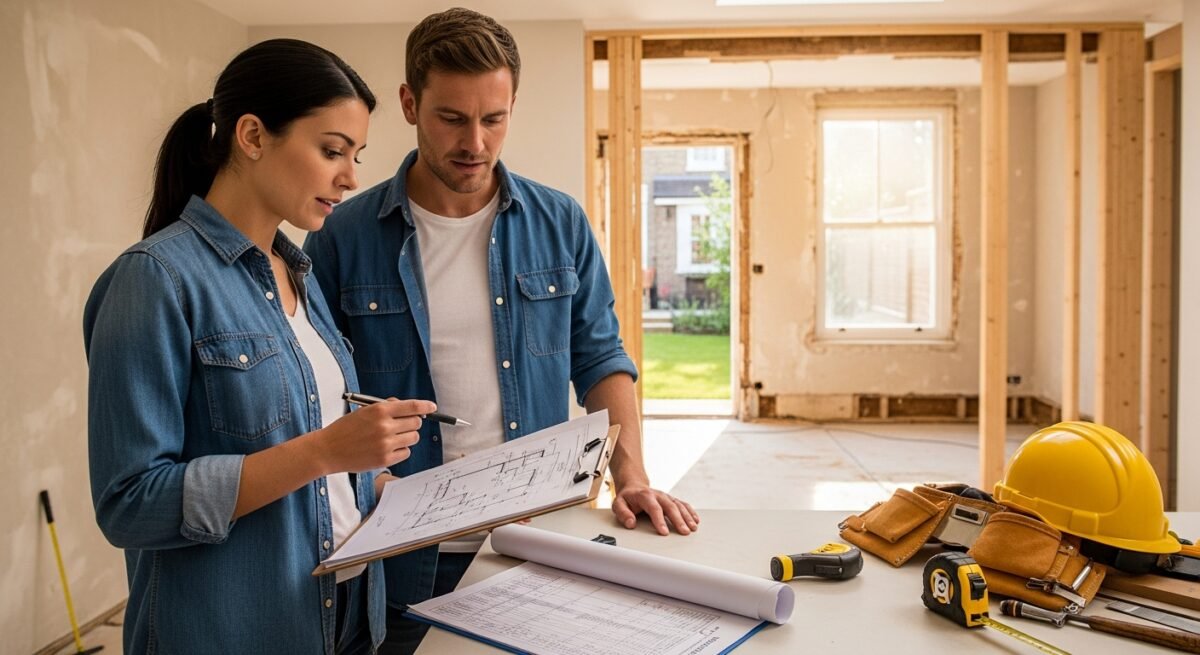
Your Guide to Working with an Insurance Repair Contractor
Navigate the insurance claims process with confidence. Learn how an insurance repair contractor restores your home after damage and advocates for your fair settlement.

By Elena John
Learn more about Water Damage Cleanup and Restoration for guides, costs, and what to expect.
Compare Water Damage Cleanup and Restoration Pros Near You

Enter your ZIP code to compare top-rated local professionals and request free quotes.
The storm has passed, the fire is out, or the pipe has finally stopped leaking. Now you’re left staring at the damage to your home, holding an insurance claim, and wondering what happens next. The process of restoring your home after a disaster can feel overwhelming, especially when you’re navigating insurance paperwork, adjusters, and the need for high-quality repairs. This is where a skilled insurance repair contractor becomes your most important partner.
Protect your claim and restore your home. Call 📞833-365-8755 or visit Choose Your Contractor for a free consultation with an insurance repair specialist.
What Is an Insurance Repair Contractor?
An insurance repair contractor is a specialized professional who handles the restoration and repair of property damage covered by an insurance policy. They are not just general contractors; they are experts in working within the insurance claims process. Their role bridges the gap between you, the homeowner, and your insurance company.
They manage the entire repair project from start to finish, ensuring the work meets both insurance standards and local building codes. Think of them as your project manager, advocate, and skilled builder all in one. They understand the language of insurance estimates and can provide detailed documentation that supports your claim.
The Key Difference from a General Contractor
While a general contractor can build or remodel, an insurance repair contractor specializes in damage caused by specific, sudden events like water, fire, wind, or hail. They are adept at working with insurance adjusters, interpreting the scope of loss in your claim, and performing repairs that align with the insurance company’s requirements for coverage and reimbursement.
Why It Matters for Homeowners
Choosing the right professional for insurance repairs directly impacts your financial recovery and your home’s long-term value. An experienced contractor ensures you receive the full, fair settlement you’re entitled to under your policy. They prevent underpayment by identifying all necessary repairs that an adjuster might initially miss.
Perhaps most importantly, they provide peace of mind. Dealing with damage is stressful enough without having to coordinate multiple tradespeople, argue over estimates, or worry if hidden damage will surface later. A dedicated insurance repair contractor handles these complexities for you, allowing you to focus on your family’s well-being. For other major home projects, like updating your home’s exterior, the principles of finding a specialized pro are similar, as outlined in our guide to choosing a landscaping contractor.
Ultimately, proper restoration protects your investment. Quality repairs prevent future problems like mold, structural weakness, or recurring leaks, which could lead to more costly repairs down the line and potential disputes with your insurer.
Common Issues and Their Causes
Insurance repair contractors most frequently deal with damage from sudden, accidental events. These are not issues from normal wear and tear, but from specific perils typically covered by homeowners insurance policies.
Water damage is one of the most common calls. It can stem from burst pipes, appliance failures, or storm-related roof leaks. If not addressed completely and immediately, it leads to secondary damage like mold and wood rot. Wind and hail storms cause another major category of issues, damaging roofs, siding, windows, and gutters.
Other frequent causes include:
- Fire and Smoke Damage: From kitchen fires to electrical faults, requiring cleaning, odor removal, and reconstruction.
- Falling Objects or Impact: Such as a tree limb damaging a roof or a vehicle hitting a structure.
- Theft or Vandalism: Repairing broken windows, doors, or other property damage resulting from a break-in.
How Professionals Fix the Problem
The process for an insurance repair contractor is methodical and designed to satisfy both the homeowner and the insurance provider. It begins with a thorough assessment and documentation of all damage, which forms the basis for the repair estimate.
Next, they communicate directly with your insurance adjuster. They present their detailed estimate, discuss the scope of work, and ensure everyone agrees on what needs to be done and what it will cost. Once approved, they obtain all necessary permits and manage the entire construction timeline.
The repair phase follows a logical order:
- Mitigation: Stopping further damage (e.g., tarping a roof, water extraction).
- Demolition & Removal: Safely removing unsalvageable materials.
- Reconstruction: Rebuilding and replacing damaged structures with quality materials.
- Final Review: A detailed walk-through with you to ensure complete satisfaction.
Signs You Should Not Ignore
After any damaging event, some problems are obvious, but others can be subtle. Ignoring small signs can lead to bigger, uncovered claims later. If you notice any of the following, it’s time to call your insurer and an insurance repair contractor.
A key indicator is water where it shouldn’t be. Stains on ceilings or walls, warping floors, or a musty smell often point to a hidden leak. After a storm, don’t just look for missing shingles; check for granules in your gutters or dents on your siding and vents, which indicate hail impact.
Protect your claim and restore your home. Call 📞833-365-8755 or visit Choose Your Contractor for a free consultation with an insurance repair specialist.
- Visible Structural Cracks: New cracks in walls, ceilings, or your foundation after an event.
- Electrical Issues: Newly malfunctioning outlets, switches, or circuit breakers.
- Doors/Windows That Stick: Sudden difficulty opening doors or windows can signal frame shifting.
- Spots on Exterior Surfaces: Circular marks on roofing or siding often mean hail hits.
Cost Factors and What Affects Pricing
Insurance repair costs are determined by the scope of damage and your policy coverage, not by a standard rate. The primary factor is the extent of damage. A small kitchen fire requires less repair than one that spreads to other rooms. Similarly, a roof repair is less costly than a full replacement.
Materials and labor significantly influence price. High-quality, code-compliant materials and skilled, insured labor are essential for lasting repairs. Your location and local building codes also play a role, as permit costs and material prices vary. The process of understanding detailed estimates is crucial, much like when reviewing a detailed electrical repair quote for a major home system.
Remember, with an insurance claim, your out-of-pocket cost is typically just your deductible. A reputable insurance repair contractor works to ensure the insurance settlement covers all necessary work, so you aren’t left paying for uncovered items.
How To Choose the Right Professional or Service
Selecting your contractor is the most critical decision in the restoration process. Always verify they are licensed, bonded, and insured for general contracting and restoration work. Look specifically for experience with insurance claims and ask for references from past insurance repair jobs.
Choose a contractor who communicates clearly and is willing to explain every step. They should offer a detailed, written estimate and a clear contract. Be wary of anyone who asks for full payment upfront or who pressures you to sign quickly. A true professional, whether for foundation work or insurance repairs, prioritizes clear communication and transparency, as emphasized in our guide to finding a trusted foundation contractor.
Long-Term Benefits for Your Home
Investing in proper, professional insurance repairs delivers lasting value. First and foremost, it restores your safety and security. A structurally sound, weather-tight home protects your family. It also preserves and can even increase your property value, as documented repairs are a plus for future buyers.
Correct repairs prevent recurring issues, saving you money and hassle for years to come. They also ensure your home remains insurable. Insurance companies may deny future claims or even cancel policies if previous damage wasn’t repaired to industry standards. Finally, it gives you the peace of mind that your largest investment has been restored correctly.
Frequently Asked Questions
Do I have to use the contractor my insurance company recommends?
No, you have the right to choose your own contractor. While you can use their referral, it’s important to select a contractor you trust and who will represent your interests throughout the repair process.
Who pays the insurance repair contractor?
Typically, the insurance company issues payment directly to you (the policyholder) for the repair costs, minus your deductible. You then pay the contractor. Some contractors may work with you on assignment of benefits, but the payment structure should be clear in your contract.
What if the contractor’s estimate is higher than the insurance estimate?
This is common. A professional contractor will provide a detailed estimate and communicate directly with your insurance adjuster to justify the necessary costs. This process, called a “supplement,” ensures the insurance company covers the full scope of required repairs.
How long do insurance repairs usually take?
The timeline depends entirely on the extent of damage. A small repair may take days, while a major restoration after a fire can take several months. Your contractor should provide a projected timeline after the initial assessment.
Are insurance repairs guaranteed?
A reputable insurance repair contractor will provide a warranty on their workmanship and the materials they install. Always ask for warranty details in writing before work begins.
What should I do while waiting for the contractor to start?
Take photos and videos of all damage, prevent further damage if it’s safe to do so (like placing a bucket under a leak), and keep records of any expenses related to the loss. Avoid making permanent repairs until the adjuster has seen the damage.
Can I do some of the work myself to save money?
It’s generally not advisable. Your insurance settlement is for professional repairs that restore your home to its pre-loss condition. DIY work could affect your coverage, violate building codes, and potentially lead to future claim denials.
What if I find more damage during the repairs?
This is known as “hidden damage” and is common. Your contractor should immediately halt work on that area, document the new damage, and contact your insurance adjuster to amend the claim and secure additional funds for the necessary repairs.
Facing property damage is challenging, but you don’t have to navigate the insurance and repair process alone. By partnering with a qualified insurance repair contractor, you gain an expert advocate who ensures your home is restored properly, your claim is handled fairly, and you can return to normal life with confidence and peace of mind.
Protect your claim and restore your home. Call 📞833-365-8755 or visit Choose Your Contractor for a free consultation with an insurance repair specialist.
Learn more about Water Damage Cleanup and Restoration for guides, costs, and what to expect.
Compare Water Damage Cleanup and Restoration Pros Near You
Enter your ZIP code to compare top-rated local professionals and request free quotes.