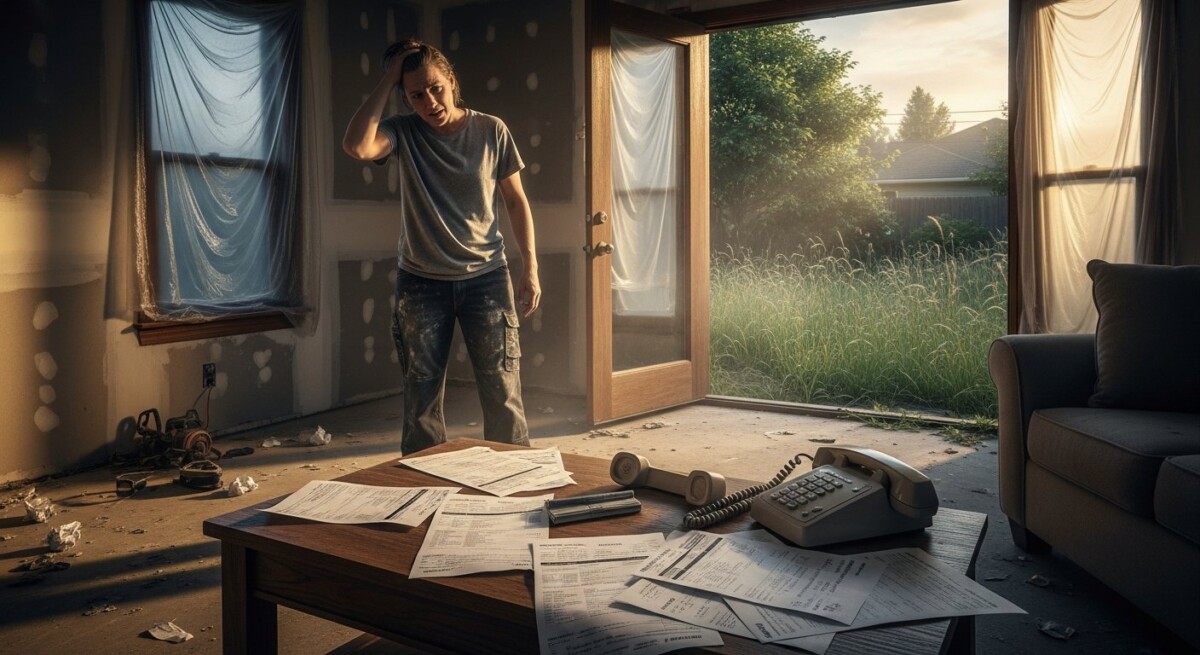
Poor Quality Contractor Work: What Homeowners Must Do Now
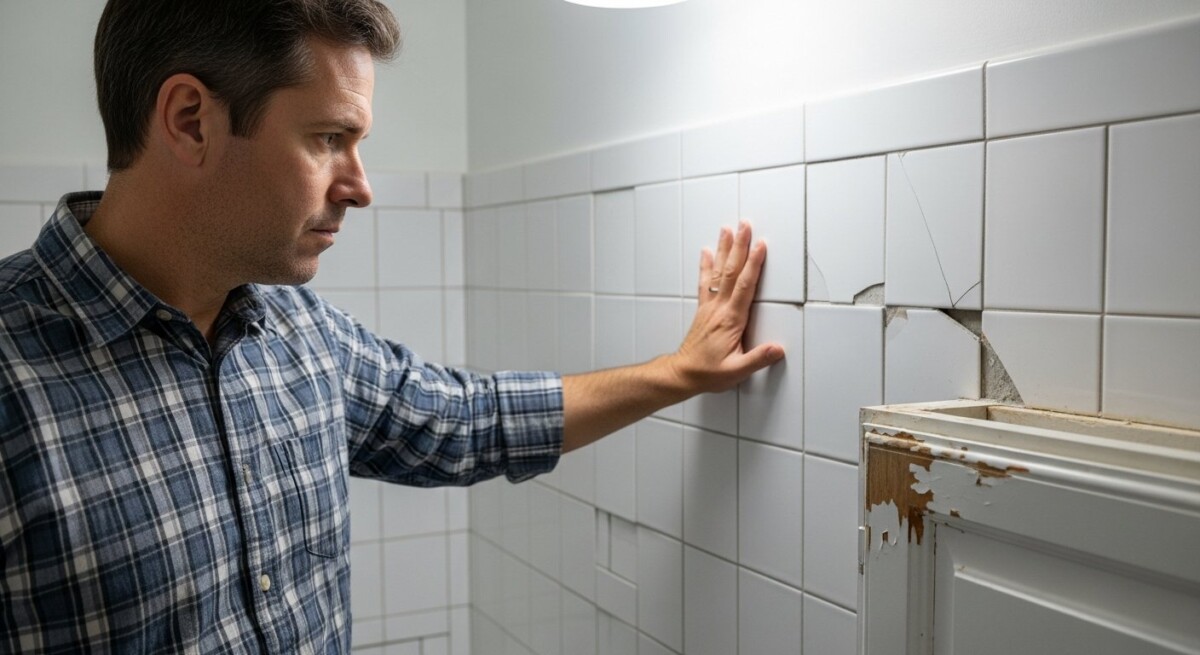
You hired a contractor to remodel your bathroom, fix a leaky roof, or refinish your basement. The job is done, but something feels wrong. The tiles are uneven, the paint is already peeling, or a new crack has appeared in the driveway. You start wondering: what if contractor does poor quality work? It is a frustrating and stressful situation that many homeowners face. Ignoring shoddy work can lead to bigger problems like water damage, safety hazards, or a drop in property value. The good news is that you have options to make things right.
Understanding What If Contractor Does Poor Quality Work
Poor quality work means the finished project does not meet basic standards of safety, durability, or appearance. It can happen when a contractor lacks experience, uses cheap materials, cuts corners to save time, or simply does not care about the outcome. Even a well-reviewed crew can deliver disappointing results if they rush through a job or fail to follow proper building codes.
Homes of any age or style can be affected, but older homes and large renovation projects are especially vulnerable. When you are spending thousands of dollars on a new roof or kitchen remodel, you expect the work to last. Poor craftsmanship not only wastes your money but also creates hidden issues that may not show up for months or years.
Why Poor Work Happens More Often Than You Think
Some contractors bid low to win the job, then cut costs by using substandard materials or skipping essential steps like waterproofing or proper insulation. Others simply take on more projects than they can handle and rush through yours. Without a clear contract or regular inspections, it is easy for mistakes to go unnoticed until it is too late.
Why This Matters for Your Home
Poor quality work is not just an eyesore. It can damage your home’s structure, create safety risks for your family, and lower your comfort level. A badly installed roof might leak during the next storm, ruining your attic insulation and ceilings. Faulty electrical work can spark a fire. Even cosmetic problems like bubbling paint or uneven flooring can signal deeper moisture issues or foundation movement.
The longer you wait to address poor workmanship, the more expensive the fixes become. A small patch of water damage today can turn into a full mold remediation project next year. What might cost a few hundred dollars to repair now could cost thousands if you delay. Protecting your home means acting quickly when you spot signs of trouble.
If you notice signs of this issue in your home, it may help to speak with a qualified contractor. Request a free quote or call (555) 123-4567 to explore your repair or remodeling options.
Common Problems Homeowners Experience
When a contractor does poor work, the problems can show up in many ways. Some are obvious right away, while others develop slowly over time. Recognizing these issues early helps you decide whether to call the original contractor back or hire a new professional to fix the mistakes.
Here are some of the most common problems homeowners report after a poor-quality renovation or repair:
- Uneven or misaligned tiles, cabinets, or countertops
- Gaps around windows, doors, or baseboards that let in drafts
- Paint that bubbles, chips, or peels within a few months
- Water stains on ceilings or walls near a new roof or plumbing
- Doors that stick, floors that creak, or walls that feel soft
- Cracks in concrete driveways, patios, or garage floors
Any of these signs should raise a red flag. Even one issue can indicate that the contractor did not follow best practices or use quality materials. In our guide on poor quality contractor work, we explain how to document the problems and take the next steps.
How Professionals Solve the Problem
Experienced contractors know how to diagnose the root cause of poor workmanship and fix it correctly the first time. They start with a thorough inspection, looking not just at the visible flaws but also at hidden areas that may have been affected. For example, if your new shower leaks, a professional will check the waterproofing membrane, drain connections, and tile grout rather than simply patching the leak.
Here is a typical process a professional contractor follows to correct poor quality work:
- Inspection and assessment: They examine the problem area, take photos, and identify all code violations or material defects.
- Scope of repair: They create a detailed plan for what needs to be removed, replaced, or rebuilt to meet safety and quality standards.
- Material selection: They recommend durable, code-compliant materials that match your home’s style and budget.
- Professional installation: They perform the repair using proper techniques, from surface prep to final finishing.
- Quality check: They test the work (e.g., running water, checking seals, testing electrical outlets) and ensure everything functions correctly.
Hiring a professional to fix poor work is almost always safer and more reliable than trying to patch it yourself. A skilled contractor carries insurance, knows local building codes, and stands behind their work with a warranty. You get peace of mind and a home that is safe and comfortable.
A professional inspection can reveal hidden issues before they become expensive repairs. Compare contractor quotes here or call (555) 123-4567 to discuss your project.
Warning Signs You Should Not Ignore
Some warning signs are easy to overlook, especially if you are excited about a newly finished space. But catching problems early can save you from much bigger headaches later. Pay attention to anything that seems off, no matter how small. Your instincts are often right.
Here are warning signs that suggest poor quality work and may require immediate attention:
- Visible gaps or cracks that appear within days of completion
- Water pooling where it should not be, like around a new sink or shower base
- Electrical outlets that feel warm, spark, or do not hold plugs securely
- Strange smells, especially musty odors that suggest trapped moisture
- Unusually high energy bills after new windows or insulation were installed
- Contractor who is hard to reach, makes excuses, or refuses to come back
If you notice any of these signs, do not wait. The longer you delay, the more likely the problem will spread. A quick professional opinion can tell you whether you need a simple fix or a full redo.
What Affects the Cost of Repairs or Installation
The cost to fix poor quality work varies widely depending on what went wrong and how extensive the damage is. A small cosmetic fix like repainting a room might cost a few hundred dollars, while tearing out and replacing a badly installed roof can run several thousand. Understanding the factors that influence pricing helps you budget and compare quotes fairly.
Key factors that affect repair costs include:
- Size of the project: Larger areas like a full basement or entire roof cost more to fix than a single bathroom or wall.
- Materials needed: Premium materials like hardwood, natural stone, or high-end roofing cost more than basic alternatives.
- Labor requirements: Complex repairs that require specialized skills (e.g., structural framing, electrical rewiring) take more time and cost more.
- Accessibility: Work in tight crawl spaces, high roofs, or finished interiors is harder to access and may require protective measures.
- Age of your home: Older homes may have outdated wiring, plumbing, or framing that adds complexity and cost to repairs.
Costs can vary depending on the condition of your home. The best way to know the price is to get a personalized estimate. Request free quotes from contractors or call (555) 123-4567 today.
How to Choose the Right Contractor
Finding a reliable contractor to fix poor work,or to handle your next project,requires some homework. Not all contractors are created equal, and the cheapest bid is rarely the best choice. Taking a few extra steps upfront can save you from repeating the same mistakes.
Here are practical tips for choosing a contractor you can trust:
- Check licenses and insurance: Verify that the contractor is licensed in your state and carries general liability and workers’ compensation insurance.
- Read customer reviews: Look for recent reviews on Google, Yelp, or the Better Business Bureau. Pay attention to comments about communication, timeliness, and quality.
- Ask for detailed estimates: A written estimate should break down labor, materials, permits, and timeline. Avoid vague quotes that just list a total price.
- Compare multiple quotes: Get at least three quotes from different contractors. This gives you a realistic range and helps you spot unusually low or high bids.
- Confirm experience with similar projects: Ask for photos or references from past jobs that match your project type and size.
Taking these steps helps ensure you hire someone who will do the job right the first time. It also gives you leverage if something goes wrong later,you will have documentation and a clear contract to refer to.
Long-Term Benefits of Professional Work
Investing in professional repairs or a new installation pays off in many ways beyond just fixing the immediate problem. Quality work protects your home, saves you money over time, and makes your home more enjoyable to live in. These benefits are worth the extra cost of hiring a skilled contractor.
Here are the long-term advantages of professional work:
- Improved safety: Proper installation of electrical, plumbing, and structural elements reduces fire, flood, and collapse risks.
- Better durability: Quality materials and techniques mean your repair or renovation will last for decades, not just a few years.
- Energy efficiency: Correctly installed insulation, windows, and HVAC systems lower your energy bills and keep your home comfortable year-round.
- Increased home value: A well-done renovation adds resale value and makes your home more attractive to future buyers.
- Reduced future maintenance: Professional work requires fewer repairs and less frequent upkeep, saving you time and money.
Frequently Asked Questions
Can I refuse to pay a contractor for poor quality work?
Yes, you can withhold payment if the work does not meet the contract terms. However, you must document the issues in writing and give the contractor a chance to fix them. If they refuse, you may need to take legal action or file a complaint with your state’s licensing board.
How do I document poor quality work for a dispute?
Take clear photos and videos of the problem areas. Write down dates, conversations, and any promises the contractor made. Keep copies of your contract, invoices, and communication (texts, emails). This evidence is crucial if you need to file a claim or go to court.
Should I hire the same contractor to fix the problems?
Only if they are willing to correct the issues at no extra cost and you trust them to do better work. If they were careless or unprofessional the first time, it is usually safer to hire a different, more reputable contractor.
What is the difference between poor quality work and normal wear and tear?
Poor quality work shows defects soon after completion, such as cracks, leaks, or peeling. Normal wear and tear happens gradually over years of use. If a problem appears within months of a renovation, it is likely due to poor workmanship.
Can I sue a contractor for poor quality work?
Yes, you can sue for breach of contract or negligence. Small claims court is an option for amounts under a certain limit (usually $5,000,$10,000 depending on your state). For larger claims, consult a construction attorney.
Does home insurance cover poor quality work?
Generally no. Home insurance covers sudden, accidental damage (like a storm or fire), not mistakes made by a contractor. You would need to pursue the contractor or their insurance to recover costs.
How much does it cost to fix poor quality contractor work?
Costs vary widely. Minor fixes like repainting or fixing a door might cost $200,$800. Major repairs like redoing a roof or bathroom can range from $3,000 to $15,000 or more. Getting multiple quotes gives you a realistic picture.
How can I avoid poor quality work in the future?
Always check licenses, read reviews, get detailed written contracts, and never pay the full amount upfront. Stagger payments based on completed milestones, and inspect the work at each stage before releasing funds.
Dealing with poor quality contractor work is stressful, but you do not have to face it alone. By acting quickly, documenting the problems, and hiring a trusted professional, you can protect your home and your investment. Before starting any new project or repair, take the time to compare contractor quotes and choose someone with a proven track record. Your home deserves work that is safe, durable, and beautiful.