What If Contractor Does Poor Quality Work: A Homeowner’s Guide
You hired a contractor to remodel your kitchen, fix a leaky roof, or finish your basement. The crew packed up, cashed the final check, and drove away. Now, a few weeks later, you notice a new crack in the drywall, a door that sticks, or a patch of flooring that buckles. Your stomach drops. You start wondering, what if contractor does poor quality work , and you’re already living with the results. This situation is more common than most homeowners realize, and the longer you wait to address it, the more complicated and expensive the fix becomes.
Understanding What If Contractor Does Poor Quality Work
Poor quality work happens when a contractor cuts corners, uses substandard materials, or lacks the necessary skills to complete the job correctly. It’s not always obvious on day one. Sometimes the issues are hidden behind walls, under floors, or inside mechanical systems. You might only notice the problem when the paint starts peeling or the new deck begins to wobble.
Homes of any age can be affected by poor workmanship, but older homes or properties with multiple past renovations are especially vulnerable. When a contractor fails to follow building codes or ignores proper installation methods, the entire structure can be compromised. Understanding what if contractor does poor quality work means recognizing that the problem isn’t just cosmetic , it can affect your home’s safety, efficiency, and long-term value.
Why Does Poor Quality Work Happen?
Some contractors bid too low to win the job and then rush through the work to save money. Others simply lack the experience to handle complex projects. A few may not carry proper insurance or licensing, which leaves you with little recourse if something goes wrong. In many cases, homeowners unknowingly hire unqualified workers because they didn’t compare multiple quotes or check references.
Why This Matters for Your Home
Ignoring poor quality work can turn a small annoyance into a major liability. Water leaks behind a poorly installed shower can rot the subfloor and create mold. An improperly wired basement can pose a fire hazard. Even something as simple as a sagging gutter can lead to foundation damage over time. The cost of fixing these problems later is often three to five times higher than what you would have paid to do it right the first time.
Your home is likely your most valuable asset. When a contractor delivers subpar results, your property loses value and safety. Comfort also takes a hit , drafty windows, uneven floors, and sticking doors are daily reminders of a job poorly done. Taking action early protects your investment and gives you peace of mind.
If you notice signs of this issue in your home, it may help to speak with a qualified contractor. Request a free quote or call to explore your repair or remodeling options.
Common Problems Homeowners Experience
When a contractor does poor quality work, the problems can show up in many parts of your home. You might see uneven paint lines, gaps in tile grout, or doors that don’t latch properly. In more serious cases, you could find water stains on the ceiling, electrical outlets that don’t work, or a new deck that feels unstable.
These issues often appear gradually. A small crack in the foundation might widen over several seasons. A poorly sealed window may cause drafts only when the temperature drops. By the time you realize the full extent of the problem, the contractor may be long gone or unreachable.
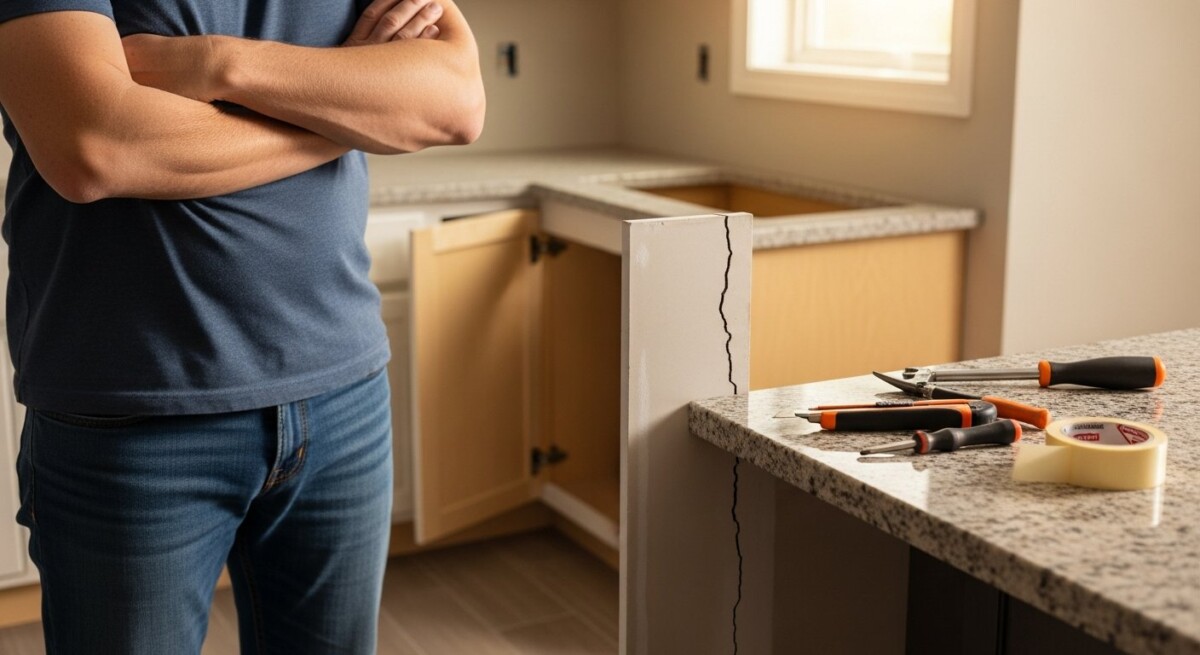
- Cracks in drywall, tile, or concrete within weeks of installation
- Doors or windows that stick, scrape, or fail to close properly
- Water stains, peeling paint, or bubbling wallpaper after a renovation
- Uneven flooring or surfaces that slope or bounce
- Electrical outlets that spark, trip breakers, or don’t work
- Gutters that sag, leak, or pull away from the house
How Professionals Solve the Problem
Experienced contractors start by assessing the full scope of the damage. They don’t just patch the visible issue , they look for underlying causes. For example, if a bathroom tile is cracking, a professional will check the waterproofing behind it. If a roof is leaking, they’ll inspect the flashing, underlayment, and ventilation system.
Once the problem is identified, a professional contractor follows a methodical process to repair or redo the work. This approach ensures the fix lasts and meets current building codes. In our guide on what is a detailed scope of work, we explain how defining the project clearly upfront prevents misunderstandings and poor results.
- Conduct a thorough inspection, including hidden areas like attics, crawlspaces, and wall cavities
- Provide a written estimate that details the materials, labor, and timeline needed for the repair
- Secure necessary permits and schedule the work to minimize disruption to your home
- Remove and dispose of any faulty materials or installations
- Install new components using manufacturer specifications and industry best practices
- Perform a final walkthrough with you to confirm the work meets your expectations
Professional work is safer and more reliable than DIY fixes because contractors carry insurance, follow building codes, and have experience solving unexpected problems. When you hire a qualified pro, you get a warranty on both materials and labor , something you won’t get from a handyman or a low-bid contractor.
A professional inspection can reveal hidden issues before they become expensive repairs. Compare contractor quotes here or call to discuss your project.
Warning Signs You Should Not Ignore
Your home often gives you clues that something isn’t right. Pay attention to changes in how things look, feel, or sound. A creaky floorboard, a musty smell in the basement, or a sudden spike in your energy bill can all point to poor workmanship. Early detection is your best defense against costly repairs.
Don’t assume the problem will go away on its own. Poor quality work tends to worsen over time. What starts as a small leak can rot the subfloor. A loose electrical connection can become a fire hazard. By catching these signs early, you can save money and avoid major disruptions to your home life.
- Visible gaps between trim, baseboards, or cabinets and the wall
- Nails popping out of drywall or siding
- Drafts or temperature differences between rooms after insulation work
- Plumbing fixtures that drip, drain slowly, or make banging noises
- Concrete that crumbles, cracks, or settles unevenly
- Paint or stain that peels, blisters, or fades within months
What Affects the Cost of Repairs or Installation
The cost to fix poor quality work depends on several factors. The size of the project matters , repairing a single cracked tile is cheaper than redoing an entire bathroom floor. The materials needed also influence price; custom cabinetry or natural stone will cost more to replace than standard laminate or ceramic tile.
Labor requirements and accessibility play a big role too. A repair that requires opening up a wall or removing existing fixtures takes more time and skill. The age of your home can also affect costs, because older homes may have outdated wiring, plumbing, or structural components that need to be brought up to code. Understanding how contractor quotes work helps you compare estimates accurately and avoid surprises.
Costs can vary depending on the condition of your home. The best way to know the price is to get a personalized estimate. Request free quotes from contractors or call today.
How to Choose the Right Contractor
Finding the right contractor is the most important step in avoiding poor quality work. Start by getting at least three quotes for your project. Don’t automatically choose the lowest bid , it often means the contractor is cutting corners or using cheap materials. Instead, compare the scope of work, the materials listed, and the timeline offered.
Before you hire anyone, do your homework. Ask for proof of licensing and insurance. Read online reviews on platforms like Google, Yelp, or the Better Business Bureau. A reputable contractor will gladly provide references from past clients. If a contractor is reluctant to share this information, consider it a red flag.
- Verify the contractor’s license is current and valid for your state or county
- Request proof of general liability and workers’ compensation insurance
- Read recent customer reviews and ask for references from similar projects
- Ask for a detailed written estimate that breaks down materials, labor, and permits
- Confirm the contractor has experience with your specific type of project
Long-Term Benefits of Professional Work
When you invest in professional work, you’re buying more than just a repair , you’re buying peace of mind. A properly installed roof, foundation, or kitchen will last for decades with minimal maintenance. Professional contractors use high-quality materials and follow best practices that protect your home from the elements and daily wear.
Quality work also improves your home’s energy efficiency. Proper insulation, sealed windows, and correctly installed HVAC systems reduce your utility bills year after year. And when it comes time to sell, a home with a history of professional renovations will appraise higher and sell faster than one with DIY or subpar work.
Finally, professional work reduces future maintenance. A deck built with proper fasteners and treated lumber won’t need to be replaced in five years. A bathroom with correct waterproofing won’t develop mold. By choosing a skilled contractor, you save time, money, and frustration down the road.
Frequently Asked Questions
What should I do if a contractor did poor quality work?
Document the issues with photos and written notes. Review your contract to see what was promised. Contact the contractor and give them a chance to fix the problem. If they refuse or can’t be reached, file a complaint with your state’s licensing board and consider hiring a different contractor to assess and repair the damage.
Can I sue a contractor for poor workmanship?
Yes, you can take legal action if the contractor breached the contract or violated building codes. However, lawsuits can be time-consuming and expensive. It’s often more practical to first try mediation or file a complaint with your state’s contractor licensing board. Many states have funds to compensate homeowners for defective work up to a certain amount.
How do I know if contractor work is bad?
Look for signs like uneven surfaces, gaps, poor paint coverage, doors that don’t close properly, or leaks. Bad work often violates building codes or manufacturer instructions. If something feels off , even if you can’t name it , trust your instincts and have a second contractor inspect the work.
Will my homeowners insurance cover poor contractor work?
Standard homeowners insurance usually does not cover faulty workmanship or materials. It may cover damage caused by the poor work, such as water damage from a leaky roof, but not the cost of redoing the installation itself. Check your policy and ask your agent about coverage limits.
How can I prevent hiring a bad contractor?
Always get multiple written quotes. Check licenses, insurance, and references. Read the contract carefully before signing. Avoid contractors who demand full payment upfront or only accept cash. Use a detailed scope of work to define exactly what you expect , our guide on scope of work for a contractor can help you get started.
What is the average cost to fix poor quality work?
Costs vary widely based on the project and the extent of the damage. Minor fixes like repainting or replacing a few tiles might cost a few hundred dollars. Major repairs like redoing a roof or foundation can cost thousands. The best way to budget is to get at least three estimates from licensed contractors.
Can I leave a bad review for a contractor who did poor work?
Yes, you can leave an honest review on platforms like Google, Yelp, or the Better Business Bureau. Stick to the facts , describe what work was done, what went wrong, and how the contractor responded. Avoid emotional language or personal attacks, as this protects you from potential defamation claims.
How long do I have to file a complaint about poor contractor work?
The time limit, known as the statute of limitations, varies by state. It typically ranges from one to six years for breach of contract or negligence claims. Check with your state’s contractor licensing board or a legal professional to understand the deadline for your situation.
No one expects to hire a contractor and end up with poor quality work. But if it happens, you have options. The key is to act quickly, gather information, and talk to professionals who can help. Comparing contractor quotes gives you the information you need to make a confident decision and get your home back in good shape.