
Steps to Take When a Contractor Damages Your Property
Steps to take when contractor damages your property: document, notify, file a claim, and recover repair costs without draining your wallet.

By Elena John
Learn more about Home Inspection for guides, costs, and what to expect.
Compare Home Inspection Pros Near You

Enter your ZIP code to compare top-rated local professionals and request free quotes.
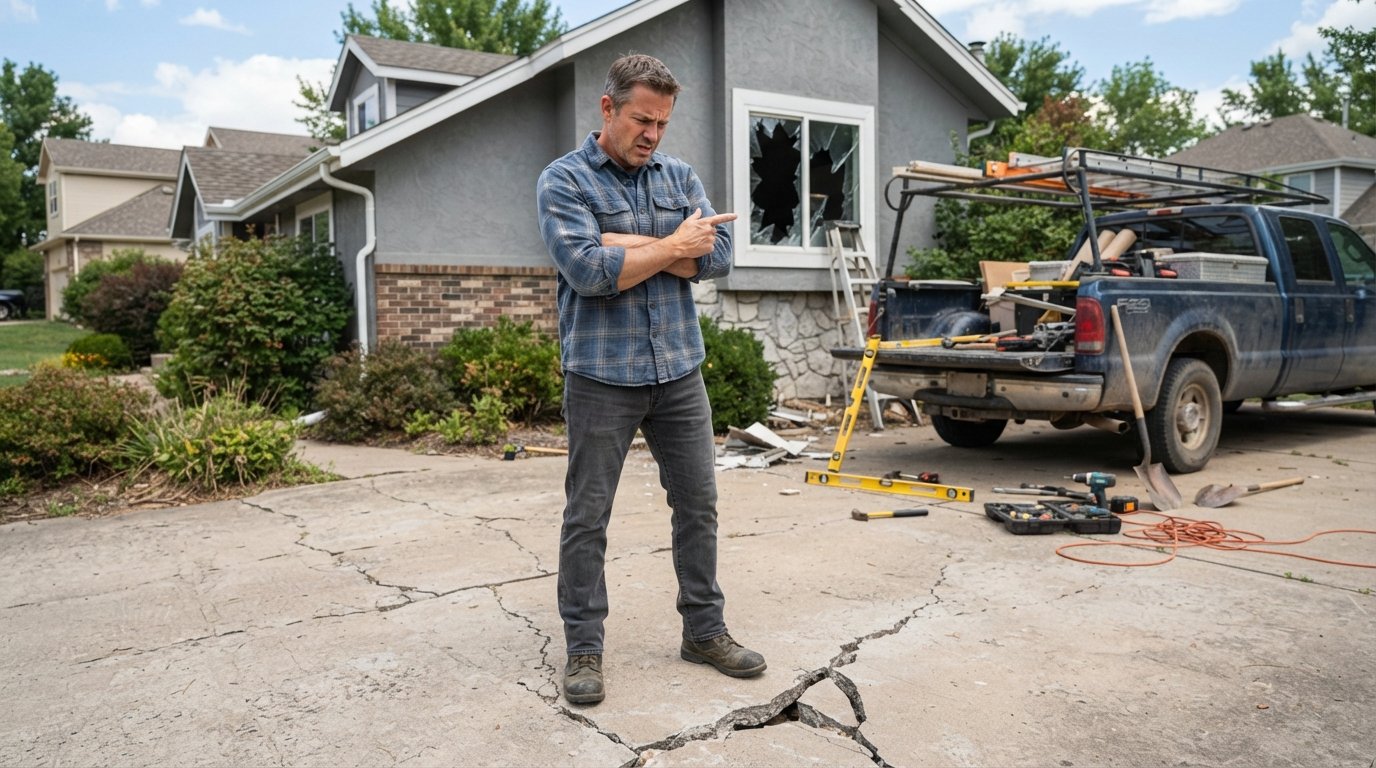
You hired a contractor to fix your home, and now there is a fresh crack in your driveway, a broken window, or a gouged hardwood floor. The frustration is real, but what you do in the next few hours can make the difference between a smooth resolution and a costly legal battle. Whether the damage was caused by a careless worker, faulty equipment, or an honest accident, you have specific rights and responsibilities as a homeowner. This guide walks you through the exact steps to take when contractor damages your property, from documenting the scene to filing an insurance claim and, if necessary, pursuing legal action.
1. Ensure Safety and Prevent Further Damage
Before you focus on the damage itself, make sure everyone is safe. If the damage involves exposed wiring, a gas leak, structural instability, or standing water, evacuate the area and call emergency services if needed. Your personal safety and that of your family always comes first. Once the immediate danger is addressed, take reasonable steps to prevent the damage from getting worse. For example, if a contractor broke a window, cover it with plywood or plastic sheeting to keep rain out. If a pipe was ruptured, shut off the water main. These actions are not just practical; they also demonstrate to insurers and courts that you mitigated your losses, which is a legal obligation in most states.
Document any emergency measures you take, including receipts for temporary repairs or materials. Keep a log of the date, time, and what you did. This record will support your claim later. Do not attempt to make permanent repairs yourself before the contractor or their insurer has had a chance to inspect the damage, as this could complicate liability.
2. Document Everything Immediately
Evidence is your strongest ally. As soon as it is safe, grab your phone or camera and take clear, well-lit photos and videos of the damage from multiple angles. Include wide shots that show the context (e.g., the broken window in relation to the ladder) and close-ups that capture details like cracks, stains, or broken materials. If possible, take a photo of the contractor's equipment or vehicle near the damage, but do not interfere with their work area.
Write down a detailed description of what happened. Note the date, time, weather conditions, and the names of any workers present. If there were witnesses, ask for their contact information. Also, gather all paperwork related to the project: the contract, change orders, receipts, and any text messages or emails with the contractor. This documentation will be crucial when you file a claim or negotiate a settlement.
3. Notify the Contractor in Writing
Verbal complaints are easy to ignore. Put your concerns in writing and send them to the contractor via email or certified mail, so you have proof of delivery. In your message, describe the damage, reference the date it occurred, and include photos if possible. Politely but firmly request that the contractor address the issue within a specific timeframe, such as 7 to 10 days. Avoid accusatory language; simply state the facts and ask for a resolution.
If the contractor is licensed and insured, they are legally required to carry liability insurance that may cover property damage. Your written notice triggers their obligation to report the incident to their insurer. Keep a copy of all correspondence. If the contractor responds verbally, follow up with an email summarizing the conversation and asking them to confirm your understanding. This creates a paper trail that will be invaluable if the dispute escalates.
4. Review Your Contract and Insurance Policies
Your contract likely contains clauses about liability, indemnification, and dispute resolution. Look for language that specifies who is responsible for property damage during the project. Many contracts require the contractor to carry general liability insurance and to name you as an additional insured. If the contract includes a waiver of subrogation, your insurer may not be able to pursue the contractor after paying your claim, so understand the implications.
Next, review your homeowner's insurance policy. Most policies cover accidental damage caused by contractors, but they may exclude damage from faulty workmanship or gradual wear. Call your insurance agent to report the incident and ask about your coverage. Be honest about what happened; misrepresenting facts can void your claim. Your insurer may send an adjuster to assess the damage and may also pursue the contractor's insurance for reimbursement. For a deeper dive into the immediate actions to protect your claim, see our guide on what to do when a contractor damages your property.
5. Get Independent Repair Estimates
You need to know the cost to fix the damage before you can negotiate a fair settlement. Obtain at least two or three written estimates from licensed, reputable contractors who specialize in the type of repair needed. Do not rely on the contractor who caused the damage to provide an estimate, as they have a conflict of interest. The estimates should include a detailed breakdown of labor, materials, and any permits required. These documents will support your claim and help you avoid accepting a lowball offer.
If the damage is extensive, consider hiring a public adjuster or a property damage appraiser. They can assess the full scope of the damage and advocate for you with the insurance company. While they charge a fee (usually a percentage of the settlement), they can often secure a higher payout than you would get on your own. Keep all receipts for these services as they may be reimbursable.
6. File a Claim with the Contractor's Insurance
If the contractor refuses to pay for repairs or disputes responsibility, file a claim directly with their insurance company. You can usually find the insurer's name and policy number on the contractor's certificate of insurance, which they should have provided before starting work. If they did not provide it, request it in writing. When filing the claim, provide a clear, concise narrative of the incident, along with photos, repair estimates, and any correspondence with the contractor. The insurer will assign an adjuster to investigate. Be cooperative but firm; you are entitled to fair compensation for your losses.
If the contractor is uninsured or their insurance denies the claim, you may need to file a claim with your own homeowner's insurance. Be aware that filing a claim may increase your premiums or affect your coverage. Weigh the cost of repairs against the potential premium hike. In some cases, it may be better to pay out of pocket and pursue the contractor in small claims court.
7. Consider Mediation or Legal Action
If negotiations stall, mediation is a cost-effective alternative to a lawsuit. A neutral third party helps both sides reach a mutually agreeable solution. Many contracts include a mediation clause, so check your agreement. If mediation fails, you can file a lawsuit in small claims court (for claims under a certain amount, typically $5,000 to $10,000) or district court. Consult an attorney who specializes in construction law to understand your rights and the statute of limitations in your state.
Before suing, send a formal demand letter outlining the damage, the amount you are seeking, and a deadline for payment. If the contractor still refuses, gather all your evidence and file the appropriate forms. While legal action can be time-consuming, it may be necessary to recover significant losses. For homeowners who need to find a reliable contractor for repairs after damage, platforms like Repairmen connect you with vetted local professionals for emergency repairs and remodeling.
8. Leave Honest Reviews and Report to Licensing Boards
Your experience can help other homeowners avoid the same fate. Leave honest, factual reviews on platforms like Google, Yelp, and the Better Business Bureau. Stick to the facts and avoid emotional language that could be construed as defamation. If the contractor is licensed, file a complaint with your state's licensing board. They may investigate and take disciplinary action, such as fines or license suspension. This step not only holds the contractor accountable but also protects your community.
Finally, consider sharing your story on social media or local community forums. Word of mouth is powerful, and contractors who damage property and refuse to pay should be held responsible. Just ensure that everything you post is true and verifiable.
Dealing with property damage caused by a contractor is stressful, but a systematic approach helps you protect your rights and your wallet. By acting quickly, documenting thoroughly, and communicating in writing, you can often resolve the issue without going to court. If you need to hire a new contractor for repairs, use a trusted platform to find licensed, insured professionals who will get the job done right.