
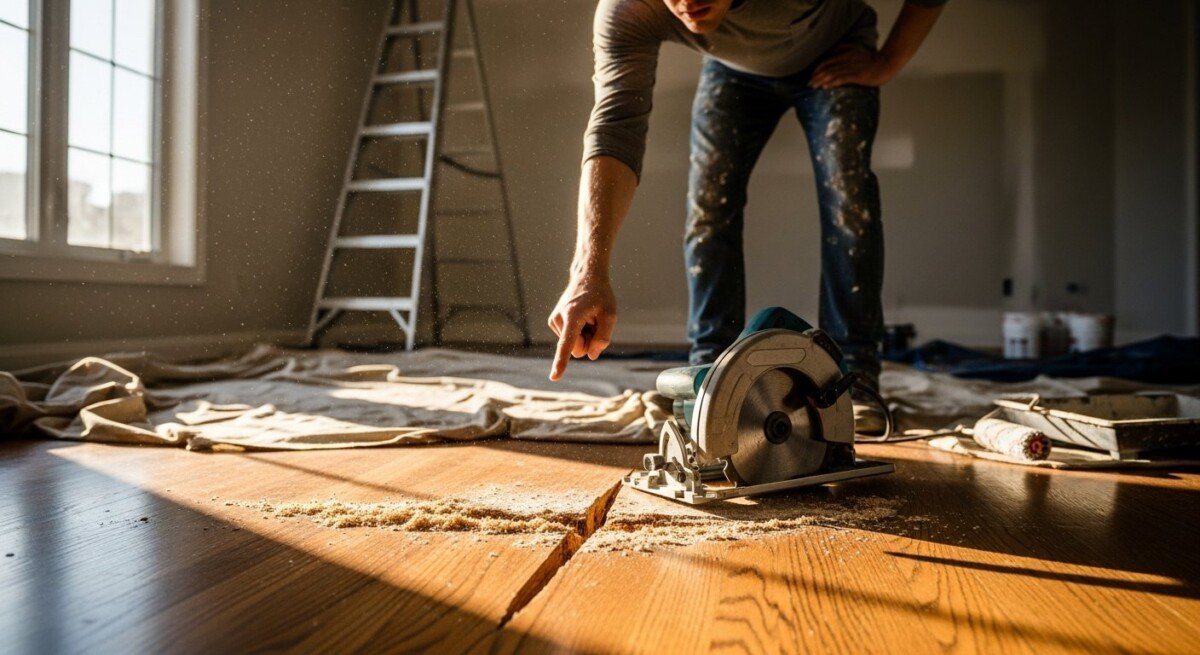
What to Do When a Contractor Damages Your Property
A guide for homeowners on steps to take, liability, and how to get professional repairs if a contractor damages your property during work.

By Elena John
Learn more about Home Inspection for guides, costs, and what to expect.
Compare Home Inspection Pros Near You

Enter your ZIP code to compare top-rated local professionals and request free quotes.
You hired a contractor to improve your home, trusting them to work carefully. But then you see it: a deep scratch in your hardwood floor, a cracked window, or a hole punched in a wall that wasn’t part of the plan. Your stomach sinks. Discovering property damage caused by a contractor is a stressful and frustrating situation many homeowners face. It can turn an exciting renovation into a source of conflict and worry. Ignoring the damage or handling it poorly can lead to bigger repair bills, safety issues, and disputes that sour the entire project.
Understanding What Happens If Contractor Damages Property
When a contractor damages your property, it means your home has suffered unintended harm during construction, repair, or remodeling work. This isn’t about normal wear from a busy worksite; it’s about preventable accidents or carelessness that leaves your belongings or home’s structure worse off.
This damage can happen for many reasons. A worker might drop a tool, mis-measure a cut, spill paint or chemicals, or use equipment that causes vibrations or impacts. Sometimes, it’s a simple mistake. Other times, it stems from a lack of proper training, supervision, or preparation to protect your home.
While any home can be affected, older homes with delicate finishes or complex layouts can be more vulnerable. However, the core issue is always the same: your property has been harmed, and it needs to be made right.
Why This Matters for Your Home
It’s tempting to let a small scratch or dent slide to avoid confrontation. But what seems minor can have serious implications for your biggest investment. Unaddressed damage can compromise your home’s integrity, leading to leaks, electrical issues, or structural weaknesses over time.
Beyond the immediate eyesore, there are real risks. Damaged electrical wiring can be a fire hazard. A compromised water line can lead to mold. A cracked foundation can affect your home’s stability. Your safety, your family’s comfort, and your home’s long-term value are all on the line.
Delaying repairs almost always makes them more expensive. A small water stain from a plumbing error can rot subflooring. A cracked tile can lead to moisture problems under your floor. Addressing damage promptly with professional help protects your investment and gives you peace of mind.
If you notice signs of this issue in your home, it may help to speak with a qualified contractor. Request a free quote or call to explore your repair or remodeling options.
Common Problems Homeowners Experience
Contractor damage often falls into a few clear categories. You might see cosmetic issues that affect your home’s appearance the moment you walk in. These are frustrating but usually straightforward to fix with the right professional.
More concerning are the hidden problems that aren’t immediately visible. Damage behind walls, under floors, or to critical systems can go unnoticed until they cause a major failure. This is why documentation and a thorough final walk-through are so important.
- Surface Damage: Scratches on floors, dents in appliances, chipped countertops, or stained carpets.
- Structural Nicks and Holes: Accidental drilling or cutting into load-bearing beams, door frames, or walls not part of the plan.
- Utility System Damage: Severed electrical wires, punctured plumbing pipes, or damaged HVAC ducts hidden behind drywall.
- Exterior and Landscaping Harm: Cracked driveways from heavy equipment, damaged siding, or destroyed landscaping and sprinkler systems.
- Water and Mold Damage: Leaks from improperly sealed windows, showers, or roofs that lead to rot and mold growth.
- Pre-existing Damage Worsening: An existing weak spot in your home failing due to the vibration or stress of new work.
How Professionals Solve the Problem
When damage occurs, a reputable professional repair contractor brings order and expertise to a chaotic situation. They don’t just patch over the problem; they diagnose the full extent of the damage and create a plan to restore your home to its proper condition, or even better.
Their process is methodical and focused on a permanent solution. They have the right tools, materials, and skills to match existing finishes and ensure repairs are seamless and structurally sound. This approach is far safer and more reliable than a quick DIY fix that might fail later.
- Assessment and Documentation: A thorough inspection to identify all damage, both obvious and hidden.
- Detailed Estimate: A clear, written scope of work and cost to repair the damage properly.
- Material Matching: Sourcing matching flooring, paint, tile, or siding to make repairs invisible.
- Expert Repair Execution: Performing the repairs with trade-specific knowledge to meet building codes.
- Final Inspection and Cleanup: Ensuring the repair is perfect and leaving the area clean and safe.
A professional inspection can reveal hidden issues before they become expensive repairs. Compare contractor quotes here or call to discuss your project.
Warning Signs You Should Not Ignore
Sometimes, damage isn’t a dramatic event you see happen. It reveals itself through subtle clues during or after the project. Paying attention to these signs can help you catch problems early, when they are easier and less costly to fix.
Listen to your home. New sounds, smells, or performance issues after contractor work can be red flags. Don’t dismiss a small leak or a flickering light; these are your home’s way of telling you something is wrong.
- New water stains on ceilings or walls, or the sound of dripping behind drywall.
- Electrical outlets or switches that stop working, trip breakers frequently, or feel warm.
- Doors or windows that suddenly stick or won’t close properly, indicating shifted frames.
- Cracks in drywall, tile, or plaster that weren’t there before the work started.
- Unusual drafts, temperature changes, or spikes in your water or energy bills.
- Visible damage to finishes like flooring, cabinetry, or trim that the contractor did not point out.
What Affects the Cost of Repairs or Installation
The cost to fix contractor damage isn’t a flat fee. It depends heavily on what was damaged, how badly, and what it takes to restore it. A small paint touch-up is minimal, while re-routing plumbing inside a finished wall is a significant project.
Key factors include the type and quality of materials needing replacement. Matching rare hardwood or custom tile is more involved than standard materials. Labor is another major component, especially if the repair requires multiple skilled trades like an electrician and a drywall finisher.
Costs can vary depending on the condition of your home. The best way to know the price is to get a personalized estimate. Request free quotes from contractors or call today.
How to Choose the Right Contractor
If you need to hire someone new to fix another contractor’s mistake, due diligence is crucial. You want a problem-solver who communicates clearly and stands behind their work. This contractor is your advocate in restoring your home’s value and your peace of mind.
Start by looking for proven reliability. Check online reviews and ask for references specifically for repair work. A contractor comfortable with repair and restoration projects will understand the nuance of matching existing work and troubleshooting hidden problems.
- Verify they are licensed, bonded, and insured,this is non-negotiable for your protection.
- Ask for and check references from past clients who had similar repair work done.
- Request a detailed, written estimate that outlines every step of the repair process.
- Compare quotes from 2-3 contractors to understand fair pricing and scope.
- Choose a contractor who listens, answers questions patiently, and inspires confidence.
Long-Term Benefits of Professional Work
Investing in proper repair does more than just fix a mistake. It safeguards your home for the future. Quality workmanship ensures the repaired area is just as durable and functional as the rest of your house, preventing callbacks and recurring issues.
Professionally resolved damage protects your home’s market value. A visible or poorly executed repair can be a red flag for future buyers. A seamless repair, on the other hand, maintains the aesthetic and structural integrity that buyers expect.
Ultimately, you gain peace of mind. Knowing that a safety hazard has been eliminated, that a leak is permanently sealed, and that your home is whole again allows you to enjoy your space without underlying worry. It turns a negative experience into a reaffirmation of your home’s value.
Who is responsible if a contractor damages my property?
The contractor or their subcontractors are typically responsible for damage they cause. Their liability insurance should cover the cost of repairs. Always hire insured contractors and document any damage immediately with photos and written notes.
Should I withhold payment if a contractor causes damage?
Do not withhold the final payment without clear communication. First, notify the contractor in writing, provide evidence, and request a repair plan. If they refuse to address it, you may need to use a portion of the payment to hire another professional, but consult your contract first.
How long does a contractor have to fix damage?
There’s no set timeline, but a reputable contractor will address it promptly. Discuss a reasonable deadline for assessment and repair when you notify them. If they delay excessively, you may need to proceed with another professional and seek reimbursement.
What if the damage is discovered after the contractor leaves?
Contact the contractor immediately, even if the project is complete. Provide photos and a clear description. A professional will want to make it right to protect their reputation. If they are unresponsive, you may need to file a claim against their insurance or bond.
Can I sue a contractor for property damage?
Legal action is a last resort. First, try to resolve it through direct discussion, then a formal demand letter. If that fails, small claims court is an option for smaller amounts. For major damage, consult an attorney. Your homeowner’s insurance might also provide guidance.
How can I prevent contractor damage before it happens?
Choose a licensed and insured contractor with excellent references. Before work begins, walk through your home together and document its condition with photos. Clearly discuss protection measures for floors, furniture, and landscaping. A detailed contract that outlines cleanup and damage responsibility is essential.
Discovering contractor damage is disruptive, but it doesn’t have to derail your project or your confidence in your home. By taking calm, documented action and enlisting a professional to make proper repairs, you can restore your property and move forward. Addressing issues early with the right help prevents smaller problems from growing into major expenses. If you’re facing this situation, comparing detailed quotes from qualified repair specialists is the most practical first step toward a solution.
Learn more about Home Inspection for guides, costs, and what to expect.
Compare Home Inspection Pros Near You
Enter your ZIP code to compare top-rated local professionals and request free quotes.