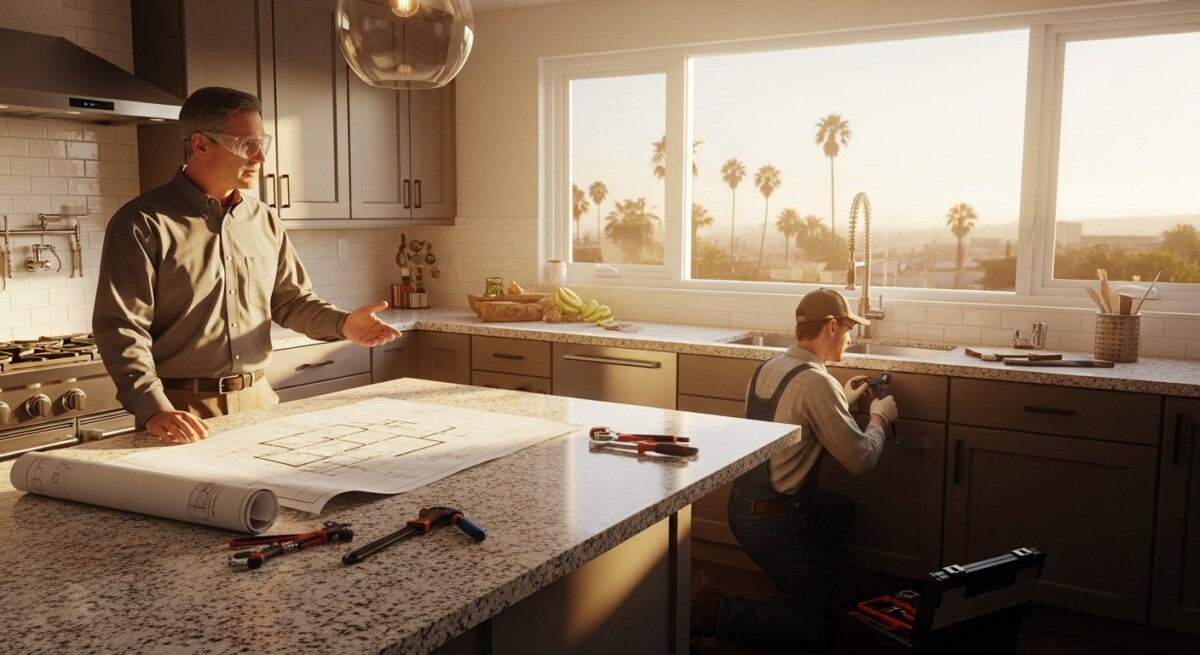
The Homeowner’s Guide to the Contractor Bidding Process
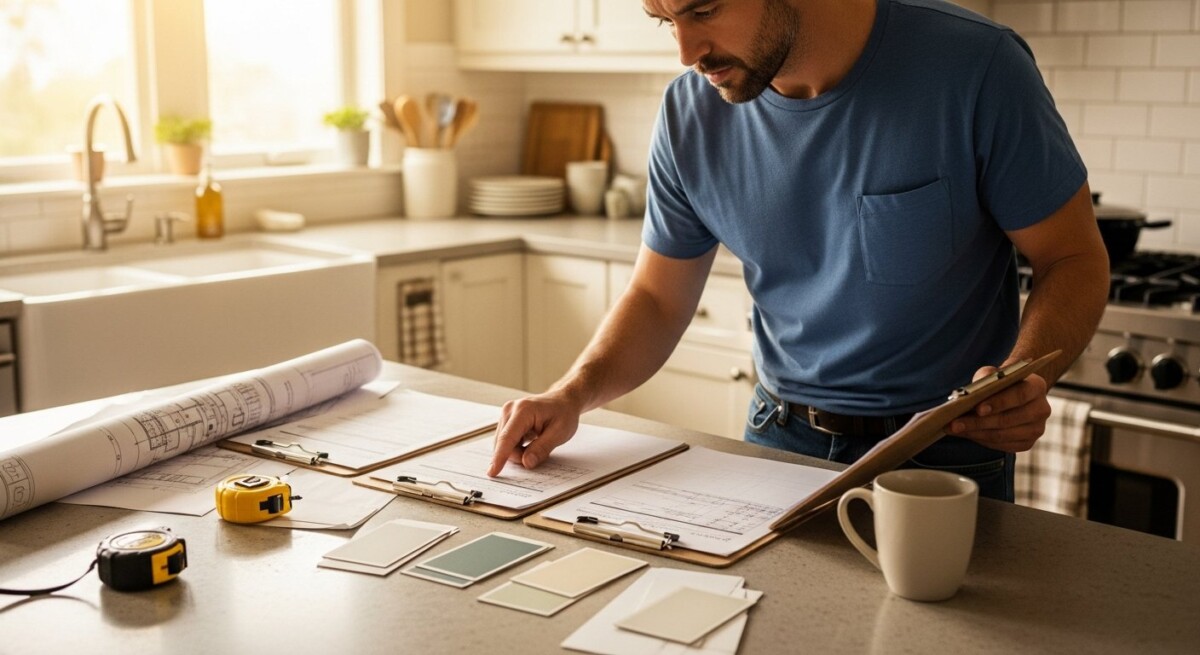
You’ve finally decided to tackle that kitchen renovation or fix that persistent leak. You call a few contractors, and soon, you’re staring at several pieces of paper with wildly different numbers, scopes of work, and timelines. You feel confused, unsure which bid is fair, and worried about making a costly mistake. This moment,the contractor bidding process,is where many homeowners feel lost, but it’s also your most powerful tool for a successful, stress-free project. Understanding how to navigate it can protect your budget, your home, and your peace of mind.
Understanding the Contractor Bidding Process
The contractor bidding process is simply how professionals determine and present the cost, timeline, and details of your home project. It’s their formal proposal to do the work. When you request estimates, you’re inviting contractors to analyze your needs and compete for your business.
This process happens for any project, big or small, from a bathroom update to a new roof. It’s designed to give you, the homeowner, a clear picture of what to expect. A good bid translates your vision into a concrete plan with a defined price.
Every home and project is unique, which is why bids can vary. The contractor is considering your home’s specific layout, age, existing conditions, and your chosen materials. They’re not just guessing a price; they’re calculating the real cost of turning your idea into reality.
Why This Matters for Your Home
Getting multiple bids isn’t just about finding the lowest price. It’s about finding the right value and the right partner for your home. A thorough, transparent bidding process reveals which contractor truly understands your project and has planned for its success.
Choosing a contractor based on a vague or incomplete bid can lead to unpleasant surprises. You might face constant change orders, hidden fees, or corners cut on materials. A proper bid sets clear expectations, protecting you from scope creep and budget overruns that can derail your plans and strain your finances.
If you notice signs of this issue in your home, it may help to speak with a qualified contractor. Request a free quote or call to explore your repair or remodeling options.
Common Problems Homeowners Experience
Without a clear framework, the bidding process can feel overwhelming. Homeowners often receive bids that are difficult to compare because they include different line items or levels of detail. One might include demolition and disposal, while another assumes you’ll handle it.
Another common issue is the “ballpark estimate” that becomes a firm price later. A contractor might give a low verbal number to win the job, only for the formal bid to come in much higher after you’re emotionally committed. This lack of clarity at the start is a major red flag.
- Receiving bids with vastly different prices and no clear explanation why.
- “Apples-to-oranges” proposals that make comparison impossible.
- High-pressure sales tactics urging you to sign immediately.
- Vague descriptions like “install kitchen” instead of a detailed materials and labor list.
- Bids that don’t address how unexpected problems (like rot behind walls) will be handled.
- Contractors who bid without seeing the project site in person.
How Professionals Solve the Problem
A reputable contractor views the bidding process as the foundation of a good working relationship. They take time to understand your goals, assess your home, and create a detailed, itemized proposal. This document becomes your roadmap and your contract, ensuring everyone is on the same page.
Their process is methodical and transparent. It starts with a detailed consultation and site visit. They measure, inspect, and ask questions to uncover any potential challenges hidden behind walls or under floors. This diligence upfront prevents costly surprises later.
- Consultation & Site Visit: They listen to your needs and thoroughly inspect the work area.
- Detailed Planning: They specify brands, models, quantities, and grades of all materials.
- Labor Breakdown: They outline each phase of work, from prep to cleanup, with a clear timeline.
- Cost Calculation: They factor in materials, labor, permits, subcontractor costs, and a reasonable profit margin.
- Proposal Presentation: They present a clear, written bid you can review and compare at your leisure.
A professional inspection can reveal hidden issues before they become expensive repairs. Compare contractor quotes here or call to discuss your project.
Warning Signs You Should Not Ignore
Some bids should give you pause. If a proposal seems too good to be true, it often is. An extremely low bid might mean the contractor is cutting corners, using inferior materials, or plans to hit you with change orders later.
Resist any pressure to sign a contract on the spot. A trustworthy contractor wants you to be comfortable and informed. They encourage you to review their bid, check their references, and compare it with others. Urgency is a tactic, not a benefit.
- A bid that is significantly lower than all others without a clear, justified reason.
- A contractor who is reluctant to put everything in writing.
- No proof of licensing, insurance, or bonding.
- Requests for a large cash deposit or full payment upfront before work begins.
- Vague language that avoids specifics on materials, brands, or model numbers.
- An unwillingness to provide a list of recent customer references.
What Affects the Cost of Repairs or Installation
Many factors influence the final number on a bid. The size and complexity of the project are the most obvious. A whole-house remodel will cost more than a single-room update, but even small jobs can vary based on the quality of finishes you select.
Your home’s condition plays a huge role. An older home might need electrical updates, plumbing repairs, or structural reinforcement before the new work can even begin. These “unseen” conditions are why a site visit is critical for an accurate bid.
Costs can vary depending on the condition of your home. The best way to know the price is to get a personalized estimate. Request free quotes from contractors or call today.
How to Choose the Right Contractor
The bidding process is your best tool for choosing the right professional. Look beyond the bottom line. The goal is to find a contractor you can communicate with easily, who demonstrates knowledge, and whose proposal is thorough and honest.
Your comfort and trust are paramount. You’re inviting this person into your home for weeks or months. Their proposal reflects their professionalism and attention to detail. A clear, comprehensive bid is the first sign of a job well done.
- Verify Credentials: Always check for a valid license, insurance, and any necessary bonding.
- Read Reviews & Ask for References: Look at online reviews and actually call past clients to ask about their experience.
- Demand Detail: Choose bids that are specific about materials, labor, timeline, and payment schedule.
- Compare Multiple Quotes: Get at least three detailed bids to understand the market rate and scope for your project.
- Gut Check the Communication: Choose someone who listens, answers questions clearly, and makes you feel confident.
Long-Term Benefits of Professional Work
Investing time in a proper bidding process pays off for years. A well-executed project by a qualified contractor enhances your daily life, improves your home’s functionality, and increases its market value. It’s an investment in your family’s comfort and safety.
Quality work lasts. Using the right materials and techniques means fewer callbacks for repairs and less maintenance down the road. It also ensures the work is done to code, which is essential for your safety and is a legal requirement that affects future home sales.
Ultimately, a professional job protects your largest investment,your home. It prevents small issues from becoming catastrophic failures, saves money on energy bills through proper installation, and gives you the peace of mind that comes from knowing the work was done right.
How many contractor bids should I get?
It’s wise to get at least three detailed bids for any project. This gives you a good range for comparison on price, scope, and professionalism. Fewer than three might not show you the full market, while more than five can become overwhelming and time-consuming.
What should a contractor’s bid include?
A complete bid should include a detailed description of work, specific materials (brands, models, quantities), a project timeline with start and completion dates, a total price, a payment schedule, and information about their license, insurance, and warranty. It should also note who is responsible for obtaining permits.
Is the lowest bid always the best choice?
Not usually. The lowest bid can sometimes indicate inexperience, the use of subpar materials, or important omissions. Instead of choosing the lowest bid, look for the best value,the bid that offers the clearest, most comprehensive plan at a fair and competitive price from a trustworthy contractor.
What’s the difference between an estimate and a bid?
An estimate is a rough, often non-binding, approximation of cost. A bid (or quote) is a formal, fixed-price offer to do the work as specified. For planning purposes, always insist on a formal, written bid before signing a contract or starting work.
Should I always choose a local contractor?
Choosing a local contractor is highly recommended. They are familiar with local building codes, weather considerations, and permit processes. They also have a community reputation to uphold and are easier to contact if any issues arise after the project is complete.
How long is a contractor’s bid valid?
Bids typically have an expiration date, often 30 to 90 days from issuance. This is because material prices can fluctuate. Always check the bid document for this date. If you need more time, communicate with the contractor; they may be willing to extend the validity.
Navigating the contractor bidding process doesn’t have to be a source of stress. By understanding what a good bid looks like and why the process exists, you transform it from a confusing hurdle into your greatest asset for a successful home project. Taking the time to compare detailed, professional quotes is the single most effective step you can take to protect your investment and ensure a result you’ll love for years to come. Start by requesting a few quotes to understand your options clearly.