How to Understand Contractor Pricing for Homeowners
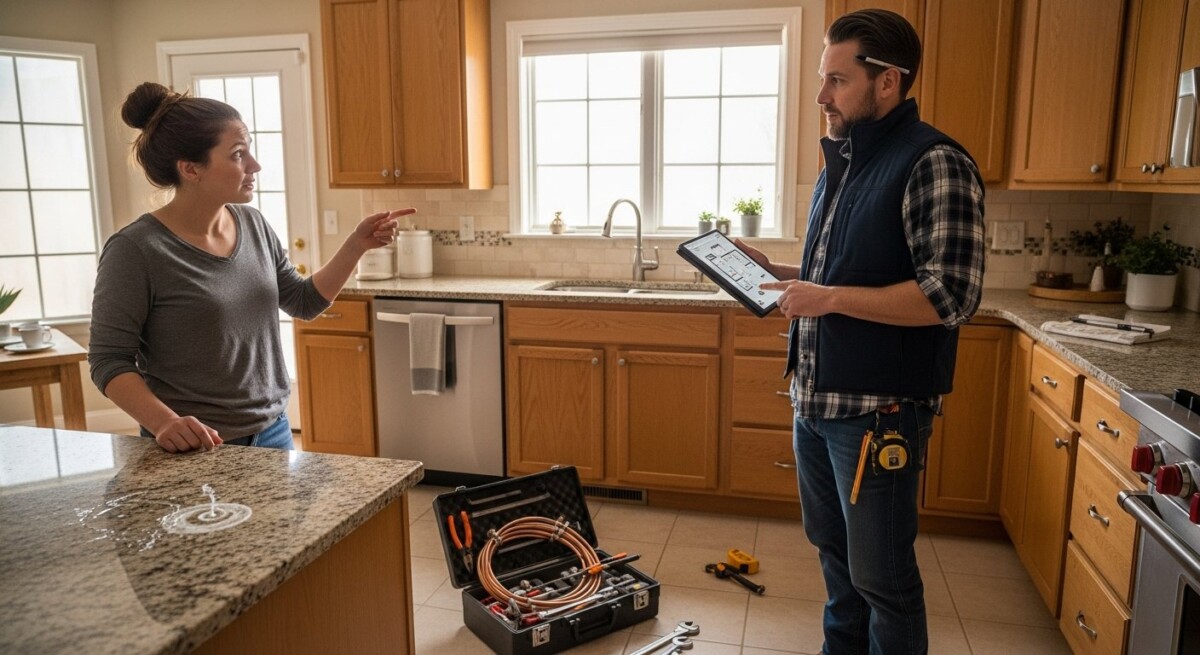
You finally decide to remodel your outdated bathroom or replace that leaky roof. You call a few contractors, and the quotes come back wildly different,one is $8,000, another is $15,000, and a third is $22,000. Confusion sets in. Is the low bid too good to be true? Is the high bid a rip-off? This is the moment most homeowners realize they have no idea how to understand contractor pricing. Without a clear framework, you risk overpaying, hiring an unqualified crew, or choosing a cheap fix that leads to costly damage down the road.
Understanding How to Understand Contractor Pricing
Contractor pricing is not a single number pulled from thin air. It is a detailed breakdown of materials, labor, overhead, profit, and sometimes permits or disposal fees. When you learn how to understand contractor pricing, you see that each line item tells a story about the scope and quality of the work.
Pricing varies because every home is different. A 50-year-old house with outdated wiring will cost more to renovate than a newer home with modern systems. Similarly, a contractor who uses premium materials and carries full insurance will quote a higher price than someone who cuts corners. Homes most affected by confusing pricing are older properties, homes with unpermitted prior work, and projects that require specialized trades like structural engineering or custom cabinetry.
Why Pricing Feels Like a Mystery
Most homeowners rarely hire contractors, so they lack a baseline for what things should cost. Additionally, contractors often use industry shorthand,like “per square foot” or “time and materials”,without explaining what those terms mean for your project. This lack of transparency is why learning how to understand contractor pricing is essential for protecting your budget and your home.
Why This Matters for Your Home
Ignoring the details of contractor pricing can lead to serious consequences. A low bid might skip critical steps like waterproofing a basement or reinforcing a load-bearing wall. Over time, these omissions cause rot, mold, or even structural failure,repairs that cost thousands more than the original project.
Safety is another concern. A contractor who underprices their work may lack proper insurance or licenses. If a worker gets injured on your property, you could be held liable. Professional pricing reflects legitimate business costs, including insurance, permits, and skilled labor. By understanding these costs, you protect your family and your investment.
Delaying a repair because the quotes seem high often backfires. A small roof leak, for example, can turn into a major water damage claim if ignored for six months. The longer you wait, the more expensive the fix becomes,and the harder it is to find a contractor willing to tackle the mess.
If you notice signs of this issue in your home, it may help to speak with a qualified contractor. Request a free quote or call 1-800-555-0199 to explore your repair or remodeling options.
Common Problems Homeowners Experience
Many homeowners encounter pricing confusion when they receive quotes that lack detail. A contractor might hand you a single number with no breakdown, leaving you to guess what you’re paying for. This often leads to disputes mid-project when unexpected costs arise.
Another common problem is the “bait and switch.” A low initial quote draws you in, but once work begins, the contractor claims to find hidden issues that require expensive upgrades. Without a clear understanding of how to understand contractor pricing, you may feel pressured to approve extra charges just to keep the project moving.
- Quotes that vary by 50% or more for the same scope of work
- Contracts that do not list specific materials or brands
- Verbal estimates instead of written proposals
- Charges for permits or disposal added after the project starts
- Unclear payment schedules with large upfront deposits
- No mention of warranties or guarantees
How Professionals Solve the Problem
Experienced contractors provide transparent, itemized quotes that explain every cost. They walk you through the proposal, answer your questions, and help you how to understand contractor pricing for your specific project. This clarity builds trust and ensures there are no surprises.
Professionals also follow a structured process that protects both parties. They inspect the site, identify potential challenges, and include contingencies for unexpected issues. This upfront diligence prevents mid-project price hikes and keeps the work on schedule.
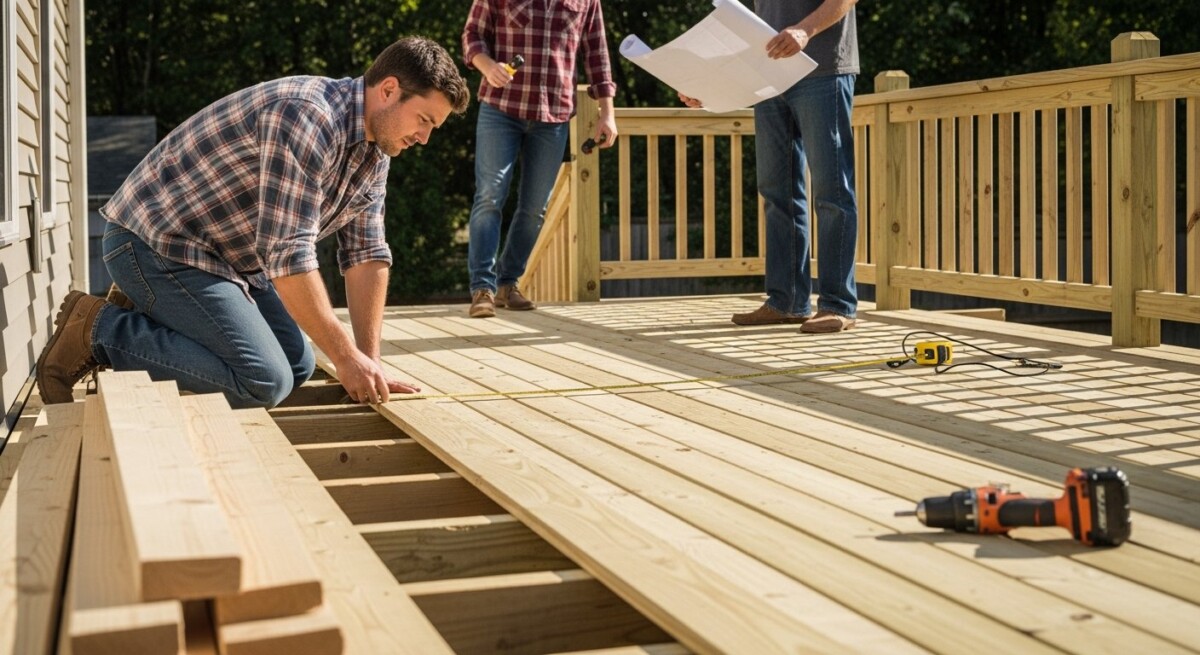
- Initial consultation: The contractor visits your home, measures the space, and discusses your goals.
- Detailed estimate: You receive a written quote listing materials, labor, permits, and timeline.
- Contract signing: Both parties agree to the scope, payment schedule, and warranty terms.
- Project execution: The crew completes the work according to the plan, with regular updates.
- Final walkthrough: You inspect the finished project and release final payment only when satisfied.
DIY fixes often seem cheaper, but they carry hidden costs. Mistakes require professional correction, and improper work can void your home insurance or violate local codes. Professional contractors guarantee their work, saving you money and stress in the long run.
A professional inspection can reveal hidden issues before they become expensive repairs. Compare contractor quotes here or call 1-800-555-0199 to discuss your project.
Warning Signs You Should Not Ignore
Your home often gives clues that a contractor’s pricing is off or that a repair is urgent. Pay attention to these signals. Early detection can save you from choosing the wrong contractor or delaying a necessary fix.
For example, if you receive a quote that is significantly lower than others, ask why. A rock-bottom price often means the contractor plans to cut corners on materials, skip permits, or use unskilled labor. Similarly, if a contractor pressures you to sign immediately, that is a red flag. Trustworthy professionals give you time to review and compare.
- Quotes that are 30% or more below the average of other bids
- Contractors who ask for 50% or more upfront
- No physical address or online presence for the company
- Reluctance to provide references or proof of insurance
- Verbal promises that are not included in the written contract
- Pressure to decide on the spot or “today only” discounts
What Affects the Cost of Repairs or Installation
Several factors influence how much a contractor charges. Understanding these helps you how to understand contractor pricing and budget realistically. The size of the project is the most obvious factor,a full kitchen remodel costs more than a countertop replacement because it involves more labor, materials, and trades.
Material quality also drives price. Choosing premium hardwood flooring versus laminate can double the material cost. Labor rates vary by region and trade; a licensed electrician charges more per hour than a general laborer. Accessibility matters too,a roof with a steep pitch or a basement with limited entry takes longer to work on, increasing labor costs.
Age of the home plays a role as well. Older houses often have outdated wiring, plumbing, or insulation that must be brought up to code before new work can begin. These “hidden” costs are not negotiable, but a good contractor will identify them during the estimate so you can plan accordingly.
Costs can vary depending on the condition of your home. The best way to know the price is to get a personalized estimate. Request free quotes from contractors or call 1-800-555-0199 today.
How to Choose the Right Contractor
Selecting a contractor based solely on price is a common mistake. Instead, focus on value,what you get for your money. A slightly higher quote from a reputable contractor often means better materials, skilled labor, and a warranty that protects you for years.
Start by asking for recommendations from neighbors or friends who have had similar work done. Then, interview at least three contractors. Compare their quotes side by side, looking at the scope of work, not just the total number. This process helps you how to understand contractor pricing by seeing how different professionals approach the same project.
- Verify the contractor’s license and insurance (liability and workers’ comp)
- Read online reviews on Google, Yelp, and the Better Business Bureau
- Ask for a written estimate that includes materials, labor, permits, and timeline
- Request references from recent projects similar to yours
- Get at least three quotes to compare pricing and approach
Long-Term Benefits of Professional Work
Investing in professional contractor work pays off over time. A properly installed roof lasts 20,30 years instead of 10. A bathroom with correct waterproofing prevents mold and structural damage. These long-term savings often outweigh the initial cost difference between a professional and a cut-rate handyman.
Professional work also boosts your home’s resale value. When you sell, buyers and appraisers look for permits and quality craftsmanship. A kitchen or basement renovation done by a licensed contractor adds measurable equity to your property, while DIY or unpermitted work can actually lower the sale price.
Energy efficiency is another hidden benefit. A professional contractor will seal gaps, install proper insulation, and choose energy-efficient windows or appliances. These upgrades lower your monthly utility bills and reduce your carbon footprint. Over five to ten years, the energy savings can equal the cost of the project itself.
What is the best way to compare contractor quotes?
The best way is to request itemized quotes from at least three contractors. Compare the materials, labor costs, timelines, and warranty terms, not just the total price. This helps you see where each contractor allocates their budget and makes it easier to understand contractor pricing for your specific project.
Why are contractor quotes so different from each other?
Quotes vary because contractors use different materials, labor rates, and profit margins. One may include premium fixtures while another uses builder-grade products. A higher quote often reflects better insurance coverage, licensed tradespeople, and a longer warranty. Learning how to understand contractor pricing helps you see why one quote costs more than another.
Should I always choose the lowest quote?
No. The lowest quote often means the contractor is cutting corners on materials, skipping permits, or using uninsured labor. These shortcuts can lead to costly repairs later. It is safer to choose a mid-range quote from a reputable contractor who provides a detailed contract and references.
What should be included in a contractor’s written estimate?
A good estimate includes a breakdown of materials (brands and quantities), labor costs, permit fees, disposal fees, payment schedule, and a projected start and end date. It should also state the warranty terms. If anything is missing, ask for clarification before signing.
How can I tell if a contractor is overcharging?
Compare three quotes for the same scope of work. If one is significantly higher, ask the contractor to explain the difference. Overcharging is rare among reputable professionals, but a lack of detail in the estimate is a red flag. Use your understanding of contractor pricing to identify inflated line items.
Do I need to pay a deposit before work starts?
Most contractors ask for a small deposit (10,20%) to secure materials. Avoid paying more than 30% upfront, and never pay the full amount before work begins. A professional contractor will tie payments to project milestones so you only pay for completed work.
What happens if the contractor finds hidden damage during the project?
A good contractor will stop work, show you the damage, and provide a written change order with the cost to fix it. You can approve or decline the extra work. This is why a contingency fund (10,15% of the project budget) is recommended for older homes.
How long should a contractor’s warranty last?
Warranties vary by trade. A roofing contractor might offer a 10-year workmanship warranty, while a painter may guarantee their work for one year. Always get the warranty in writing and ask what it covers (materials, labor, or both). This is a key part of understanding contractor pricing and value.
Understanding contractor pricing does not have to be overwhelming. When you learn to read quotes, ask the right questions, and compare options, you gain confidence in your decisions. Do not let confusing pricing delay necessary repairs or renovations. The sooner you address an issue, the less it costs in the long run. Start by gathering multiple quotes from licensed professionals so you can see the full picture before committing to a project.