
Understanding Contractor Estimates in Chicago, Illinois
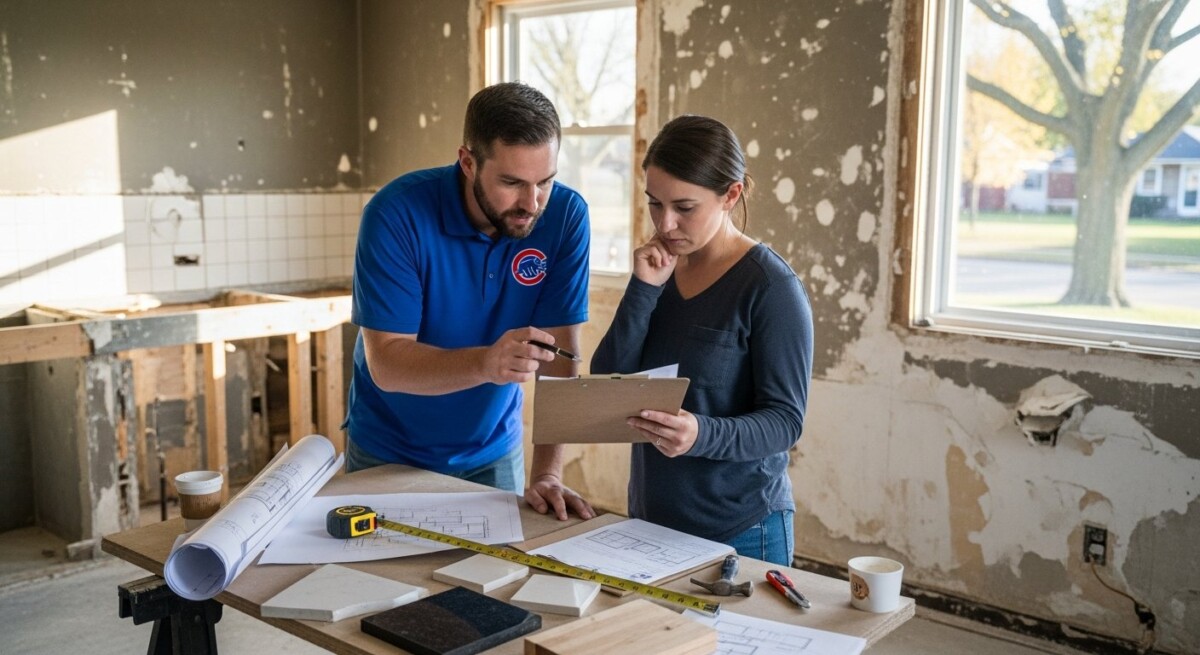
You’ve finally decided to tackle that kitchen remodel or fix the persistent leak in your basement. You start searching for local professionals, but when the estimates start coming in, they’re all over the map. One quote seems surprisingly low, another is detailed but expensive, and a third is just a vague ballpark figure. As a Chicago homeowner, you’re left wondering what a fair price really is and who you can trust to do the job right. Navigating contractor estimates in Chicago, Illinois, can feel confusing, but understanding this process is the first step to protecting your home, your budget, and your peace of mind.
Understanding Contractor Estimates in Chicago, Illinois
A contractor estimate is a detailed proposal that outlines the scope, materials, labor, and total cost for a home project. It’s more than just a price tag; it’s a roadmap for the work to be done. This document helps you compare different professionals and understand exactly what you’re paying for.
In a city like Chicago, estimates can vary widely due to local factors. The age of our housing stock, specific building codes, and even neighborhood-specific material delivery challenges can all influence the final number. A clear, written estimate is your best tool for making an informed decision and avoiding unexpected costs later.
Why This Matters for Your Home
Getting accurate estimates isn’t just about budgeting. It’s about safeguarding your largest investment. A detailed estimate from a reputable contractor helps prevent scope creep, where small, unplanned additions slowly inflate your final bill. It also ensures that the work meets Chicago’s building codes, which is crucial for your safety and your home’s legality.
Ignoring the need for a proper estimate or choosing a contractor based solely on the lowest price can lead to significant risks. Subpar work might fail inspection, require costly re-dos, or even create safety hazards like electrical fires or water damage. A professional estimate sets clear expectations and lays the foundation for quality work that protects your property’s value.
If you notice signs of this issue in your home, it may help to speak with a qualified contractor. Request a free quote or call to explore your repair or remodeling options.
Common Problems Homeowners Experience
Many Chicago homeowners face similar frustrations when seeking estimates. The process can be time-consuming, and quotes often arrive in different formats, making an apples-to-apples comparison difficult. Some contractors provide vague, verbal quotes that leave too much room for interpretation and future disputes.
Other common issues stem from the unique challenges of Chicago homes. Century-old foundations, outdated plumbing in bungalows, or the need for permits in historic districts can complicate projects in ways a generic online calculator can’t predict. Without a local expert who understands these nuances, your initial budget can quickly become unrealistic.
- Receiving vague estimates that lack line-item details for materials and labor.
- Encountering surprisingly low bids that may indicate cut corners or hidden fees.
- Dealing with contractors who are reluctant to put a detailed estimate in writing.
- Facing unexpected costs for Chicago-specific issues like tuckpointing old brick or updating knob-and-tube wiring.
- Struggling to schedule estimates, especially during peak summer renovation season.
- Feeling pressure to sign a contract immediately before you can compare options.
How Professionals Solve the Problem
A reputable Chicago contractor approaches an estimate as a collaborative planning session. They start by thoroughly assessing your home and your goals. This on-site visit is critical for spotting potential issues that aren’t obvious, like water damage behind a wall or an outdated electrical panel that needs an upgrade to handle a new kitchen.
The professional then translates this assessment into a clear, written document. This process ensures you both have the same understanding of the project before a single hammer is swung. For a deeper look at this breakdown, our guide on Understanding Contractor Estimates for Your Home Renovation walks through each section of a typical proposal.
- Site Visit & Consultation: The contractor visits your home to discuss the project, take measurements, and identify any hidden challenges.
- Scope of Work Definition: They draft a detailed description of every task, from demolition to final cleanup.
- Material Selection & Pricing: Specific materials (brand, grade, quantity) are listed with their costs.
- Labor & Timeline Calculation: They estimate the crew size, hours needed, and a realistic project schedule.
- Final Proposal Delivery: You receive a comprehensive, written estimate that includes total cost, payment schedule, and warranty information.
A professional inspection can reveal hidden issues before they become expensive repairs. Compare contractor quotes here or call to discuss your project.
Warning Signs You Should Not Ignore
When reviewing estimates, certain red flags should give you pause. These signs often indicate a contractor who may be unreliable, unlicensed, or planning to use substandard practices. Trust your instincts,if something feels off during the estimate phase, it likely won’t improve once the project starts.
Acting on these warnings early can save you from immense stress and financial loss. Taking the time to find a contractor who provides a transparent, thorough estimate is an investment in a smooth and successful project. It’s the first step in building a trustworthy working relationship.
- The contractor pressures you for an immediate decision or a large cash deposit upfront.
- The estimate is provided only verbally, with a refusal to put it in writing.
- The bid is significantly lower than others without a clear, justified reason.
- The contractor cannot provide proof of Illinois state licensing and liability insurance.
- They are vague about the permit process or suggest skipping it to “save money.”
- There is no physical business address or local Chicago references you can verify.
What Affects the Cost of Repairs or Installation
Several key factors influence the price on a contractor’s estimate in Chicago. The size and complexity of the project are the most obvious, but local elements play a huge role. For example, working on a third-floor condo in a high-rise with limited elevator access will cost more than a similar project in a single-family home due to increased labor and material handling time.
The age and condition of your home are also major cost drivers. Older homes in neighborhoods like Lincoln Park or Wicker Park often contain surprises like plaster walls, original hardwood floors needing restoration, or outdated systems that must be brought to code. A good contractor will identify these variables during the estimate to avoid costly change orders later. Understanding these variables is key, and you can learn more about the fundamentals in our article on Understanding Home Repair Contractor Estimates for Homeowners.
Costs can vary depending on the condition of your home. The best way to know the price is to get a personalized estimate. Request free quotes from contractors or call today.
How to Choose the Right Contractor
Selecting the right professional starts with the estimate process. A good contractor will be communicative, patient with your questions, and proud to show you examples of their past work in the Chicago area. They should view the estimate as a chance to build trust, not just win a job.
Always compare at least three detailed, written estimates. This doesn’t automatically mean choosing the lowest bidder. Instead, look for the best value,the combination of fair pricing, clear communication, quality materials, and a sensible timeline. The right contractor will make you feel confident and informed.
- Verify their license is active with the Illinois Department of Financial and Professional Regulation (IDFPR) and that they carry both liability and workers’ compensation insurance.
- Read recent reviews on multiple platforms (Google, BBB, Houzz) and ask for references from projects similar to yours.
- Ensure the estimate is detailed, in writing, and includes a clear scope of work, material specifications, and a payment schedule tied to milestones.
- Meet them in person to gauge their communication style and professionalism.
- Ask about their experience with Chicago’s permit process and who will be responsible for pulling them.
Long-Term Benefits of Professional Work
Investing in a thorough estimate and a qualified contractor pays dividends long after the project is complete. Quality workmanship with proper materials ensures your repair or renovation lasts for years, reducing the need for costly call-backs or premature repairs. This durability is especially important in Chicago’s climate, with its freeze-thaw cycles and humid summers.
Professional work also directly supports your home’s market value. A well-documented, permitted renovation completed by a licensed contractor is a strong selling point. It gives future buyers confidence in the home’s condition. Furthermore, many professional projects improve energy efficiency (like new windows or insulation) or enhance safety (like updated electrical systems), providing ongoing savings and peace of mind.
How many estimates should I get for a home project in Chicago?
It’s generally recommended to obtain at least three detailed, written estimates. This gives you a good range for comparing costs, scope, and professionalism. Getting fewer might not provide enough perspective, while getting many more can become overwhelming and time-consuming.
What should a contractor estimate include?
A comprehensive estimate should include a detailed scope of work, itemized costs for materials and labor, the project timeline, information about permits, the payment schedule, warranty details, and the contractor’s license and insurance information. Vague or one-page quotes should be a red flag.
Why are some estimates so much lower than others?
A very low estimate may indicate the contractor is cutting corners on material quality, using unskilled labor, or has misunderstood the project’s scope. They may also be planning to use “change orders” to increase the price later. Always question a bid that seems unusually low compared to others.
Is a contractor’s estimate binding?
An estimate is typically a non-binding approximation of costs. A quote or bid is usually a fixed price for the defined scope. The final, binding price is in the signed contract. Ensure your contract includes the detailed estimate as an attachment to lock in the price for the specified work.
Do I need a permit for my project, and who gets it?
Most structural, electrical, plumbing, and HVAC work in Chicago requires a permit. A reputable contractor will know the local codes and usually handles pulling permits as part of their service. Be wary of any contractor who suggests skipping permits to save time or money.
How can I get estimates faster?
Being prepared speeds up the process. Have your project goals, inspiration photos, and a rough budget ready. For a streamlined approach, you can explore options for Getting Fast Contractor Estimates Online for Home Projects, which can connect you with local professionals efficiently.
What questions should I ask during the estimate visit?
Ask about their experience with similar Chicago homes, who will be the on-site foreman, their daily cleanup process, how they handle unexpected issues, their communication process, and for a list of recent references. Their answers will reveal their professionalism and reliability.
Navigating contractor estimates in Chicago is a crucial skill for any homeowner planning a repair or renovation. By understanding what a good estimate looks like, knowing the warning signs, and taking the time to compare qualified professionals, you protect your home and your investment. Don’t let confusion or pressure lead to a poor decision. Start your project on solid ground by gathering clear, detailed estimates from trusted local contractors who understand the unique needs of Chicago homes.